
Imagine stepping onto the lush green fairways, feeling the excitement of a perfect round of golf ahead. But then, a sudden pain or discomfort interrupts your game.
Golf injuries are more common than you think, and they can sideline even the most enthusiastic players. The good news? You can take steps to prevent them. By understanding how these injuries occur, you can keep your game strong and your body in top shape.
Whether you’re a seasoned golfer or just starting out, safeguarding yourself against injuries should be your top priority. Discover how simple tweaks in your routine and techniques can make all the difference. Keep reading to learn the secrets that can keep you swinging pain-free and enjoying every moment on the course. Your best game is just around the corner.

Credit: www.instagram.com
Common Golf Injuries
Golf injuries often involve the back, elbows, and wrists. Strengthening muscles and maintaining flexibility can help prevent these injuries. Proper technique and using the right equipment also reduce risks.
Golf is a rewarding sport, but it can lead to injuries. Understanding these common injuries can help prevent them. Each injury affects different parts of the body. Let’s explore these to better safeguard your health on the course.Back Pain
Back pain is the most common injury in golf. The twisting motion of the swing puts stress on the spine. Weak core muscles can increase the risk. Stretching and strengthening exercises can help. Maintain good posture during the swing for added protection.Elbow Tendonitis
Elbow tendonitis, known as “golfer’s elbow,” causes pain and inflammation. Repetitive swinging aggravates the tendons. Proper grip and swing techniques reduce the strain. Rest and ice can alleviate symptoms. Use equipment designed to lessen impact.Shoulder Strain
Shoulder strain occurs with overuse and poor swing mechanics. It affects muscles and tendons around the shoulder joint. Warm up before playing and practice good swing form. Strengthening shoulder muscles can provide stability and support.Wrist Injuries
Wrist injuries often result from the repetitive nature of swinging. They can cause pain and limited movement. Ensure proper wrist position during swings. Use wrist supports if needed. Regular wrist exercises can improve strength and flexibility.Knee Pain
Knee pain can arise from the pressure during swings and walking. It often affects the leading knee. Strengthening leg muscles can support the knees. Wear supportive footwear to reduce impact. Consider using a golf cart to lessen walking strain.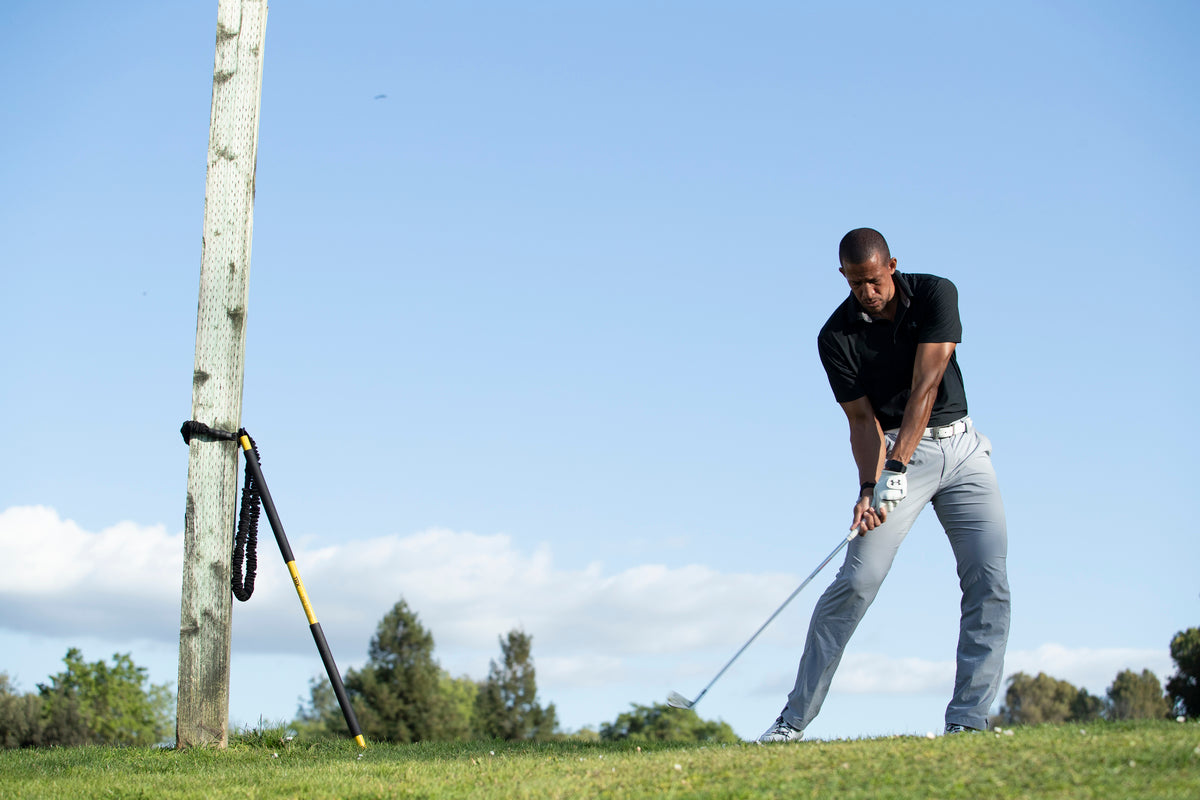
Credit: www.trxtraining.com
Proper Warm-up Techniques
Proper warm-up techniques help prevent golf injuries by increasing flexibility and blood flow. Gentle stretches and light exercises prepare muscles for the game, reducing the risk of strains and sprains.
Proper warm-up techniques are essential to prevent golf injuries. A good warm-up increases blood flow to muscles and joints. This makes them more flexible and less prone to injury. It also prepares your body for the physical demands of the game. A proper warm-up can improve your swing and overall performance.Dynamic Stretching
Dynamic stretching involves moving parts of your body. It helps increase range of motion. Perform leg swings, arm circles, and torso twists. These exercises activate muscles and enhance flexibility. Dynamic stretches mimic the movements of golf. This prepares your body for the game.Rotational Exercises
Rotational exercises improve core strength and flexibility. Strong core muscles support your swing. Try standing trunk rotations. Stand with feet shoulder-width apart. Hold a club across your shoulders. Slowly rotate your torso side to side. Keep your hips steady. This exercise warms up the spine and torso.Warm-up Swings
Warm-up swings prepare your body for the actual game. Start with short and easy swings. Gradually increase the speed and length. Focus on your form and breathing. Use a lighter club if needed. This helps you adjust to the game conditions. Warm-up swings also boost confidence and readiness.Swing Mechanics
Proper swing mechanics are essential to prevent golf injuries. Focusing on body alignment and controlled movements reduces strain. Regular practice and warm-ups enhance flexibility and minimize the risk of injury.
Swing mechanics are crucial for a safe and effective golf game. Poor mechanics can lead to injuries, hindering your enjoyment and performance. Understanding the key elements of a good swing helps prevent strain and discomfort.Maintaining Proper Posture
Good posture begins with aligning your spine correctly. Stand tall and avoid slouching. Keep your knees slightly bent to maintain flexibility. This stance reduces stress on your back and shoulders. A straight spine ensures a powerful swing. It also helps avoid lower back pain.Correct Grip Pressure
Gripping the club too tight can lead to tension. This tension often causes wrist and elbow injuries. Hold the club with a firm but relaxed grip. Imagine squeezing a tube of toothpaste without spilling. This grip allows fluid motion. It also maximizes control and accuracy.Balanced Follow-through
A balanced follow-through completes a safe swing. Shift your weight smoothly from back foot to front foot. This motion prevents strain on your hips and knees. Keep your head steady and eyes on the ball. A balanced finish enhances distance and precision. It also avoids twisting injuries.
Credit: recoverrxpt.com
Strengthening Exercises
Golf may seem like a gentle sport, but it can lead to various injuries if not played with caution. One key strategy to prevent these injuries is through strengthening exercises. These exercises not only enhance your performance but also protect your body from the physical demands of the game. Building strength in specific areas can minimize strain and maintain your body’s balance and agility on the golf course.
Core Strengthening
Your core is the powerhouse of your golf swing. Strong abdominal and back muscles provide stability, allowing you to swing efficiently. Try exercises like planks or Russian twists to build core strength. These moves not only aid in a smoother swing but also prevent common back injuries. Consistency in these exercises can gradually improve your endurance and stability.
Flexibility Training
Flexibility is essential for a full and fluid golf swing. Incorporate stretching routines such as yoga or dynamic stretches targeting the shoulders, hips, and lower back. This flexibility allows for greater rotation and a more powerful swing. Regular stretching can also reduce muscle tension and lower the risk of strains. How flexible is your swing?
Arm And Wrist Exercises
Your arms and wrists absorb significant impact during a golf game. Strengthen them with exercises like wrist curls and forearm rotations. These exercises help you maintain grip strength and control. As your arm strength improves, you’ll notice more precision in your shots. Take a moment to consider how much control you have over your swings.
By focusing on these strengthening exercises, you’re not just enhancing your golf game; you’re also investing in your long-term physical health. What steps are you taking to ensure your body is up to par with the demands of golf?
Equipment Selection
Golf is a game of skill, precision, and the right equipment. Selecting the right gear not only enhances your performance but also plays a crucial role in preventing injuries. From clubs to footwear and supportive gear, each piece of equipment matters.
Choosing The Right Clubs
Your golf clubs are an extension of your body, impacting your swing and overall game. Picking the right set tailored to your height, strength, and swing style can reduce strain and prevent injuries. Consider getting fitted by a professional to ensure your clubs match your physical attributes and playing style.
When I first started, I used clubs that were too long for me, leading to awkward swings and back pain. A custom fitting changed my game and protected my body. Have you checked if your clubs suit you perfectly?
Proper Footwear
Your feet are the foundation of your swing, making proper footwear vital. Golf shoes with good arch support and grip can prevent slips and falls, reducing the risk of injuries. Choose shoes that offer comfort for long walks on the course and stability during your swing.
Think about the time you spend on your feet during a round. Are your shoes providing the support you need? Investing in quality golf shoes can make a significant difference in both performance and injury prevention.
Using Supportive Gear
Supportive gear like gloves and braces can protect you from common golf injuries such as blisters and joint pain. Wearing a glove can improve grip and prevent calluses, while wrist braces can offer additional support. Consider elbow or knee braces if you’re prone to joint issues.
I remember struggling with wrist pain until I started using a brace during practice. It allowed me to play longer and pain-free. What supportive gear could help you enhance your game and safety?
Course Strategy
Golf is a game of strategy, and understanding how to navigate the course can significantly reduce your risk of injury. Course strategy involves making smart decisions that align with your physical capabilities and the environment you’re playing in. By planning effectively, you can enjoy the game without compromising your health.
Pacing Yourself
It’s easy to get caught up in the excitement of the game and rush through the course. However, pacing yourself is crucial to prevent fatigue and injuries. Consider taking breaks between holes to stretch and hydrate. This not only keeps your energy levels up but also reduces strain on your muscles. Remember, golf is a marathon, not a sprint. How do you manage your energy throughout the game?
Adapting To Weather Conditions
Weather can be unpredictable, and adjusting your strategy to suit the conditions is vital. On hot days, wear breathable clothing and carry extra water to stay hydrated. Cold weather might require layering up and focusing on your grip. Windy conditions call for more control and precision. Are you prepared to adapt your game when Mother Nature throws a curveball?
Utilizing Carts And Trolleys
Using a cart or trolley can be a game-changer, especially on long courses. It helps conserve energy and prevents overexertion. If carrying your bag feels like a workout, opt for a trolley. It’s okay to admit you need help—your body will thank you later. Have you ever considered how much easier your round could be with a little assistance?
Recovery And Rest
Preventing golf injuries requires more than just skill on the course. Recovery and rest play a crucial role in keeping golfers healthy. Understanding how to properly recover can reduce injury risks and improve performance. Here’s how you can focus on recovery and rest effectively.
Post-game Stretching
Stretching after a game helps relax tight muscles. It aids in reducing soreness and preventing injuries. Perform gentle stretches targeting the shoulders, back, and legs. Spend at least 10 minutes stretching to maximize benefits.
Hydration And Nutrition
Staying hydrated is essential for muscle recovery. Drink plenty of water before and after playing. Eating the right foods also aids recovery. Include proteins and complex carbohydrates in your meals. These nutrients help repair muscles and replenish energy.
Injury Treatment And Management
Address any discomfort immediately to prevent further injury. Use ice packs on swollen areas to reduce inflammation. Rest and avoid strenuous activities until pain subsides. Consult a healthcare professional if the pain persists.
Professional Guidance
Preventing golf injuries often requires expert advice. Professional guidance helps improve skills while reducing injury risk. Seeking advice from professionals can enhance your game safely.
Consulting A Physical Therapist
A physical therapist helps address muscle imbalances. They create personalized exercise plans. These plans focus on strengthening key areas. Regular sessions improve flexibility. This can prevent common golf injuries like strains.
Engaging A Golf Coach
A golf coach teaches correct swing techniques. Proper form reduces stress on joints. Coaches provide personalized feedback. This helps avoid mistakes that lead to injury. Engaging a coach can refine your skills safely.
Regular Health Check-ups
Health check-ups detect potential issues early. Regular visits ensure you’re fit for golf. Doctors can recommend exercises or treatments. This keeps you in top shape for the game. It’s a proactive step to prevent injuries.
Frequently Asked Questions
How Can Stretching Prevent Golf Injuries?
Stretching increases flexibility and prepares muscles for golf swings. It helps reduce muscle strain and improves range of motion. Regular stretching can prevent common golf injuries by ensuring muscles are warmed up and ready. Incorporate dynamic stretches before playing and static stretches after to optimize performance and recovery.
What Are Common Golf Injury Causes?
Golf injuries often arise from poor swing mechanics, repetitive motions, and lack of flexibility. Overuse of certain muscles can lead to strains. Incorrect posture during swings can also cause injuries. Proper technique, regular stretching, and strength training can mitigate these risks and improve your game.
How Important Is Warm-up For Golfers?
Warm-up is crucial in preventing golf injuries. It increases blood flow to muscles, enhancing flexibility and readiness. A proper warm-up includes dynamic stretching and light exercise. This prepares the body for the physical demands of golf, reducing the risk of strains and sprains.
Can Equipment Affect Golf Injury Rates?
Yes, using improper equipment can lead to injuries. Clubs that are too heavy or long can strain muscles. Ensure your gear is suited to your body and swing style. Customized equipment helps maintain correct posture and technique, reducing the likelihood of injury during play.
Conclusion
Staying injury-free in golf keeps the game fun and safe. Warm up before playing to ease muscles. Use the correct equipment to support your swing. Listen to your body and rest when needed. Stretch regularly to increase flexibility. Focus on technique rather than force.
Stay hydrated and eat well for energy. A balanced approach helps prevent common golf injuries. Enjoy the game with confidence and care. Your health is important. A little caution goes a long way on the course. Play smart, stay healthy, and keep swinging with joy.