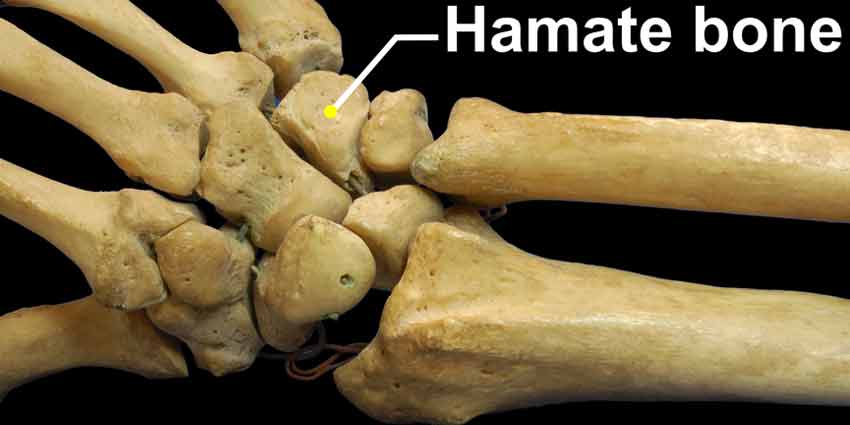
Imagine gripping the bat, ready to hit that home run, and suddenly feeling a sharp pain in your wrist. That’s the hamate bone speaking up, and it’s a common issue for baseball players.
You love the game and want to play at your best, but a hamate bone injury can sideline you for weeks. To keep you in the game and out of the doctor’s office, it’s crucial to know how to prevent this sneaky injury.
In this guide, we’ll reveal simple, practical steps you can take to protect your hands and keep swinging for the fences. Stick with us, and you’ll learn how to make sure your love for baseball doesn’t come with unwanted pain. Ready to safeguard your swing? Let’s dive in!

Credit: www.federalbaseball.com
Causes Of Hamate Bone Injury
Hamate bone injuries can sideline baseball players for weeks. Understanding the causes is crucial for prevention. This small bone is located in the wrist, and its unique shape makes it vulnerable. Players who grip bats tightly or make forceful swings are at risk.
Understanding The Hamate Bone
The hamate bone is wedge-shaped. It’s found in the wrist near the base of the palm. It’s part of the carpal bones that form the wrist. Its hook-like projection is the most vulnerable part. This hook can fracture under stress or impact.
Common Injury Mechanisms In Baseball
In baseball, hamate injuries often occur during batting. The knob of the bat presses against the hamate bone. Repeated pressure can lead to stress fractures. Intense swings can also cause direct trauma to the bone.
Catching can also pose a risk. A misjudged catch can impact the hand, stressing the hamate. Protective gear helps, but not always enough. Regular hand exercises can strengthen surrounding muscles and reduce injury risk.
Importance Of Prevention
Preventing hamate bone injuries in baseball is crucial for maintaining player health and performance. These injuries often occur due to repetitive stress or impact during games or practices. Taking proactive measures can save players from pain and lengthy recovery periods. Prevention helps athletes stay in the game and avoid setbacks.
Impact On Player Performance
A hamate bone injury can severely affect a player’s ability to perform. Reduced grip strength impacts batting and fielding. Players may struggle with pain during swings, limiting their effectiveness. Such injuries can lead to missed games, affecting team dynamics and individual stats.
Preventing these injuries ensures players maintain their performance levels. Strong hands and wrists are vital for executing powerful hits and precise throws. Prioritizing prevention allows athletes to continue contributing to their teams without interruptions.
Long-term Health Consequences
Ignoring prevention strategies can result in long-term health issues. Chronic pain may persist even after recovery. This can lead to altered playing styles and reduced overall performance.
Frequent hamate injuries may necessitate surgeries, impacting career longevity. Early prevention minimizes these risks, ensuring athletes enjoy a longer, healthier career. A focus on prevention supports overall wellbeing, allowing players to excel in their sport for years.
Proper Equipment Usage
Preventing hamate bone injury in baseball starts with using the right equipment. Proper gear can significantly reduce the risk of injury. Paying attention to equipment choice is crucial for safety.
Choosing The Right Bat
Selecting a bat that suits your hand size and grip style is vital. The bat’s weight and length should match your physical capabilities. Lightweight bats can help control swings and reduce stress on the hand. Opt for a bat with a comfortable grip to maintain control during play. Consult with a coach or a professional for advice on the ideal bat.
Protective Gear Options
Wrist guards and gloves are essential for protecting hands. Gloves with extra padding can absorb impact and reduce injury risk. Choose gear that fits well and doesn’t restrict movement. Quality equipment can provide added protection while playing. Don’t overlook the importance of wearing protective gear during practice sessions.

Credit: www.townandcountrytoday.com
Strengthening Exercises
The hamate bone injury is an unfortunate risk for baseball players, but strengthening exercises can play a crucial role in prevention. By focusing on specific muscle groups and enhancing flexibility, you can significantly reduce the likelihood of such injuries. Let’s dive into some effective exercises that target the wrist and hand, and boost your flexibility and mobility.
Wrist And Hand Strengthening
Wrist and hand strength are vital for gripping the bat and maintaining control during swings. Have you ever felt your grip falter mid-swing? That might be due to insufficient wrist strength.
- Wrist Curls:Use a lightweight dumbbell. Sit down, rest your forearm on a table, and gently curl the wrist upwards.
- Reverse Wrist Curls:Flip your grip and perform the curl again. This targets the opposite muscle group.
- Grip Strengtheners:Utilize hand grippers or a rubber ball. Squeeze for several seconds to enhance grip strength.
Adding these exercises to your routine can make a noticeable difference. Imagine having the confidence of a stronger grip when hitting those crucial pitches.
Flexibility And Mobility Drills
Flexibility isn’t just for dancers; it’s a secret weapon for athletes too. Increased mobility can help you avoid injuries and improve your performance. How flexible are your wrists and fingers?
- Wrist Rotations:Hold your arm out straight, rotate your wrist in circles to loosen the joint.
- Finger Stretches:Spread your fingers wide, hold for a few seconds, then curl them inward.
- Forearm Stretch:Extend your arm, gently pull back on your hand with the opposite hand to stretch the forearm.
Consider integrating these drills into your daily routine. They not only reduce the risk of injury but also enhance your dexterity on the field. If your wrists feel tight, a quick rotation can make all the difference.
Technique Adjustments
Baseball players often face the risk of hamate bone injuries due to repetitive strain and impact during the game. One effective way to mitigate this risk is by adjusting your technique. Simple modifications in how you grip the bat and how you swing can make a significant difference in preventing injuries. The key is to focus on improving your technique without compromising your game performance. Let’s explore some practical adjustments you can make.
Grip Modifications
How you hold the bat can greatly influence the strain on your hamate bone. A common mistake is holding the bat too tightly, which increases pressure on your wrist and hand. Try loosening your grip slightly and see how it affects your comfort and control.
- Experiment with different grip sizes to find what feels most natural and reduces strain.
- Consider using padded gloves for added protection and cushion.
- Observe professional players and analyze their grip techniques for ideas.
Have you ever noticed a change in your swing speed or accuracy when adjusting your grip? Sometimes a small tweak can lead to surprising improvements. Test different grips during practice sessions to find what works best for you.
Swing Mechanics
Adjusting your swing mechanics is another crucial step in preventing hamate bone injuries. Focus on maintaining a fluid swing with balanced force distribution.
- Ensure your follow-through is smooth and doesn’t abruptly stop, which can cause unnecessary strain.
- Pay attention to your wrist movement; excessive flicking can lead to overuse injuries.
- Consult with a coach to fine-tune your swing and receive personalized advice.
Think about the last time you missed a hit. Was it because of a rushed swing or poor balance? Practicing controlled swings can enhance your performance while safeguarding your bones. Make your swing a blend of power and finesse, not just brute force.
Regular Medical Check-ups
Regular medical check-ups can help identify and prevent hamate bone injuries in baseball players. Early detection allows for proper management and reduces the risk of long-term complications, ensuring optimal performance on the field.
Regular medical check-ups can be your best defense against hamate bone injuries in baseball. They ensure that your body is in peak condition and can handle the stresses of the sport. By scheduling consistent visits, you not only keep track of your general health but also focus on specific areas like bone strength and injury prevention.Monitoring Bone Health
Regular visits to your healthcare provider allow you to monitor your bone health effectively. Through routine X-rays or bone density tests, any small changes or weaknesses in the hamate bone can be detected early. This proactive approach helps you make informed decisions about your training and game participation. Consistent monitoring also enables you to adjust your diet and exercise regime to improve bone strength. For instance, incorporating calcium-rich foods and weight-bearing exercises can significantly benefit your bone health. How often do you assess your bone health during your baseball season?Early Detection Of Symptoms
One of the key advantages of regular medical check-ups is the early detection of symptoms. You might feel slight discomfort in your wrist, but a professional can identify if it’s a sign of a potential hamate injury. Addressing these early signs can prevent more serious issues that could sideline you for weeks or even months. During check-ups, be open about any pain or unusual sensations you experience during practice or games. A small pain might seem negligible, but it can lead to a more serious injury if ignored. When was the last time you listened to your body and sought medical advice for minor aches?Expert Insights
Preventing hamate bone injuries in baseball requires expert insights. By understanding the advice from specialists and experiences of professional players, you can reduce the risk of these injuries. Explore their knowledge and gain practical tips to protect yourself on the field.
Advice From Sports Medicine Specialists
Sports medicine specialists emphasize the importance of proper grip techniques. They suggest using equipment designed to minimize stress on the hamate bone. Regular exercises to strengthen wrist and hand muscles are recommended. These exercises enhance stability and reduce injury risk. Specialists also advise regular medical check-ups for early detection of any issues.
Professional Baseball Player Experiences
Professional players often share their personal strategies to avoid injuries. Many have adopted specific training routines focused on wrist flexibility. They stress the importance of listening to your body and resting when needed. Using protective gear during practice is another common practice. Players also advocate for proper warm-up routines to prepare muscles and joints before games.

Credit: www.clinicaladvisor.com
Frequently Asked Questions
What Is A Hamate Bone Injury In Baseball?
A hamate bone injury involves a fracture or stress in the small, hook-shaped bone in the wrist. It’s common among baseball players due to the repetitive motion of swinging. Symptoms include pain, swelling, and reduced grip strength. Early diagnosis and treatment are crucial for recovery and preventing further damage.
How Can Baseball Players Prevent Hamate Injuries?
Players can prevent hamate injuries by using proper equipment and technique. Choosing bats with appropriate grip size can reduce stress on the wrist. Regular wrist strengthening exercises and stretching can enhance flexibility. Consulting a coach for technique refinement can also minimize injury risk during swings.
Why Is Early Diagnosis Important For Hamate Injuries?
Early diagnosis of hamate injuries is crucial for effective treatment. Timely intervention can prevent complications and reduce recovery time. Delayed treatment might lead to chronic pain or long-term mobility issues. Consulting a healthcare professional after experiencing wrist pain ensures accurate diagnosis and proper care.
What Are The Treatment Options For Hamate Injuries?
Treatment options include rest, immobilization, and, in severe cases, surgery. Resting the wrist allows healing, while immobilization with a cast or splint prevents further damage. Surgery may be needed for complex fractures. Physical therapy post-treatment aids recovery and restores wrist strength and flexibility.
Conclusion
Preventing hamate bone injuries is crucial for baseball players. Keep your grip correct to avoid stress on the wrist. Regularly stretch and strengthen your hand and wrist muscles. Using proper equipment also plays a big role. A padded glove can absorb shocks better.
Pay attention to any discomfort during practice or games. Early detection helps prevent serious issues. Rest when necessary to allow healing. Follow these tips to maintain a healthy playing career. Staying proactive ensures you enjoy the game without setbacks. Stay informed, stay safe, and keep playing your best.