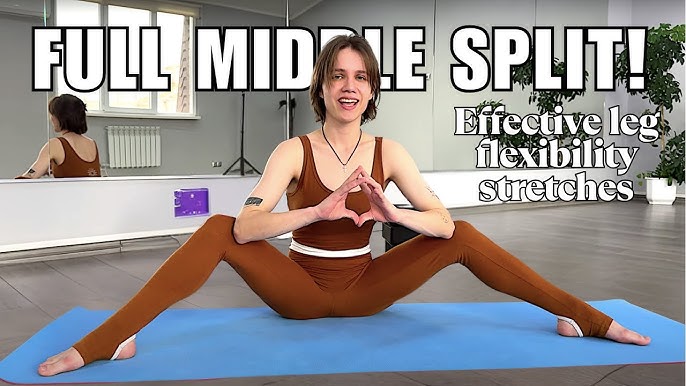
Are you eager to enhance your yoga practice by becoming more flexible, but unsure where to start? Imagine yourself easily flowing through poses, feeling the freedom in your muscles and joints, and experiencing a deeper connection with your body.
Flexibility isn’t just for seasoned yogis; it’s something you can achieve faster than you might think. In this guide, we’ll explore effective strategies to help you get flexible quickly, so you can enjoy the full benefits of yoga. By making a few simple changes to your routine, you’ll soon find yourself moving with ease and grace.
Ready to unlock your body’s potential? Let’s dive into the secrets of gaining flexibility fast for yoga.

Credit: www.youtube.com
Benefits Of Flexibility In Yoga
Yoga improves flexibility, enhancing movement and posture. A consistent practice reduces muscle stiffness and increases range of motion quickly.
Flexibility is a cornerstone of yoga, offering a multitude of benefits that extend beyond the mat. Enhancing your flexibility can transform your yoga practice, making poses more accessible and enjoyable. As you work on becoming more flexible, you’ll notice improvements not only in physical posture but also in your overall well-being.Improved Posture
Good posture is essential for maintaining balance and preventing injuries, both on and off the mat. When you’re flexible, your body aligns naturally, reducing strain on your muscles and joints. This alignment helps you stand taller and sit more comfortably. Imagine walking into a room with confidence, knowing your posture reflects your inner strength.Enhanced Mental Focus
Flexibility in yoga isn’t just a physical attribute; it also sharpens your mental focus. As you stretch and hold poses, your mind learns to concentrate and let go of distractions. This improved focus can carry over into other areas of your life, like work or personal projects. Are you ready to clear your mind and enhance your concentration?Increased Range Of Motion
Having a greater range of motion allows you to explore more advanced yoga poses. You’ll find yourself moving with ease and grace, tackling poses that once seemed impossible. Think of the satisfaction you’ll feel when you finally master that challenging pose you’ve been working on. More flexibility means more possibilities!Stress Relief
Yoga is renowned for its stress-relieving properties, and flexibility plays a crucial role in this. Stretching releases tension stored in your muscles, leaving you feeling relaxed and rejuvenated. As you stretch, you’re also giving your mind space to breathe and unwind. Isn’t it wonderful to feel calm and composed after a session?Better Circulation
Stretching and moving your body can improve blood circulation, delivering more oxygen to your muscles and organs. This boost in circulation aids in quicker muscle recovery and reduces the risk of injury. Picture your body functioning at its peak, fueled by efficient circulation. How does that sound for a health boost? Flexibility is not just a physical attribute; it’s a pathway to a healthier and more balanced life. As you continue your yoga journey, embrace the flexibility gains you make and enjoy the myriad benefits it brings.Pre-yoga Warm-up
Loosen up your body with a gentle pre-yoga warm-up. Focus on dynamic stretches to boost flexibility fast. Enhance your yoga practice by preparing muscles and joints, promoting comfort and ease.
Embarking on a yoga journey is exciting, but diving straight into poses without a warm-up can be risky. A proper pre-yoga warm-up prepares your muscles, enhances flexibility, and minimizes injury risks. This crucial step makes your practice more enjoyable and effective. Let’s explore two key elements of a successful pre-yoga warm-up.Gentle Cardio Exercises
Start with gentle cardio exercises to elevate your heart rate. This helps increase blood flow to your muscles, making them more pliable. Consider a brisk walk or light jogging in place for about five minutes. Jumping jacks or a few rounds of skipping rope can also get your blood pumping. You might even find dancing around your living room to your favorite tune a fun way to get moving. Whatever you choose, ensure it’s something you enjoy.Dynamic Stretching Techniques
Dynamic stretching is about moving parts of your body gradually and with control. This helps enhance your flexibility and prepares your muscles for the poses ahead. Try leg swings: stand on one leg and gently swing the other back and forth. Arm circles are also effective—extend your arms and slowly rotate them. Incorporate torso twists by standing with feet hip-width apart and gently twisting from side to side. These movements are not only practical but also add variety to your warm-up. Taking a few minutes for these activities can transform your yoga practice. How do you feel when you skip your warm-up? Give it a try and notice the difference.Key Yoga Poses For Flexibility
Flexibility is not just about bending your body; it’s about creating space and freedom in your movements. If you’ve ever felt stiff in a yoga class, you’re not alone. Luckily, there are specific poses that can help you gain flexibility faster. Let’s dive into some key yoga poses that will guide you on your journey to becoming more flexible.
Forward Bend Variations
Forward bends are excellent for stretching the hamstrings and releasing tension in the lower back. Start with a simple standing forward bend, or Uttanasana. As you hinge at your hips, let your arms hang towards the ground and feel the gentle pull in your legs.
Another variation to try is the seated forward bend, or Paschimottanasana. Sit on the floor with your legs extended and reach for your toes. Don’t worry if you can’t touch them yet; the aim is to lean forward gently, keeping your back straight and your heart open.
Practice these bends regularly, and you might be surprised at how quickly your flexibility improves. Have you tried holding each pose for a few deep breaths? It can make a significant difference in your progress.
Hip Opener Poses
Opening your hips can dramatically enhance your overall flexibility. Begin with the butterfly pose, or Baddha Konasana. Sit with your feet together and knees apart, gently pressing your knees towards the ground.
Pigeon pose, or Eka Pada Rajakapotasana, is another powerful hip opener. Bring one leg forward and extend the other leg behind you, aiming to lower your torso over your front leg. This pose not only stretches your hips but also provides a soothing release for tight muscles.
Engaging with hip openers can be transformative. Have you noticed how much lighter and more agile you feel after practicing these poses? Consider adding them to your routine and experience the change yourself.
Remember, yoga is a personal journey. What small steps can you take today to enhance your flexibility? Start with these poses, and you’ll be on your way to a more flexible you in no time.

Credit: www.youtube.com
Incorporating Props
Using props like blocks or straps can enhance flexibility in yoga practice. They help maintain proper alignment and ease into difficult poses. Props support gradual stretching, making it easier to achieve flexibility goals.
Incorporating props into your yoga practice can enhance flexibility. Props offer support and stability, making poses more accessible. They help ease tension and improve alignment, allowing for a deeper stretch. Beginners can benefit greatly from using props. They provide a safe way to explore new poses. Experienced yogis can also find value in props. They can deepen their practice and refine posture.Using Blocks
Yoga blocks can be a valuable tool. They act as an extension of the arms. Blocks help maintain balance and support. They are useful in standing poses like Triangle Pose. Blocks bring the floor closer, reducing strain. This aids in achieving proper alignment. Beginners find them particularly helpful in seated poses. Blocks elevate the hips, easing discomfort. They allow a more comfortable forward bend. Using blocks can improve flexibility over time.Benefits Of Straps
Yoga straps are versatile and beneficial. They assist in maintaining a proper grip. Straps are especially helpful in poses like Forward Fold. They extend the reach, allowing a deeper stretch. Straps help maintain alignment and prevent injury. They are excellent for improving posture. With straps, you can gradually increase flexibility. They provide gentle support in challenging poses. Straps also aid in releasing tension in tight muscles.Daily Stretching Routine
Daily stretching can boost your flexibility for yoga. It helps ease tight muscles and improve posture. A simple routine can make a big difference. Consistency is key. Aim for a mix of morning and evening stretches.
Morning Stretch Ideas
Start your day with gentle stretches. They wake up your muscles and prepare your body for the day. Here’s a quick routine:
- Cat-Cow Stretch:Helps with spine flexibility. Move between arching and rounding your back.
- Standing Forward Bend:Stretches your hamstrings and calves. Bend at the hips, letting your head drop.
- Downward Dog:A full-body stretch. Press your heels towards the ground.
Evening Relaxation Stretches
Evening stretches help you unwind. They release tension built up during the day. Try this routine before bed:
- Child’s Pose:A calming stretch for your back and hips. Breathe deeply to relax.
- Seated Forward Bend:Lengthens your spine. Reach for your toes and hold gently.
- Reclined Spinal Twist:Eases lower back tension. Lie on your back and twist gently.
Breath Control Techniques
Breath control techniques enhance flexibility for yoga by improving focus and relaxation. Deep breaths increase oxygen flow, aiding muscle stretch. Controlled breathing reduces tension, allowing smoother transitions into poses.
Breath control techniques are key to enhancing flexibility quickly in yoga. They not only help in calming your mind but also allow your muscles to relax more deeply, facilitating greater stretch and movement. Understanding how to use your breath effectively can transform your yoga practice, making it more fluid and enjoyable. By mastering breath control, you can support your body’s ability to stretch and achieve poses you once thought were impossible.Deep Breathing Exercises
Deep breathing exercises are your gateway to a more flexible body. Begin by sitting comfortably, closing your eyes, and focusing on your breath. Inhale deeply through your nose, letting your abdomen expand. Feel the air reaching the depths of your lungs. Exhale slowly through your mouth, releasing tension from your body. Try repeating this cycle for a few minutes daily. You’ll notice your muscles gradually relaxing, allowing them to stretch further. This practice not only aids flexibility but also helps in reducing stress and improving overall well-being.Breath And Movement Synchronization
Synchronizing your breath with movement can enhance the effectiveness of your yoga practice. Start with simple poses like the cat-cow stretch. As you inhale, arch your back, lifting your chest and tailbone upwards. As you exhale, round your spine, tucking your chin to your chest. This coordination of breath and movement encourages smoother transitions between poses. It feels almost like a dance, helping you achieve a rhythm that makes your yoga practice more fluid and dynamic. Have you ever noticed how dancers seem to glide effortlessly across the floor? You can achieve similar grace in your yoga practice by simply focusing on your breath. Remember, your breath is a powerful tool. Use it wisely, and watch your flexibility improve.Consistency And Commitment
Consistency and commitment are key to getting flexible fast for yoga. Regular practice boosts flexibility and enhances progress. Prioritize daily sessions, even if brief, to maintain focus and stay motivated.
Consistency and commitment are your best allies on the journey to getting flexible fast for yoga. You might wonder why these two qualities matter so much. The truth is, without regular practice and a dedicated mindset, progress can be slow and discouraging. Imagine trying to learn a new language by only practicing once a month. It wouldn’t work very well, right? The same principle applies to yoga. Consistent effort and a committed approach can lead to noticeable improvements in flexibility, allowing you to enjoy your practice more fully.Setting Realistic Goals
Begin by setting realistic goals for your flexibility journey. What does “flexible” mean to you? For some, it might mean touching their toes, while others might aim to master advanced poses. By clearly defining what you want to achieve, you create a roadmap for your practice. Consider breaking your goals into smaller, achievable milestones. This makes the journey less overwhelming and helps maintain motivation.Tracking Progress
Tracking your progress is an essential part of staying committed. It not only shows you how far you’ve come but also highlights areas needing more attention. You can keep a yoga journal where you note down your achievements and setbacks. Documenting even the smallest victories can boost your confidence and encourage you to keep going. Some people find taking photos or videos of their practice helpful. This visual record can reveal subtle improvements that you might not notice day-to-day. Reflect on your progress regularly. Are your efforts aligned with your goals? This reflection can inspire necessary adjustments to your practice routine. Consistency and commitment, coupled with realistic goals and tracking, form the foundation of effective yoga practice. You might face challenges, but the dedication to your practice will yield rewards beyond flexibility. Are you ready to commit to your yoga journey?Avoiding Injury
Achieving flexibility quickly for yoga helps prevent injury and enhances practice. Regular stretching and gentle poses improve muscle elasticity. Consistent practice and warm-ups ensure safer sessions.
Avoiding injury during yoga is crucial for a safe practice. Flexibility gains should come without pain or harm. Injuries can hinder progress and dampen enthusiasm. Safe stretching ensures steady improvement and enjoyment.Listening To Your Body
Yoga encourages awareness of one’s own body. Pay attention to how your muscles feel. Discomfort is a signal to ease off or stop. Pain indicates potential harm. Always respect your body’s limits. Progress takes time and patience.Signs Of Overstretching
Overstretching can lead to injury. Recognize signs to avoid harm. Common signs include sharp pain or soreness. Swelling or bruising may occur. Feeling weak or shaky is another indicator. If these signs appear, reduce intensity. Rest and recover before continuing.Nutrition And Hydration
Balanced nutrition and proper hydration enhance flexibility for yoga. Eating fruits, vegetables, and lean proteins nourishes muscles. Drinking water keeps joints lubricated, aiding movement.
Embarking on a journey to improve flexibility in yoga involves more than just stretching and poses. A crucial aspect often overlooked is the role of nutrition and hydration. What you eat and drink can significantly impact your ability to become more supple and agile. Proper nutrition supports muscle health and recovery, while hydration ensures your joints and tissues remain lubricated and resilient. Let’s explore how you can use nutrition and hydration to enhance your flexibility.Foods That Aid Flexibility
Eating the right foods can make a difference in your flexibility journey. Consider incorporating foods rich in omega-3 fatty acids, such as salmon and walnuts. These help reduce inflammation and support joint health. Leafy greens like spinach and kale are packed with magnesium, which is essential for muscle relaxation. You might find that adding these greens to your diet helps ease tension in your muscles, making those challenging yoga poses more accessible. Don’t forget about fruits, especially those high in vitamin C like oranges and strawberries. Vitamin C aids in collagen production, supporting the elasticity of your tissues. How can you add more of these nutrient-rich foods to your daily meals?Importance Of Staying Hydrated
Hydration is key to maintaining flexibility. Water acts as a lubricant for your joints and tissues, helping prevent stiffness and discomfort during your yoga practice. Aim to drink at least eight glasses of water a day, but adjust based on your activity level and climate. Consider starting your day with a glass of water. Adding a slice of lemon can enhance its detoxifying effect, giving your body the hydration it craves. Have you ever noticed the difference in your practice when you’re well-hydrated versus when you’re not? Herbal teas can also be a great addition, offering antioxidants and hydration. Try chamomile or peppermint tea for a soothing and refreshing drink. By prioritizing hydration, you can set a strong foundation for increased flexibility and a more enjoyable yoga experience.
Credit: www.tiktok.com
Frequently Asked Questions
How Can Beginners Improve Flexibility For Yoga?
Beginners can improve flexibility by practicing yoga poses regularly. Start with simple stretches to loosen muscles. Consistency is key; aim for 10-15 minutes daily. Incorporate breathing exercises to enhance relaxation. Gradually increase stretch duration and intensity. Over time, your flexibility will improve, making yoga easier and more enjoyable.
What Are Quick Tips For Becoming Flexible?
To become flexible fast, focus on dynamic stretches before yoga. Warm-up exercises like leg swings boost flexibility. Maintain a balanced diet rich in omega-3 for joint health. Stay hydrated to aid muscle recovery. Regular practice and patience are essential. Avoid pushing too hard to prevent injuries.
Is Flexibility Essential For Yoga Practice?
Flexibility enhances yoga practice but isn’t mandatory. Yoga improves flexibility over time, benefiting all fitness levels. Beginners should focus on consistency and proper form. Flexibility aids in achieving poses comfortably. It’s more important to listen to your body and progress at your own pace.
How Often Should I Stretch For Flexibility?
Stretching daily boosts flexibility effectively. Aim for at least 5-10 minutes of stretching exercises each day. Consistency enhances results, allowing gradual improvement in flexibility. Include a variety of stretches targeting different muscle groups. Regular practice ensures safer and smoother yoga sessions, supporting long-term flexibility goals.
Conclusion
Yoga flexibility improves gradually with practice and patience. Focus on stretching exercises daily. Listen to your body and avoid pushing too hard. Incorporate breathing techniques to enhance relaxation during stretches. Consistency is key; short sessions can be effective. Hydration and proper nutrition also support flexibility growth.
Yoga classes offer guidance and motivation, fostering progress. Celebrate small achievements and stay committed. Flexibility enhances overall well-being, making yoga more enjoyable. Embrace the journey towards flexibility and appreciate the positive changes. Start today, and notice gradual improvements over time.
Flexibility is achievable for everyone, with dedication and practice.