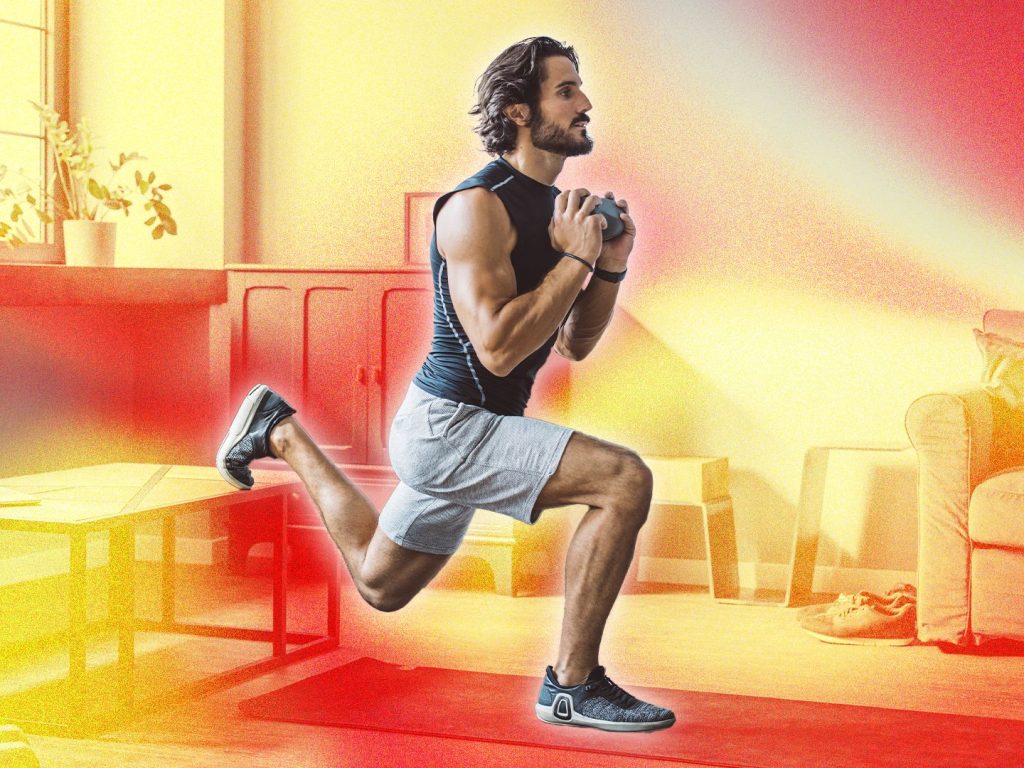
Imagine transforming your living room into the ultimate fitness haven. No more crowded gyms or intimidating equipment—just you and your space, ready to make magic happen.
“How to Properly Workout at Home” is your personal guide to unlocking the secrets of effective home workouts. You might wonder if working out at home can truly match the gym experience. The answer is a resounding yes, and you’re about to discover how.
This guide will show you the hidden techniques and smart strategies to turn your home into a powerhouse of fitness. Whether you’re a beginner or a seasoned fitness enthusiast, these tips will help you maximize every workout, ensuring you stay motivated and achieve your goals. Ready to feel the difference? Let’s dive in and redefine your home fitness routine!

Credit: www.gq-magazine.co.uk
Creating A Dedicated Workout Space
Designating a specific area at home for workouts can boost focus and motivation. Choose a space with enough room and good lighting. Stock it with essential equipment like mats and weights for an effective exercise routine.
Creating a dedicated workout space at home is crucial for maintaining consistency and motivation in your fitness routine. This space doesn’t need to be large or extravagant, but it should be inviting and functional. A well-arranged area can become a sanctuary where you can focus solely on achieving your fitness goals.Choose The Right Location
Finding the right spot in your home is the first step. Look for an area with enough room to move freely, whether it’s a corner of your living room or a spare bedroom. Ensure it’s away from distractions like TV or noisy appliances.Make It Inviting
Adding personal touches can make your workout space more appealing. Consider decorating with motivational posters or placing a small plant to bring life into the room. These elements can help create a positive atmosphere, making you more likely to stick with your exercise routine.Organize Your Equipment
Keep your workout gear organized. Use shelves or bins to store weights, yoga mats, and resistance bands neatly. This not only keeps your space tidy but also makes it easier to find what you need quickly.Ensure Safety
Safety should be a priority. Check for any hazards like slippery floors or sharp furniture edges. Use non-slip mats or rugs to prevent accidents, ensuring you can focus on your workout without worry.Consider Lighting And Ventilation
Good lighting and airflow make your workout space more comfortable. Natural light can boost your mood and energy levels, while proper ventilation keeps the area fresh. If possible, set up near a window to take advantage of both. Creating a dedicated workout space is more than just setting up equipment. It’s about crafting a personal area that inspires and motivates you every day. What changes will you make to your space to enhance your workout experience?
Credit: www.instagram.com
Essential Home Workout Equipment
Working out at home can be convenient and effective. To make the most of your home exercise routine, having the right equipment is essential. With a few key pieces, you can target different muscle groups and keep your workouts varied and interesting. Below, discover the essential home workout equipment that can enhance your fitness journey.
Resistance Bands
Resistance bands are versatile and easy to store. They are great for strength training and improving flexibility. With different levels of resistance, you can adjust the intensity of your workout. Use them for exercises like squats, lunges, and arm workouts.
Dumbbells
Dumbbells are perfect for building muscle. They come in various weights to suit different fitness levels. Use them for exercises such as bicep curls, shoulder presses, and chest flies. Dumbbells help in targeting specific muscles effectively.
Yoga Mat
A yoga mat provides comfort and stability. It’s ideal for floor exercises and stretching. It also offers a non-slip surface for yoga poses and Pilates. A good mat can protect your joints during workouts.
Jump Rope
Jump ropes are excellent for cardio workouts. They boost heart health and burn calories. A quick session can significantly improve your endurance. It’s a compact piece of equipment that doesn’t require much space.
Stability Ball
Stability balls enhance core strength and balance. They are great for exercises like crunches and planks. A stability ball can also improve posture. It adds variety to your workout routine.
Kettlebells
Kettlebells offer dynamic strength training. They are suitable for both beginners and advanced users. Use them for swings, squats, and lunges. Kettlebells help in building strength and endurance.
Foam Roller
Foam rollers aid in muscle recovery. They are essential for post-workout stretching. Foam rolling can reduce muscle soreness. It also improves flexibility and blood circulation.
- Resistance Bands
- Dumbbells
- Yoga Mat
- Jump Rope
- Stability Ball
- Kettlebells
- Foam Roller
Crafting A Balanced Routine
Creating a balanced home workout routine involves understanding your fitness goals and available space. Incorporate a mix of cardio, strength, and flexibility exercises to ensure comprehensive health benefits. Prioritize consistency and proper technique to maximize results and avoid injuries.
Crafting a balanced workout routine at home is essential for optimal fitness. It ensures your body gets the right mix of exercises to stay healthy. A well-rounded plan includes strength, cardio, and flexibility work. Each element plays a vital role in overall wellness. Let’s explore how you can structure these components effectively.Strength Training
Strength training builds muscle and boosts metabolism. Use bodyweight exercises like push-ups and squats. Try resistance bands for added challenge. Aim for two to three sessions per week. Focus on major muscle groups for balanced development. Include exercises for legs, chest, and back. Gradually increase intensity to avoid plateaus.Cardiovascular Exercises
Cardio keeps your heart healthy and burns calories. Engage in activities like jumping jacks or brisk walking. Aim for at least 150 minutes of moderate activity weekly. Mix high-intensity workouts with steady-paced ones. This improves endurance and keeps sessions exciting. Use online videos for guided routines.Flexibility And Mobility
Flexibility improves range of motion and prevents injury. Incorporate stretching into your routine. Try yoga or Pilates for added mobility benefits. Spend 10 to 15 minutes on flexibility exercises daily. Focus on areas prone to tightness, like hips and shoulders. Breathing deeply enhances relaxation during stretches. Crafting a balanced routine is about mixing these elements seamlessly. It ensures a comprehensive approach to fitness without leaving gaps. Regular adjustments keep your workouts engaging and effective.Warm-up And Cool-down Techniques
Starting your workout at home with warm-up routines prepares your body. It boosts flexibility and prevents injuries. Cooling down post-exercise relaxes muscles and aids recovery.
Warm-up and cool-down techniques are crucial for any workout. They prepare your body for exercise and help in recovery afterward. A proper warm-up increases blood flow and prepares muscles for action. Cooling down helps return your heart rate to normal and reduces muscle soreness. Knowing how to do these correctly enhances your workout experience and prevents injuries.Dynamic Stretching For Warm-up
Dynamic stretching involves moving parts of your body. It improves flexibility and increases heart rate. Examples include arm circles and leg swings. Perform these stretches for about five minutes.Cardio Warm-up Routine
Start with a light jog or jumping jacks. This raises your heart rate and warms your muscles. Spend five to ten minutes on cardio to get your blood flowing.Static Stretching For Cool-down
Static stretching involves holding a position for a period. It helps relax your muscles and improve flexibility. Examples include hamstring stretches and calf stretches. Hold each stretch for about 30 seconds.Deep Breathing Exercises
Deep breathing helps relax your body after a workout. It reduces stress and calms your mind. Inhale deeply through your nose and exhale through your mouth. Repeat this for a few minutes.Hydration And Nutrition Post-workout
Drink water to replenish lost fluids. Hydration is key to recovery. Have a small snack like a banana or yogurt. This helps repair muscles and gives your body energy.Utilizing Bodyweight Exercises
Bodyweight exercises offer an effective way to workout at home. These exercises improve strength, flexibility, and endurance without needing special equipment. Perfect for any fitness level.
Utilizing bodyweight exercises offers a convenient way to stay fit at home. These exercises require no special equipment and can be done in any space. They improve strength, flexibility, and endurance. Bodyweight workouts suit all fitness levels, making them accessible to everyone.Understanding Bodyweight Basics
Bodyweight exercises use your own weight to provide resistance. This helps build muscle and tone your body. Common exercises include push-ups, squats, and lunges. Consistent practice enhances muscle strength and stability.Benefits Of Bodyweight Exercises
Bodyweight workouts improve balance and coordination. They engage multiple muscle groups, leading to better functional fitness. These exercises also help improve cardiovascular health. Regular practice boosts energy and enhances mood.Creating A Routine
Start with a simple routine. Include exercises like squats, lunges, and push-ups. Perform each exercise for 10-15 repetitions. Rest briefly between sets. Gradually increase intensity as you gain strength.Tips For Effective Workouts
Warm up before starting to prevent injury. Focus on maintaining proper form during exercises. Keep movements controlled and deliberate. Listen to your body and rest as needed. Consistency is key to seeing results.Tracking Progress
Keep a journal of your workouts. Note the number of sets and repetitions. Track your progress over time. Celebrate small achievements to stay motivated. Adjust your routine as you get stronger.
Credit: www.instagram.com
Incorporating Resistance Bands
Resistance bands offer a versatile way to enhance home workouts. They add intensity to exercises, targeting different muscle groups effectively. Easily adjustable, they fit any fitness level and space, making them ideal for compact home gyms.
Working out at home doesn’t have to be mundane or ineffective. Resistance bands are a versatile tool that can add significant value to your fitness routine. They are portable, affordable, and suitable for all fitness levels. You might be surprised by how much a simple band can enhance your workout regimen. Let’s explore how you can effectively incorporate resistance bands into your home workouts.Why Use Resistance Bands?
Resistance bands provide tension throughout your movement, engaging your muscles more effectively than free weights. They are perfect for both beginners and seasoned athletes. These bands can help you build strength, improve flexibility, and enhance muscle tone.Choosing The Right Resistance Band
Not all resistance bands are created equal. They come in various thicknesses and lengths, each offering different levels of resistance. Start with a lighter band and gradually work up to heavier resistance as your strength improves.Basic Exercises With Resistance Bands
There are countless exercises you can perform with resistance bands. Here are a few to get you started:- Squats:Place the band around your thighs and perform squats as usual. The band will add extra resistance to your glutes and thighs.
- Bicep Curls:Stand on the band with both feet and hold the handles, then curl your arms up to work your biceps.
- Shoulder Press:Stand on the band and press upward to engage your shoulder muscles.
Creating A Routine
Consistency is key to any workout plan. Schedule your workouts just as you would any other important appointment. Aim for at least 30 minutes, three times a week. Mix resistance band exercises with cardio to maintain balance in your fitness routine.Tracking Your Progress
Keep a log of your workouts. Note which exercises you did, the number of sets and reps, and how you felt afterward. This can help you see improvement over time and adjust your routine as needed. Are you ready to see how far you can go?Safety Tips
Always inspect your resistance bands for wear and tear before each use. Ensure you have enough space to perform exercises safely, and maintain proper form to avoid injuries. Remember, quality over quantity always wins in fitness.Staying Motivated At Home
Maintaining motivation for home workouts requires a structured routine. Set clear goals and track progress regularly. Create a dedicated space to keep distractions at bay and stay focused.
Working out at home has its perks—no commute, personalized playlists, and the comfort of your own space. But staying motivated can be challenging when the couch is just a few feet away. How do you keep your energy up and maintain consistency in your workouts?Setting Realistic Goals
Begin by defining what you want to achieve. Do you want to lose weight, gain muscle, or simply feel healthier? Set goals that are achievable and specific. Instead of saying “I want to get fit,” try “I want to run 5 kilometers without stopping.” Break your goals down into smaller milestones. If your ultimate aim is to lose 20 pounds, start with a target of losing 5 pounds. Celebrate each small victory to build momentum.Tracking Progress
Monitor your achievements regularly to keep yourself inspired. Use a simple journal or app to log workouts and track improvements. Seeing your progress in black and white can be a powerful motivator. Consider using graphs or charts to visualize your journey. Watching the numbers change over time can boost your confidence and drive.Finding A Workout Buddy
Having someone to exercise with can make all the difference. A workout buddy can hold you accountable, push you harder, and make the process more fun. Whether it’s a friend, family member, or someone online, sharing the journey can enhance your commitment. Look for online communities or social media groups where you can connect with others on similar fitness paths. Sharing struggles and successes can provide encouragement and fresh ideas. Staying motivated at home requires a mix of personal determination and external support. What strategies have you found effective in keeping your workout routine alive?Ensuring Proper Form And Technique
Ensuring proper form and technique during home workouts is crucial for safety and effectiveness. Focus on slow and controlled movements to prevent injury. Pay attention to alignment and posture for better results.
Ensuring proper form and technique is crucial when working out at home. It not only helps prevent injuries but also maximizes the effectiveness of your workouts. Without a trainer by your side, it’s easy to develop bad habits, but with some attention to detail, you can maintain great form and achieve your fitness goals.Understanding The Basics Of Form
Before diving into any exercise, familiarize yourself with the basics. Watch tutorial videos or read trusted fitness guides. Take note of how professionals position their bodies during exercises. This knowledge serves as a foundation for your practice.Using Mirrors To Your Advantage
Mirrors are not just for checking your outfit. They help you monitor your form in real-time. Set up a mirror in your workout space to see if your body alignment matches what you’ve learned. This immediate feedback can be invaluable.Recording Your Workouts
Consider recording your workouts with your phone. Watching the playback allows you to spot any discrepancies between your form and the ideal technique. It’s like having a personal trainer who looks just like you!Listening To Your Body
Your body often sends signals when something is off. If you feel unusual pain, it might be a sign that your form needs adjustment. Pay attention to these signals to avoid injury and ensure you’re working the right muscles.Starting Slow And Building Up
When learning a new exercise, start with light weights or just your body weight. Focus on mastering the form before adding resistance or speed. This gradual approach builds a strong foundation for more challenging workouts.Seeking Feedback From Others
If possible, ask a friend or family member to observe your workout. They might catch something you missed. Their feedback can provide a fresh perspective and help refine your technique.Utilizing Online Resources And Communities
Join online fitness communities to connect with others who can offer advice and tips. Platforms like forums or social media groups can be a goldmine for learning and sharing experiences. This interaction can boost your confidence and provide new insights.Setting Up A Routine Check
Regularly schedule time to review and adjust your workout routine. As you progress, your form might change, and periodic checks ensure you’re on track. Keeping this in your routine helps maintain consistency and effectiveness. By focusing on these strategies, you can ensure your home workouts are both safe and productive. What techniques have you found helpful in maintaining proper form at home? Share your thoughts or experiences in the comments.Adapting Workouts For Limited Space
Transform home workouts with creative exercises. Use furniture for resistance, and focus on bodyweight moves. Maximize small areas for effective routines.
Adapting workouts for limited space is a common challenge. Many people think home workouts need lots of room. But that’s not true. You can do effective exercises in small spaces. It’s all about creativity and smart planning. Use furniture wisely and choose the right exercises. This helps maximize your workout without needing a gym-sized area.Utilizing Furniture
Your furniture can be a workout tool. Chairs are great for tricep dips. A couch can be used for step-ups. Use walls for wall sits. These exercises fit into small spaces. They also offer a variety of movements. This keeps your workout engaging.Choosing Compact Exercises
Compact exercises are ideal for small spaces. Think squats, lunges, and planks. These need little room but work many muscles. Focus on bodyweight exercises. They’re versatile and effective. Plus, they require no equipment.Implementing Interval Training
Interval training is perfect for limited space. Short bursts of intense activity followed by rest. This keeps the heart rate up and burns calories. Jumping jacks, burpees, or high knees are great choices. These exercises fit well into confined areas.Creating A Clear Workout Area
A clear workout area is essential. Remove clutter to make space. A tidy area keeps you focused. You don’t need much room. Just enough to move comfortably. This makes your workout safer and more efficient.Nutrition And Hydration Tips
Ensure balanced meals with proteins, carbs, and healthy fats before exercising. Keep a water bottle handy to stay hydrated throughout your home workout.
Proper nutrition and hydration are vital for effective home workouts. Eating the right foods fuels your body, while staying hydrated keeps you energized. Together, they enhance performance and aid recovery. Here’s how to maintain the best nutrition and hydration practices.Understanding The Right Balance Of Macronutrients
Your meals should have a balance of macronutrients. Carbohydrates give you energy. Proteins help build and repair muscles. Fats are essential for energy. Include whole grains, lean meats, and healthy fats in your diet.Timing Your Meals For Optimal Energy
Eat a small meal one to two hours before exercise. This provides the energy you need. Avoid heavy meals close to workout time. After exercising, refuel with a protein-rich snack or meal.Importance Of Staying Hydrated
Water is crucial for every workout. Drink water before, during, and after exercising. Aim for at least eight glasses of water daily. This ensures your body stays hydrated and functions well.Recognizing Signs Of Dehydration
Dehydration can hinder performance. Look for signs like dry mouth, dizziness, or fatigue. If you notice these, drink water immediately. Keeping a water bottle nearby can help you stay on track.Incorporating Electrolytes
During intense workouts, you lose electrolytes. Replenish them with sports drinks or electrolyte tablets. These help maintain fluid balance and muscle function. Choose options with less sugar for a healthier choice.Mindful Eating And Hydration Habits
Practice mindful eating by listening to your body’s hunger cues. Eat slowly and savor each bite. Keep track of your water intake throughout the day. Setting reminders can help you stay consistent.Leveraging Technology And Apps
Discover the benefits of using technology and apps for effective home workouts. These tools guide exercises, track progress, and offer tailored routines to suit your fitness level. Embrace digital solutions to maintain consistency and motivation in your home fitness journey.
Leveraging technology can transform your home workout experience. Fitness apps and devices make exercise more effective and enjoyable. They provide guidance, track progress, and keep you motivated. Let’s explore how you can use technology and apps for better workouts at home.Understanding Fitness Apps
Fitness apps offer diverse features. Some apps provide workout routines. Others help track your progress. Choose apps that match your fitness goals. Many apps offer free trials. This allows you to test their features.Wearable Fitness Devices
Wearable devices track your activity. They monitor heart rate and calories burned. Devices like smartwatches provide real-time feedback. This helps you adjust your workouts. Wearables can also remind you to move. Staying active is crucial for health.Streaming Workout Classes
Streaming services offer various workout classes. You can join live sessions or watch recorded ones. Classes include yoga, HIIT, and pilates. Choose classes that suit your interest. Many platforms offer classes for all fitness levels.Virtual Personal Trainers
Virtual trainers guide you through workouts. They offer personalized plans. This is perfect for those who need guidance. Virtual trainers are more affordable than in-person trainers. They help keep you accountable.Benefits Of Tracking Progress
Tracking progress boosts motivation. It shows how far you’ve come. Apps and devices make tracking easy. They display progress in charts and graphs. This visual feedback keeps you focused.Integrating Social Features
Many apps offer social features. Share your progress with friends. Join online fitness communities. These features foster a sense of belonging. They also provide support and encouragement.Ensuring Data Privacy
Data privacy is important. Choose apps that prioritize user privacy. Read their privacy policies. Understand how your data is used. Opt for apps with secure data practices.Frequently Asked Questions
How Can I Start A Home Workout Routine?
Begin by setting clear goals and creating a schedule. Choose exercises that target different muscle groups. Start with bodyweight exercises like push-ups and squats. Gradually incorporate equipment like dumbbells or resistance bands. Consistency is key; aim for at least three sessions per week.
What Equipment Do I Need For Home Workouts?
Basic equipment can enhance your home workouts. Consider investing in dumbbells, resistance bands, and a yoga mat. These tools are versatile for strength training and flexibility exercises. For cardio, a jump rope is effective. However, many exercises can be done without any equipment.
How Can I Stay Motivated To Workout At Home?
Create a dedicated workout space that inspires you. Set realistic goals and track your progress. Join online fitness communities for support. Switch up your routines to keep them interesting. Listen to motivating music or podcasts during workouts. Celebrate small achievements to maintain motivation.
Are Home Workouts Effective For Weight Loss?
Yes, home workouts can be effective for weight loss. Focus on high-intensity interval training (HIIT) and strength exercises. Combine your workouts with a healthy diet. Monitor your calorie intake and ensure you burn more calories than you consume. Consistency is crucial for achieving weight loss goals.
Conclusion
Working out at home doesn’t have to be complicated. Start with simple exercises. Build a routine that fits your lifestyle. Use household items as workout tools. Stay motivated by setting small goals. Remember, consistency is key. Listen to your body and rest when needed.
Home workouts can be effective with dedication. Enjoy your fitness journey. Make exercise a daily habit. Celebrate progress, no matter how small. Keep learning and adapting your routine. Exercise can boost both your body and mind. Feel the benefits over time.
Stay committed, and results will follow. Your health is worth the effort.