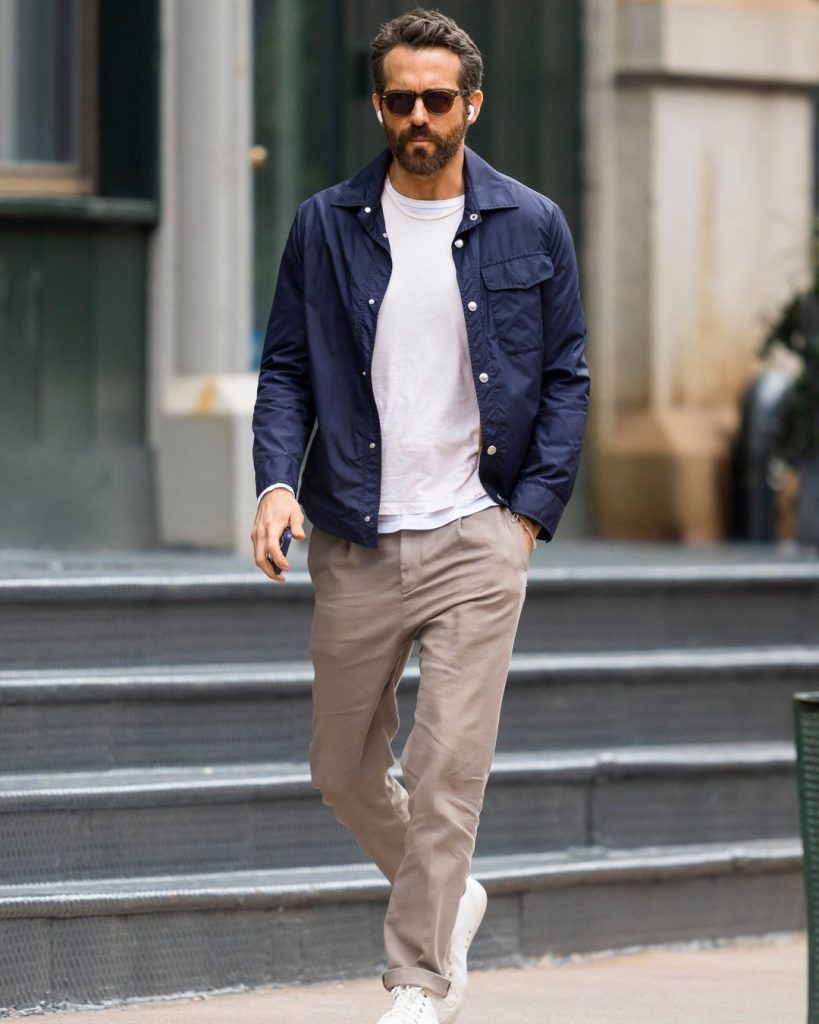
Struggling to find clothes that fit just right? You’re not alone.
Many men face the challenge of finding the perfect fit, and it can feel frustrating when nothing seems to work. But what if you could transform your shopping experience and always walk out with outfits that make you look and feel great?
The secret lies in understanding a few simple principles of fit and style. This guide will show you how to choose clothes that complement your body shape and personal style, leaving you confident and comfortable in every situation. Ready to redefine your wardrobe and elevate your look? Let’s dive into the steps that will change the way you shop for clothes forever.

Credit: savilerowco.com
Importance Of Proper Fit
Finding clothes that fit well is crucial for comfort and confidence. The right fit enhances appearance and ensures ease of movement. Properly fitting clothes make a significant difference in a man’s overall look.
Finding clothes that fit well is more than just a matter of comfort or style; it’s a crucial aspect of building a wardrobe that reflects confidence and personal flair. Proper fit can elevate your entire appearance, making you look polished and put-together without any effort. Ill-fitting clothes, on the other hand, can detract from even the most expensive or stylish pieces.Boosting Confidence Through Fit
Have you ever worn a suit that felt like a second skin? The confidence boost is undeniable. Properly fitted clothes enhance your body shape, making you feel more assured in social and professional settings. Imagine walking into a meeting or a date, knowing your outfit complements you perfectly. That feeling is invaluable and attainable with the right fit.Enhancing Personal Style
Your clothes are an expression of your personality. When they fit well, they highlight your unique style rather than overshadow it. A tailored shirt or well-fitted jeans can make simple outfits stand out. Think about your favorite celebrities or style icons; they often wear basics, but the fit makes all the difference.Maximizing Comfort
Comfort is key in any outfit. Properly fitting clothes allow you to move freely and comfortably, whether you’re at work or out with friends. Tight or loose garments can restrict movement or require constant adjustment, distracting you from enjoying the moment. Prioritizing fit ensures that your clothes serve you, not the other way around.Simplifying Shopping
Shopping becomes less of a chore when you know what fits you well. Instead of trying on endless options, you can quickly identify pieces that align with your measurements and preferences. This saves time and reduces frustration, allowing you to focus on finding styles you love. Next time you shop, remember that a good fit is your best shopping companion.Encouraging Smart Spending
Investing in well-fitting clothes is a wise financial decision. Quality pieces that fit well will last longer and require fewer replacements. This approach reduces the need for frequent shopping, ultimately saving you money. Consider the cost-per-wear of an item; a perfectly fitted piece often provides better value over time.Fostering A Positive Self-image
When you wear clothes that fit well, you’re likely to feel better about yourself. A positive self-image is crucial for mental well-being and can influence how others perceive you. Well-fitted clothes can help you embrace your body and showcase your best features. Ask yourself, how do you feel when you wear clothes that fit just right? The answer often lies in an elevated sense of self-esteem and satisfaction.Understanding Body Measurements
Finding clothes that fit perfectly is like discovering a hidden treasure. A crucial step in this quest is understanding your body measurements. Knowing your measurements can save you time, money, and the frustration of ill-fitting clothes. It empowers you to shop confidently, whether you’re browsing online or strolling through your favorite store. But how do you accurately measure your body?
Chest Measurement
Start with your chest, one of the most important measurements for shirts and jackets. Wrap a measuring tape around the fullest part of your chest, usually across the nipples, ensuring the tape is level with the ground. Stand relaxed, with your arms at your sides. Avoid holding your breath or puffing out your chest—you’re aiming for a true representation of your body. This measurement will guide you in selecting the right size for tops, ensuring neither too tight nor overly baggy clothing.
Waist Measurement
Next, focus on your waist. The waist measurement is crucial for trousers and jeans. Locate your natural waistline, typically above your belly button and below your rib cage. Use a measuring tape to encircle this area, ensuring it’s snug but not constrictive. If you have a bit of a belly, don’t suck it in—be honest with this measurement. It’s the key to avoiding jeans that pinch or fall down.
Inseam Measurement
The inseam is essential for finding the right length in pants and shorts. Grab a pair of pants that fit you well and measure from the crotch seam down to the hem. Alternatively, you can have someone help you measure from your crotch to the ground while you stand straight. This ensures your pants aren’t too short or dragging on the floor. An accurate inseam enhances your overall look, making you appear taller and more put together.
Shoulder Measurement
Shoulder measurements are vital for jackets and shirts. They determine how well a garment will sit across your back and shoulders. Ask a friend to help you measure from the edge of one shoulder to the other. This measurement is best done while wearing a well-fitting shirt. Proper shoulder fit prevents restricted arm movement and ensures a clean, tailored look.
Measuring your body might seem like a tedious task, but consider it a small investment with significant returns. How much time could you save by knowing your exact size? It’s not just about numbers; it’s about finding clothes that make you feel confident and comfortable. Take the plunge and measure yourself—your wardrobe will thank you.
Choosing The Right Size
Finding the right size in men’s clothing can feel challenging. Sizes differ across brands and countries, making it confusing. The right fit enhances comfort and style. Here’s how to navigate the sizing maze.
Deciphering Size Charts
Size charts are your best friend when shopping. They guide you to the perfect fit. Most brands provide a detailed chart. These charts list measurements like chest, waist, and inseam.
Always measure yourself before using a size chart. Use a flexible tape for accurate results. Compare your measurements to the chart. This helps you choose the best size.
European Vs American Sizes
European and American sizes differ significantly. European sizes generally run smaller. For instance, a European 50 might be an American 40. This varies by brand and clothing type.
Check the origin of the clothing brand. Brands often list size conversions. This makes it easy to find your size in different systems.
Vanity Sizing
Vanity sizing is common in clothing. Brands label larger clothes with smaller sizes. This trend boosts consumer confidence. It can also mislead about true size.
Don’t rely solely on size labels. Focus on fit and comfort. Try clothes on whenever possible. This ensures you get the best fit for your body.
Exploring Different Fits
Discovering the right fit for men’s clothing involves understanding body shape and personal style. Experiment with different cuts and sizes to find what feels comfortable and looks great.
Finding the perfect fit in clothing can be a game-changer for your style and confidence. With so many options available, understanding different fits is crucial. Whether you’re dressing for a casual day out or a formal event, the right fit makes all the difference. Let’s dive into exploring different fits to help you choose what works best for you.Slim Fit
Slim fit is all about creating a sleek silhouette. These clothes hug your body closely without being tight. If you prefer a modern, tailored look, slim fit is your go-to. It works well for office settings or parties where you want a sharp appearance. Choosing slim fit requires attention to detail. Ensure the shoulders align perfectly with your body, and the sleeves aren’t too long. This fit can accentuate your physique but avoid it if you prefer more room to move.Regular Fit
Regular fit offers a balanced option between slim and relaxed. It provides comfort without looking too loose or too tight. Ideal for everyday wear, regular fit clothes give you room to breathe while maintaining a neat look. This fit suits most body types and is versatile for various occasions. When picking regular fit, check that the fabric flows smoothly without excess bunching. It’s perfect if you like a classic, timeless style without compromising on comfort.Relaxed Fit
Relaxed fit is all about comfort and ease. It provides extra space in the fabric, allowing free movement. If you enjoy a laid-back style, relaxed fit is your best friend. It’s perfect for casual outings or when you want to unwind. When choosing relaxed fit, ensure it doesn’t overwhelm your frame. Look for items that drape well and don’t appear baggy. Do you want to feel comfortable all day without sacrificing style? Relaxed fit lets you do just that while keeping your look effortlessly cool. Which fit resonates with your personal style? Each has its unique appeal, so choose what makes you feel most confident.Fabric And Style Considerations
Finding clothes that fit well involves understanding fabric and style. The right fabric enhances comfort and appearance. Style considerations ensure your outfit suits the season and occasion.
Impact Of Fabric On Fit
Fabric choice greatly affects how clothes fit. Cotton is breathable and soft. It offers a relaxed fit. Wool provides warmth and structure. It maintains shape well. Linen is lightweight and cool. It suits warmer climates. Synthetic fabrics like polyester resist wrinkles. They offer durability but may feel less comfortable.
Consider fabric weight and stretch. Heavier fabrics offer more structure. Lightweight materials drape softly. Stretch fabrics allow movement. They provide a snug fit without restriction.
Seasonal Styles
Choosing styles based on seasons enhances your wardrobe’s versatility. In summer, opt for light fabrics like linen and cotton. They keep you cool. Bright colors and patterns add vibrancy. For winter, select wool or thicker materials. They provide warmth and comfort. Darker hues are often preferred.
Spring and fall require transitional styles. Layering works well during these seasons. A light jacket or sweater adds flexibility. Neutral colors blend easily with various outfits. Adapting your style to the season ensures comfort and relevance.
Shopping Tips For The Perfect Fit
Finding clothes that fit involves knowing your measurements and understanding different cuts and styles. Try on various brands to see what suits your body type best. Focus on comfort and ensure you can move easily.
Finding clothes that fit perfectly can feel like a daunting task for many men. Often, the struggle is not just about style but also about getting the right size and fit. The good news? With a few smart shopping tips, you can discover clothes that make you look and feel your best.Online Shopping Strategies
Online shopping offers a vast array of options, but it can be tricky when it comes to fit. Start by knowing your measurements. Use a flexible tape measure to get accurate readings of your chest, waist, inseam, and neck. Before purchasing, check the size chart specific to the brand. Sizes can vary significantly from one brand to another. Look for detailed reviews from other buyers, as they often provide insights into how true to size an item is. Don’t hesitate to utilize virtual fitting tools offered by some retailers. These can simulate how a garment might fit based on your measurements. If returns are free, consider ordering two sizes to see which fits better.In-store Fitting Rooms
Trying clothes on in-store can save a lot of guesswork. When you head to the fitting room, take a few different sizes with you. Clothes can fit differently depending on the cut and fabric. Move around in the clothes to test comfort and flexibility. Sit, bend, and stretch to ensure the garment holds up in real-world scenarios. It’s not just about standing still in front of a mirror. Seek assistance from store staff. They can provide valuable advice on fit and may suggest other options you hadn’t considered. Have you ever left a store empty-handed, only to discover that a simple alteration could have made something perfect?Tailoring Services
Sometimes, off-the-rack clothing needs a little tweak to achieve the perfect fit. Consider investing in tailoring services. A small adjustment can make a significant difference in how a garment looks and feels. Locate a trusted tailor near you. Ask friends or check online reviews for recommendations. Take a garment you already own to see the tailor’s work quality before entrusting them with new purchases. Think about the cost-to-benefit ratio. Spending a bit more on tailoring can extend the life of your wardrobe and boost your confidence. Have you ever worn a tailored piece and noticed how it transforms your entire demeanor? By implementing these strategies, finding clothes that fit well becomes less of a challenge and more of an enjoyable experience. Remember, the right fit isn’t just about looks—it’s about feeling great in what you wear.Common Fit Issues And Solutions
Finding clothes that fit well often challenges men. Understanding your body type helps in choosing flattering styles. Tailoring services can adjust garments for the perfect fit.
Finding clothes that fit well can be a challenge for many men. Whether you’re trying to nail the perfect trouser length or ensure your sleeves aren’t too long or short, common fit issues can disrupt your style game. But don’t worry—solutions are more accessible than you think. With a few adjustments, you can elevate your wardrobe from average to amazing. Let’s dive into solving some of the most persistent fit issues.Trouser Length Adjustments
Ever felt like your trousers are either flooding your ankles or dragging on the ground? You’re not alone. Many men struggle with trouser lengths that just don’t cut it. – Identify the perfect length: Stand straight and let your trousers graze the tops of your shoes. Too long? Consider a tailor. – Quick fixes: If you’re in a rush, try cuffing your trousers for a more casual look that keeps them off the floor. A simple alteration can transform your look from sloppy to sharp. Why not give it a try and see the difference?Sleeve Length Adjustments
Sleeves can make or break your shirt’s fit. Too short, and you look like you’ve borrowed someone else’s shirt. Too long, and you seem to be drowning in fabric. – Find your ideal sleeve length: Let the sleeve end where your wrist meets your hand. If it’s off, it’s time for a tweak. – DIY adjustments: Roll up your sleeves for a relaxed vibe or use sleeve garters for a vintage touch. A small change in sleeve length can significantly enhance your overall appearance. Are your sleeves telling the right story?Dealing With Tightness
Feeling constricted in your clothes is never pleasant. Tightness can ruin your comfort and confidence. – Spot the squeeze: Check for tension when you move, especially around shoulders and waist. – Solutions: Opt for clothes with stretch fabrics or visit a tailor to expand seams. Tight clothes don’t have to be a constant frustration. How much more confident would you feel if your clothes allowed you to move freely? Finding the right fit is a journey, not a destination. By addressing these common issues, you’re taking steps towards a wardrobe that complements your body and style. Are you ready to make your clothes work for you?
Credit: stylegirlfriend.com
Building A Versatile Wardrobe
Find clothes that fit well to build a versatile wardrobe. Choose pieces that complement your body shape. Opt for classic styles that offer comfort and flexibility.
Building a versatile wardrobe is essential for any man’s fashion journey. It provides a foundation for various outfits and occasions. A well-curated wardrobe saves time and ensures you always have something stylish to wear. Start by focusing on essential clothing pieces that can be mixed and matched to create different looks. This strategy not only maximizes your wardrobe’s potential but also helps you maintain a consistent style.Essential Clothing Pieces
Key pieces form the backbone of a versatile wardrobe. Begin with classic items that never go out of style. A crisp white shirt pairs well with almost anything. Dark jeans offer a casual yet polished look. A tailored blazer adds sophistication to any outfit. Choose a few quality t-shirts in neutral colors. These basics can be dressed up or down. Don’t forget a pair of well-fitted chinos. They are perfect for both casual and semi-formal settings.Mixing And Matching Styles
Once you have your essentials, think about mixing and matching. This approach creates multiple outfits without needing too many clothes. Pair your white shirt with jeans for a relaxed look. Swap jeans for chinos to elevate the ensemble. Layer a blazer over a t-shirt for smart casual events. Try combining different textures. A cotton shirt with a wool blazer can add depth to your look. Accessories like belts and watches can enhance your style. They bring a personal touch to your outfit. Focus on versatility. Each piece should work with multiple other items. This way, you can create many looks from a few pieces.Maintaining Your Clothes
Finding clothes that fit well for men involves knowing your measurements and understanding different fits. Try various styles to identify what complements your body shape. Prioritize comfort and mobility to ensure you feel confident in your attire.
Maintaining your clothes is essential for extending their lifespan. Proper care keeps them looking fresh and fitting well. Investing time in maintenance saves money and ensures your wardrobe lasts. Here are some tips to help you maintain your clothes effectively.Care Instructions
Understanding care labels is crucial. They guide you on washing, drying, and ironing. Follow these instructions to prevent damage. Use gentle detergents to preserve fabric quality. Wash clothes in cold water to reduce shrinkage. Avoid using too much detergent. It can cause build-up on fabrics. Dry clothes in the shade to prevent fading. Hang them properly to maintain their shape. Iron clothes at recommended temperatures. This prevents fabric damage and keeps them looking crisp.Handling Wear And Tear
Regularly inspect clothes for signs of wear. Small tears can grow if ignored. Fix minor issues promptly. Sew loose buttons back on before they fall off. Patch small holes to prevent them from enlarging. Use fabric glue for quick fixes on minor tears. Rotate your clothes to avoid excessive wear. Avoid wearing the same items daily. This helps distribute wear evenly across your wardrobe. Proper storage prevents unnecessary wear and tear. Use padded hangers for delicate fabrics. Fold heavy garments to avoid stretching. Store clothes in a cool, dry place. This prevents mold and fabric degradation. Regularly clean and organize your wardrobe. This keeps clothes in good condition and makes choosing outfits easier.
Credit: stylegirlfriend.com
Frequently Asked Questions
What Are Key Measurements For Men’s Clothing?
Accurate measurements are crucial for a good fit. Key measurements include chest, waist, hips, inseam, and sleeve length. Use a fabric measuring tape and follow guides for best results. Knowing these measurements helps in choosing the right size when shopping online or in-store.
How Do I Choose The Right Fit?
Consider your body type and personal style when choosing a fit. Options include slim, regular, and relaxed fits. Try different styles to see what feels comfortable. Ensure the fit allows easy movement without being too tight or loose. Comfort and confidence are key.
Why Is Fabric Important In Fit?
Fabric affects the comfort and fit of clothing. Stretchable fabrics like cotton or elastane adapt better to body shapes. Heavy fabrics might require more room for comfort. Choose breathable materials for everyday wear. Always check fabric details before purchasing to ensure it suits your needs.
How Often Should I Update My Wardrobe?
Update your wardrobe when your size changes or styles evolve. Regularly assess your clothing for wear and fit. Seasonal updates keep your wardrobe fresh and stylish. Consider sustainable practices like donating or recycling old clothes. Aim for quality over quantity in new purchases.
Conclusion
Finding clothes that fit well boosts confidence and comfort. Know your measurements. Explore different brands and styles. Tailor clothes for a perfect fit. Pay attention to fabric and cut. Experiment with colors and patterns. Always try clothes on before buying.
Keep it simple and stylish. Check online reviews for fit tips. Invest in quality, not quantity. Build a wardrobe that suits your lifestyle. Remember, fit is key to looking sharp and feeling great. Happy shopping!