Imagine walking into your next workout or sports session with the confidence that you’re less likely to get injured. Wouldn’t that be amazing?
You might have heard that being flexible can help you avoid injuries, but is this really true? Understanding the role flexibility plays in preventing injuries is crucial, whether you’re a seasoned athlete or just starting your fitness journey. We’ll dive into the connection between flexibility and injury prevention, and you’ll discover practical tips to enhance your flexibility safely.
Get ready to unlock the secrets of flexibility and empower your body to move more freely and securely. Keep reading to find out how you can make your workouts more effective and injury-free!
The Role Of Flexibility In Physical Health
Flexibility plays a significant role in your overall physical health. It’s not just about being able to touch your toes; it’s about ensuring your body can move efficiently and effectively. When you’re flexible, you can enjoy a wider range of motion, which is crucial for performing daily activities with ease and reducing the risk of injury.
The Science Behind Flexibility And Injury Prevention
Flexibility is often linked to reduced muscle strain. When your muscles are flexible, they can stretch without tearing, reducing the likelihood of injuries. This is particularly important during physical activities, where sudden movements can lead to strains if your muscles are tight.
Consider how flexibility affects your joints. Flexible joints are less likely to suffer from wear and tear because they can move smoothly without friction. This helps in preventing joint-related injuries and maintaining healthy cartilage.
Practical Ways To Improve Flexibility
Improving flexibility doesn’t require hours of stretching every day. Simple, consistent exercises can make a big difference. Activities like yoga or Pilates are excellent for enhancing flexibility, as they focus on stretching and strengthening muscles simultaneously.
Try incorporating dynamic stretches into your routine. These stretches, performed before exercising, help warm up your muscles and improve flexibility, preparing your body for more intense physical activities.
The Impact Of Flexibility On Everyday Activities
Flexibility isn’t just for athletes. It plays a crucial role in everyday activities, from bending down to pick up a child to reaching for something on a high shelf. Enhanced flexibility can make these movements smoother and more comfortable.
Think about how flexibility can improve your posture. With flexible muscles, maintaining a good posture becomes easier, reducing the risk of back pain and discomfort during long hours of sitting or standing.
Flexibility And Age: A Lifelong Journey
As you age, maintaining flexibility becomes increasingly important. It can help you stay active and independent, reducing the risk of falls and injuries. Regular flexibility exercises can improve your balance and coordination, which are crucial as you get older.
Have you noticed older adults who seem agile and active? Often, they have prioritized flexibility in their fitness routines. It’s a reminder that flexibility is not a one-time achievement but a lifelong commitment.
So, how flexible are you? Are you incorporating flexibility exercises into your routine? It’s never too late to start. Your body will thank you with improved physical health and reduced injury risk.

Credit: health.clevelandclinic.org
Types Of Flexibility
Flexibility is often touted as a key component in preventing injuries, but did you know there are different types of flexibility? Understanding these can help you tailor your exercise routine to maximize benefits and minimize risks. Each type of flexibility plays a unique role in how your body moves and reacts, potentially impacting your overall physical health.
Static Flexibility
Static flexibility refers to your ability to hold a stretch or position at the end range of motion. Imagine reaching down to touch your toes and holding that position—this is static flexibility in action. It is essential for maintaining muscle length and joint health.
Practicing static flexibility can help you improve posture and alleviate muscle tension. Consider incorporating stretches like the hamstring stretch or calf stretch into your daily routine. These stretches can be performed after workouts or during relaxation moments to enhance your body’s recovery process.
Dynamic Flexibility
Dynamic flexibility, on the other hand, involves movement through a range of motion with control and fluidity. Think of a dancer gracefully swinging their leg or an athlete warming up with arm circles. This type of flexibility is crucial for activities involving speed and power.
Dynamic flexibility is often developed through exercises that mimic the movements of your sport or daily activities. Try adding leg swings or walking lunges to your warm-up routine. These exercises not only prepare your muscles for action but also improve coordination and movement efficiency.
So, why not make flexibility a staple in your fitness journey? Are you focusing on the right type of flexibility for your goals? Understanding these distinctions can empower you to make informed decisions for your body’s well-being.
Common Beliefs About Flexibility And Injury Prevention
Flexibility is often linked to injury prevention in sports and exercise. Many believe stretching keeps muscles supple and reduces injury risk. This idea is popular in fitness circles and among athletes. But does flexibility really prevent injuries? Let’s explore common beliefs about this topic.
Many think flexible muscles are less likely to tear. This belief comes from the idea that flexible muscles can stretch without damage. It suggests that stretching before activities makes muscles ready for movement. But research shows mixed results on this claim.
Flexibility As A Key To Longevity In Sports
Some athletes credit flexibility for long careers without injury. They emphasize regular stretching routines as crucial for muscle health. This belief suggests that flexibility aids in maintaining balance and coordination. Yet, studies indicate that flexibility alone may not be enough.
Stretching Reduces Muscle Tension
Many argue stretching reduces muscle tension, preventing injuries. Stretching might help relax muscles and improve circulation. This can enhance performance and reduce strain during physical activities. But experts say the effectiveness varies among individuals.
Dynamic Vs. Static Stretching
Dynamic stretching involves movement-based stretches, while static stretches are held positions. Some believe dynamic stretching is better before exercise. They argue it prepares muscles for activity, reducing injury chances. Static stretching is often seen as more useful post-exercise.
Stretching As Part Of A Warm-up Routine
Incorporating stretching in warm-up routines is common. This practice is believed to prepare the body for intense activity. It aims to enhance flexibility and reduce injury risks. However, the impact of stretching in warm-ups remains debated among professionals.
Scientific Research On Flexibility And Injuries
Flexibility plays a crucial role in physical health and performance. Many believe it might prevent injuries. But what does science say? Research on the link between flexibility and injury is varied. Some studies support the idea, while others challenge it. Let’s delve into the scientific evidence on this topic.
Studies Supporting Flexibility For Injury Prevention
Some studies suggest flexible muscles help prevent injuries. Flexible muscles absorb stress better. This reduces strain during sudden movements. Athletes with good flexibility often have fewer injuries. They can move freely and perform efficiently. Dynamic stretching is highlighted in research. It prepares muscles for activity, reducing injury risk.
Studies Challenging The Flexibility-injury Link
Not all research agrees on flexibility’s benefits. Some studies find no direct link to injury prevention. They argue strength and conditioning are more crucial. Overemphasizing flexibility might lead to instability. This can increase injury risk. Other factors like technique and training load are vital. They influence injury rates more than flexibility alone.
Factors Influencing Injury Risk
Understanding the factors influencing injury risk is crucial for athletes and fitness enthusiasts. Being flexible can play a role, but it is not the only factor. Several elements contribute to the likelihood of injury during physical activities. Let’s explore these key factors.
Muscle Strength
Strong muscles support joints and absorb impact better. Weak muscles can lead to instability and increased injury risk. Building muscle strength helps maintain proper body alignment. It also improves overall performance in various activities.
Proper Technique
Using the correct technique reduces unnecessary strain on the body. Mistakes in form can lead to injuries over time. Learning proper techniques is essential for safe exercise. Coaches and trainers can guide athletes in mastering these techniques.
Training Load
Training load refers to the intensity and volume of workouts. Too much training can lead to fatigue and overuse injuries. Balancing training load ensures the body has time to recover. It is important to adjust training load based on individual needs.

Credit: m.facebook.com
Balancing Flexibility And Strength
Flexibility can help prevent injuries by allowing muscles to stretch properly during activities. Balanced flexibility and strength ensure joints move safely, reducing the risk of strains. Regular stretching and strength exercises promote better muscle coordination, minimizing injury possibilities.
Balancing flexibility and strength is crucial for preventing injuries. While flexibility aids movement, strength provides stability. Understanding how these elements interact can enhance your fitness routine.Understanding Flexibility
Flexibility allows muscles to stretch and move freely. It improves your range of motion. A flexible body can adapt to various exercises without strain.The Role Of Strength
Strength stabilizes and supports muscles during activity. Strong muscles protect joints and reduce injury risks. Building strength should complement your flexibility efforts.Finding The Right Balance
A balanced approach combines flexibility and strength. Focus on exercises that enhance both areas. This ensures your body is prepared for diverse physical demands.Exercises To Consider
- Yoga enhances flexibility and core strength.
- Pilates strengthens muscles while improving flexibility.
- Resistance training builds muscle strength effectively.
Benefits Of Balanced Training
Balanced training improves performance and reduces injuries. It leads to efficient movement patterns. Your body becomes resilient and adaptable.Common Mistakes
Ignoring strength can lead to instability. Overstretching may cause muscle tears. Avoid focusing on one aspect alone.Effective Ways To Improve Flexibility
Enhancing flexibility can lower injury risk by improving muscle and joint movement. Stretching regularly supports better physical performance. Incorporating dynamic exercises into your routine fosters greater mobility and stability.
Improving flexibility is a vital aspect of preventing injury and enhancing your overall physical performance. It’s not just about doing a few stretches before a workout; it’s about integrating flexibility into your lifestyle. By dedicating time and effort to increasing your range of motion, you can enjoy a healthier body that’s less prone to strains and sprains.Stretching Techniques
Stretching is a fundamental way to boost flexibility. Begin with dynamic stretching, which involves controlled movements that prepare your muscles and joints for activity. Think of leg swings or arm circles. Static stretching, where you hold a stretch for 15-30 seconds, is perfect for post-workout cooldowns. It helps lengthen the muscles and improve flexibility over time. Remember to breathe deeply and relax into each stretch to avoid tension. Consistency is key, so aim to stretch a few times a week. Have you noticed how animals instinctively stretch when they wake up? This natural habit is something we can all learn from to keep our bodies agile and ready for action.Incorporating Flexibility Into Routine
Integrating flexibility exercises into your daily routine doesn’t have to be a chore. Consider adding yoga or Pilates sessions, which are excellent for enhancing flexibility and core strength. If time is limited, even small changes can make a difference. Try stretching while watching TV or taking a break during work to do a quick series of stretches. A simple morning routine of gentle stretches can set a positive tone for the day. By making flexibility a regular part of your schedule, you can gradually improve your range of motion and safeguard your body against injuries. Have you ever thought about how much easier daily tasks could be with increased flexibility? Give it a try and feel the difference in your everyday life.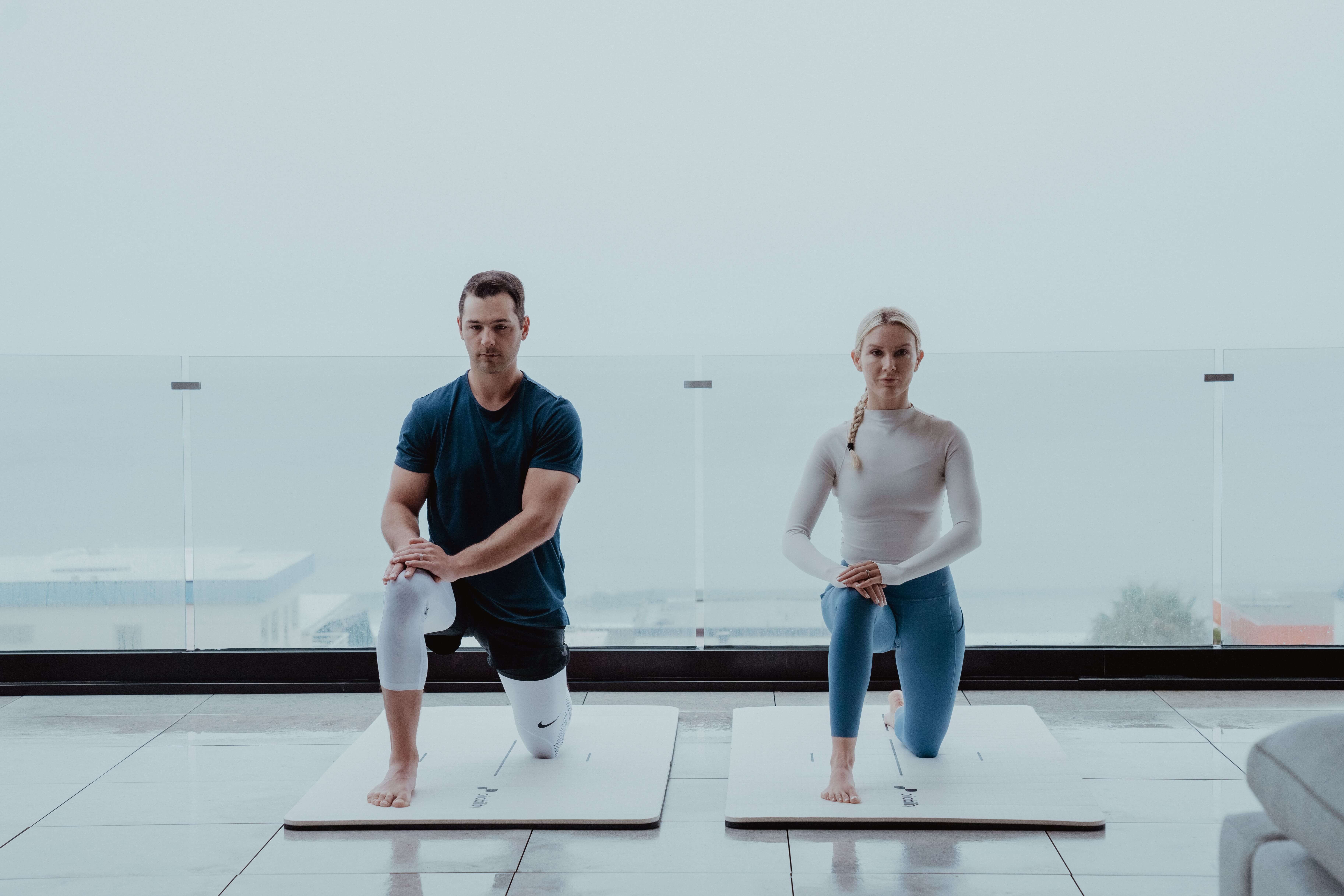
Credit: pliability.com
Expert Opinions On Flexibility And Injury
Flexibility experts suggest that increased flexibility may help reduce the risk of injury. Stretching can improve range of motion, potentially enhancing physical performance and safety.
In the fitness world, flexibility is often championed as a vital component of injury prevention. But does being flexible truly keep injuries at bay? Expert opinions on this topic vary, providing a nuanced perspective that is both enlightening and practical for anyone seeking to enhance their physical well-being. Let’s explore what seasoned professionals have to say about the relationship between flexibility and injury prevention.Understanding Flexibility’s Role In Injury Prevention
Experts agree that flexibility plays a role in maintaining muscle health and joint function. By regularly engaging in stretching, you can increase your range of motion, which might reduce the likelihood of strains and sprains. However, flexibility alone is not a magic bullet. It must be part of a balanced fitness routine that includes strength training and cardiovascular exercise for optimal results.The Potential Risks Of Over-flexibility
Interestingly, some experts caution against the pursuit of extreme flexibility. Hyper-flexibility can lead to joint instability, increasing the risk of injuries rather than preventing them. Consider gymnasts or dancers who often push their bodies to the limits. While their flexibility is impressive, they also face unique challenges in maintaining joint health.Personal Trainer Insights On Flexibility
Many personal trainers emphasize the importance of personalized fitness plans. Your flexibility routine should cater to your specific needs and fitness goals. One trainer shared an experience with a client who focused solely on stretching, neglecting strength training. This led to muscle imbalances and eventual injury, highlighting the need for a well-rounded approach.Role Of Dynamic Vs. Static Stretching
Dynamic stretching, which involves movement-based stretches, is often recommended before workouts. It prepares your muscles and joints for physical activity. In contrast, static stretching is best suited for post-exercise routines, aiding in muscle recovery and flexibility improvement.Practical Tips For Incorporating Flexibility Into Your Routine
To safely enhance your flexibility, consider these practical tips: – Warm up properly: Always begin with a gentle warm-up to prepare your muscles. – Listen to your body: Avoid pushing yourself into painful stretches. – Mix it up: Combine stretching with strength and balance exercises for comprehensive fitness. By understanding the expert perspectives and tailoring your approach, you can effectively use flexibility as a tool for injury prevention without compromising other aspects of your fitness regimen. How will you adjust your routine to ensure you’re not just flexible, but also strong and resilient?Practical Tips For Athletes
Flexibility aids in preventing injuries by enhancing muscle strength and joint mobility. Stretching exercises boost blood flow, reducing strain. Incorporating regular flexibility routines supports overall athletic performance and endurance.
Practical Tips for Athletes Engaging in sports can be thrilling, but it also comes with its risks. Athletes often wonder if flexibility can be their secret weapon against injuries. The answer isn’t black and white, but there are practical tips to help reduce the risk. Let’s dive into some strategies that can keep you on your game without unnecessary downtime.Warm-up Strategies
A good warm-up is your first line of defense against injuries. It prepares your body for the physical demands ahead. Start with light cardio, like jogging or jumping jacks, to get your blood flowing. Dynamic stretches should follow, targeting muscles you’ll use during your activity. Think leg swings or arm circles. These movements increase your range of motion and prepare your muscles for action. Don’t rush your warm-up. Take time to feel each movement. Your body will thank you later.Recovery Practices
Recovery is as vital as your workout. It’s the time your muscles need to repair and grow stronger. Cool down with static stretching to help your muscles relax and lengthen. Incorporate foam rolling into your routine. It helps release tension and improves blood flow to sore areas. You’ll feel the difference the next day. Hydration and nutrition play a crucial role too. Proper intake of water and nutrients aids in faster recovery. Are you giving your body what it needs to bounce back? Take these tips to heart and watch how they enhance your athletic performance. Flexibility alone isn’t the answer, but it’s a critical piece of the puzzle. Stay proactive about injury prevention and keep pushing your limits safely.Frequently Asked Questions
Can Flexibility Reduce Risk Of Injuries?
Flexibility can help prevent injuries by improving range of motion. It allows muscles and joints to move freely. This can reduce strain during physical activities. Regular stretching is essential for maintaining flexibility. It helps in minimizing muscle imbalances and stiffness.
This promotes overall physical health and reduces injury risks.
Is Stretching Important For Injury Prevention?
Stretching is crucial for preventing injuries. It increases blood flow to muscles, preparing them for exercise. Stretching helps maintain flexibility and balance. It reduces muscle stiffness and tension, lowering injury risks. Incorporating dynamic and static stretches into your routine is beneficial.
This ensures muscles are ready for physical challenges.
How Does Flexibility Affect Muscle Performance?
Flexibility enhances muscle performance by improving range of motion and strength. Flexible muscles can perform tasks more efficiently. They reduce the likelihood of strains and tears. Flexibility aids in better posture and movement patterns. This can lead to enhanced physical performance and reduced injury risks in various activities.
Are Flexible Muscles Less Prone To Injury?
Flexible muscles are generally less prone to injuries. They can absorb shocks and stresses more effectively. This reduces the risk of tears and strains. Flexibility helps in maintaining proper alignment during activities. It minimizes the chances of overuse injuries. Regular stretching and exercises enhance muscle elasticity and resilience.
Conclusion
Flexibility plays a vital role in injury prevention. Stretching helps muscles stay limber. This reduces strain during physical activities. Regular stretching routines can enhance performance. It also helps in maintaining muscle balance. Incorporating flexibility exercises is easy. Start with simple stretches daily.
Over time, you’ll notice improved movement. Remember, listen to your body. Avoid overstretching, which can cause harm. Consistency is key. A flexible body supports an active lifestyle. It helps prevent injuries and boosts overall health. Prioritize flexibility for a safer exercise routine.
Stay committed, stay safe, and enjoy your activities.