Do you ever wonder if knee wraps could be your secret weapon against injuries? You’re not alone.
Many people, whether athletes or fitness enthusiasts, have asked the same question. Picture this: you’re about to lift that heavy weight, push through an intense workout, or embark on a long run. The last thing you want is to end up sidelined by a knee injury.
Imagine feeling confident, knowing your knees are protected and supported. Knee wraps promise just that, but do they really deliver? Dive into this article to uncover the truth about knee wraps and their role in injury prevention. Keep reading to discover how they could impact your performance and safety.
Knee Wraps Basics
Knee wraps are popular among athletes and fitness enthusiasts. They provide support during intense workouts. Understanding the basics of knee wraps can help you decide if they’re right for you. Let’s explore their purpose and design, and the different types available.
Purpose And Design
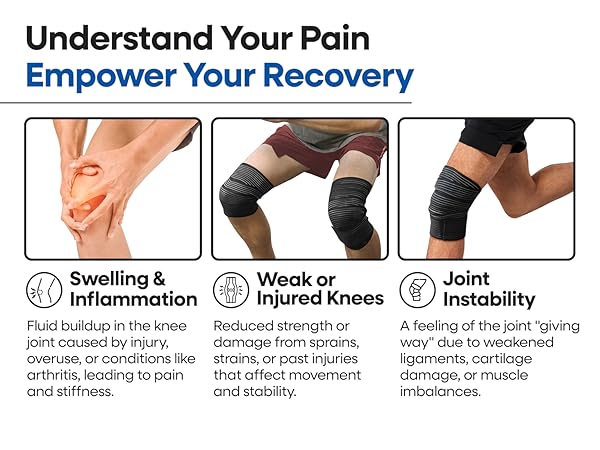
Knee wraps are designed to stabilize the knee joint. They offer compression, which reduces swelling and pain. The wraps help increase blood flow to the area. This can improve recovery after workouts. Knee wraps are made from elastic materials. They provide a snug fit around the knee. This allows for better control and movement during exercises.
Types Of Knee Wraps
There are several types of knee wraps to choose from. Powerlifting wraps are thick and provide maximum support. They are great for heavy lifting. Neoprene sleeves offer moderate compression. They are ideal for general workouts. Cotton wraps are flexible and lightweight. They are suitable for endurance activities.
Each type has its unique benefits. Consider your needs before choosing. Proper knee wrap usage can enhance performance and reduce injury risk.
Common Myths
When it comes to knee wraps, there are many misconceptions floating around. Some people believe these wraps can protect you from all injuries or instantly make you stronger. While they are useful, it’s important to understand what knee wraps can and cannot do. Let’s debunk some common myths that might be misleading you.
Myth Of Universal Protection
Knee wraps are not a magic shield against all knee injuries. While they do offer support and stability, especially during heavy lifts, they can’t prevent every possible harm. Imagine them like a seatbelt; they offer protection, but driving safely is still crucial.
Are you relying solely on knee wraps for safety? It’s essential to maintain proper form and technique. Think of knee wraps as an additional layer of support, rather than a complete solution. Remember, injury prevention starts with smart training habits.
Myth Of Instant Performance Boost
Some believe knee wraps can make you instantly stronger. While they can help you lift heavier by providing stability, they won’t transform your performance overnight. It’s like wearing new running shoes; they might enhance your comfort, but they won’t make you faster without practice.
If you’re expecting immediate results, you might be disappointed. Consistent training and strengthening your muscles are key. Knee wraps can assist, but they’re not a substitute for hard work and dedication. Are you focusing on the right areas to improve your performance?
Scientific Insights
Knee wraps are often used by athletes and fitness enthusiasts. They are believed to provide support during heavy lifting. But, do they really prevent injuries? Scientific studies offer insights into this question.
Research On Injury Prevention
Several studies have explored knee wraps and injury prevention. Some research indicates they may reduce the risk of knee injuries. Athletes who use knee wraps often report feeling more secure. A feeling of stability can sometimes lead to fewer injuries.
Yet, not all studies agree. Some researchers found no significant reduction in injury rates. They suggest that knee wraps might give a false sense of security. This might lead to increased risk-taking during exercise.
Impact On Knee Mechanics
Knee wraps impact how the knee moves. They compress the knee joint, which can change mechanics. This compression often leads to improved knee stability. It can also increase the load a person can lift.
However, altered mechanics might not always be beneficial. Some experts warn that reliance on wraps can weaken natural knee strength. Over time, muscles around the knee might not develop fully. This could lead to increased injury risk without wraps.
Athlete Perspectives
Athletes often debate the effectiveness of knee wraps in preventing injuries. Their perspectives offer valuable insights. Many lifters and athletes share experiences that highlight both advantages and limitations. These personal accounts can guide others in making informed decisions.
Feedback From Lifters
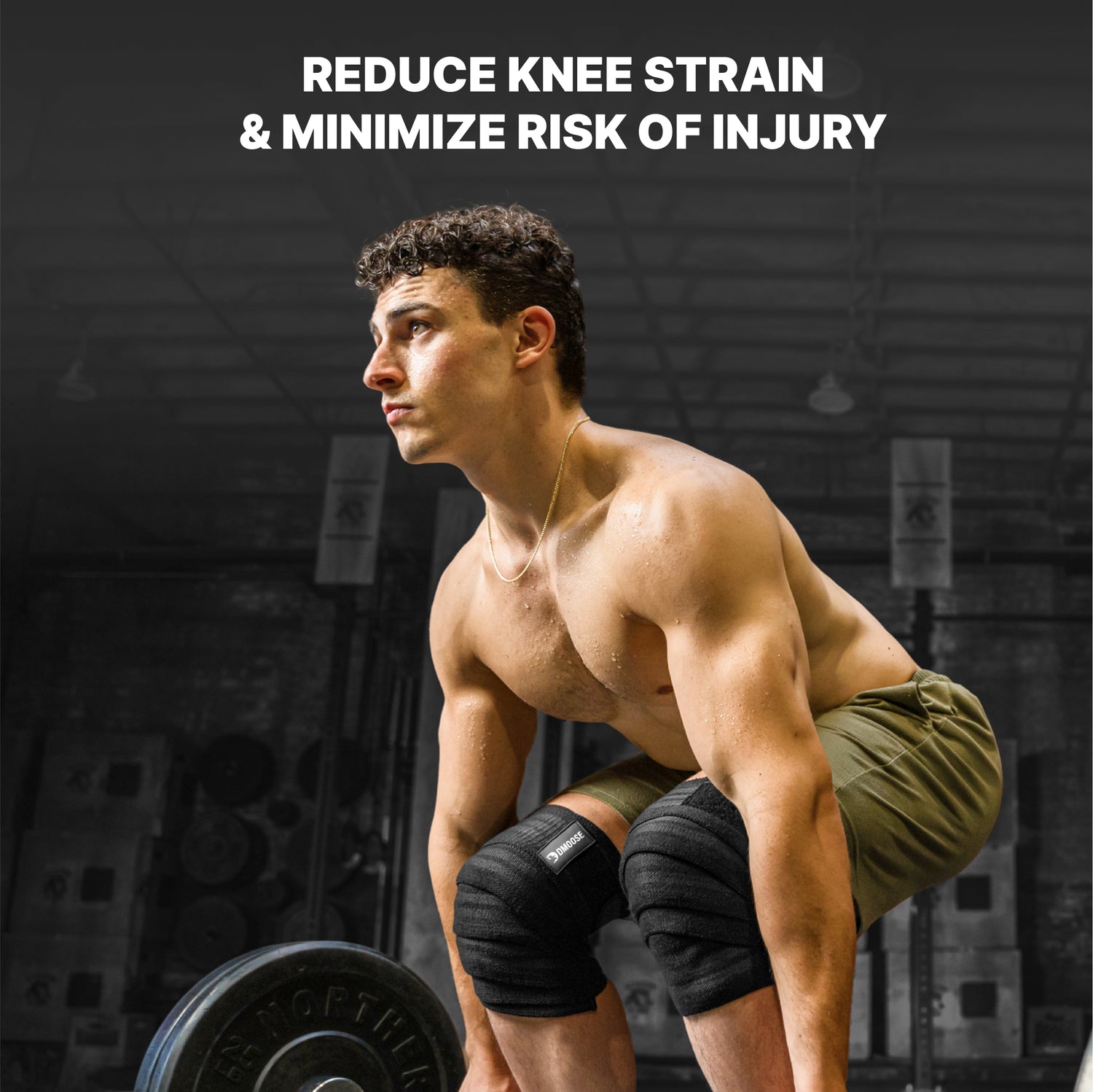
Lifters frequently discuss knee wraps during training sessions. Many believe wraps provide stability during heavy lifts. Some report feeling more confident when lifting with wraps. They mention reduced knee strain and improved performance. Yet, not all feedback is positive. A few lifters feel wraps restrict movement. They claim this limitation affects their technique. The mixed feedback suggests individual preferences matter.
Comparisons With Other Supports
Athletes often compare knee wraps with other supports. Knee sleeves are a popular alternative. They offer compression without the tightness of wraps. Some athletes prefer sleeves for their flexibility. Braces provide more rigid support. They are often used for injury recovery. Each option has its pros and cons. Personal comfort and specific needs influence choice. Listening to fellow athletes helps in selecting the right support.
Proper Usage Techniques
Proper knee wrap usage can provide support and reduce strain during workouts. Ensuring a snug fit enhances stability. Wearing them correctly may help minimize injury risks.
Understanding the proper usage techniques for knee wraps is crucial to maximize their benefits and prevent potential injuries. Knee wraps can be a great tool, but like any fitness accessory, they need to be used correctly to be effective. By learning when and how to use them, you can enhance your performance and protect your knees.
When To Use Knee Wraps
Knee wraps are typically used during heavy lifting sessions, such as squats or leg presses. They provide additional support to your knees, allowing you to lift more weight safely. However, using them during every workout might hinder the natural strengthening of your knee joints and surrounding muscles. Consider using knee wraps if you’re lifting weights that are close to your maximum capacity. They can be particularly beneficial during competitions or when you’re pushing for a personal best. Remember, knee wraps should complement your workout, not compensate for poor form or technique.
Correct Wrapping Methods
To get the most out of your knee wraps, it’s essential to wrap them correctly. Begin by placing the end of the wrap at the base of your knee, just below the kneecap. Wrap it snugly around your leg, overlapping each layer by about half the width of the wrap. Ensure the wrap is tight enough to provide support but not so tight that it cuts off circulation. You should be able to move your knee without discomfort. A well-wrapped knee should feel secure and stable. Practice wrapping your knees at home before heading to the gym. This will help you find the right balance between support and comfort. Watching a tutorial or asking a trainer for guidance can be incredibly helpful. By mastering these techniques, you can confidently incorporate knee wraps into your fitness routine. Are you ready to take your lifting game to the next level with this added support?

Credit: www.cnn.com
Potential Risks
Knee wraps are popular among athletes and fitness enthusiasts. They offer support and stability during heavy lifts. Yet, they come with potential risks. Understanding these risks can help users make informed decisions.
Overreliance Concerns
Using knee wraps too often can lead to overreliance. Muscles may weaken if they are not used properly. This can decrease natural knee strength over time. Users might feel dependent on wraps for stability. This dependence can hinder muscle development and performance.
Possible Joint Stress
Tight knee wraps can add stress to joints. This pressure might restrict natural movement. It can lead to discomfort or pain. Over time, the added stress can affect joint health. Users should ensure proper wrap tension to avoid issues. Adjusting tension can help maintain joint integrity.
Alternatives To Knee Wraps
Are you exploring alternatives to knee wraps for injury prevention? Knee wraps provide compression and stability, but some prefer other options. These alternatives offer different benefits for supporting your knees during workouts. Consider these effective solutions for keeping your knees safe and strong.
Knee Sleeves
Knee sleeves are a popular choice for many athletes. They provide warmth and compression to the joint. This helps in reducing pain and swelling during exercises. They are easy to put on and remove. Unlike knee wraps, sleeves allow a full range of motion. This makes them ideal for various activities like running or weightlifting. Knee sleeves can also enhance proprioception, helping you stay more aware of your knee movements.
Supportive Exercises
Strengthening the muscles around the knee is crucial. Supportive exercises can build resilience and prevent injuries. Focus on exercises that target the quadriceps, hamstrings, and calves. Squats, lunges, and leg presses are excellent choices. Low-impact activities like swimming or cycling can also boost knee strength. Consistent training helps improve muscle balance and joint stability. This reduces stress on the knees during physical activities.

Credit: www.amazon.com
Credit: www.dmoose.com
Frequently Asked Questions
Do Knee Wraps Help Prevent Knee Injuries?
Knee wraps provide support during heavy lifting, helping stabilize the knee joint. They reduce stress on the knees and can enhance performance. However, while they offer protection, they don’t guarantee injury prevention. Proper technique and training are crucial for avoiding injuries.
Can Knee Wraps Improve Lifting Performance?
Yes, knee wraps can improve lifting performance by providing compression and stability. This can lead to increased strength and confidence during lifts. They help generate more power through the knees, allowing lifters to lift heavier weights safely.
Are Knee Wraps Suitable For All Exercises?
Knee wraps are primarily used for exercises involving heavy loads, like squats and deadlifts. They are not necessary for lighter exercises or movements requiring full range of motion. Using them appropriately is essential for maximizing benefits and avoiding dependence.
How Do Knee Wraps Compare To Knee Sleeves?
Knee wraps are designed for maximum support and compression during heavy lifting. Knee sleeves offer mild compression and warmth, aiding recovery and comfort. Wraps are tighter and adjustable, while sleeves provide consistent pressure, suitable for ongoing support during workouts.
Conclusion
Knee wraps offer some support during weightlifting. They stabilize the joint. This might reduce injury risk. Yet, they aren’t foolproof. Proper technique remains vital. Listen to your body. Pay attention to any discomfort. Combine knee wraps with good training habits.
This ensures a balanced approach. Consult a trainer for guidance. They can tailor advice to your needs. Remember, safety comes first. Knee wraps are just one tool. Use them wisely. Stay informed and make smart choices. Protect your knees. Keep lifting enjoyable and safe.