
Are you tired of feeling like your neck is constantly being overshadowed by your other muscles? Building strong neck muscles doesn’t require a gym membership or fancy equipment.
You can achieve impressive results right at home with just a little guidance and consistency. Imagine walking into a room with confidence, knowing your neck is as powerful as the rest of your physique. This article will show you exactly how to get there.
We’ll explore simple exercises and techniques that you can do in the comfort of your home, transforming your neck into a symbol of strength and stability. Ready to turn heads and boost your confidence? Let’s dive in!
Benefits Of Strong Neck Muscles
Building neck muscles at home enhances posture and reduces neck pain. Strong neck muscles support your head, improve balance, and protect against injuries. Simple exercises like neck stretches and resistance training can be done with minimal equipment, promoting overall neck health and strength.
Building strong neck muscles has many benefits for overall health. A strong neck supports the head and improves posture. It reduces tension and helps prevent injuries. Strengthening these muscles can enhance your physical appearance. It provides stability and balance during physical activities. It also boosts confidence and self-esteem.
Improved Posture
Good posture starts with a strong neck. It aligns the spine and shoulders. It reduces strain on the back and neck muscles. This can prevent chronic pain and discomfort.
Reduced Risk Of Injury
Strong neck muscles protect against injuries. They support the head during sudden movements. This is especially important in sports or everyday activities. It decreases the risk of strains and sprains.
Enhanced Athletic Performance
Athletes benefit from strong neck muscles. They improve balance and coordination. This leads to better performance in various sports. It also aids in quicker recovery after workouts.
Improved Breathing
A strong neck assists in better breathing. It opens airways and supports lung function. This is crucial for overall health and energy. It enhances endurance during physical activities.
Boosted Confidence
A strong neck improves appearance. It gives a toned and firm look. This boosts self-esteem and confidence. It positively affects social interactions and personal image.
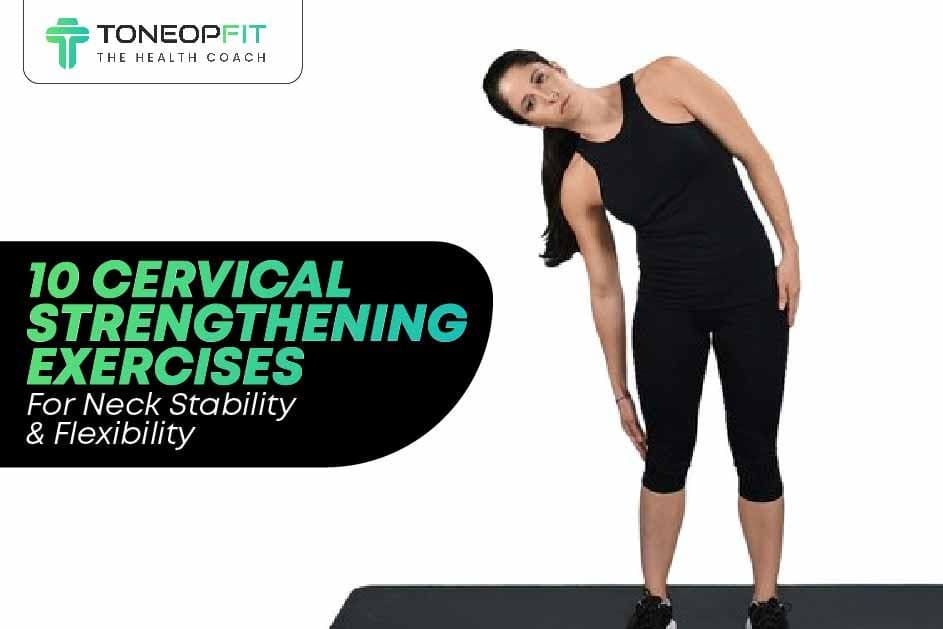
Credit: toneopfit.com
Understanding Neck Anatomy
Building neck muscles at home involves simple exercises and understanding neck anatomy. Focus on resistance training using household items like towels for effective results. Regular practice enhances muscle strength and improves posture.
Understanding the anatomy of your neck is crucial for building muscles effectively. The neck consists of several important muscles that contribute to strength and stability. Knowing these muscles helps you target them correctly during exercise.
Understanding Neck Muscles
The neck is made up of various muscles. The sternocleidomastoid runs along the side of the neck. It helps turn your head and lift your chin. The trapezius extends from the back of your neck down to your mid-back. It supports shoulder movement and neck rotation. The levator scapulae connects the neck to the shoulder blade. It assists in lifting the shoulders and stabilizing the neck.
The Importance Of Neck Muscle Strength
Strong neck muscles are vital for daily activities. They support your head’s weight and improve posture. Neck strength reduces the risk of injury. It also enhances athletic performance and aids in tasks requiring head movement.
Common Neck Muscle Groups
Different neck muscles serve various functions. The anterior neck muscles are responsible for forward movements. Posterior neck muscles help with backward tilts. Lateral muscles allow side-to-side motions. Each group plays a distinct role in neck mobility.
Visualizing Neck Muscle Structure
Visual aids can enhance understanding. Diagrams illustrate muscle locations and functions. Images highlight how muscles connect and interact. These tools can guide your exercise routine effectively.
Essential Warm-up Exercises
Building neck muscles at home starts with essential warm-up exercises. Begin with gentle head rotations and nods to increase flexibility. Incorporate shoulder shrugs and neck tilts for effective muscle engagement. Regular practice enhances strength and prevents injuries.
Building neck muscles at home begins with a crucial step: warming up. Ensuring your neck is properly warmed up before exercising reduces the risk of injury and enhances your performance. Essential warm-up exercises prepare your muscles for the workout ahead, promoting flexibility and circulation.
Neck Rotations
Neck rotations are simple yet effective. Stand or sit up straight and slowly rotate your head in a circular motion. Complete five circles clockwise, then switch to counterclockwise. This exercise helps loosen any tension in your neck. It’s a great way to start your workout, ensuring your muscles are ready to engage.
Chin Tucks
Chin tucks can be done anywhere, even while watching TV. Sit or stand with your back straight. Gently tuck your chin towards your chest, feeling a stretch at the back of your neck. Hold the position for a few seconds before releasing. This exercise strengthens the front neck muscles and improves posture. You might be surprised at how much tension it releases.
Side Stretches
Side stretches are perfect for targeting the sides of your neck. While standing or sitting, tilt your head towards one shoulder, holding the stretch for a few seconds. Repeat on the opposite side. Incorporating these stretches into your routine can enhance flexibility. Ask yourself, have you ever felt stiffness in your neck after a long day at work? These stretches might just be the relief you need. By dedicating a few minutes to these essential warm-up exercises, you’re laying the foundation for a more effective neck workout. Not only do they prepare your muscles, but they also contribute to your overall neck health.

Credit: uk.aqfsports.com
Bodyweight Exercises
Enhance neck muscles at home with bodyweight exercises. Simple moves like chin tucks and neck bridges target strength. Consistency and proper form are key for effective results.
Bodyweight exercises offer a convenient way to build neck muscles at home. They require no equipment and can be done almost anywhere. Consistent practice improves strength and stability. Here are some effective exercises to get started.
Neck Bridges
Neck bridges strengthen the neck and upper back. Lie on your back and bend your knees. Lift your hips, resting your weight on your head and feet. Hold this position for a few seconds. Gradually increase the hold time as strength improves. Ensure the neck is comfortable and avoid straining.
Isometric Holds
Isometric holds engage neck muscles without movement. Sit or stand in a relaxed position. Use your hand to gently press against your forehead. Resist the pressure, keeping your head still. Hold for several seconds. Repeat this exercise on the sides and back of the head. Focus on maintaining steady resistance.
Neck Flexions And Extensions
Neck flexions and extensions improve flexibility and strength. Sit comfortably and slowly lower your chin to your chest. Hold for a moment, then lift your head back up. Extend your neck gently backward, looking up. Return to the starting position. Repeat several times, maintaining smooth and controlled movements.
Using Resistance Bands
Resistance bands provide an effective way to build neck muscles at home. They’re versatile and easy to use. Incorporate band exercises like neck extensions and lateral flexions for targeted muscle growth.
Building neck muscles at home can be simple and effective, especially when you have resistance bands at your disposal. These versatile tools can be used to enhance your neck workouts, providing the necessary tension to build strength and muscle. The best part is, resistance bands are budget-friendly, portable, and easy to store—perfect for at-home exercises. Before you start, ensure you choose a band that offers enough resistance to challenge you, but not too much that it compromises your form.
Neck Extension With Bands
To perform the neck extension exercise, anchor the resistance band to a secure spot at head height. – Position yourself: Stand or sit facing away from the anchor point. Secure the band around the back of your head. – Engage your core: Keep your back straight and your core engaged to maintain stability. – Execute the movement: Slowly extend your head backward against the resistance of the band. Focus on using your neck muscles rather than your back or shoulders. – Return to start: Gently bring your head back to the starting position. Repeat for 8-12 reps. Feel the burn in the muscles at the back of your neck? That’s a sign you’re doing it right!
Lateral Neck Flexion With Bands
For lateral neck flexion, you’ll need a similar setup but with a slight twist to target the sides of your neck. – Setup the band: Anchor the band to a point at shoulder height and stand sideways to it. – Position the band: Place the band around the side of your head, just above your ear. – Movement: Tilt your head sideways, moving away from the anchor point. Keep your movements slow and controlled to maximize muscle engagement. – Return to start: Bring your head back to the neutral position. Perform 8-12 reps on each side. This exercise helps in balancing the strength in your neck muscles, crucial for preventing injuries. Using resistance bands effectively can make neck training convenient and impactful. Have you tried incorporating these exercises into your routine? Give it a shot and feel the difference in your neck strength and posture!
Incorporating Household Items
Utilize household items like towels and water bottles to strengthen neck muscles at home. Simple exercises, such as resistance training with a towel, can enhance neck strength.
Building neck muscles at home can be both convenient and effective when you get creative with household items. You don’t always need fancy gym equipment to strengthen your neck. Everyday objects can serve as excellent tools for resistance and weight training, offering a unique approach to your workout routine. By using items you already have, you can engage in productive exercises without breaking the bank or leaving your home. Let’s dive into two simple yet powerful methods to build neck muscles with household items.
Towel Resistance Exercises
A towel might seem like an ordinary household item, but it can be a surprisingly versatile tool for neck exercises. Using a towel for resistance training allows you to control the tension and customize the workout to your strength level. Wrap a towel around the back of your head and hold both ends with your hands. Apply gentle pressure by pulling the towel forward while resisting with your neck muscles. Feel the stretch and engage the muscles as you hold this position. Repeat this motion in various directions—upward, downward, and sideways—to target different areas of your neck. This simple technique can greatly enhance muscle strength and flexibility over time. Are you ready to try this unconventional approach today?
Weighted Neck Movements
Using household items as weights can be an effective way to build neck muscles. Start with small objects like a water bottle or a can of soup. Place the weight on your forehead while lying on a bench or the floor. Slowly lift your head, keeping the weight balanced, and then lower it back down. This movement should be controlled to avoid straining your neck. Gradually increase the weight as your neck muscles become stronger. Always ensure you have a comfortable grip and the object isn’t too heavy to prevent injury. These simple weighted movements can significantly contribute to your neck muscle development, creating noticeable results over time. Which household item will you choose for your neck workout today?
Advanced Techniques
Strengthen neck muscles at home using advanced techniques like resistance bands, isometric exercises, and controlled movements. Focus on proper form and consistency to achieve the best results.
Building neck muscles at home can be both challenging and rewarding. Once you’ve mastered the basics, it’s time to explore advanced techniques that take your workout to the next level. These methods push your limits and help you achieve a strong, muscular neck. Are you ready to see how far you can go?
Progressive Overload
Progressive overload is key to muscle growth. It involves gradually increasing the weight, frequency, or intensity of your exercises. Start by using resistance bands or light weights to challenge your neck muscles. Track your progress. Keep a workout journal to note your sets, reps, and weights. This helps you see improvements over time and ensures you’re constantly pushing yourself. Consistency is crucial. By consistently applying progressive overload, you’ll notice significant gains in neck strength and size. Are you ready to push your limits?
Neck Harness Training
Using a neck harness is a powerful way to build neck muscles. It allows you to attach weights directly to your head, providing targeted resistance. Begin with light weights. Even a small increase can make a big difference. As you get comfortable, gradually add more weight to continue challenging your neck. Safety first. Ensure your movements are controlled and avoid sudden jerks to prevent injury. Are you prepared to take your neck training to the next level with a harness?
Safety Tips And Precautions
Building neck muscles at home requires safe practices. Always start with a gentle warm-up to prevent injury. Maintain proper form and posture during exercises to ensure effective and safe muscle growth.
Building neck muscles at home requires attention to safety. Without proper care, you risk injury or strain. Understanding the right techniques is crucial. Follow these safety tips and precautions to protect yourself.
Avoiding Overexertion
Start with light exercises. Gradually increase intensity as you gain strength. Listen to your body. Stop if you feel discomfort. Rest between sessions. Overdoing it can lead to injuries. Maintain good posture during exercises. It helps prevent unnecessary strain. Use controlled movements. Sudden jerks can cause harm. Warm up before each session. It prepares your muscles for the workout.
Recognizing Signs Of Strain
Watch for persistent pain. It’s a sign you may be overdoing it. Neck stiffness after exercise can indicate strain. Check for headaches. They can be related to neck muscle tension. Be aware of tingling or numbness. These symptoms require immediate attention. Consult a professional if symptoms persist. Early detection prevents long-term issues. Use ice packs if you feel soreness. They help reduce swelling and pain.
Creating A Workout Routine
Building neck muscles at home involves simple exercises like neck curls and extensions. Consistency is key for visible results. Use body weight and household items for resistance, ensuring a balanced routine.
Creating a workout routine for building neck muscles at home can be simple. Start by understanding the muscles you want to target. Focus on exercises that engage your neck and upper back. Consistency is key. Plan your workouts to fit into your weekly schedule. Use household items like towels or resistance bands to add variety.
Setting Goals
Set clear and realistic goals for your neck workouts. Decide how many times a week you will exercise. Write down what you want to achieve. For example, aim to strengthen neck muscles or improve posture. Goals help you stay motivated and track your progress.
Tracking Progress
Keep a record of your workouts. Note the exercises, sets, and reps you perform. Use a journal or app to track your progress. Check if you feel stronger or notice changes in your neck muscles. Adjust your routine based on your observations. Tracking helps you stay focused and see improvements over time.

Credit: apps.apple.com
Nutrition For Muscle Growth
Building neck muscles at home requires more than just exercise; nutrition plays a crucial role. Your diet can significantly impact muscle growth and recovery. Let’s focus on two vital aspects of nutrition: protein intake and hydration.
Protein Intake
Protein is the building block of muscle. Without adequate protein, your muscles won’t repair and grow as they should. Aim for a variety of protein sources like chicken, fish, beans, and nuts.
Personally, I found that adding a protein shake after my workouts made a noticeable difference. It was a simple way to ensure I met my daily protein needs. Do you have a favorite protein source?
- Lean meats like chicken and turkey
- Fish such as salmon and tuna
- Plant-based options like tofu and lentils
- Dairy products like Greek yogurt and cottage cheese
Hydration Importance
Never underestimate the power of water in muscle growth. Staying hydrated helps your muscles recover faster and function better. Dehydration can slow down your progress.
I once skipped on hydration, thinking it wasn’t crucial, but my recovery was noticeably slower. Aiming for at least 8 cups of water a day made a huge difference. How much water do you drink daily?
Remember, both protein and water are vital for effective muscle building. Keep these in mind as you work towards building those neck muscles at home!
Common Mistakes To Avoid
Building neck muscles at home requires avoiding common mistakes. Incorrect form can lead to injury. Skipping warm-ups might cause muscle strain.
Building neck muscles at home can be effective. Yet, many make mistakes that hinder progress. Understanding these errors can help you achieve better results and avoid injury. Let’s explore common mistakes to avoid.
Incorrect Form
Form is crucial in neck exercises. Many people perform exercises with poor posture. This can lead to strain or injury. Ensure your neck and spine are aligned. Avoid jerking movements. Keep your motions smooth and controlled. Always focus on the muscle group you’re working. This enhances effectiveness and minimizes risk.
Neglecting Recovery
Recovery is often overlooked. Muscles need time to repair and grow. Skipping rest days can lead to fatigue. It might even result in decreased performance. Balance your workout with adequate rest. Listen to your body’s signals. If you feel soreness, take a break. Recovery helps in preventing overuse injuries.
Frequently Asked Questions
How Can I Start Neck Exercises At Home?
Begin with simple stretches like neck rotations and tilts. Gradually add resistance exercises using a towel or resistance bands. Always maintain proper posture to avoid strain. Consistency is key, so aim for 3-4 sessions per week. Ensure you warm up before starting to prevent injury.
What Equipment Is Needed For Neck Workouts?
You don’t need much equipment for neck workouts at home. Resistance bands or a small towel can be used for added resistance. A yoga mat might help with comfort during floor exercises. Always ensure the equipment is in good condition to prevent accidents.
How Long Should Neck Workouts Last?
A typical neck workout should last 15-20 minutes. Focus on slow, controlled movements for effectiveness. Include warm-up and cool-down stretches in your routine. Consistency is important, so aim for regular sessions. Gradually increase the duration as your neck strength improves.
Are Neck Exercises Safe For Everyone?
Neck exercises are generally safe if done correctly. Consult a doctor if you have neck issues before starting. Always start with gentle exercises and gradually increase intensity. Listen to your body and stop if you feel pain. Proper technique is crucial to avoid injury.
Conclusion
Building neck muscles at home is achievable with dedication. Consistent practice leads to visible results. Focus on exercises that target neck strength. Remember to maintain correct posture during workouts. Rest days are crucial for muscle recovery. Gradually increase exercise intensity to avoid strain.
Stay hydrated and eat a balanced diet to support muscle growth. Listen to your body and avoid overdoing it. Safe techniques ensure effective muscle building. Enjoy the process and stay committed. A stronger neck enhances overall fitness and confidence. Keep pushing forward and track your progress regularly.