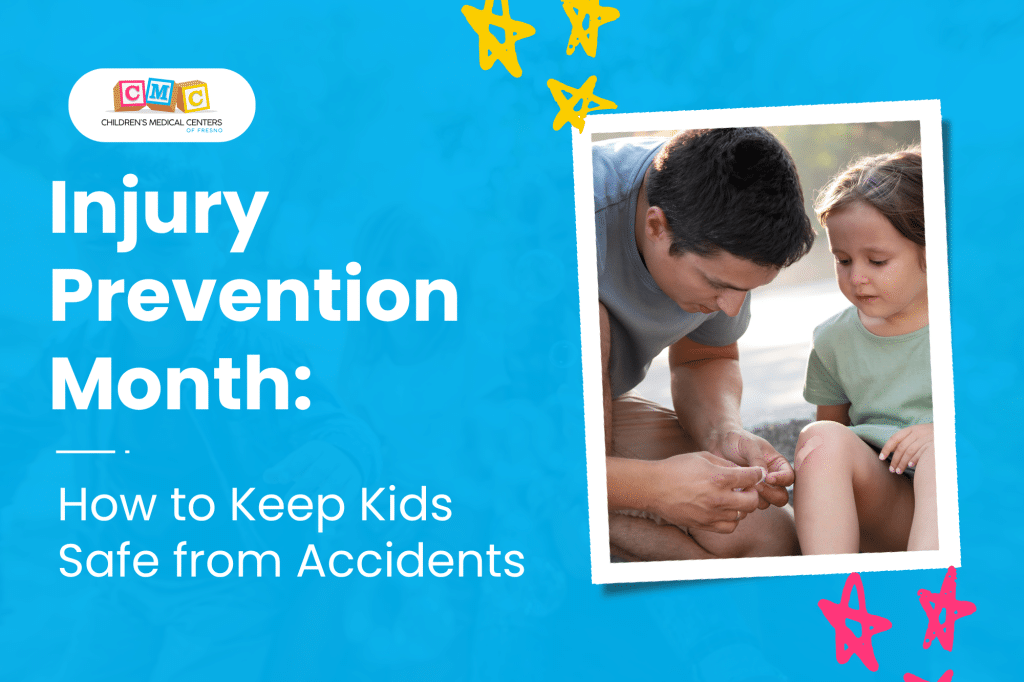
Imagine you’re going about your day, ticking off tasks from your never-ending to-do list. Suddenly, a minor slip or a small distraction leads to an unexpected injury.
It’s frustrating, right? Unintentional injuries can disrupt your routine and, worse, impact your well-being. The good news is, you can take steps to prevent these mishaps. This guide will show you how to protect yourself and those you care about from common, yet preventable, accidents.
You’ll discover simple strategies that fit seamlessly into your daily life, offering peace of mind and a safer environment. Keep reading to learn how a few proactive measures can make a significant difference in preventing these injuries. Your health and safety are worth it!
Common Causes Of Unintentional Injuries
Preventing unintentional injuries involves understanding common causes like falls and traffic accidents. Prioritizing safety measures, such as wearing seatbelts and using protective gear, can significantly reduce risks.
Unintentional injuries can happen to anyone, anywhere, and often when least expected. Understanding their common causes is crucial in taking preventive measures. You might be surprised at how everyday activities can pose risks if not approached mindfully. From household hazards to outdoor risks and workplace dangers, each area presents unique challenges. With a little foresight and precaution, you can significantly reduce the chance of injury. So, what are the common culprits that lead to these unplanned accidents?Household Hazards
Your home should be a sanctuary, yet it’s riddled with potential hazards. Slippery floors and poorly lit staircases often lead to falls. Consider installing grab bars in bathrooms and using non-slip mats. Kitchens can be a hotspot for burns and cuts. Keep knives sharp to prevent slipping and never leave cooking unattended. Think about child-proofing cabinets if you have little ones around. Electrical outlets and appliances pose risks of shock or fire. Regularly inspect cords for fraying and avoid overloading sockets. Small actions can make a big difference in safety.Outdoor Risks
Venturing outside, risks multiply. Uneven sidewalks and wet leaves can cause trips and falls. Always watch your step and wear appropriate footwear. Sports and recreational activities might seem fun, but they come with dangers. Equip yourself with the necessary protective gear. Helmets, knee pads, and guards are essential for minimizing injury. Driving demands constant vigilance. Stay alert and avoid distractions like mobile phones. A moment’s lapse can lead to serious accidents on the road.Workplace Dangers
Even your workplace isn’t immune to hazards. Ergonomic issues from poorly arranged desks can lead to strain and pain. Adjust your chair and monitor height for comfort. Machinery and tools require proper handling and training. Never skip safety protocols and always wear protective gear. Your employer should provide regular safety training. Office clutter and spills can cause falls. Keep walkways clear and promptly clean up any messes. A tidy workspace is a safer one. Taking proactive steps in these areas can drastically reduce your risk of unintentional injuries. Which area do you think poses the most risk in your daily routine?Safety At Home
Keeping floors clear helps reduce trip hazards. Secure rugs with non-slip pads to prevent falls. Store cleaning supplies and medicines out of children’s reach to avoid accidental poisoning. Install smoke alarms and test them regularly for fire safety. Ensure sturdy railings on stairs for added protection.
Safety at home is crucial for preventing unintentional injuries. Whether you’re living alone or with family, a secure environment is essential. Let’s explore some key strategies to ensure safety within your home.Childproofing Techniques
Creating a safe space for children involves vigilance. Use childproof locks on cabinets to keep harmful substances away. Cover electrical outlets with plastic covers. Install safety gates at staircases. Secure heavy furniture to walls to prevent tipping. Keep small objects that pose choking hazards out of reach.Fire Prevention Strategies
Fire safety is vital for home protection. Install smoke detectors in every room and test them monthly. Keep a fire extinguisher in the kitchen and know how to use it. Avoid overloading electrical outlets. Keep flammable items away from heat sources. Have an escape plan and conduct regular fire drills.Proper Use Of Tools And Appliances
Using tools and appliances safely reduces injury risk. Read manuals before using any new tool. Ensure appliances are unplugged when not in use. Store sharp tools in designated areas. Inspect appliances regularly for wear and tear. Keep cords organized to prevent tripping hazards.Outdoor Safety Measures
Ensure proper footwear to prevent slips and falls outdoors. Stay aware of surroundings to avoid unexpected hazards. Use protective gear for activities like cycling or hiking to minimize injury risks.
Outdoor activities offer joy and adventure. They also come with risks. Being aware of these risks helps prevent unintentional injuries. Outdoor safety measures are vital for a fun and safe experience. This includes road safety, sports participation, and dealing with weather changes.Road Safety Practices
Road safety is crucial for everyone. Always wear a seatbelt in vehicles. Use helmets while biking. Follow traffic signals and signs. Stay alert near roads. Walk on sidewalks where available. If there is no sidewalk, walk facing traffic. Teach children basic road rules early on. Make sure they know how to cross streets safely. Encourage them to look both ways before crossing.Safe Participation In Sports
Playing sports promotes health and teamwork. Safety gear is essential. Use proper shoes and protective gear. Warm-up before starting any sport. Stretch muscles to avoid injuries. Drink water to stay hydrated. Take breaks to prevent exhaustion. Know your limits. Avoid pushing too hard. If injured, rest and seek medical advice.Weather-related Precautions
Weather can change quickly. Dress according to the forecast. Wear layers for cold weather. Use sunscreen on sunny days. Stay indoors during storms. Avoid playing outside in extreme weather. Be aware of heat warnings. Drink plenty of water on hot days. Keep an umbrella handy during rain. Monitor weather updates regularly.
Credit: www.instagram.com
Workplace Safety Practices
Workplace safety is crucial for preventing unintentional injuries. Accidents can disrupt productivity and harm employees. By adopting best practices, businesses can create safer environments. Here are key strategies to enhance workplace safety.
Ergonomic Solutions
Ergonomic solutions reduce strain and prevent injuries. Adjust workstations to fit employees’ needs. Use chairs that support posture. Position screens at eye level. Encourage regular breaks to stretch and move. These changes can minimize discomfort and long-term injuries.
Use Of Protective Gear
Protective gear is essential in many industries. Helmets, gloves, and goggles protect against hazards. Ensure workers wear the right gear for their tasks. Regularly check equipment for wear and tear. Replace damaged gear immediately. Training employees on proper use is crucial.
Emergency Preparedness
Being ready for emergencies can save lives. Develop clear evacuation plans. Train employees on emergency protocols. Conduct regular drills to ensure everyone knows their role. Keep first-aid kits accessible. Have emergency contacts available. Quick response can prevent serious injuries.
Health And Wellness
Health and Wellnessis the foundation for preventing unintentional injuries. Building a robust health regimen can act as a shield against many unforeseen accidents. By focusing on key aspects like exercise, nutrition, and stress management, you can significantly reduce your risk of injury and enhance your overall quality of life.
Importance Of Regular Exercise
Regular exercise strengthens your muscles and improves your balance, reducing the risk of falls and sprains. Simple activities like walking, cycling, or swimming can make a huge difference. Imagine the confidence you gain when you know your body is strong and resilient. How often do you find yourself skipping exercise due to a busy schedule?
Even small changes, like taking the stairs instead of the elevator, can contribute to better health. Consider joining a local fitness class or group to stay motivated and accountable. You might be surprised at how energizing a community can be.
Balanced Nutrition
Balanced nutrition is not just about eating the right foods; it’s about making sure your body gets the necessary nutrients to function properly. A diet rich in fruits, vegetables, lean proteins, and whole grains can keep your bones and muscles strong. Have you ever noticed how your energy levels fluctuate with your diet?
Hydration is key, too. Drinking enough water is essential for maintaining muscle function and joint health. Keep a water bottle handy to remind yourself to drink throughout the day. A small habit change can lead to big improvements.
Stress Management Techniques
Stress can be a silent culprit in causing unintentional injuries. It clouds judgment and slows reaction times. Techniques like mindfulness, meditation, and deep breathing can help keep stress at bay. Have you found yourself making mistakes when stressed?
Prioritize activities that relax you, whether it’s reading, gardening, or spending time with loved ones. Creating a daily routine that includes stress management can prevent accidents and enhance your mental health. What stress-relief techniques have you tried recently?

Credit: www.facebook.com
Educational Programs And Resources
Educational programs offer guidance on preventing unintentional injuries. Resources focus on safety awareness and practical strategies. Learn effective measures to protect yourself and others.
Educational programs and resources play a crucial role in preventing unintentional injuries. They empower individuals with the knowledge and skills needed to stay safe in various environments. By actively participating in these programs, you can learn how to protect yourself and others from potential hazards.Community Workshops
Community workshops offer hands-on learning experiences. They bring neighbors together to discuss safety issues specific to their locality. Imagine attending a workshop where a local firefighter demonstrates how to use a fire extinguisher effectively—priceless knowledge for any household! Workshops can cover diverse topics, from first aid to home safety assessments. These interactive sessions often include practical exercises, allowing you to apply what you’ve learned immediately. Plus, they provide an excellent opportunity to ask questions and share experiences with others.Online Safety Courses
Online safety courses make learning accessible and convenient. You can learn at your own pace, fitting it into your schedule without leaving home. Whether it’s a course on cyber safety or emergency preparedness, the digital world offers a wealth of resources. These courses often include multimedia elements like videos and quizzes to enhance understanding. They can also be revisited, allowing you to refresh your knowledge whenever needed. Have you ever thought about how much you can learn with just a click?Safety Campaigns And Awareness
Safety campaigns raise awareness on a larger scale, often targeting specific demographics or issues. They use various media channels to spread their message, from social media to community posters. Participating in these campaigns can broaden your understanding of safety concerns. These initiatives often encourage public involvement, such as pledge drives or safety challenges. By engaging with these campaigns, you become part of a larger movement towards a safer community. What role can you play in promoting safety awareness around you? Taking advantage of these educational opportunities not only equips you with vital safety skills but also connects you with a network of like-minded individuals.
Credit: www.facebook.com
Frequently Asked Questions
What Are Common Causes Of Unintentional Injuries?
Unintentional injuries often result from falls, motor vehicle accidents, and sports activities. Household mishaps, such as burns or cuts, are also common. Awareness and preventive measures can significantly reduce these risks. Proper safety equipment and cautious behavior are essential to prevent injuries at home, work, and recreational areas.
How Can I Make My Home Safer?
To make your home safer, ensure proper lighting and remove tripping hazards. Install smoke detectors and secure heavy furniture. Keep emergency contacts accessible. Regularly check for loose wires or slippery surfaces. These steps help prevent unintentional injuries, ensuring a safer environment for everyone in the household.
What Are Effective Safety Tips For Children?
Teach children about road safety and supervise them during play. Use childproof locks and barriers to prevent access to hazardous areas. Ensure they wear helmets and protective gear during sports. Educating children on safety rules and practices can significantly reduce the risk of unintentional injuries.
How Do Sports Injuries Occur?
Sports injuries occur due to improper techniques, lack of warm-up, or inadequate equipment. Overexertion and accidents during play can also lead to injuries. Proper training, using suitable gear, and regular practice help prevent these injuries. Awareness and caution are vital for safe participation in sports activities.
Conclusion
Preventing unintentional injuries is crucial for safety. Simple steps make a big difference. Always use seatbelts and helmets. Keep floors clear to avoid trips. Install smoke detectors at home. Supervise children during playtime. Teach them safety rules early. Use proper tools for tasks.
Stay alert and aware of surroundings. Regular check-ups and maintenance can prevent hazards. Practice safety at work and home. Share safety tips with family and friends. Awareness and caution save lives. Make safety a habit. It’s everyone’s responsibility. Stay safe, stay aware.