Are your hips feeling tight and inflexible? You’re not alone.
Many people experience tension in this area, often leading to discomfort and limited mobility. But there’s good news: yoga can be a game-changer for increasing hip flexibility. Imagine moving with ease and grace, enjoying activities without the nagging stiffness that holds you back.
You’ll discover simple yet effective yoga poses specifically designed to unlock your hips, enhance your flexibility, and improve your overall well-being. Stay with us, and let’s dive into the transformative power of yoga for your hips. Your journey to greater flexibility and comfort starts here.

Credit: www.instagram.com
Benefits Of Hip Flexibility
Practicing yoga regularly enhances hip flexibility, improving posture and relieving tension. It promotes better movement and reduces the risk of injuries.
Hip flexibility offers numerous advantages that enhance overall well-being. Yoga is a powerful tool to improve this flexibility. It helps in stretching and strengthening the muscles around the hips. This practice not only boosts physical health but also aids mental relaxation.Improved Range Of Motion
Enhanced hip flexibility allows better movement. It makes daily activities easier and less strenuous. Walking, bending, and sitting become more comfortable. A flexible hip reduces the risk of injury. It supports better posture and alignment.Enhanced Athletic Performance
Athletes benefit significantly from flexible hips. It improves agility and speed. Sports like running, soccer, and dance require swift movements. Flexible hips support these dynamic actions. They enable athletes to perform optimally.Reduced Risk Of Injury
Tight hips can lead to muscle strain. Flexibility reduces this risk. Stretching helps prevent injuries in activities. It strengthens the muscles around the hip joints. This provides stability and support during movement.Better Posture And Alignment
Flexible hips contribute to good posture. They support the spine and lower back. This reduces strain on other body parts. Maintaining proper alignment prevents discomfort. It aids in balancing the body’s structure.Stress Relief And Mental Clarity
Yoga exercises relieve stress and tension. Hip stretches relax the mind and body. This fosters mental clarity and focus. A calm mind enhances overall mood. It helps in managing daily stress effectively. Incorporating yoga for hip flexibility offers lasting benefits. It enhances physical and mental health. The practice contributes to a balanced lifestyle.
Credit: www.instagram.com
Common Causes Of Tight Hips
Understanding the common causes of tight hips is crucial for improving flexibility. Tight hips can affect your range of motion and lead to discomfort. Many people experience tightness due to lifestyle choices and daily habits. This section explores the reasons behind tight hips, helping you address them effectively.
Long Hours Of Sitting
Sitting for long hours can lead to hip tightness. The muscles remain inactive, causing stiffness over time. This sedentary lifestyle is common among office workers and students.
Lack Of Stretching
Skipping regular stretching routines can result in tight hips. Stretching helps maintain flexibility and prevents muscle shortening. Without stretching, the hip muscles can become rigid.
Intense Physical Activity
Engaging in high-impact exercises without proper warm-up can tighten hips. Activities like running and cycling exert pressure on hip muscles. Proper stretching before and after can alleviate this.
Stress And Tension
Stress contributes to muscle tension, including in the hips. Emotional strain can manifest physically, leading to tightness. Relaxation techniques like yoga can help manage this tension.
Improper Posture
Poor posture affects the alignment of your hips. Slouching or leaning can strain hip muscles. Correct posture supports hip health and reduces tightness.
Natural Aging Process
Aging naturally reduces muscle elasticity, including in the hips. As we age, flexibility decreases, making regular stretching important for maintaining hip health.
Warm-up Techniques
Increasing hip flexibility through yoga involves dynamic stretches. Gentle lunges and seated forward bends can help. Consistent practice enhances mobility and reduces stiffness.
Increasing hip flexibility through yoga is a journey that begins with effective warm-up techniques. Preparing your body before diving into deeper poses ensures not only better performance but also reduces the risk of injury. Let’s explore some essential warm-up methods that can enhance your yoga practice and elevate your hip flexibility.Importance Of Warming Up
Warming up is crucial for any physical activity, and yoga is no exception. It gradually increases your heart rate and blood flow to the muscles, making them more pliable. This process prevents injuries and helps you achieve deeper stretches with ease. Think about it: would you run a marathon without stretching first? Similarly, your hips need that gentle nudge to open up. By dedicating a few minutes to warming up, you’re setting a solid foundation for your yoga session.Gentle Stretches To Start
Begin with simple stretches that target your hip flexors, like the seated butterfly stretch. Sit on the floor, bring the soles of your feet together, and gently press your knees towards the ground. Another effective stretch is the cat-cow pose. Start on all fours and alternate between arching your back upwards and letting it drop, allowing your hips to move freely. These initial stretches not only prepare your hips but also calm your mind, creating a harmonious start to your yoga practice. Are you ready to feel the difference in your hip mobility?
Credit: www.youtube.com
Yoga Poses For Hip Flexibility
Yoga poses can enhance hip flexibility through gentle stretches. Poses like Pigeon or Butterfly target tight hip muscles. Regular practice improves range and reduces discomfort.
Yoga poses enhance hip flexibility, fostering ease and fluidity in movement. Regular practice can improve posture and reduce discomfort. Let’s explore some effective poses for enhancing hip flexibility.Pigeon Pose
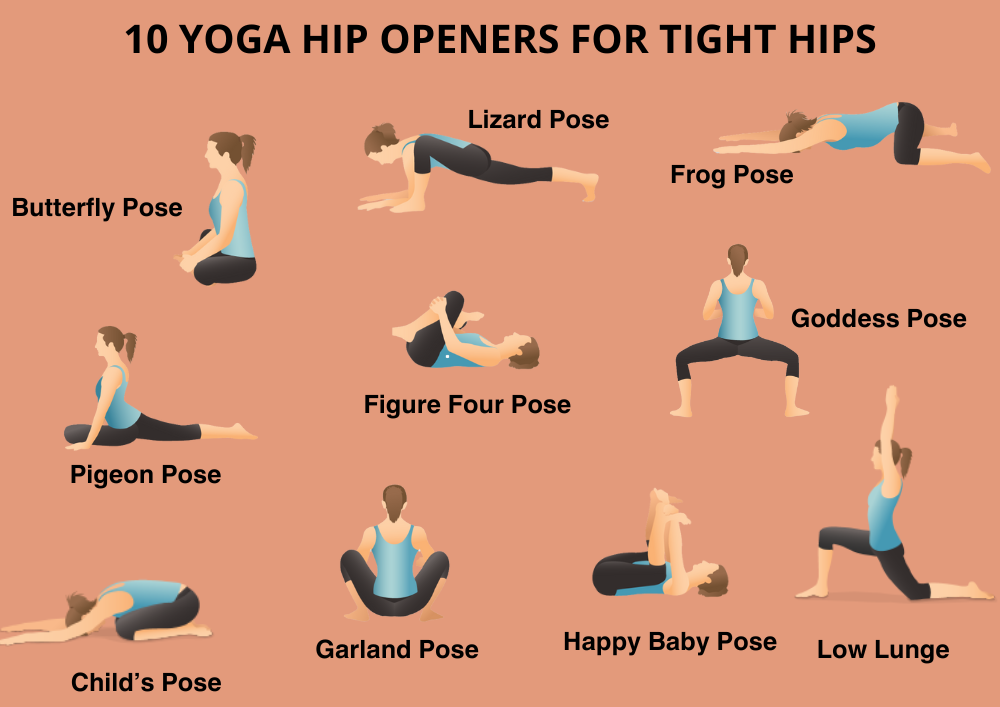
Pigeon Pose targets deep hip muscles. Begin in a downward-facing dog position. Bring your right knee forward, placing it behind your right wrist. Stretch your left leg back, keeping your hips square. Hold this position for several breaths. It opens the hip joint, releasing tension and improving flexibility.Butterfly Pose
Butterfly Pose is gentle yet effective. Sit on the mat and bring the soles of your feet together. Hold your feet with your hands and let your knees fall to the sides. Maintain a straight back and breathe deeply. This pose stretches the inner thighs and hips, promoting relaxation.Lizard Pose
Lizard Pose stretches and strengthens the hips. Start in a plank position. Step your right foot forward, placing it outside your right hand. Lower your hips, keeping your back leg straight. Hold for a few breaths. Switch sides to balance the stretch. It opens the hips and groin, enhancing flexibility.Frog Pose
Frog Pose is intense and effective. Begin on all fours, then widen your knees apart. Keep your feet flexed and your ankles aligned with your knees. Lower your torso and rest on your forearms. Breathe deeply into the stretch. It targets the inner thighs and hips, offering a deep release.Cow Face Pose
Cow Face Pose works on hip and shoulder flexibility. Sit with your knees stacked, one on top of the other. Reach one arm up and the other down, clasping them behind your back. Hold this position for several breaths. It stretches the hips and shoulders, improving overall flexibility.Incorporating Props
Using props in yoga can greatly enhance hip flexibility. Blocks or straps support deeper stretches and proper alignment, making poses more accessible for beginners.
Incorporating props into your yoga practice can be a game-changer, especially when aiming to increase hip flexibility. Props provide support, enhance alignment, and help you achieve deeper stretches safely. They can be the key to unlocking your hip joints without overstraining.Using Blocks And Straps
Blocks and straps are fantastic tools for assisting your hip flexibility journey. Consider using a block under your hips during seated poses like the butterfly pose. This elevates your hips, allowing for a gentler and more effective stretch in your inner thighs. Straps can also be your best friend in poses like the seated forward fold. Loop a strap around your feet and gently pull to deepen the stretch. This not only helps in stretching but also ensures you maintain proper posture, avoiding any unnecessary strain on your back.Bolsters For Support
Bolsters are another excellent prop that can provide significant support during your practice. In poses like the pigeon pose, placing a bolster under your hip can relieve tension and help you relax into the stretch more fully. Using a bolster during restorative yoga can also aid in releasing hip tightness. Imagine lying on your back with a bolster under your knees—this position gently opens the hips and promotes relaxation. Have you tried using props before, or is this a new territory for you? Embracing these tools might just be the secret ingredient you need to achieve greater hip flexibility.Breathing Techniques
Enhance hip flexibility in yoga through focused breathing techniques. Deep, controlled breaths relax muscles and improve range of motion. Consistent practice aids in achieving fluid movements and reduces tension.
Breathing techniques play a vital role in enhancing hip flexibility through yoga. Proper breathing helps relax muscles, increase focus, and deepen stretches. Yoga integrates breath with movement, promoting a sense of calm and well-being. Understanding and practicing different breathing techniques can significantly aid your yoga journey.Deep Breathing For Relaxation
Deep breathing helps relax the body and mind. Start by sitting or lying down comfortably. Inhale slowly through your nose, filling your lungs completely. Feel your belly expand. Exhale gently through your mouth. Focus on lengthening your exhalation. Repeat this cycle for several breaths. This technique reduces tension in the hip area.Mindful Breathing During Poses
Mindful breathing enhances your yoga experience. Begin in a yoga pose, such as the pigeon pose. Inhale deeply to prepare your body. As you hold the pose, pay attention to your breath. Maintain a steady rhythm. Let each inhalation and exhalation guide your movements. This practice improves concentration and stretches.Consistency And Progress Tracking
Consistency and progress tracking are key in increasing hip flexibility through yoga. Regular practice helps your muscles adapt over time. Track improvements to stay motivated and adjust routines as needed for better results.
Consistency and progress tracking are essential to increasing your hip flexibility through yoga. A regular practice helps your body adapt to the new movements, gradually increasing flexibility. By tracking your progress, you not only stay motivated but also identify areas needing more focus, ensuring balanced improvement.Establishing A Routine
To make real progress, integrate yoga into your daily schedule. Choose a specific time each day for practice, like early mornings or late evenings. Even a short, 15-minute session can yield results if done consistently. Set realistic goals to maintain motivation without overwhelming yourself. Start with easier poses and gradually include more challenging ones as your flexibility improves.Tracking Improvements Over Time
Keep a yoga journal to monitor your progress. Note down the poses you practice, the duration, and any changes in your flexibility. You might be surprised at how quickly your body adapts. Take photos or videos of your poses at regular intervals to visually track your journey. This documentation can be a great motivational tool, especially during periods when progress seems slow. By comparing current performance with past records, you can celebrate milestones and remain inspired to continue your practice.Common Mistakes To Avoid
Ignoring proper alignment can strain muscles. Skipping warm-ups increases injury risk. Pushing too hard leads to soreness.
Increasing hip flexibility through yoga is a transformative journey, but it’s essential to be aware of common pitfalls that could hinder your progress. Understanding these mistakes not only protects you from injuries but also maximizes the effectiveness of your practice. Let’s delve into some crucial mistakes you should avoid to enhance your hip flexibility safely and efficiently.Ignoring Pain Signals
One of the biggest mistakes in yoga is ignoring pain signals from your body. Pain is your body’s way of communicating that something isn’t right. While stretching, if you experience sharp or persistent pain, it’s crucial to stop and reassess your position. Pushing through the pain can lead to serious injuries, delaying your progress. Always aim for a gentle stretch, never to the point of discomfort. Listen to your body; it knows best.Rushing Through Poses
Rushing through poses is another common misstep that can hinder your flexibility goals. In yoga, quality trumps quantity every time. Holding poses for longer periods allows your muscles to relax and stretch deeper. By rushing, you miss out on the full benefits and risk improper alignment. Take your time to settle into each pose, focusing on your breath and alignment. This patience will pay off with improved flexibility and overall well-being. In your practice, try to embody patience and mindfulness. How do you usually approach challenges in life? Yoga teaches us that the journey is as important as the destination.Creating A Personalized Yoga Flow
Creating a personalized yoga flow can effectively increase hip flexibility. Focus on poses like Pigeon, Butterfly, and Lizard. Consistent practice gradually loosens tight muscles, enhancing mobility and comfort.
Creating a personalized yoga flow to enhance hip flexibility can be both rewarding and empowering. By tailoring your practice, you can focus on the areas that need the most attention, ensuring a balanced and effective routine. Whether you’re a beginner or an experienced yogi, crafting a flow that suits your unique needs can lead to remarkable improvements in your flexibility.Combining Poses
Crafting a yoga sequence is like piecing together a puzzle. Each pose should complement the next, creating a seamless flow that targets the hip area effectively. Consider starting with dynamic stretches like Cat-Cow to warm up your spine and hips. Follow with longer holds in poses such as Pigeon or Lizard to deepen the stretch and release tension. Think of your flow as a dance. Transition smoothly from one pose to another, maintaining a steady breath. This not only improves flexibility but also boosts mindfulness and focus.Adapting To Individual Needs
Everyone’s body is different, and so are their flexibility goals. It’s crucial to listen to your body and adjust your practice accordingly. Modify poses if needed. Use props like blocks or straps to assist in poses like Seated Forward Bend or Reclined Butterfly. Don’t hesitate to skip or change poses that cause discomfort or pain. Pay attention to how your body responds, and make adjustments to ensure a safe and effective practice. What works for someone else might not work for you. The key is to find what feels good and beneficial for your body. You might discover that certain poses unlock new levels of flexibility you never thought possible.Additional Tips For Enhancing Flexibility
Enhancing hip flexibility through yoga requires dedication and practice. But yoga alone might not be enough. To see faster improvements, consider adding other strategies to your routine. These tips can support your journey to greater flexibility.
Incorporating Other Exercises
Diversify your exercise routine. Include activities that complement yoga. Pilates is great for strengthening core muscles. Strong core muscles support your hips. Swimming is another excellent option. It provides a full-body workout without straining joints. Try gentle stretches like lunges and leg swings. These can warm up your body before yoga sessions.
Maintaining A Balanced Diet
Nutrition plays a key role in flexibility. A balanced diet supports muscle health. Include foods rich in vitamins and minerals. Calcium and Vitamin D are important for bone health. Magnesium helps with muscle function. Hydration is crucial too. Drink enough water daily. It keeps your muscles hydrated and flexible.
Frequently Asked Questions
What Yoga Poses Improve Hip Flexibility?
Yoga poses like Pigeon, Butterfly, and Lizard are great for hip flexibility. These poses gently stretch the hip muscles. Regular practice helps increase range of motion and relieves tension. Consistency is key for noticeable improvements in flexibility over time.
How Often Should I Do Hip Flexibility Yoga?
Practicing hip flexibility yoga 3-4 times a week is ideal. This frequency allows muscles to adapt and stretch effectively. Remember to listen to your body and rest when needed. Consistent practice yields better results in flexibility and overall well-being.
Are Warm-ups Necessary Before Yoga?
Yes, warm-ups are crucial before yoga. They prepare your muscles and joints for stretching. Dynamic exercises increase blood flow and reduce injury risk. Spend 5-10 minutes warming up to enhance your yoga experience and effectiveness.
Can Beginners Increase Hip Flexibility With Yoga?
Absolutely, beginners can increase hip flexibility with yoga. Start with gentle poses and focus on proper form. Gradually increase intensity as your body adapts. Consistent practice leads to improved flexibility and comfort in movements.
Conclusion
Improving hip flexibility through yoga brings numerous benefits. It enhances your mobility and reduces discomfort in daily activities. Regular practice of yoga poses like Pigeon and Butterfly can help. Remember to listen to your body and progress at your own pace.
Consistency is key to seeing improvement over time. These exercises can fit into your routine easily. Start with simple poses, then advance as you gain flexibility. Enjoy the journey to better flexibility and overall well-being. Yoga is a gentle and effective way to improve your hips.