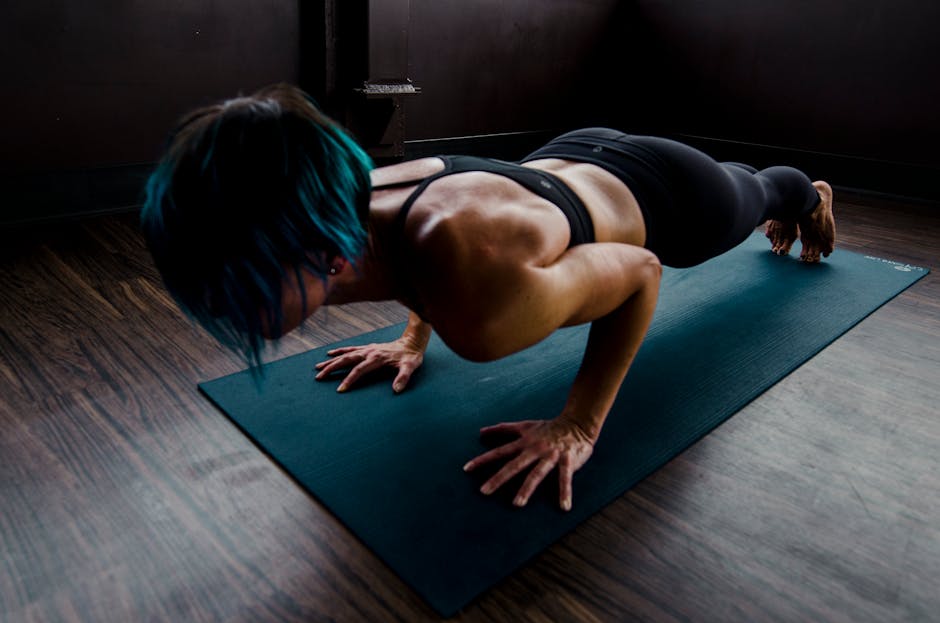
Are you finding it tough to nail those yoga poses because of stiff shoulders? You’re not alone.
Many yoga enthusiasts face this hurdle. But guess what? With a little guidance, you can enhance your shoulder flexibility and transform your yoga practice. Imagine moving with ease, flowing from one pose to another without that nagging tightness. Sounds appealing, right?
Stick around, because this guide is tailored just for you. We’ll walk you through simple yet effective techniques to boost your shoulder flexibility, making your yoga sessions more enjoyable and rewarding. Ready to unlock your potential? Let’s dive in!

Credit: www.instagram.com
Benefits Of Shoulder Flexibility In Yoga
Shoulder flexibility is a cornerstone in achieving fluidity and grace in your yoga practice. It not only enhances your ability to perform various poses but also contributes to a more balanced and harmonious physical alignment. Imagine effortlessly moving into challenging postures like the downward dog or warrior poses with ease and stability. This flexibility is not just about achieving advanced poses; it’s about nurturing your body and mind to work in unison, minimizing injury risks and maximizing your yoga benefits.
What Makes Shoulder Flexibility Crucial In Yoga?
Having flexible shoulders allows for a greater range of motion, which can transform your yoga sessions. You might notice your breathing becomes deeper and more controlled as your shoulders open up. This flexibility also supports better posture, helping you maintain a straight spine and open chest, which are vital for many yoga poses.
Improved Balance And Stability
Flexible shoulders contribute to improved balance and stability, especially in poses like the tree pose or headstand. When your shoulders are open, you can distribute your weight more evenly across your body, making these challenging postures feel more grounded and secure.
Enhanced Muscle Strength And Endurance
As your shoulder flexibility increases, you might find your muscle strength and endurance improving as well. With open shoulders, poses like plank or chaturanga become more accessible, allowing you to hold them longer and build strength gradually.
Reduction In Tension And Stress
Shoulder flexibility can significantly reduce tension and stress. Many of us carry stress in our shoulders, leading to stiffness and discomfort. By focusing on shoulder flexibility, you can release this tension, leading to a more relaxed and peaceful state during your yoga practice.
How Can Shoulder Flexibility Improve Your Daily Life?
Beyond yoga, shoulder flexibility can enhance your everyday activities. Whether it’s reaching for something on a high shelf or carrying groceries, flexible shoulders make movements smoother and less strained. You might find that the aches and pains associated with sitting at a desk all day start to diminish as your shoulders become more supple.
What changes have you noticed in your yoga practice or daily life as your shoulder flexibility improves? Share your experiences and insights to inspire others on their yoga journey!
Common Causes Of Shoulder Tightness
Poor posture and repetitive movements can lead to shoulder tightness. Stress and muscle tension also contribute to limited flexibility. Understanding these causes helps in developing effective yoga routines to enhance shoulder mobility.
Shoulder tightness is a common hurdle many face on their yoga journey. Whether you’re a seasoned yogi or a curious beginner, understanding why your shoulders might be stiff can illuminate the path to greater flexibility. By recognizing the sources of shoulder tension, you can effectively address and alleviate discomfort, paving the way for a more fulfilling yoga practice.Posture And Daily Habits
The way you hold your body throughout the day influences shoulder flexibility. Long hours hunched over a computer or staring at a smartphone can lead to poor posture. This everyday positioning strains the shoulder muscles, causing tightness and reducing mobility.Stress And Muscle Tension
Emotional stress often manifests physically, particularly in the shoulders and neck. When you’re stressed, your body instinctively tightens, leading to increased muscle tension. Over time, this tension can result in chronic shoulder tightness.Lack Of Movement And Exercise
A sedentary lifestyle contributes significantly to stiff shoulders. When you don’t engage in regular physical activity, your muscles can become rigid. Incorporating gentle stretches and movements can help counteract this effect.Previous Injuries
Past injuries can leave lasting effects on shoulder flexibility. Scar tissue or improper healing may limit your range of motion. It’s essential to approach yoga with an awareness of these limitations and gradually work towards improvement.Overuse And Repetitive Motions
Repetitive movements, such as those required in certain sports or jobs, can lead to overused muscles. This constant strain can cause the shoulders to become tight and less responsive. Balancing these activities with counter-stretches can help maintain flexibility. Understanding these common causes of shoulder tightness can make a significant difference in your yoga practice. By addressing these issues head-on, you can enhance your shoulder flexibility, making each pose feel more accessible and enjoyable. Have you noticed any of these factors affecting your shoulders? Recognizing them is the first step to releasing tension and embracing a more flexible practice.Warm-up Techniques
Shoulder flexibility is essential for yoga, allowing for greater range of motion and ease in various poses. A solid warm-up routine helps prepare your shoulders, reducing the risk of injury and enhancing your practice. By focusing on dynamic stretches and breathing exercises, you can effectively warm up your shoulders and boost flexibility.
Dynamic Stretches
Dynamic stretches are an excellent way to get your shoulders moving. They involve active movements that gently stretch and prepare your muscles. Try arm circles by extending your arms to the sides and making small circles, gradually increasing their size. Another effective stretch is the cross-body arm swing, where you swing your arms across your chest and back. These movements increase blood flow and loosen up your shoulders.
Experiment with different stretches that feel comfortable and invigorating. Notice how a few minutes of dynamic stretching can awaken your muscles. Which stretches make you feel ready to dive into your yoga session?
Breathing Exercises
Breathing exercises are a crucial component of your warm-up. They help calm your mind and prepare your body for movement. Begin with deep inhales and exhales, focusing on expanding your rib cage and filling your lungs completely. Try the 4-7-8 breathing technique: inhale for 4 counts, hold for 7, and exhale for 8. This method not only relaxes you but also improves your breath control during yoga.
Feel the difference when you combine deep breathing with shoulder movements. Your breath can guide your stretches, making them more effective. How does your body respond when you synchronize your breath with movement?
Essential Stretches For Shoulders
Yoga requires flexible shoulders for better poses and stability. Stretching your shoulders can enhance your practice and prevent injuries. Here are some essential stretches to improve shoulder flexibility for yoga enthusiasts.
Cross-body Arm Stretch
The Cross-Body Arm Stretch helps to loosen tight shoulder muscles. Stand or sit comfortably. Bring your right arm across your body. Use your left arm to gently pull the right arm closer. Hold this position for 20-30 seconds. Switch arms and repeat. This stretch targets the deltoid muscles.
Cow Face Pose
Cow Face Pose, or Gomukhasana, deeply stretches the shoulders. Sit with your legs crossed. Raise your right arm and bend it behind your head. Bring your left arm behind your back. Clasp your hands if possible. Hold for a few breaths. Switch sides and repeat. This pose opens both shoulders and chest.
Eagle Arms
Eagle Arms enhance shoulder flexibility and relieve tension. Sit or stand tall. Extend your arms in front of you. Cross your right arm under the left. Bend your elbows and bring your palms together. Hold this pose for several breaths. Switch arms and repeat. This stretch is excellent for the upper back and shoulders.
Yoga Poses To Enhance Flexibility
Increasing shoulder flexibility in yoga involves practicing targeted poses like the downward dog and thread the needle. These poses stretch and strengthen shoulder muscles, promoting better range of motion and ease in movements. Regular practice helps build flexibility and prepares the body for more advanced yoga poses.
Improving shoulder flexibility can significantly enhance your yoga practice, helping you achieve a more balanced and fulfilling experience. Flexibility in the shoulders not only allows for better posture but also supports the deepening of various poses. By incorporating specific yoga poses into your routine, you can gradually increase your shoulder flexibility, making your practice more enjoyable and less prone to injury. Let’s explore some effective poses that can help you achieve this goal.Downward Dog
The Downward Dog is a staple in yoga practice for good reason. It stretches the shoulders, hamstrings, and calves, providing a full-body stretch. To get the most out of this pose, push your hips up and back while keeping your shoulders relaxed and away from your ears. Try bending your knees slightly if your hamstrings are tight; this allows you to focus more on stretching your shoulders. It’s important to distribute your weight evenly between your hands and feet to avoid straining your shoulders. Have you noticed how a simple adjustment can make a big difference in this pose?Extended Puppy Pose
The Extended Puppy Pose is perfect for gently opening your shoulders and chest. Begin on all fours, then slide your hands forward while keeping your hips above your knees. Allow your chest to sink towards the floor as you stretch your arms forward. Remember to breathe deeply and hold the pose for several breaths to maximize the stretch. This pose not only enhances shoulder flexibility but also offers a calming effect on the mind. What thoughts arise when you take a moment to breathe deeply in this pose?Thread The Needle
Thread the Needle is excellent for releasing tension in the shoulders and upper back. Start on your hands and knees, then slide your right arm underneath your left arm, bringing your right shoulder and temple to the mat. This twist provides a gentle release, encouraging flexibility in your shoulders. As you hold the pose, focus on relaxing your shoulders and breathing deeply. Can you feel the tension melting away with each breath you take?
Credit: www.youtube.com
Incorporating Props For Better Stretch
Using props like yoga straps or blocks can enhance shoulder flexibility. These tools help achieve deeper stretches safely, promoting better mobility and alignment.
Incorporating props into your yoga routine can significantly enhance your shoulder flexibility. Props provide support, allowing you to go deeper into stretches safely. They can help you maintain proper alignment and prevent strain. Using props might feel like taking a shortcut, but they are a powerful tool for growth and understanding your body’s capabilities. Let’s dive into how using yoga straps and blocks can transform your practice.Using Yoga Straps
Yoga straps are perfect for stretching areas that feel tight. They act like an extended arm, helping you reach further without compromising form. Wrap the strap around your foot or hold it with both hands behind your back. This will help you deepen stretches like the Gomukhasana (Cow Face Pose) or the Seated Forward Bend. If you’re struggling with tight shoulders, try the strap behind your back, holding it with both hands. This setup helps open the chest and improves shoulder mobility over time.Incorporating Blocks
Blocks offer stability and support, making challenging poses more accessible. They are especially useful if you’re working on shoulder flexibility and need a bit of extra height or support. Place a block under each hand during poses like Downward Dog to create space for your shoulders. This can help alleviate pressure and allow for a deeper stretch. Try using blocks in a restorative pose like Supported Fish. Place the blocks under your upper back and head, and let gravity do the work to open your shoulders. Have you tried using props in your yoga practice? What changes did you notice in your flexibility and alignment?Building A Consistent Practice
Developing shoulder flexibility for yoga involves gentle stretches and regular practice. Incorporate exercises like arm circles, eagle arms, and shoulder rolls. Consistency in these movements enhances range of motion and supports overall yoga performance.
Building a consistent practice is crucial for improving shoulder flexibility in yoga. Regular practice helps muscles adapt and improve over time. It ensures that your body becomes more flexible and responsive. Let’s explore how to build this consistency effectively.Setting A Routine
A regular routine is essential for progress. Begin by setting aside specific times for practice. This helps in creating a habit. Choose times when you feel most energetic. Consistency in timing trains your body and mind. Keep sessions short if you’re starting. Gradually increase the duration as you build endurance.Tracking Progress
Monitoring your progress keeps you motivated. Start by setting small, achievable goals. Keep a journal to note changes and improvements. Write down how your shoulders feel after each session. Use photos or videos to track your poses over time. This visual feedback can be encouraging. Celebrate small victories to maintain enthusiasm.
Credit: www.youtube.com
Tips From Yoga Experts
Practicing shoulder stretches improves flexibility and prevents injuries. Regularly incorporate poses like Cow Face and Thread the Needle. Focus on deep breathing to enhance relaxation and movement.
If you’re committed to enhancing your yoga practice, increasing shoulder flexibility is key. Yoga experts emphasize that flexibility is not just about achieving complex poses, but also about ensuring safety and improving overall well-being. Engaging with the right tips and techniques can transform your practice, making it more enjoyable and effective.Advice From Instructors
Yoga instructors often emphasize consistency in practice. Regular stretching of the shoulders can prevent stiffness and improve range of motion. An instructor once suggested to me the “thread the needle” pose, which works wonders for shoulder mobility. Incorporating props like yoga straps or blocks can also be beneficial. They help you safely stretch further and build flexibility over time. Have you tried using props in your practice?Common Mistakes To Avoid
A frequent mistake is overexertion. Pushing too hard can lead to injuries, halting your progress. Always listen to your body and maintain a balance between effort and ease. Skipping warm-ups is another common error. Warm muscles are more pliable and less prone to injury. Prioritize a gentle warm-up before diving into deep stretches. Ignoring breath control is also a pitfall. Deep, controlled breathing enhances relaxation and flexibility. Next time you practice, focus on your breath and notice the difference in your stretch. By integrating these expert tips into your routine, you can achieve greater shoulder flexibility and enrich your yoga journey.Listening To Your Body
Listening to your body is a crucial aspect of increasing shoulder flexibility for yoga. It’s about tuning into your own physical sensations and respecting what your body tells you. This awareness not only helps you improve your practice but also safeguards you from potential injuries.
Recognizing Limits
Understanding your limits is vital in yoga. When you push beyond your capacity, you risk doing more harm than good. Pay attention to any discomfort or pain during your poses. Are you feeling a sharp twinge or a gentle stretch? The former can signal that you’re overextending yourself.
Use your breath as a guide. If you find it difficult to breathe deeply, you might be straining too much. Consider stepping back and modifying the pose to suit your current level. Recognizing your limits isn’t about holding back; it’s about practicing smarter.
Preventing Injury
Preventing injury starts with awareness. Often, we are eager to achieve a pose and ignore signs of stress on our shoulders. Focus on the sensation in your muscles, not just the aesthetics of the pose. You can avoid injury by gradually increasing your flexibility, rather than forcing a stretch.
Consider incorporating shoulder warm-ups to prepare your muscles. Simple arm circles or gentle shoulder rolls can be effective. Are you checking in with your body regularly during practice? This habit can help you catch any emerging issues before they become injuries.
Ultimately, the key is to be patient with your progress. Shoulder flexibility improves over time, and by listening to your body, you create a sustainable and safe yoga practice.
Frequently Asked Questions
What Exercises Improve Shoulder Flexibility?
To enhance shoulder flexibility, incorporate exercises like arm circles, shoulder rolls, and cross-body stretches into your routine. These exercises help loosen tight muscles and increase range of motion. Consistent practice can significantly improve your shoulder flexibility, making yoga poses easier to perform.
How Often Should I Stretch My Shoulders?
Stretch your shoulders daily for optimal flexibility. Regular stretching helps maintain muscle elasticity and prevents stiffness. Incorporate shoulder stretches into your yoga practice or daily routine to ensure steady progress. Consistency is key to achieving and maintaining flexible shoulders.
Can Yoga Improve Shoulder Flexibility?
Yes, yoga is effective for improving shoulder flexibility. Poses like Downward Dog and Child’s Pose stretch shoulder muscles. Regular yoga practice enhances joint mobility and reduces tension. It helps you achieve greater flexibility, benefiting overall shoulder health and function.
What Yoga Poses Target Shoulder Flexibility?
Yoga poses like Eagle Pose, Thread the Needle, and Cow Face Pose specifically target shoulder flexibility. These poses stretch and strengthen shoulder muscles, enhancing range of motion. Incorporating them into your practice will gradually improve your shoulder flexibility and ease in performing various yoga postures.
Conclusion
Improving shoulder flexibility can enhance your yoga practice. Regular stretches and exercises help. Start slowly and listen to your body. Consistency is key. Try different poses that focus on shoulders. Over time, you’ll notice better movement and ease. Remember, it’s about progress, not perfection.
Celebrate small wins. Everyone’s body is unique, so adapt the techniques to suit you. With patience, your flexibility will grow. Enjoy the journey and embrace the changes. Yoga is about balance, both physically and mentally. Keep practicing, and your shoulders will thank you.
Feel the difference in your daily life and yoga sessions.