Are tight hamstrings holding you back from reaching your full potential on the yoga mat? You’re not alone.
Many people struggle with hamstring flexibility, which can affect not only your yoga practice but also your overall mobility and comfort in daily life. Imagine the freedom of moving with ease, bending effortlessly, and eliminating that persistent tension. You’ll discover how to increase your hamstring flexibility through yoga, unlocking a new level of movement and well-being.
You might be surprised at how simple changes in your routine can lead to significant improvements. Ready to dive in and learn more? Let’s explore the key yoga poses that can transform your hamstring flexibility and enhance your practice.
Benefits Of Flexible Hamstrings
Flexible hamstrings are not just a boon for yoga enthusiasts; they offer numerous benefits that can enhance your daily life. Whether you’re an athlete or someone who simply wants to move with ease, increasing hamstring flexibility can be a game-changer. Let’s dive into why you should care about your hamstrings.
Improved Posture
Flexible hamstrings play a vital role in maintaining a good posture. Tight hamstrings can pull on your pelvis, causing a tilt that disrupts your spinal alignment. By improving flexibility, you can alleviate this tilt and support a healthier spine. Imagine standing tall without discomfort or strain.
Enhanced Athletic Performance
For those who love sports, flexible hamstrings can boost your performance. Greater flexibility allows for a wider range of motion, essential for activities like running, cycling, and dancing. You might find yourself moving faster and more efficiently, with less risk of injury.
Reduced Risk Of Injury
Are you prone to strains and sprains? Flexible hamstrings can help reduce these risks. Tight hamstrings are more susceptible to sudden pulls and tears. By keeping them limber, you’re safeguarding your body against common athletic injuries.
Less Lower Back Pain
Many people experience lower back pain due to tight hamstrings. This tightness can lead to strain on your lower back muscles. By stretching and increasing hamstring flexibility, you can relieve this tension and minimize pain.
Greater Ease In Daily Activities
Think about the simple tasks like bending to tie your shoes or reaching to pick something up. Flexible hamstrings make these movements smoother and more comfortable. You might find yourself moving with more freedom and less effort.
Have you ever noticed how your body feels after a good stretch session? It’s like a weight has been lifted off your shoulders. Hamstring flexibility is not just about yoga; it’s about feeling good in your own skin every day. So, what are you waiting for?
Common Causes Of Tight Hamstrings
Poor posture and prolonged sitting often lead to tight hamstrings. Stress and lack of stretching also contribute to this issue. Yoga helps improve hamstring flexibility through gentle stretching and mindful breathing.
Tight hamstrings can be a real hurdle in your yoga journey, causing discomfort and limiting your flexibility. Understanding the root of this tightness is crucial to addressing it effectively. Let’s delve into some common causes that might be affecting your hamstring flexibility.Insufficient Physical Activity
A sedentary lifestyle can lead to tight hamstrings. Sitting for long hours at a desk or on the couch causes the muscles to shorten over time. This inactivity reduces flexibility and can make stretching painful.Overuse And Muscle Imbalance
Engaging in repetitive activities like running can cause overuse of your hamstrings. This overuse, combined with underdeveloped opposing muscles, leads to imbalances. These imbalances place extra stress on the hamstrings, leading to tightness.Poor Posture And Alignment
Poor posture, whether standing or sitting, can result in tight hamstrings. If you tend to slouch or have a tilted pelvis, your hamstrings may compensate, becoming tight and inflexible. Proper alignment is key to maintaining muscle flexibility.Inadequate Warm-up
Skipping a proper warm-up can leave your muscles unprepared for physical activity. Muscles need to be warmed up to stretch safely and effectively. Jumping straight into intense yoga poses without warming up can cause your hamstrings to tighten up.Previous Injuries
Old injuries might be silently affecting your hamstrings. Scar tissue or lingering pain can cause muscles to tighten as a protective measure. It’s important to address any old injuries to prevent further tightness. Understanding these causes can help you identify which ones apply to you. What changes can you make today to start relieving that tightness and enhancing your yoga practice?Essential Yoga Poses For Hamstrings
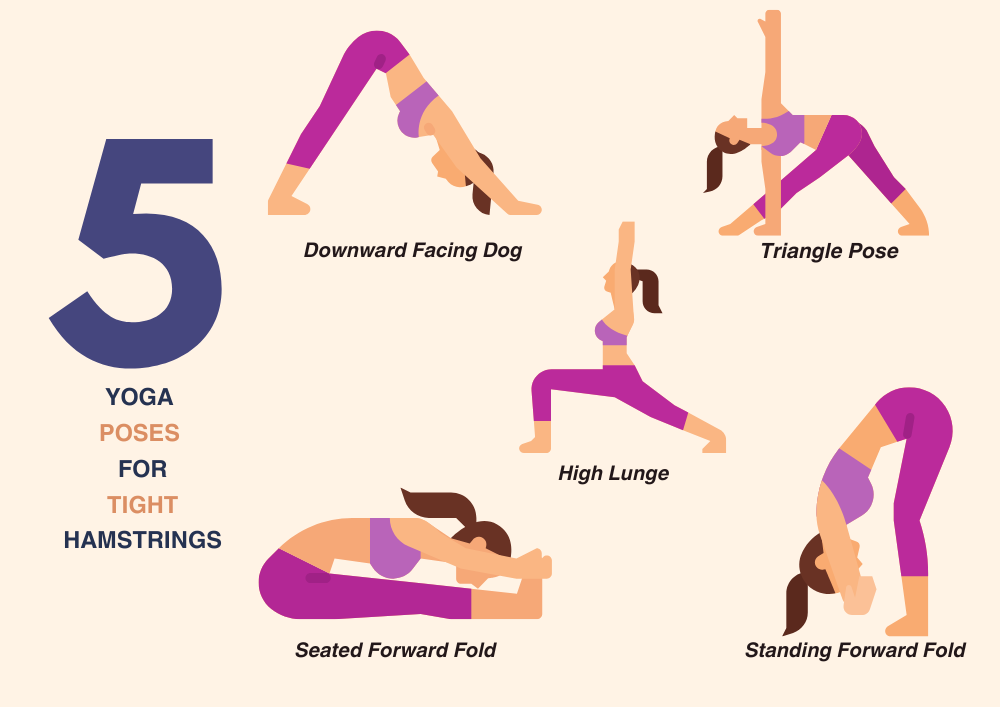
Yoga stretches like Downward Dog and Standing Forward Bend improve hamstring flexibility. These poses gently stretch tight muscles. Regular practice can enhance mobility and ease discomfort.
Improving hamstring flexibility through yoga can significantly enhance your overall mobility and reduce the risk of injury. This involves practicing specific poses that target the hamstrings effectively. Integrating these poses into your routine will lead to noticeable improvements in your flexibility and strength. Let’s dive into some essential yoga poses that are particularly beneficial for your hamstrings.Forward Bend Variations
Standing Forward Bend (Uttanasana) and Seated Forward Bend (Paschimottanasana) are excellent for stretching the hamstrings. In Uttanasana, keep your knees slightly bent if you’re a beginner to avoid strain. With consistent practice, you’ll notice increased flexibility, allowing you to straighten your legs more over time. Seated Forward Bend involves sitting on the floor with your legs straight and bending forward to touch your toes. This pose not only stretches the hamstrings but also calms the mind. Remember to engage your core as you reach forward for a deeper stretch.Downward Dog
The Downward Dog (Adho Mukha Svanasana) is a staple in many yoga practices and for a good reason. It’s a full-body stretch that particularly benefits the hamstrings. Ensure your heels are moving towards the ground and your hips are lifted high. This pose might seem challenging initially, but the more you practice, the more you’ll feel your hamstrings lengthening. Are you keeping your spine elongated and hands pressed firmly into the mat for stability?Triangle Pose
Triangle Pose (Trikonasana) is another fantastic option for targeting the hamstrings. Start by standing with your feet wide apart, then extend one arm towards the sky while the other reaches down towards your foot. Focus on keeping both legs straight and strong. This pose not only stretches the hamstrings but also opens up the chest and shoulders. Can you feel the stretch deepening with each breath? Incorporating these poses regularly into your yoga routine can lead to significant improvements in hamstring flexibility. Which pose will you try first to enhance your practice?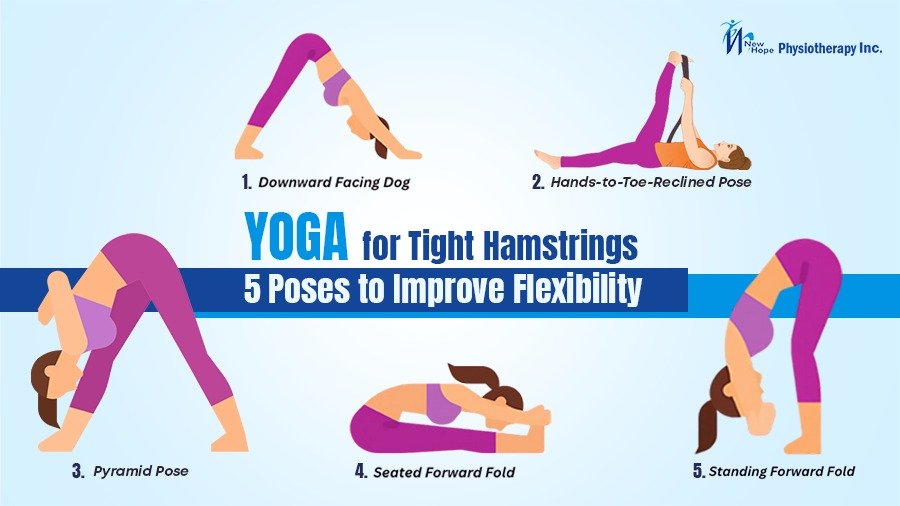
Credit: www.newhopephysio.com
Incorporating Props For Flexibility
Incorporating props into your yoga practice can be a game-changer, especially when you’re aiming to increase flexibility in your hamstrings. Props provide support, helping you achieve poses more comfortably while minimizing the risk of injury. Whether you’re new to yoga or a seasoned practitioner, using props can enhance your practice and lead to noticeable improvements in flexibility.
Using Yoga Straps
Yoga straps are versatile tools that assist you in maintaining proper alignment during poses. They help you reach areas that might initially feel out of reach. Imagine trying to touch your toes in a forward bend; a strap can bridge the gap, allowing you to experience the stretch fully without strain. As your flexibility improves, you’ll find the strap becoming less necessary, but it’s a fantastic way to ease into deeper stretches.
Blocks And Bolsters
Blocks and bolsters offer stability and support, making challenging poses more accessible. Have you ever found yourself struggling to maintain balance in a pose like half splits? A block under your hands can provide the support needed to focus on stretching your hamstrings without losing form. Bolsters, on the other hand, can assist in restorative poses, encouraging relaxation and gradual flexibility improvement. Using these props can transform your practice, providing comfort and encouraging progress.
Routine For Hamstring Flexibility
Building a routine for hamstring flexibility through yoga can drastically improve your mobility and reduce the risk of injury. Consistent practice can bring surprising benefits, from easing back pain to enhancing athletic performance. Let’s dive into a structured plan to help you achieve those flexible hamstrings.
Warm-up Techniques
Before diving into stretches, it’s crucial to prepare your muscles. A gentle warm-up increases blood flow and makes your hamstrings more pliable. Try a few minutes of jumping jacks or a brisk walk to get your heart rate up.
Dynamic stretches like leg swings and gentle lunges can be particularly effective. These movements activate your muscles without overstraining them. Remember, a good warm-up should leave you feeling energized, not exhausted.
Daily Practice Guidelines
Consistency is key when aiming for increased flexibility. Dedicate at least 10 to 15 minutes daily to specific hamstring stretches. Popular poses such as the Forward Fold or Downward Dog can be especially beneficial.
- Hold each stretch for 30 seconds to allow the muscles to lengthen.
- Breathe deeply to promote relaxation and deeper stretches.
- Listen to your body to avoid pushing beyond your limits.
Have you ever felt frustrated by slow progress? Patience is essential. Flexibility doesn’t happen overnight, but with daily dedication, you’ll begin to notice improvements.
Do you have any personal tricks that help you stick to a routine? Share them in the comments to inspire others!

Credit: www.youtube.com
Breathing Techniques In Yoga
Breathing techniques in yoga enhance hamstring flexibility by calming the mind and relaxing muscles. Deep, controlled breaths increase blood flow, aiding flexibility and stretching. Regular practice can lead to noticeable improvements in hamstring flexibility over time.
Breathing techniques in yoga are essential for enhancing flexibility. They help relax your muscles and calm your mind. Focusing on your breath can increase your hamstring flexibility during yoga.Deep Breathing Benefits
Deep breathing improves your body’s oxygen intake. It helps relax tense muscles, which is vital for flexibility. When your muscles are relaxed, stretching becomes easier. Deep breathing also reduces stress, promoting a more focused yoga practice. This focus aids in achieving better flexibility in your hamstrings.Breath Synchronization
Synchronizing your breath with movement is key in yoga. Inhale deeply while preparing for a pose. Exhale slowly as you move into the stretch. This rhythm helps your body ease into the stretch. It allows for deeper, more effective hamstring stretches. Consistent breath synchronization leads to gradual flexibility improvement.Avoiding Common Mistakes
Increasing hamstring flexibility through yoga can be challenging. Many beginners make mistakes that hinder progress. Avoiding these common errors can enhance your yoga practice. Focus on proper techniques and awareness to prevent injury and improve flexibility.
Overstretching Risks
Overstretching can harm your muscles. It may lead to strains and tears. Start slowly and listen to your body. Stretch only until you feel a gentle pull. Never force your body into positions. This ensures safer practice and gradual improvement.
Proper Form And Alignment
Correct form is crucial in yoga. It helps in effective stretching and prevents injury. Pay attention to your body’s alignment. Ensure your spine is straight and shoulders are relaxed. Use props like blocks or straps if needed. They aid in maintaining proper form.
Progress Tracking And Adjustments
Tracking your progress is key in increasing hamstring flexibility with yoga. Regular assessment helps you see improvements and identify areas needing attention. Adjusting your routine ensures continued growth and avoids stagnation. Here’s how to effectively track progress and make necessary adjustments in your yoga practice.
Using A Flexibility Journal
A flexibility journal is a great tool for tracking progress. Record your sessions and note any changes in flexibility. Include details like the poses practiced and duration. Track your ability to hold positions and any discomfort. This helps you see patterns and improvements over time.
Use the journal to set realistic goals. Break down your flexibility goals into smaller milestones. Celebrate each achieved milestone to stay motivated. Regular entries provide a clear picture of your journey. This encourages a consistent practice.
Adapting The Routine
Flexibility varies from person to person. Adjust your routine based on your body’s response. Listen to your body and modify poses when needed. If a pose feels too easy, try a more advanced variation. Conversely, if a pose causes pain, simplify it.
Include a variety of poses targeting different muscles. This prevents overuse and enhances overall flexibility. Regularly update your routine to keep it challenging and engaging. This adaptive approach ensures steady progress and reduces the risk of injury.
Additional Tips For Success
Consistency in practice is key to increasing hamstring flexibility. Incorporate yoga poses like Downward Dog and Forward Bend regularly. Listen to your body and gradually increase stretch intensity to prevent injuries.
Increasing hamstring flexibility through yoga is a journey that requires dedication and mindfulness. While practicing specific yoga poses is essential, there are additional tips that can significantly enhance your progress. These tips focus on staying consistent and listening to your body—two crucial elements that can help you achieve the flexibility you desire.Staying Consistent
Consistency is key in yoga and flexibility training. Think of it as watering a plant; regular attention helps it grow. Commit to practicing yoga regularly, even if it’s just for a few minutes each day. Consider setting a routine that fits into your daily schedule. Whether it’s morning stretches or evening relaxation, consistency will build progress over time. Tracking your improvements can also motivate you. Keep a journal or take photos to see how your flexibility evolves. This visual reminder can boost your confidence and keep you on track.Listening To Your Body
Your body is your best guide, so pay close attention to its signals. If you feel pain or discomfort, it’s a sign to ease up. Flexibility should be pursued gently, not forcefully. Notice how your body responds to different poses. Some might feel more beneficial than others. Use this insight to tailor your practice to what works best for you. Remember, everyone’s flexibility journey is unique. Avoid comparing your progress to others. Focus on your own path and celebrate small victories along the way. Are there moments when your body surprises you with unexpected progress? Embrace these experiences—they are a testament to your dedication and mindful practice.
Credit: www.youtube.com
Frequently Asked Questions
What Yoga Poses Improve Hamstring Flexibility?
Yoga poses like Downward Dog, Standing Forward Bend, and Triangle Pose enhance hamstring flexibility. These poses gently stretch and lengthen the muscles, promoting increased flexibility. Regular practice can help prevent injuries and improve overall leg mobility.
How Often Should I Do Yoga For Flexibility?
To improve hamstring flexibility, practice yoga 3-5 times a week. Consistent practice ensures gradual improvement without straining muscles. Always focus on proper alignment and listen to your body’s limits.
Can Beginners Increase Hamstring Flexibility With Yoga?
Yes, beginners can increase hamstring flexibility with yoga. Start with basic poses and gradually progress. It’s important to focus on form and consistency. Over time, flexibility will improve, reducing stiffness and enhancing range of motion.
Are Warm-ups Necessary Before Yoga For Hamstrings?
Warm-ups are crucial before yoga to prevent injury and ease into stretches. Simple movements like leg swings and gentle stretching prepare the hamstrings. This helps achieve better flexibility during yoga practice.
Conclusion
Improving hamstring flexibility through yoga takes patience and consistency. Regular practice leads to gradual progress. Focus on breath and body alignment during each pose. Listen to your body to avoid injury. Start with gentle stretches, then slowly deepen them over time.
Celebrate small achievements along the way. Flexibility enhances overall well-being and movement ease. Integrate these yoga poses into your routine for the best results. Remember, each step counts towards better flexibility. Stay committed, and enjoy the journey towards healthier hamstrings.
Keep practicing, and you’ll feel more flexible soon. Your body will thank you.