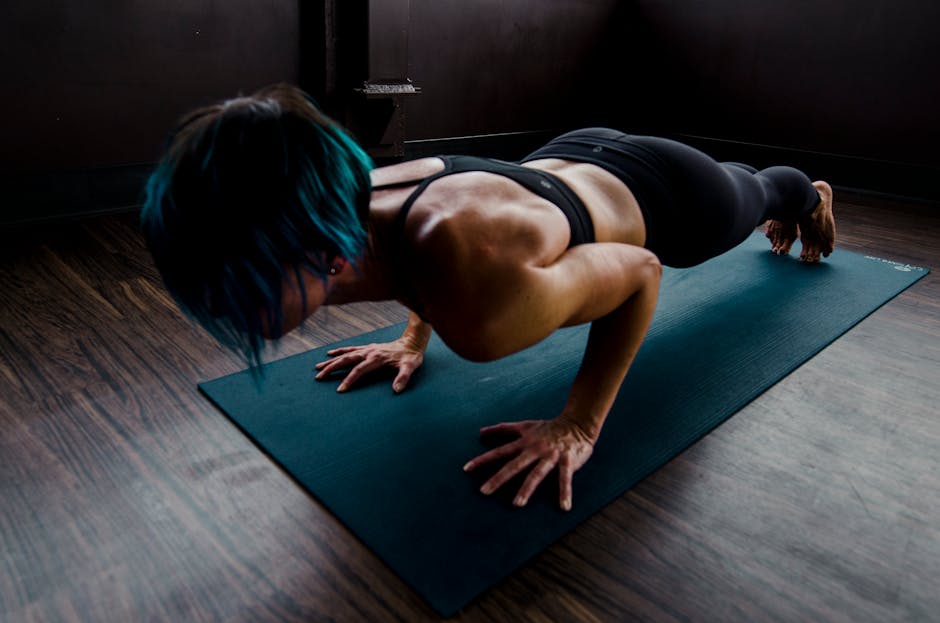
Do your shoulders often feel stiff or restricted? You’re not alone.
Many people experience limited shoulder flexibility, which can affect daily activities and even lead to discomfort or pain. The good news is that yoga offers a powerful solution. By incorporating specific poses and techniques, you can enhance your shoulder flexibility, improve your posture, and boost your overall well-being.
Imagine effortlessly reaching for that top shelf or swinging your arms freely without tension. You’ll discover simple yet effective yoga practices that can make a real difference. Ready to unlock your shoulder potential? Let’s dive into the world of yoga and transform your flexibility.

Credit: www.instagram.com
Benefits Of Shoulder Flexibility
Increasing shoulder flexibility through yoga enhances mobility and reduces injury risk. Regular practice improves posture and alleviates tension, promoting overall well-being.
Increasing shoulder flexibility through yoga can transform your daily life in unexpected ways. It not only enhances your physical capabilities but also contributes to better posture, reduced pain, and improved athletic performance. By focusing on shoulder flexibility, you unlock the potential for greater overall well-being.Improved Posture
Shoulder flexibility plays a crucial role in maintaining good posture. When your shoulders are flexible, you naturally stand taller, reducing the strain on your neck and back. Practicing yoga poses that target shoulder mobility can help you maintain an upright position effortlessly.Enhanced Athletic Performance
Whether you are a swimmer, weightlifter, or golfer, shoulder flexibility is key to excelling in sports. Flexible shoulders allow for a wider range of motion, enabling you to perform movements with greater ease and precision. Imagine being able to swing a tennis racket or lift weights without any restriction.Reduced Risk Of Injury
Tight shoulders can lead to injuries, especially if you engage in physical activities. By increasing shoulder flexibility, you decrease the chances of strains and sprains. Yoga poses like Downward Dog and Eagle Arms can help you safely stretch and strengthen your shoulder muscles.Alleviated Pain And Tension
Do you often feel tension in your shoulders after a long day at work? Shoulder flexibility can help alleviate that discomfort. Gentle yoga stretches can release built-up tension and improve blood circulation, offering relief from chronic pain.Greater Ease In Daily Activities
Think about how often you use your shoulders throughout the day—reaching for a shelf, carrying groceries, or typing at a desk. Flexible shoulders make these tasks easier and less tiring. By incorporating yoga into your routine, you ensure that everyday activities become more manageable and less strenuous.Boosted Confidence
There’s a certain confidence that comes with moving freely and without pain. When your shoulders are flexible, you feel more capable and confident in your body. This newfound confidence can positively impact various aspects of your life, from social interactions to professional endeavors. Incorporating yoga into your routine to enhance shoulder flexibility is a rewarding journey. Are you ready to experience these benefits and improve your quality of life?Common Causes Of Shoulder Tightness
Shoulder tightness is a common issue many face, often causing discomfort. Understanding its causes can help address this problem effectively. From lifestyle habits to anatomical issues, several factors contribute to shoulder stiffness.
Inactivity And Sedentary Lifestyle
Long hours at a desk restrict shoulder movement. Lack of exercise reduces flexibility, leading to stiffness.
Poor Posture
Slouching strains the shoulders over time. This creates tension and limits movement.
Stress And Tension
Stress often manifests physically. Shoulders carry this burden, resulting in tightness.
Injury Or Overuse
Previous injuries can limit shoulder flexibility. Overuse leads to muscle fatigue and tightness.
Age-related Changes
As we age, muscles and joints lose flexibility. This naturally results in tighter shoulders.
Muscle Imbalance
Weak or overworked muscles cause imbalance. This affects shoulder mobility and flexibility.
Yoga Poses For Shoulder Flexibility
Increase shoulder flexibility with yoga by practicing poses like Downward Dog and Thread the Needle. Regular practice helps ease tension and improve range of motion.
Increasing shoulder flexibility can significantly enhance your overall yoga practice, and integrating specific poses into your routine can make a world of difference. Whether you’re a seasoned yogi or a beginner, these poses are designed to gently open up your shoulder muscles, improve range of motion, and relieve tension. As you explore these poses, remember that consistency and mindful practice are key to achieving the flexibility you desire.Downward Facing Dog
Downward Facing Dog is a classic yoga pose that stretches the shoulders and opens the upper back. Begin on your hands and knees, then lift your hips towards the ceiling, forming an inverted V-shape with your body. Press your hands firmly into the mat, allowing your shoulders to broaden. Feel the stretch across your upper back and the gentle pull in your shoulders. Hold this pose for several breaths, and notice how your shoulders begin to release tension.
Child’s Pose
Child’s Pose is a restful posture that gently stretches the shoulders and back. Start by sitting on your heels, then fold forward, extending your arms in front of you on the floor. Let your forehead rest on the mat, and feel your shoulders gently melting towards the ground. This pose offers a sense of calm while helping to increase shoulder flexibility. It’s a perfect posture to revisit whenever you need a break during your practice.
Thread The Needle
Thread the Needle is an effective pose for targeting the shoulders and upper back. Begin on all fours, then slide one arm underneath the opposite arm, resting your shoulder and ear on the mat. This twist allows for a deep stretch in the shoulder area, promoting flexibility and releasing tension. Stay in this pose for several breaths, and repeat on the other side. As you practice, notice how the twist enhances mobility and creates space in your shoulders.
Are you ready to transform your shoulder flexibility? Embrace these poses with patience and dedication, and watch your range of motion improve over time. What’s your favorite yoga pose for shoulder flexibility?
Incorporating Props For Better Stretch
Incorporating props like yoga blocks or straps can enhance shoulder flexibility. These tools provide support and help deepen stretches safely. Enhancing your practice with props can make challenging poses more accessible and effective.
Incorporating props can significantly enhance your shoulder flexibility journey in yoga. Many of us have experienced moments where our shoulders felt tight and resistant during a stretch. Props like straps and blocks are excellent tools to deepen stretches and achieve better alignment. Imagine you’re in a yoga class, and the instructor asks everyone to reach behind to clasp hands in a shoulder stretch. If your shoulders feel tight, you might find it challenging. This is where props come into play.Using Straps
Straps are a fantastic aid for improving shoulder flexibility. They act as an extension of your arms, helping you reach further without straining. – Support in Poses: Straps help maintain proper form, especially in poses like Cow Face or Gomukhasana, where reaching behind your back can be tough. – Adjustable Length: You can adjust the strap length to match your flexibility level, gradually shortening it as you become more flexible. A personal story: I once struggled with the Cow Face pose. Using a strap allowed me to feel the stretch without discomfort, and over time, my flexibility improved immensely. Have you tried using a strap in your practice?Incorporating Blocks
Blocks are versatile props that support the body in various poses, offering stability and enhancing the stretch. – Elevation and Support: Blocks can elevate your arms in poses like Downward Dog, making it easier to focus on shoulder alignment and stretch. – Progressive Stretch: Start with the block at its highest setting, gradually moving to the lower settings as your flexibility increases. Blocks also offer a sense of security. When I first attempted a challenging pose, placing a block under my hands gave me the confidence to explore deeper stretches. What changes have you noticed when using blocks in your practice? Incorporating props can transform your yoga experience, making stretches more accessible and effective. Whether you’re a beginner or seasoned yogi, these tools can help you progress safely and effectively.Breathing Techniques To Enhance Flexibility
Enhance shoulder flexibility with breathing techniques in yoga. Deep breaths relax muscles, aiding greater stretch and movement. Controlled inhaling and exhaling increases oxygen flow, improving flexibility over time.
Breathing deeply can improve shoulder flexibility in yoga. It calms the mind and relaxes muscles. Focused breathing enhances the body’s ability to stretch. Let’s explore some effective techniques.Deep Belly Breathing
Deep belly breathing increases oxygen flow. This helps muscles relax and stretch. Begin by sitting or lying comfortably. Place one hand on your belly. Inhale deeply through your nose. Feel your belly rise under your hand. Exhale slowly, letting your belly fall. Repeat for several breaths.Nadi Shodhana (alternate Nostril Breathing)
This technique balances energy and calms the mind. Sit comfortably with a straight spine. Close your right nostril with your thumb. Inhale deeply through the left nostril. Close the left nostril with your ring finger. Exhale through the right nostril. Inhale through the right, then switch. Continue for several cycles.Ujjayi Breathing
Ujjayi breathing creates a soothing sound. This sound focuses the mind and deepens stretches. Inhale through your nose, keeping the mouth closed. Slightly constrict the throat to create a whispering sound. Exhale the same way. Maintain a steady rhythm.4-7-8 Breathing
This technique helps relax the body quickly. Sit or lie down comfortably. Inhale through your nose for four counts. Hold the breath for seven counts. Exhale slowly through the mouth for eight counts. Repeat this cycle several times.Box Breathing
Box breathing enhances focus and reduces stress. Sit comfortably and close your eyes. Inhale through your nose for four counts. Hold the breath for four counts. Exhale through your mouth for four counts. Hold the empty breath for four counts. Repeat the cycle several times. These breathing techniques can enhance your yoga practice. They promote relaxation and increase flexibility. Try them regularly for better shoulder movement.
Credit: www.youtube.com
Creating A Consistent Yoga Routine
Enhance shoulder flexibility with consistent yoga practices. Incorporate poses like downward dog and eagle arms. Regular stretching promotes better shoulder movement and reduces tension.
Creating a consistent yoga routine is crucial for increasing shoulder flexibility. It’s not just about showing up on the mat; it’s about committing to a process that gradually enhances your range of motion. A regular practice not only helps in making significant progress but also prevents injuries and builds overall strength.Setting A Schedule
Commit to a realistic yoga schedule that fits your lifestyle. Maybe you can dedicate 15 minutes every morning or an hour twice a week. The key is consistency. What time of day are you most likely to stick to your routine? Choose a slot that you can consistently honor, even when life gets hectic. Consider using reminders on your phone or a calendar to keep you accountable.Tracking Progress
Measure your improvement to stay motivated. Keep a journal to note changes in your flexibility and any new poses you master. You might notice that poses like Downward Dog or Eagle Arms become easier over time. Celebrate these small victories—they’re proof that your efforts are paying off. How do your shoulders feel after a week, a month, or three months? Regular reflection can provide insights and help you adjust your routine for optimal results. By setting a schedule and tracking your progress, you create a roadmap to success. So, are you ready to transform your shoulder flexibility with yoga?Avoiding Common Mistakes
Increasing shoulder flexibility through yoga can be challenging. Ensure proper form to avoid strain. Practice consistently with gentle stretches for best results.
Increasing shoulder flexibility through yoga is a rewarding journey that can enhance your overall well-being. However, to maximize benefits and avoid setbacks, it’s essential to steer clear of common mistakes. Understanding these pitfalls can make your practice more effective and enjoyable, helping you achieve your flexibility goals safely.Overstretching
Overstretching is a frequent mistake in yoga practice, especially for those eager to improve shoulder flexibility quickly. It’s crucial to remember that flexibility is a gradual process. Pushing your body too hard can lead to strains or injuries. Instead of reaching for extremes, focus on incremental progress. Start with poses that gently open the shoulders, like the Child’s Pose or Thread the Needle. Pay attention to your body’s limits and aim for a sustainable stretch rather than an intense one. Consider setting small, achievable goals for each session. This approach helps maintain motivation while preventing the urge to overstretch. How can you adjust your practice today to honor your body’s current capabilities?Ignoring Pain Signals
Ignoring pain signals during yoga is another common mistake that can hinder shoulder flexibility. Pain is your body’s way of telling you something isn’t right. It’s vital to distinguish between discomfort, which can be a normal part of stretching, and pain, which indicates potential harm. If you feel sharp or persistent pain in your shoulders during a pose, it’s time to modify or stop the movement. Use props like blocks or straps to support your practice and alleviate pressure on your shoulders. Listening to your body builds a respectful relationship between you and your yoga practice. Are there poses where you can prioritize comfort and ease, allowing your shoulders to release tension naturally?Additional Tips For Shoulder Health
Improving shoulder flexibility through yoga is a transformative journey that extends beyond the mat. While poses and stretches are essential, nurturing your shoulders requires a holistic approach that integrates lifestyle changes. Let’s explore some additional tips for maintaining shoulder health, focusing on nutritional support and posture improvement. These tips can make a significant difference in your shoulder wellness.
Nutritional Support
Your diet plays a crucial role in joint health and flexibility. Incorporating foods rich in anti-inflammatory properties can support your shoulder’s wellbeing.
- Omega-3 Fatty Acids:Found in fish like salmon, these acids help reduce inflammation and improve joint mobility.
- Leafy Greens:Spinach and kale are packed with antioxidants that protect and heal your body’s tissues.
- Nuts and Seeds:Almonds and sunflower seeds provide essential nutrients like vitamin E, which is vital for muscle health.
Have you ever noticed how your body feels after a nutrient-rich meal versus a processed one? Prioritizing these foods can enhance your yoga practice and overall shoulder health.
Posture Improvement
Posture is a silent contributor to shoulder issues. Good posture can prevent strain and improve flexibility.
- Mindful Sitting:Whether you’re at your desk or relaxing at home, sit with your back straight and shoulders relaxed. This supports the natural curve of your spine.
- Frequent Breaks:If you’re working long hours, stand up and stretch every hour. A quick stretch can prevent stiffness and promote circulation.
- Ergonomic Adjustments:Adjust your workspace to support your posture. A chair with proper lumbar support can make a significant difference.
Have you ever caught yourself slouching while engrossed in a task? Correcting your posture can be challenging, but the benefits are worth the effort.
By integrating these nutritional and posture tips into your daily life, you can enhance your shoulder health and support your yoga journey. How will you start incorporating these changes into your routine today?

Credit: www.youtube.com
Frequently Asked Questions
What Yoga Poses Improve Shoulder Flexibility?
Yoga poses like Downward Dog, Thread the Needle, and Eagle Arms can enhance shoulder flexibility. These poses gently stretch and open the shoulder joints. Regular practice can help increase range of motion and reduce tension in the shoulders.
How Often Should I Practice Yoga For Flexibility?
Practicing yoga 2-3 times per week is beneficial for improving flexibility. Consistent practice helps in gradually increasing shoulder mobility. It’s important to listen to your body and progress at a comfortable pace.
Can Yoga Help With Shoulder Pain?
Yes, yoga can alleviate shoulder pain by increasing flexibility and strength. Gentle stretches and poses can reduce tension and promote relaxation. It’s advisable to consult a healthcare professional before starting yoga if you have persistent shoulder pain.
Are There Yoga Props For Shoulder Flexibility?
Yoga props like straps and blocks aid shoulder flexibility. These tools help deepen stretches and support proper alignment. Incorporating props can make poses more accessible and enhance the effectiveness of your practice.
Conclusion
Practicing yoga regularly boosts shoulder flexibility. It keeps muscles relaxed and agile. Consistent efforts lead to noticeable improvements. Each stretch, each pose, enhances movement and reduces tension. Simple exercises, like arm circles, help ease tight shoulders. Remember to breathe deeply during each session.
Breathing relaxes the mind and body. Listen to your body’s needs. Avoid pushing too hard; gentle progress is key. Your shoulders will thank you for your patience and care. Stay committed, and enjoy a more flexible you. Enjoy the journey to healthier shoulders through yoga.