Imagine turning every swim into a full-body workout that not only boosts your cardiovascular health but also builds muscle. Yes, you read that right—swimming can be more than just a refreshing dip in the pool.
If you’re tired of the same old gym routine and want to sculpt your muscles in a fun, low-impact way, you’re in the right place. You might be wondering if it’s truly possible to build muscle by swimming and how you can maximize each stroke for the best results.
This article will dive into the science behind muscle growth through swimming, offering practical tips to help you transform your swim sessions into muscle-building workouts. Keep reading, and discover how you can make waves in your fitness journey—literally!
Benefits Of Swimming For Muscle Building
Swimming offers a full-body workout that engages multiple muscle groups. It enhances strength and endurance while being gentle on joints. Regular swimming helps tone muscles, contributing to a well-defined physique.
Swimming offers a unique blend of cardiovascular and resistance training. This combination makes it an effective workout for muscle building. Water provides natural resistance, which challenges the muscles. Regular swimming sessions can increase muscle strength and endurance. The benefits extend beyond physical fitness. Swimming also improves flexibility, coordination, and overall body composition.Improves Muscle Tone
Swimming engages multiple muscle groups simultaneously. The continuous movement tones muscles effectively. It focuses on core, arms, and legs. Each stroke targets specific muscles, leading to balanced development. Enhanced muscle tone boosts overall athletic performance.Builds Endurance
Swimming enhances cardiovascular endurance. The constant movement strengthens heart and lungs. Increased endurance supports longer workout sessions. This contributes to muscle growth over time. Swimmers often experience improved stamina in other activities.Low-impact Exercise
Water reduces stress on joints. Swimming is gentle on the body. It prevents injuries often linked with high-impact sports. This makes it suitable for all ages. Low-impact activities promote consistent muscle building.Enhances Flexibility
Swimming requires a full range of motion. Each stroke stretches and contracts muscles. This promotes flexibility and reduces stiffness. Improved flexibility aids in muscle recovery. It also enhances performance in other physical activities.Improves Core Strength
Swimming is excellent for core development. Constant balance and movement require strong core muscles. A powerful core supports better posture. It also contributes to overall muscle strength. Enhanced core strength is essential for various sports.Promotes Muscle Recovery
Swimming aids in muscle recovery. The water’s buoyancy reduces muscle soreness. Gentle movements flush out toxins. This accelerates the recovery process. Swimmers often experience quicker recovery after intense workouts.Muscle Groups Engaged In Swimming
Swimming engages several muscle groups, including the shoulders, back, and core. It also works the arms and legs. Regular swimming can help build muscle and improve overall strength and endurance.
Swimming is a fantastic full-body workout that engages various muscle groups. Whether you’re gliding through the water or pushing off the pool wall, every stroke and kick plays a part in building strength. Let’s dive into the specific muscle groups that are engaged during swimming and discover how you can develop muscle while enjoying this refreshing activity.Upper Body Muscles
Swimming is great for toning the upper body. Your arms, shoulders, and chest are constantly in motion. Each stroke, whether it’s freestyle or butterfly, requires power from these muscles. For instance, the freestyle stroke primarily uses your deltoids and triceps, while the backstroke engages your lats and traps. Feeling the burn in your shoulders after a swim? That’s a sign of muscle building in action.Core Strength
A strong core is essential for maintaining balance and stability in the water. Swimming constantly challenges your abdominal muscles. Every twist and turn involves your obliques and lower back. Notice how your body stays streamlined when you swim; that’s your core working hard. Building a strong core not only enhances your swimming efficiency but also improves posture and balance outside the pool.Lower Body Engagement
Your legs are the powerhouse behind your swimming propulsion. Kicking exercises in swimming engage your quadriceps, hamstrings, and calves. With each kick, your glutes fire up, providing the thrust needed to move forward. Ever felt your legs burning after a vigorous swim session? That’s your muscles getting stronger, inch by inch. Swimming offers a holistic approach to muscle building. Are you ready to make waves in your fitness journey?Swimming Techniques For Strength
Swimming builds muscle through resistance. Water offers unique challenges that strengthen muscles. Different strokes engage various muscle groups, enhancing overall fitness and strength.
Swimming is not just for cardio; it’s also great for building strength. Different strokes target various muscle groups. Each technique offers unique benefits for muscle growth. Let’s dive into some effective swimming techniques for strength.Freestyle For Endurance
Freestyle boosts endurance and works the core and lower body. The continuous motion keeps muscles engaged. This stroke strengthens the shoulders and legs. It’s an excellent choice for enhancing overall stamina.Backstroke For Posture
Backstroke helps improve posture by engaging the back muscles. It also strengthens the arms and shoulders. This stroke promotes a balanced workout. It’s ideal for those looking to maintain a strong, upright stance.Butterfly For Power
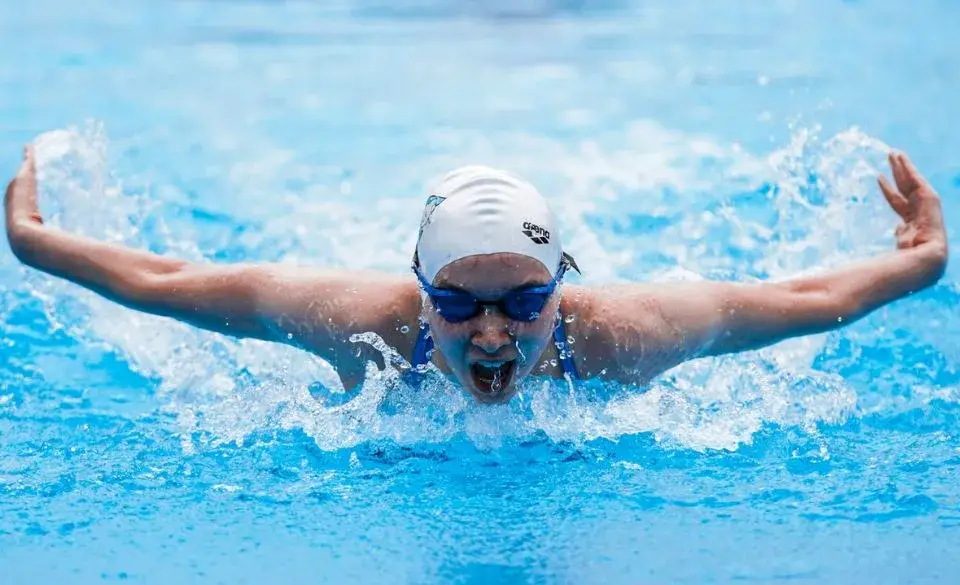
Butterfly stroke is challenging but rewarding. It focuses on the chest, shoulders, and arms. This technique builds upper body power. It’s perfect for those seeking a high-intensity workout.Breaststroke For Flexibility
Breaststroke enhances flexibility in the hips and legs. The wide movements stretch and tone muscles. This stroke also helps in improving coordination. It’s a good option for a balanced muscle development.Integrating Resistance Training
Swimming is a fantastic workout for overall fitness. It tones muscles and builds endurance. But to maximize muscle growth, integrating resistance training is essential. Resistance tools in swimming challenge the body. They increase muscle engagement and strength. Let’s explore some effective tools.
Using Swim Paddles
Swim paddles are excellent for adding resistance to swimming. They attach to your hands and increase the surface area. This makes each stroke more demanding. The extra resistance forces your muscles to work harder. This improves strength and muscle definition. Using paddles enhances upper body workouts. It targets shoulders, arms, and chest.
Incorporating Kickboards
Kickboards focus on the lower body. Holding a kickboard isolates your legs. This allows you to concentrate on kicking. It builds leg strength and endurance. Kickboards are simple yet effective. They challenge your thighs, calves, and glutes. Consistent use leads to noticeable muscle tone. It’s an excellent way to integrate resistance training.
Weighted Swim Belts
Weighted swim belts add resistance to your entire body. They are worn around the waist. The added weight increases the effort needed to stay afloat. This engages core muscles and stabilizers. Weighted belts provide a full-body workout. They are perfect for enhancing muscle growth. Using them regularly improves balance and strength.
Nutrition For Aquatic Athletes
Swimming builds muscle and boosts endurance. For aquatic athletes, proper nutrition is essential. It ensures optimal performance and muscle growth. Balanced meals provide necessary energy and recovery support. Key nutrients play a vital role in enhancing swimming performance.
Protein Intake
Proteins help repair and build muscles. Swimmers need a good amount of protein daily. Lean meats, fish, eggs, and beans are excellent sources. Include them in every meal for better muscle recovery. Protein shakes also offer a quick option post-swim.
Hydration Essentials
Staying hydrated is crucial for swimmers. Water maintains energy and prevents cramps. Drink water before, during, and after swimming. Electrolyte drinks help replenish salts lost through sweat. Monitor urine color to ensure proper hydration levels.
Energy-boosting Foods
Swimmers need energy-rich foods for stamina. Carbohydrates provide the main energy source. Whole grains, fruits, and vegetables are great options. Oatmeal, bananas, and sweet potatoes offer lasting energy. Include them in pre-swim meals for best results.

Credit: www.youtube.com
Common Mistakes To Avoid
Swimming is an incredible workout that can help build muscle, but there are common mistakes that can hinder your progress. Understanding these pitfalls can make your training more effective and rewarding. Let’s dive into the specifics to ensure you’re on the right track.
Overtraining In The Pool
It’s easy to think that spending more time in the pool will lead to better results. However, overtraining can lead to fatigue and decreased performance. Swimming too much without rest can also increase the risk of injury.
Balance your workouts with adequate rest days. Listen to your body and adjust your routine accordingly. Have you ever noticed yourself feeling exhausted rather than energized after a swim session? This might be a sign to scale back.
Neglecting Dryland Workouts
Dryland training is essential to complement swimming. Building muscle requires a mix of exercises, not just those performed in the water. Strength training outside the pool can enhance your swimming performance.
Incorporate exercises like planks, squats, and push-ups into your routine. These workouts target muscles that swimming might miss. Have you tried adding a simple weightlifting session to your weekly schedule?
Ignoring Recovery Time
Recovery is as crucial as the workout itself. Without proper recovery, muscles can’t repair and grow. Ignoring recovery time can lead to burnout and plateauing in your muscle-building journey.
Make sure to get enough sleep and hydration. Consider practices like stretching and massage to aid recovery. How often do you take time to focus solely on recovery? It might be the missing piece in your muscle-building puzzle.
Success Stories Of Muscle Building Swimmers
Many swimmers share inspiring muscle-building stories. Swimming combines resistance training and cardio, promoting muscle growth and strength. Discover how swimmers achieve toned physiques and improve their overall fitness.
Swimming is often seen as a cardio workout, but many athletes have proven it can also be a powerful tool for building muscle. These success stories showcase how swimming can transform your physique while offering unique benefits like improved flexibility and endurance.Real-life Transformations
Some swimmers have seen dramatic changes in their muscle tone and strength by focusing on specific swim strokes. Take Michael, a recreational swimmer who dedicated himself to perfecting the butterfly stroke. Over time, he noticed significant muscle growth in his shoulders and back, all while enhancing his cardiovascular health.Combining Strength Training With Swimming
Sarah, a competitive swimmer, shares her journey of combining strength training with her swim routine. By adding resistance exercises like pull-ups and bench presses, she amplified her upper body muscle mass. Her story illustrates the synergy between swimming and gym workouts, encouraging swimmers to integrate weight training for balanced muscle development.Innovative Training Techniques
Tom, another avid swimmer, discovered the benefits of using swim paddles and resistance bands. These tools allowed him to target specific muscle groups more effectively. His approach demonstrates how using innovative techniques can elevate your swimming routine, leading to noticeable muscle gains without stepping out of the pool.Community Support And Motivation
Joining a swimming community can be a game-changer for motivation and progress. Emily found that participating in swim groups provided not only technique tips but also encouragement to push her limits. Her success story emphasizes the importance of community support in achieving muscle-building goals through swimming.Overcoming Challenges
Every journey has its hurdles. Mark had to overcome initial muscle soreness and fatigue but persisted with a balanced swim schedule. His experience shows that while swimming can be tough at first, persistence leads to rewarding muscle growth and improved stamina. How do you tackle challenges in your fitness journey?
Credit: www.instagram.com
Creating A Balanced Workout Plan
Creating a balanced workout plan is essential for building muscle through swimming. Swimming offers a full-body workout, targeting multiple muscle groups. A well-structured plan enhances strength and endurance. It ensures steady progress without risking injury. This guide helps you design an effective swimming routine.
Setting Achievable Goals
Begin by setting clear, realistic goals. Define what you want to achieve with your swimming workouts. Are you aiming to increase muscle mass or improve endurance? Specify targets like swimming for a certain time or completing a set number of laps. Break large goals into smaller milestones. This approach makes tracking progress easier and keeps motivation high.
Mixing Techniques And Intensities
Vary your swimming techniques to engage different muscle groups. Incorporate freestyle, breaststroke, and backstroke into your routine. Each stroke challenges muscles in distinct ways. Alternate between high and low intensities. Short bursts of high-intensity swimming improve cardiovascular health. Longer, moderate sessions build endurance. Mixing these elements prevents boredom and stimulates different muscle fibers.
Tracking Progress
Regularly monitor your progress to stay on track. Keep a log of your swimming sessions. Record the distance, time, and strokes used. Note any improvements in stamina or strength. Use benchmarks to evaluate your advancement. Adjust your plan based on your findings. Tracking progress allows you to celebrate achievements and identify areas for improvement.

Credit: www.instagram.com
Frequently Asked Questions
Can Swimming Help Build Muscle Effectively?
Yes, swimming can help build muscle effectively. It engages multiple muscle groups simultaneously, offering resistance similar to weight training. The continuous motion in water provides a full-body workout, promoting muscle growth. Incorporating swimming into your routine can enhance muscle tone, strength, and endurance, making it a valuable addition to muscle-building efforts.
Which Swimming Strokes Build The Most Muscle?
Freestyle and butterfly strokes build the most muscle. Freestyle engages your core, shoulders, and legs, providing a comprehensive workout. Butterfly stroke targets your upper body, particularly the shoulders and back. Both strokes require strength and endurance, contributing significantly to muscle growth and overall fitness.
How Often Should I Swim To Build Muscle?
To build muscle, swim 3-4 times weekly. Consistency is key for muscle growth and endurance improvement. Each session should last 30-60 minutes, focusing on different strokes to engage various muscle groups. Combine swimming with strength training and a balanced diet for optimal muscle development.
Is Swimming Better Than Weightlifting For Muscle Growth?
Swimming and weightlifting complement each other in muscle growth. Swimming enhances endurance, tones muscles, and offers cardiovascular benefits. Weightlifting focuses on building muscle mass and strength. Combining both activities provides a balanced workout, maximizing muscle growth, overall fitness, and health benefits.
Conclusion
Swimming offers a unique way to build muscle effectively. It’s a full-body workout that targets various muscle groups. Consistent swimming strengthens your core, arms, and legs. The resistance of water adds a natural challenge. This makes muscles work harder than on land.
Over time, you’ll notice increased strength and endurance. Keep practicing regularly for best results. Mix swimming with other exercises for balanced fitness. Remember, progress takes time and patience. Enjoy the journey and benefits of swimming. Your muscles will thank you.
Dive in and make swimming part of your routine.