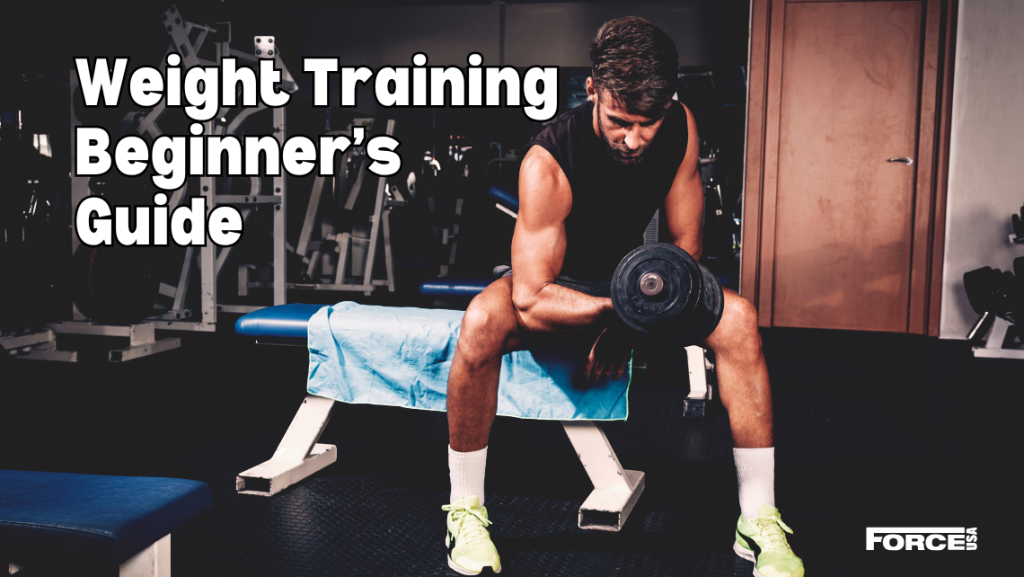
Starting your gym journey can feel overwhelming. With so many machines, exercises, and fitness plans, where do you even begin?
If you’ve ever felt lost or intimidated stepping into a gym, you’re not alone. Many beginners share the same concerns. But here’s the good news: you’re about to discover a straightforward path to effective gym workouts. This guide is designed just for you, breaking down the essentials in a way that’s easy to understand and apply.
Imagine walking into the gym with confidence, knowing exactly what to do to reach your fitness goals. Ready to transform your workouts and get the results you want? Let’s dive in and unlock the secrets to a successful gym routine that works for you.
Choosing The Right Gym
Choosing the right gym is crucial for beginners eager to start workouts. Consider location, equipment variety, and membership fees. Comfortable environments with friendly staff make the experience enjoyable.
Choosing the right gym is crucial for your fitness journey. Your gym should inspire and motivate you. It should be a place that feels welcoming and suits your needs. Consider several factors before making a decision. These factors include location, membership options, and available equipment. Each of these aspects plays a vital role in your gym experience.Location And Accessibility
The gym’s location matters a lot. Choose a gym close to your home or work. This makes it easier to visit regularly. Consider the traffic and public transport options. A gym that’s easy to reach encourages frequent workouts. Check the parking facilities too.Membership Options
Gyms offer various membership plans. Some have monthly subscriptions, while others offer yearly plans. Compare the costs and see what fits your budget. Look for promotions or discounts for beginners. Make sure there are no hidden fees. Read the contract details carefully before signing.Equipment And Facilities
A good gym should have the right equipment. Look for a variety of machines and free weights. Check if the gym has cardio equipment like treadmills and bikes. Facilities like shower rooms and lockers are also important. Visit the gym and see if it’s clean and well-maintained. A comfortable environment enhances your workout experience.
Credit: hu.pinterest.com
Setting Fitness Goals
Starting a gym routine? Set clear fitness goals to stay motivated. Choose realistic targets and track progress regularly.
Setting fitness goals is the first step in your gym journey. Goals give direction and motivation. They help measure success and stay focused. Without goals, workouts can seem pointless.Short-term Goals
Short-term goals keep you motivated. They are achievable in a few weeks. Start with simple goals. Try to increase your workout frequency. Aim to lift heavier weights. Set targets like running an extra mile. These goals build confidence. They make exercise feel rewarding.Long-term Objectives
Long-term objectives shape your fitness journey. They require dedication and patience. Think about where you want to be in a year. Do you want to lose weight or gain muscle? Maybe you want to improve endurance. Set realistic objectives. Break them into smaller steps. Long-term goals need consistency. They ensure you stay committed.Tracking Progress
Track progress to see improvements. Keep a workout journal. Record exercises, sets, and reps. Note any changes in strength or stamina. Use apps to monitor your achievements. Look at your progress monthly. Adjust goals if needed. Tracking shows how far you’ve come. It keeps you motivated to continue.Understanding Gym Equipment
Stepping into a gym for the first time can feel like entering a maze of unfamiliar machines and weights. Understanding gym equipment is crucial for maximizing your workouts and preventing injuries. This guide will help you navigate the essentials, breaking down the types of equipment into manageable categories. Whether you’re aiming to burn calories or build muscle, knowing how to use the right tools can transform your gym experience.
Cardio Machines
Cardio machines are your go-to for elevating heart rate and torching calories. You’ll encounter treadmills, ellipticals, and stationary bikes, each offering unique benefits. Ever tried a rowing machine? It’s a fantastic full-body workout that combines cardio with strength training. Don’t hesitate to test different machines to find which aligns with your fitness goals.
Strength Training Equipment
Strength training equipment is essential for building muscle and increasing endurance. Machines like leg press, chest press, and lat pull-down guide your movements, making them ideal for beginners. These machines ensure proper form, allowing you to focus on the muscle groups you’re targeting. As you grow more confident, consider incorporating cable machines that offer versatility and a range of motion.
Free Weights And Accessories
Free weights include dumbbells, barbells, and kettlebells, offering endless possibilities for your workout routine. They require balance and control, engaging multiple muscle groups simultaneously. Have you ever tried using resistance bands? They’re a great accessory to add variety and challenge to your workouts. Explore different weights and accessories to add a personal touch to your routine.
Have you ever walked into a gym and felt overwhelmed by the options? By understanding the purpose of each piece of equipment, you can tailor your workout to match your fitness goals and preferences. Dive in, experiment, and discover what works best for you. Your journey in the gym is just beginning, and the possibilities are endless. What’s your favorite equipment to use in the gym?
Creating A Workout Plan
Creating a workout plan as a beginner involves setting clear goals and understanding gym equipment basics. Focus on balancing strength, cardio, and flexibility exercises for a comprehensive routine. Gradually increase intensity to build endurance and strength over time.
Creating a workout plan is a vital step in starting your gym journey. It’s like setting a roadmap to reach your fitness goals. Without a plan, you might feel overwhelmed, unsure of what exercises to do or how often. A well-crafted plan gives you structure and helps track progress. Whether you’re aiming to lose weight, build muscle, or just feel healthier, a workout plan is your guide.Balancing Cardio And Strength
Finding the right balance between cardio and strength training is crucial. Cardio helps improve heart health and burn calories, while strength training builds muscle and boosts metabolism. Consider what you want to achieve. If your goal is weight loss, aim for more cardio sessions. For muscle building, focus more on strength workouts. You might start with three days of cardio and two days of strength training. Adjust based on how your body feels and responds. Remember, both types of exercise have unique benefits that complement each other.Weekly Schedule
Creating a weekly schedule keeps you organized and committed. Start by setting specific days for workouts. You could plan for Monday, Wednesday, and Friday as strength days, with Tuesday and Thursday dedicated to cardio. This setup gives you variety and keeps your routine exciting. Mixing things up prevents boredom and maintains motivation. Track your progress weekly and make adjustments. Maybe you notice you’re more energized after cardio, so you might add another session. It’s your schedule; make it work for you!Rest And Recovery Days
Rest days are as important as workout days. They allow your muscles to repair and grow stronger. Without recovery time, you risk overtraining and injury. Plan at least one or two rest days each week. Use these days to relax and recharge. Consider light activities like walking or yoga to stay active without overexerting. Listen to your body. If you’re feeling fatigued, it’s okay to take an extra rest day. Prioritizing recovery ensures long-term success and keeps you feeling your best. Creating a workout plan is a personal journey. As you begin, ask yourself: What’s most important to me? Tailor your plan to fit your lifestyle and goals. Embrace the process and enjoy the transformative experience of getting stronger and healthier.Warm-up And Cool-down
Beginner gym workouts benefit from effective warm-up and cool-down routines. Warm-ups prepare muscles and reduce injury risks. Cool-downs help muscles relax and recover post-exercise.
Starting your gym workout with a proper warm-up and ending with a cool-down is crucial for overall fitness and injury prevention. Think of your body as a machine that needs a gentle start and a smooth finish. Many beginners overlook these steps, yet they are vital for maximizing your workout potential and ensuring muscle recovery.Importance Of Warming Up
A good warm-up prepares your body for the intense workout ahead. It increases your heart rate, which boosts blood flow to your muscles. This helps in reducing the risk of injuries. Imagine jumping straight into a workout with cold muscles. The risk of strains or sprains is high. A well-executed warm-up can be as simple as five minutes of light jogging or dynamic stretches. A warm-up also mentally prepares you for the workout. It sets the tone and shifts your focus onto the exercises you plan to tackle. Have you ever noticed how a proper warm-up can make your workout feel more manageable?Effective Cool-down Techniques
Cooling down helps your body transition back to its resting state. It gradually lowers your heart rate and helps prevent dizziness or fainting. A cool-down can include walking for a few minutes followed by static stretches. Stretching helps in releasing tension and aids muscle recovery. Breathing exercises during the cool-down can also be beneficial. They help in calming your mind and reducing stress levels. Have you tried sitting quietly and focusing on your breath after a workout? Incorporate these techniques to ensure a balanced and effective gym routine. Remember, the time you invest in warming up and cooling down is just as important as the workout itself.Basic Exercises For Beginners
Starting your gym journey can be both exciting and intimidating. The key is understanding the basics, which will set a solid foundation for your fitness goals. Basic exercises for beginners are designed to introduce you to essential movements, helping you build strength and confidence without overwhelming yourself. Let’s explore how you can effectively target your upper body, lower body, and core, ensuring a balanced workout routine.
Upper Body Workouts
Working on your upper body not only improves your appearance but enhances your functional strength. Start with exercises like push-ups, which engage your chest, shoulders, and triceps. If you’re new, begin with incline push-ups against a wall or bench.
- Push-ups:Start with 3 sets of 5-10 reps, gradually increasing as you gain strength.
- Dumbbell Rows:Great for your back and arms. Use light weights and focus on form.
Consider incorporating shoulder presses using dumbbells to boost your shoulder strength. Maintain a straight back and engage your core throughout the movement.
Lower Body Workouts
Strong legs are crucial for overall fitness and day-to-day activities. Squats are a fantastic starting point, targeting your thighs and glutes. Begin with bodyweight squats to perfect your form before adding weights.
- Bodyweight Squats:Aim for 3 sets of 10-15 reps, ensuring your knees don’t extend past your toes.
- Leg Press:A machine-based exercise to strengthen your quads and hamstrings.
Lunges are another excellent option for beginners, promoting balance and coordination. Try alternating lunges and keep your upper body steady.
Core Strengthening Exercises
A strong core is the backbone of any fitness routine. It enhances stability and posture. Start with planks, which are simple yet effective. Hold for 20-30 seconds and gradually increase the duration.
- Planks:Engage your entire core, maintaining a straight line from head to heels.
- Russian Twists:Sit with knees bent and twist your torso, engaging obliques.
Try adding bicycle crunches to your routine to target your abs and obliques. Ensure slow and controlled movements for maximum effect.
As you progress, remember that consistency is key. Which exercise are you most excited to try? Dive into your workout, and let each session be a step towards your fitness journey.
Staying Motivated
Staying motivated in the gym begins with setting small, achievable goals. Celebrate each milestone to keep the enthusiasm alive. Surround yourself with a positive environment and track progress regularly.
Staying motivated in your gym journey is often the toughest part. Initially, the excitement of starting a new workout regime keeps you going. But as time passes, maintaining that enthusiasm can become challenging.Finding A Workout Buddy
Having a workout buddy can be a game-changer. It adds a layer of accountability and makes gym sessions more enjoyable. Imagine having someone to share progress and challenges with. You might even find yourself pushing harder, knowing that someone is cheering you on. Do you have someone who can join you in this journey?Setting Milestones
Milestones are crucial for tracking progress. They give you clear targets to aim for. Break down your fitness goals into smaller, achievable steps. Maybe aim to lift a certain weight within a month or run a specific distance by next week. Each milestone achieved is a step closer to your ultimate goal, making the journey feel more rewarding. How will you celebrate your next milestone?Rewarding Yourself
Rewards can be powerful motivators. Treat yourself when you hit a milestone. It could be as simple as enjoying a day off or buying new workout gear. These small rewards reinforce positive behavior and make the process more exciting. What reward will make you feel accomplished?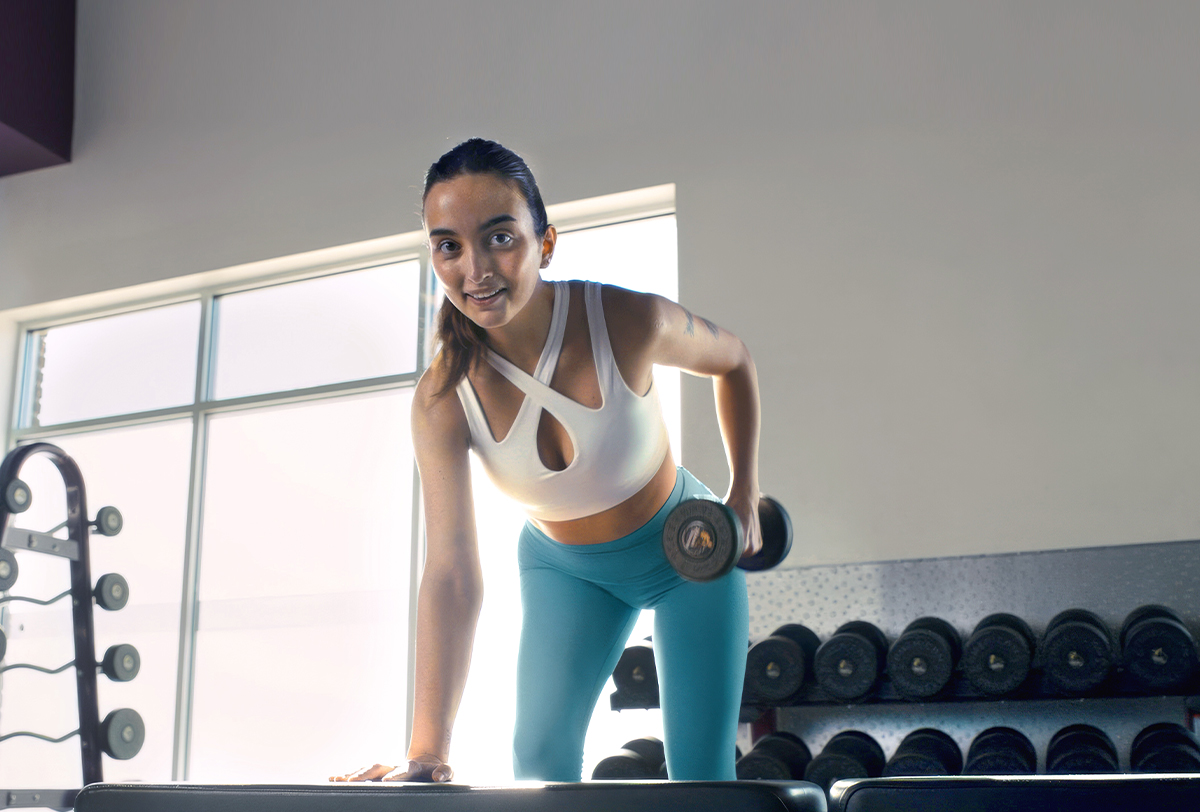
Credit: www.planetfitness.com
Common Mistakes To Avoid
Starting a gym routine can be exciting but also challenging. Beginners often skip warm-ups, risking injury. Overusing weights or machines without proper guidance can lead to setbacks.
Embarking on your gym journey can be exhilarating. You’re motivated, excited, and ready to see results. However, in this enthusiasm, many beginners make certain mistakes that can hinder progress. Let’s delve into some of these common pitfalls and how you can sidestep them.Overtraining
It’s tempting to think that more exercise equals better results. Many newcomers hit the gym every day, pushing their bodies to the limit. This can lead to burnout and injuries. Your body needs time to recover. Rest days are crucial. They allow your muscles to repair and grow stronger. Think of rest as a vital component of your training, not a sign of weakness.Ignoring Form And Technique
Imagine lifting weights with incorrect form. It might not seem like a big deal at first, but poor technique can lead to injuries. Focus on quality over quantity. Take the time to learn proper form. Watch videos, ask trainers for guidance, or use mirrors to monitor your posture. It’s better to lift lighter weights correctly than heavier ones with poor form.Neglecting Nutrition
Exercise is just one piece of the puzzle. What you eat plays a significant role in achieving your fitness goals. Many beginners overlook nutrition, thinking workouts alone will suffice. Consider the importance of a balanced diet. Fuel your body with the right nutrients to enhance your performance and recovery. Are you consuming enough protein, carbs, and healthy fats to support your workouts? Remember, your success in the gym is a blend of effort, knowledge, and dedication. Avoid these common mistakes, and you’ll be on a smoother path to reaching your goals.Safety Tips In The Gym
Beginner gym-goers should prioritize safety by warming up properly and using correct form. Gradually increase workout intensity to avoid injuries. Stay hydrated and listen to your body’s signals for optimal performance.
Safety is paramount in the gym. As a beginner, it’s crucial to establish a strong foundation for safe workout practices. Avoiding injuries and maximizing your fitness journey starts with understanding and implementing essential safety tips. Let’s explore how you can stay safe while smashing your fitness goals.Proper Equipment Use
Using gym equipment correctly is key to preventing injuries. Always start by reading the instructions or asking gym staff for a demonstration. Improper use can lead to strains or sprains. For example, when using weights, ensure your posture is correct. Tighten your core and keep a firm grip. Adjust machines to fit your body size and height before starting. Regularly inspect equipment for wear and tear. If something seems off, inform the gym staff immediately. Remember, your safety is a priority.Listening To Your Body
Your body knows best. Pay close attention to how it feels during workouts. If you experience sharp pain, dizziness, or extreme fatigue, it’s time to pause. Pushing through pain can worsen injuries. Take breaks and hydrate. If something feels wrong, it often is. Trust your instincts. Reflect on your energy levels. Some days, you might need lighter workouts. Honor what your body needs for sustainable progress.Seeking Professional Guidance
Guidance from fitness professionals can be invaluable. Personal trainers offer tailored advice to suit your goals and fitness level. Consider booking a session to learn proper techniques. This helps avoid common mistakes and boosts confidence. Trainers can also create personalized workout plans. Even a quick chat with gym staff can provide insights. They’re often eager to help you maximize your gym experience safely. By focusing on these safety tips, you’ll create a solid foundation for your fitness journey. How do you plan to implement these strategies in your workouts?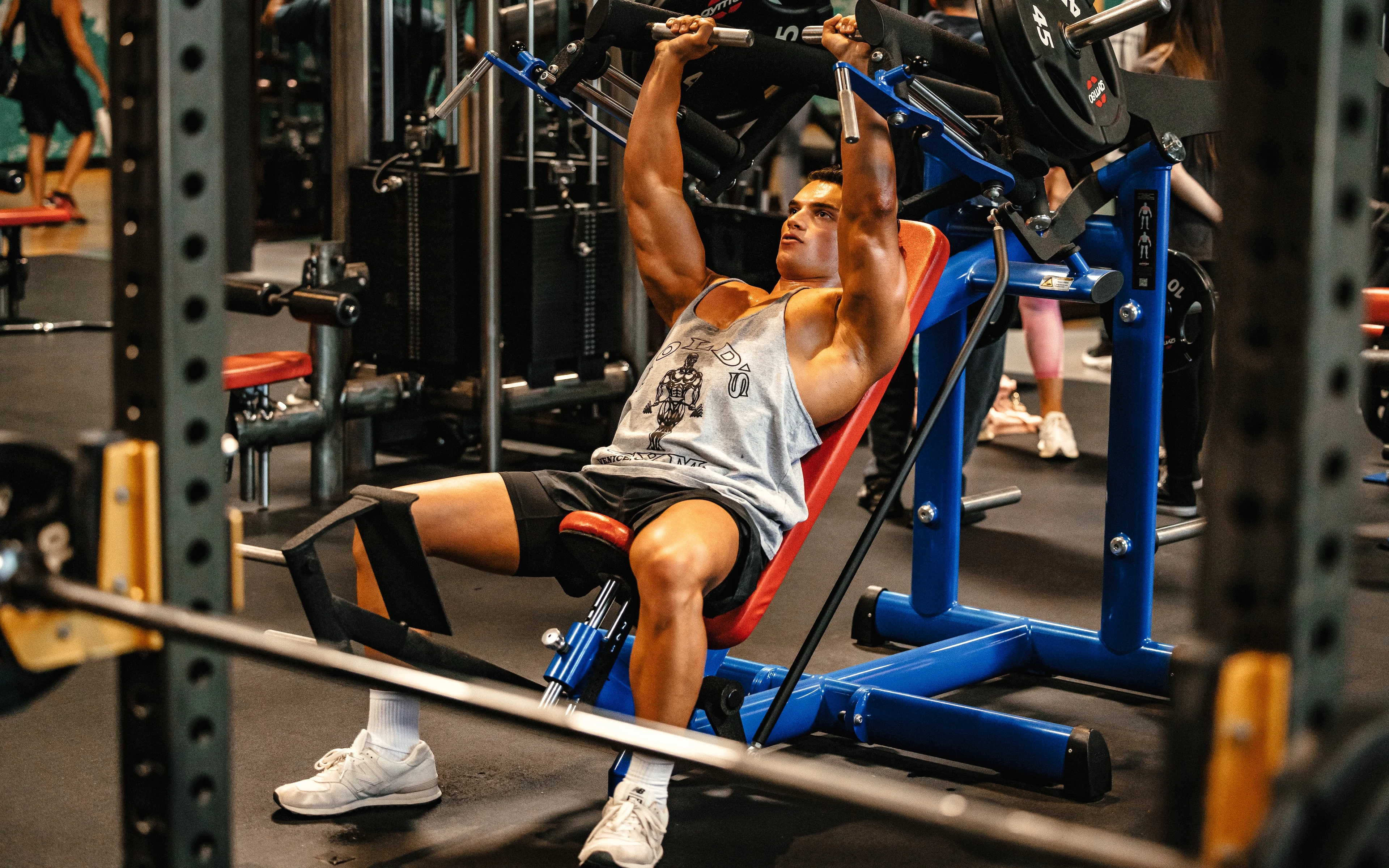
Credit: www.goldsgym.com
Frequently Asked Questions
What Are The Best Gym Workouts For Beginners?
Beginners should focus on compound exercises like squats, deadlifts, and bench presses. These build strength and muscle mass efficiently. Incorporate cardio, such as running or cycling, for overall fitness. Start with light weights, gradually increasing as you become comfortable. Always prioritize proper form to prevent injuries and maximize benefits.
How Often Should Beginners Go To The Gym?
Beginners should aim for 3 to 4 gym sessions per week. This frequency helps build consistency without overwhelming your body. Allow rest days for recovery and muscle growth. Listening to your body is crucial; adjust your schedule based on energy levels and progress.
What Equipment Do Beginners Need For Gym Workouts?
Beginners should start with basic equipment like dumbbells, resistance bands, and a yoga mat. These are versatile and effective for various exercises. Gradually explore machines for targeted workouts. Investing in comfortable workout clothes and shoes enhances your gym experience and performance.
How Can Beginners Avoid Gym Injuries?
Proper form and technique are essential to avoid injuries. Start with lighter weights and increase gradually. Warm up before exercising and cool down afterward. Listen to your body and rest when needed. Consult a trainer for guidance and personalized advice.
Conclusion
Starting a gym workout can be exciting and rewarding. Stick with your routine. Progress at your own pace. Celebrate small wins. Listen to your body and rest when needed. Try new exercises for variety. Stay motivated with a workout buddy.
Track your progress to see improvements. Remember, every step counts. Fitness is a journey, not a race. Enjoy the process and remain committed. The gym is a place to grow stronger. Keep pushing forward. You’ve got this!