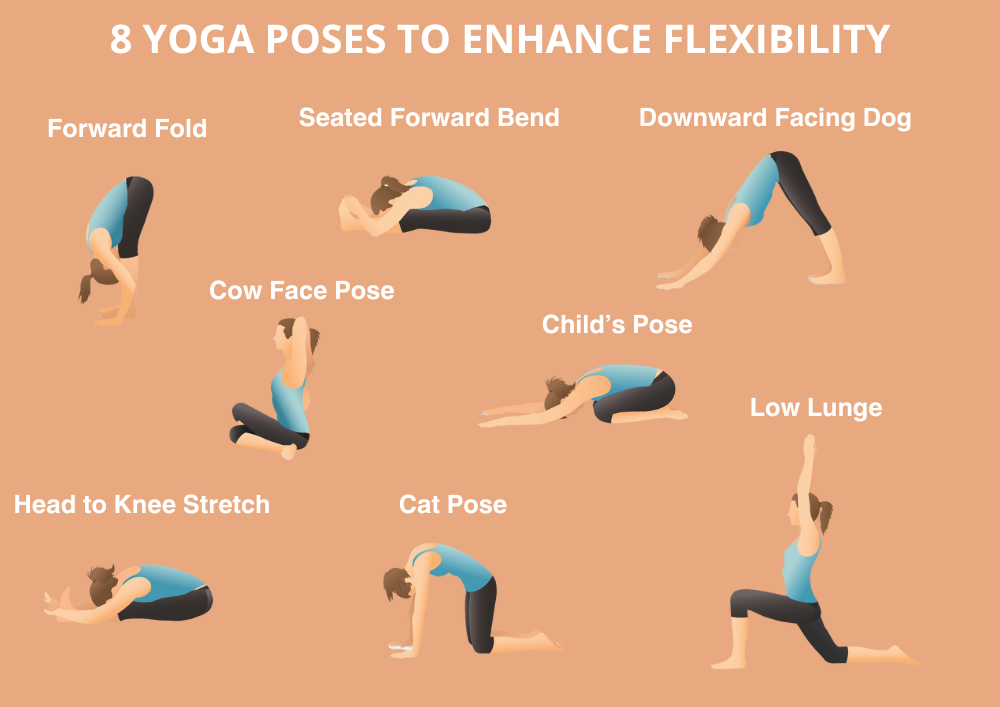
Imagine sinking deeper into each yoga pose, feeling your muscles stretch and elongate with ease. Flexibility isn’t just a dream for seasoned yogis; it can be your reality too.
If you’ve ever envied those who effortlessly transition from one pose to another, this guide is for you. Whether you’re a yoga novice or a seasoned practitioner, improving your flexibility can transform your practice and enhance your overall well-being. You might wonder, “How can I make my body more flexible for yoga?
” The answer lies in a blend of dedication, specific exercises, and smart techniques. In this post, you’ll discover simple yet effective methods to increase your flexibility, making your yoga sessions more fulfilling and enjoyable. Let’s unlock your body’s potential together!

Credit: www.youtube.com
Benefits Of Flexibility In Yoga
Improving flexibility in yoga enhances posture, reduces injury risk, and boosts overall well-being. Stretch regularly and practice gentle poses to gradually increase flexibility.
Flexibility is a key component in yoga practice. It enhances your overall experience and deepens your connection with each pose. Being flexible allows your body to move with ease and grace. It also helps prevent injuries and improves posture. As you become more flexible, you will find that yoga becomes more enjoyable and rewarding.Improved Range Of Motion
Flexibility increases your range of motion. This allows you to move freely without pain. Your joints become less stiff, making everyday tasks easier.Reduced Risk Of Injury
Flexible muscles are less prone to injury. Stretching reduces tension, preventing strains and tears. It also helps your body recover faster from physical activity.Enhanced Posture And Alignment
Good flexibility leads to better posture. It aligns your body correctly, reducing back and neck pain. Proper alignment also improves breathing and circulation.Increased Mental Relaxation
Flexibility training calms the mind. Stretching relieves stress and tension, promoting relaxation. This mental peace enhances your yoga practice.Boosted Athletic Performance
Flexible bodies perform better in sports. Improved flexibility increases strength and endurance. It also enhances balance, coordination, and agility.Setting Realistic Goals
Creating a flexible body for yoga involves setting realistic goals. Start with gentle stretches and gradually increase intensity. Consistent practice and patience will help improve flexibility over time.
Setting realistic goals is crucial for improving flexibility in yoga. Many beginners want quick results. But flexibility takes time and patience. Setting achievable goals helps you stay motivated. It also prevents injury from overextending yourself.Understanding Your Current Flexibility Level
Before setting goals, assess your current flexibility. Try simple stretches to see your limits. This will help you set realistic targets. Remember, everyone starts at different levels.Breaking Down Long-term Goals Into Smaller Milestones
Big goals can feel overwhelming. Break them into smaller, manageable steps. If you want to touch your toes, start by reaching your shins. Celebrate each small achievement. It keeps you motivated.Setting Time-based Targets
Decide how much time you can dedicate to yoga. Consistency is key. Even 10 minutes a day can make a difference. Set a schedule that fits your lifestyle.Focusing On Progress, Not Perfection
Yoga is a journey, not a destination. Avoid comparing yourself to others. Focus on your own progress. Every stretch, no matter how small, counts.Adjusting Goals As You Progress
Flexibility improves with practice. Regularly review your goals. Adjust them as you become more flexible. This keeps your practice challenging and rewarding. Your body knows its limits. Listen to it. If a pose feels painful, ease off. Pushing too hard can cause injury. Flexibility is about gentle progress.Seeking Guidance From A Yoga Instructor
A yoga instructor can offer valuable advice. They can suggest poses and techniques. This guidance can help you set and achieve realistic goals.Warm-up Routines
Getting your body ready for yoga requires a thoughtful approach to warm-up routines. These routines are crucial as they prepare your muscles and joints for deeper stretches, minimizing the risk of injury. Let’s dive into two essential warm-up techniques that can enhance your flexibility for yoga.
Dynamic Stretches
Dynamic stretches are a fantastic way to get your body moving and ready for yoga. Unlike static stretches, dynamic stretches involve movement, which increases blood flow to your muscles. You might try arm circles or leg swings to loosen up those joints.
Imagine you’re waking up each muscle group, telling them, “Hey, we’re about to do yoga!” Keep your movements controlled and intentional, focusing on the areas that feel tight. This gradual increase in movement can help your body feel more prepared for the poses ahead.
What about experimenting with some gentle lunges or torso twists? These movements engage multiple muscle groups and encourage fluidity. They are also a great way to check in with your body, noticing how each part feels before diving into your practice.
Gentle Movements
Gentle movements can be a soothing way to ease into your yoga routine. Think of these as the calm before the storm, allowing your body to slowly transition into activity. Light neck rolls or shoulder shrugs can be a good start.
These movements should feel natural and comforting, like a deep breath for your muscles. Try adding some gentle hip circles to release any tension in your lower body. This can be particularly helpful if you spend a lot of time sitting.
Have you ever noticed how differently your body responds when you approach your practice with kindness? Gentle movements can set a positive tone for your session, encouraging mindfulness and presence. It’s about listening to your body and giving it what it needs to thrive in each pose.
Essential Yoga Poses
Enhancing flexibility for yoga involves practicing essential poses regularly. Start with gentle stretches to loosen muscles. Incorporate poses like Cat-Cow and Downward Dog for gradual improvement.
Developing flexibility for yoga can be an exciting journey, and practicing essential yoga poses is a great start. These poses help you stretch, strengthen, and tone your body, making it more receptive to the deeper stretches and flows. As you explore each pose, you’ll notice improvements in your overall flexibility and balance.Forward Folds
Forward folds are a fantastic way to stretch the hamstrings, calves, and spine. They can also help calm the mind and relieve stress. Start with a simple standing forward fold by bending at the hips and allowing your upper body to hang freely towards the floor. Keep your knees slightly bent if you feel any strain. As your flexibility increases, try to straighten your legs and deepen the stretch.Twists And Turns
Twisting poses can invigorate the spine and improve flexibility in your back and shoulders. One effective twist is the seated spinal twist. Sit with your legs extended, cross one leg over the other, and rotate your torso towards the bent knee. This pose not only stretches your spine but also massages your internal organs, aiding in digestion. Remember to keep your spine straight as you twist, and breathe deeply to enhance the stretch. Incorporating these essential yoga poses into your routine can lead to significant improvements in flexibility. Which pose will you start with today?Daily Stretching Practices
Yoga demands flexibility. Daily stretching helps enhance your body’s adaptability. It supports better posture, reduces muscle soreness, and prepares you for yoga poses. Embrace daily stretching as a routine. Integrate it into morning and evening rituals. You’ll notice improvements in your range of motion and overall comfort.
Morning Routine
Kickstart your day with morning stretches. They energize the body and mind. Begin with gentle stretches as soon as you wake up. Focus on neck, shoulders, and back. Simple neck rolls relieve tension. Shoulder shrugs and circles increase circulation. Back stretches like cat-cow pose warm up the spine. Spend five minutes on this routine. It sets a positive tone for your day.
Evening Routine
Wind down with evening stretches. They relax muscles after a long day. Start with deep breathing exercises. Inhale deeply, exhale slowly. Follow with forward bends to release lower back tension. Stretch your legs with seated toe touches. Side stretches relieve tension in the torso. Hold each stretch for 15 seconds. Feel your muscles relax and elongate.

Credit: www.youtube.com
Incorporating Props
Using props in yoga boosts flexibility and enhances practice. They provide support and stability, helping you achieve poses safely. Props cater to various needs and levels, ensuring accessibility for all. Incorporating them creates a more comfortable and effective yoga experience.
Using Blocks
Blocks offer assistance in reaching the floor during poses. They help maintain alignment and balance, making stretches deeper. Choose blocks made of foam or cork for comfort. Place them under hands or feet to reduce strain. Adjust the height for personalized support.
Straps
Straps extend your reach in poses like forward bends. They help hold feet or hands when flexibility is limited. Use straps to maintain alignment without overextending. Wrap them around feet or hands for secure positioning. Choose adjustable straps for versatility.
Bolsters
Bolsters provide cushioning and support in restorative poses. They help relax muscles and deepen stretches. Use bolsters under the knees or spine for comfort. They enhance relaxation in seated and lying positions. Choose bolsters with firm filling for stability.
Breathing Techniques
Deep breathing techniques can enhance body flexibility for yoga. Focused breathing helps relax muscles and increase stretchability, making yoga poses easier.
Breathing techniques are a cornerstone in enhancing flexibility for yoga. You might wonder how something as simple as breathing can make a difference. Well, the breath is not just air; it’s your body’s way of communicating relaxation and readiness. By mastering your breath, you can ease tension in your muscles, allowing for greater flexibility. Imagine the last time you felt stressed; your muscles likely tensed, making movement difficult. Now, think of those moments when you exhaled deeply and felt instant relief. Engaging in conscious breathing not only relaxes the mind but also preps your body to stretch further than you thought possible. Let’s dive into two powerful breathing techniques that can transform your yoga practice.Deep Breathing
Deep breathing, or diaphragmatic breathing, is about filling your lungs to capacity. Sit comfortably with your back straight and shoulders relaxed. Place one hand on your chest and the other on your abdomen. As you inhale deeply through your nose, feel your abdomen rise, then your chest. Hold your breath for a count of four, then exhale slowly through your mouth. Practice this for a few minutes each day. You’ll notice how your body gradually relaxes, making it easier to stretch.Mindful Breathing
Mindful breathing is about being present with your breath. Focus on each inhale and exhale without altering its natural rhythm. Find a quiet space where you won’t be disturbed. Close your eyes and bring attention to your breath as it flows in and out. As thoughts arise, acknowledge them but gently guide your focus back to breathing. This practice helps reduce distractions, allowing you to be fully present during yoga. Remember, consistency in mindful breathing can enhance not just your flexibility but your overall yoga experience. Are you ready to see how your breath can transform your flexibility journey?
Credit: www.youtube.com
Building A Consistent Practice
Building a consistent practice is key to enhancing body flexibility for yoga. Focus on regular stretching exercises and maintain a daily routine. Gradual progress will help improve flexibility over time.
Building a consistent practice is key to becoming more flexible for yoga. Regular practice helps your muscles adapt and stretch over time. Start slow and listen to your body. Gradually increase the time and intensity of your sessions. This ensures safe progress and prevents injuries. You don’t need hours every day. Even short daily sessions help improve flexibility.Find Your Ideal Routine
Discover what fits into your daily life. Some prefer morning stretches. Others enjoy evening sessions. Choose a time that feels right for you. Make it a part of your daily habit. Consistency is more important than duration.Set Realistic Goals
Begin with simple, achievable targets. Aim to touch your toes or hold a pose longer. Celebrate small victories. They motivate you to keep going. Gradual progress builds your confidence and flexibility.Track Your Progress
Keep a journal of your daily practice. Note improvements and challenges. Reflect on your journey. Seeing growth over time boosts your motivation. It helps you understand your body’s needs.Mix Up Your Routine
Incorporate different poses and stretches. Variety helps engage all muscle groups. It prevents boredom and keeps practice exciting. Try new styles like Vinyasa or Hatha. Each offers unique benefits to your flexibility.Practice Mindfulness
Focus on your breath and movements. Mindful practice enhances body awareness. It helps you connect with each stretch. This deepens your flexibility and relaxation. Yoga is not just physical; it’s a mental journey too.Listening To Your Body
Listening to your body helps improve flexibility for yoga. Begin with gentle stretches, focusing on areas that feel tight. Gradually increase intensity while maintaining awareness of your body’s limits.
Listening to your body is essential for achieving flexibility in yoga. Yoga is not just about poses; it’s a journey. Your body knows its limits. Understanding these limits helps prevent injuries. It also fosters a deeper connection between mind and body. Listening encourages patience and self-awareness. This is key to making progress in yoga.Understanding Body Signals
Recognize when your muscles feel tight or sore. This is your body signaling a need for rest. Pushing through pain can lead to injuries. Gentle stretching helps release tension. Listen to your breath; it guides your movements. Slow, deep breaths mean your body is comfortable. If breathing becomes shallow, ease back. Your body is asking for a gentler approach. Set achievable goals for your flexibility journey. Each body is unique. Progress varies from person to person. Start with small goals. Celebrate little milestones. Small steps build confidence. Keep a journal to track progress. Adjust goals as your flexibility improves.Practicing Mindful Movement
Move mindfully during yoga practice. Focus on each movement and its effect on your body. This awareness enhances flexibility. Use props for support. Blocks and straps help achieve poses safely. They allow gradual stretching. Mindful movement reduces strain and boosts confidence.Incorporating Rest Days
Rest days are crucial for flexibility growth. Muscles need time to recover. Rest prevents overuse injuries. Alternate intense yoga sessions with gentle ones. Listen to your body’s need for rest. Rest days refresh the mind, too. They prepare you for more productive practice sessions. Rest is a part of progress.Consulting With Experts
Flexibility is key for a fulfilling yoga practice. Consulting with experts can greatly enhance your journey. They offer personalized advice tailored to your unique needs. Their guidance can prevent injuries and promote a deeper understanding of yoga. Experts provide valuable insights into body mechanics and effective stretching techniques.
Seeking Guidance
Start by seeking guidance from certified yoga instructors. They have years of experience and knowledge. A skilled instructor can identify your flexibility challenges. They offer targeted exercises to address these areas. Regular check-ins with an expert ensure your progress is on track. They can adjust your routine as your flexibility improves.
Joining Classes
Joining yoga classes is another effective approach. Classes offer structured sessions to enhance flexibility. Group settings encourage motivation and consistency. You can learn from observing others. Teachers often provide modifications for different skill levels. This ensures everyone can participate and benefit.
Classes also create a sense of community. Sharing experiences with peers can be encouraging. It can help sustain your commitment to becoming more flexible.
Frequently Asked Questions
How Can I Improve Flexibility For Yoga?
To improve flexibility for yoga, practice regularly and focus on stretching exercises. Incorporate poses that target major muscle groups. Warm up before starting to prevent injuries. Gradually increase the intensity and duration of your practice. Stay consistent and patient, as flexibility improves over time with dedication.
What Are The Best Yoga Poses For Beginners?
For beginners, try poses like Downward Dog, Child’s Pose, and Cat-Cow. These poses enhance flexibility and build strength. They are easy to perform and help in developing body awareness. Focus on breathing while maintaining each pose. Consistent practice leads to improved flexibility and comfort.
How Often Should I Practice Yoga For Flexibility?
For optimal flexibility, practice yoga at least three times a week. Consistency is key to seeing improvements. Short daily sessions can be more effective than sporadic lengthy practices. Listen to your body and avoid overexertion. Gradually increase the intensity and duration to enhance flexibility over time.
Can Yoga Help With Muscle Stiffness?
Yes, yoga can significantly help with muscle stiffness. The stretching involved in yoga reduces tension and promotes relaxation. Regular practice increases blood flow to muscles, enhancing flexibility. It helps in releasing tight muscles and improving overall body mobility. Consistent yoga practice leads to noticeable improvements.
Conclusion
Yoga flexibility grows with patience and practice. Start slow and gentle. Consistent stretching improves your range of motion. Always listen to your body’s signals. Don’t push too hard. Warm up before deeper stretches. Cool down to relax muscles. Regularly try new poses to challenge yourself.
Breathing deeply aids relaxation and focus. Stay hydrated for muscle health. Healthy eating supports flexibility. Join a yoga class for guidance and motivation. Your flexibility journey is personal. Celebrate small victories. With dedication, your body will gradually become more flexible.
Enjoy the progress and feel the benefits.