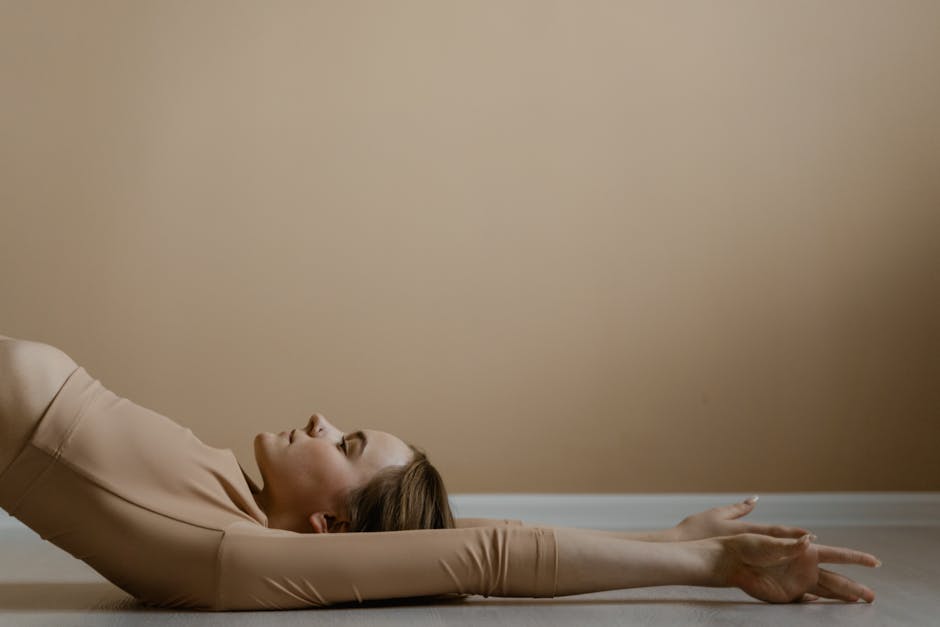
Feeling like a pretzel isn’t a prerequisite for starting yoga. If you’ve been holding back because you think you’re not flexible enough, you’re not alone.
Many people share your concern. But here’s the good news: yoga is about meeting yourself where you are, not where you think you should be. Imagine feeling more relaxed, less stressed, and even a bit more flexible as you go about your daily life.
Intrigued? That’s exactly what you can achieve with yoga, even if you can’t touch your toes just yet. Stick around, and you’ll discover how yoga can fit into your life, no matter your flexibility level. Let’s break down the barriers and get you started on a path that feels right for you.

Credit: www.instagram.com
Benefits Of Yoga For Inflexibility
Starting yoga can help even if you’re not flexible. It improves range of motion over time. Simple poses gradually increase flexibility, making daily movements easier.
Yoga offers numerous benefits for individuals who are not flexible. It’s a common misconception that you need to be able to bend like a pretzel to enjoy yoga. In reality, practicing yoga can be a powerful tool to gradually improve flexibility, while also providing several other physical and mental benefits. If you’re worried about your inflexibility, yoga might be the perfect activity to help you become more comfortable in your own body.Improved Range Of Motion
Yoga gently encourages your muscles to stretch and lengthen over time. Each pose, from the simple cat-cow stretch to the more challenging downward dog, helps to increase your range of motion. You’ll find that with consistent practice, your ability to reach and move will improve significantly.Increased Muscle Strength
Yoga is not just about flexibility; it also builds strength. Holding poses requires your muscles to work, supporting your body’s weight and maintaining balance. These slow and deliberate movements can enhance muscle tone and endurance, providing a balanced workout that complements flexibility training.Enhanced Body Awareness
Yoga cultivates a deeper connection between your mind and body. As you practice, you’ll become more aware of your posture and alignment. This awareness can lead to better movement in daily life and can help prevent injuries by encouraging you to move in a more mindful manner.Stress Reduction And Relaxation
Yoga is well-known for its ability to reduce stress. The breathing techniques and meditative aspects of yoga help calm the mind and promote relaxation. As you focus on each pose and breath, you may find that your worries and tension begin to fade, leaving you with a sense of peace.Better Balance And Coordination
Balance is an essential part of yoga practice, especially in poses like tree or warrior. As you work on these, you’ll notice an improvement in your overall balance and coordination. This can enhance your ability to move gracefully and avoid falls, especially as you grow older.Personal Growth And Confidence
Yoga is a journey, not a destination. As you progress, achieving poses you never thought possible, your confidence grows. You learn to trust your body and its capabilities, fostering a sense of accomplishment and personal growth that extends beyond the yoga mat.Accessible To All Levels
Yoga is adaptable and inclusive. No matter your starting point, there are modifications and props like blocks and straps that can assist you. You can always find a yoga class or video that suits your level, ensuring that you benefit from the practice without feeling overwhelmed. Are you ready to embrace the benefits of yoga for inflexibility? Your yoga mat awaits, ready to guide you towards greater flexibility and well-being.
Credit: www.himalayanyogashram.com
Choosing The Right Type Of Yoga
Starting yoga can be simple even if flexibility is a challenge. Focus on gentle yoga styles like Hatha or Yin, which prioritize slow movements and stretching. These approaches allow beginners to ease into poses without strain, making yoga accessible for all body types.
Choosing the Right Type of Yoga Starting yoga can be intimidating, especially for those who aren’t flexible. Picking the right yoga style is crucial. It helps ease into the practice and prevents injury. Some styles are gentler and cater to beginners. These styles focus on slow movements and breathing. They are ideal for those new to yoga.Gentle Yoga Styles
Gentle yoga is perfect for beginners. It emphasizes slow, controlled movements. These styles help improve flexibility gradually. They also focus on relaxation and breathing techniques. Gentle yoga reduces stress and builds confidence. It’s a great start for those who fear intense workouts.Restorative Yoga
Restorative yoga is about relaxation and healing. It uses props like blankets and cushions. These props support the body and ease tension. The poses are held longer, allowing deep relaxation. Restorative yoga calms the mind and reduces anxiety. It’s perfect for winding down after a long day.Essential Gear For Beginners
Starting yoga can be daunting if you don’t consider yourself flexible, but the right gear can make a huge difference. Essential yoga gear not only helps you perform poses correctly but also boosts your confidence, making your practice enjoyable and safe. Let’s look at what you need to get started.
Yoga Mats
A good yoga mat provides stability and cushioning for your practice. Look for a mat with a non-slip surface; it ensures you maintain your balance, especially in standing poses. Thickness matters too—too thin and you’ll feel every bump on the floor, too thick and you might struggle with balance. A standard thickness of about 1/4 inch works well for most beginners. Think about your personal space and comfort preferences. Would you prefer something extra cushy?
Blocks And Straps
Blocks and straps are invaluable tools for beginners. Blocks act as extensions of your arms, helping you reach the floor or achieve better alignment. They are particularly useful in poses like Triangle and Forward Fold. Straps, on the other hand, offer support in stretching, allowing you to hold poses longer and with more ease. Imagine stretching for a pose without feeling like you’re going to topple over. Consider how these tools can help you enhance flexibility over time.
Using these essentials can transform your yoga experience. Are you ready to discover your own flexibility journey with yoga?
Basic Poses To Start With
Starting yoga can be daunting, especially if you’re not flexible. Don’t worry! Yoga is about building strength and balance, not just flexibility. Begin with simple poses to ease into your practice. These poses are gentle and suitable for beginners.
Mountain Pose
Mountain Pose is a great starting point. Stand tall with your feet together. Press your weight evenly on both feet. Relax your shoulders and keep your arms by your sides. This pose helps improve posture and balance. It’s a grounding pose to connect with your breath.
Child’s Pose
Child’s Pose is restful and calming. Kneel on the floor and sit back on your heels. Stretch your arms forward, palms down, and rest your forehead on the mat. This pose gently stretches your back, hips, and thighs. It’s perfect for relaxing and releasing tension.
Cat-cow Stretch
Cat-Cow Stretch is dynamic and helps increase spine flexibility. Start on your hands and knees. Inhale, arch your back, and lift your head for Cow Pose. Exhale, round your spine, and tuck your chin for Cat Pose. Repeat this flow slowly. It warms up the spine and neck.
Tips For Practicing Safely
Starting yoga when you’re not flexible might feel intimidating, but it’s all about practicing safely to enjoy the benefits without risking injury. By focusing on careful movements and adjustments, you can ease into yoga with confidence. Here are some essential tips to ensure you’re practicing safely as you embark on your yoga journey.
Listening To Your Body
Your body is your best guide. Pay attention to what feels comfortable and what doesn’t. If you feel pain or discomfort, pause and reassess your position. Yoga isn’t about pushing through pain; it’s about finding balance and harmony within your body.
Consider how your muscles feel during a stretch. Are they tense or relaxed? If you’re straining, it’s a sign to soften your approach. Each person’s body responds differently, so trust your instincts and adjust your movements accordingly.
Modifications For Poses
Flexibility varies, and so should your yoga poses. Modifying poses can make yoga accessible to everyone, regardless of their current flexibility level. Use props like blocks or straps to support your body and help you maintain proper alignment.
- For poses like Forward Fold, bend your knees slightly to reduce strain on your hamstrings.
- In Downward Dog, try raising your heels off the ground if your calves are tight.
- Use a strap around your feet to assist in reaching your toes during Seated Forward Bend.
Explore different modifications and find what works best for your body. Remember, the goal is to feel comfortable and secure in each pose. What modifications have you found helpful?

Credit: www.instagram.com
Building A Consistent Routine
Building a consistent yoga routine can transform your physical and mental well-being. Many beginners fear yoga due to flexibility concerns. But flexibility is not a prerequisite. Starting yoga is more about commitment than bending ability. Establishing a routine helps in achieving gradual progress and enjoying yoga’s benefits.
Setting Realistic Goals
Start with small, achievable goals. Focus on practicing yoga regularly, not perfection. Set goals like practicing three times a week. Gradually increase the frequency as comfort grows. Celebrate small milestones to stay motivated. Realistic goals prevent burnout and keep you engaged.
Finding Time For Yoga
Identify the best time for yoga in your daily schedule. Morning sessions can energize the day. Evening practices help relax after work. Even short sessions can be beneficial. Consider a quick 15-minute routine. Consistency is key to forming a habit. Prepare a dedicated space for yoga at home. This reduces distractions and encourages regular practice.
Yoga Resources For Beginners
Starting yoga can feel daunting, especially if you’re not flexible. The good news is that yoga is accessible to everyone. With the right resources, you can ease into your practice at your own pace. Here, we’ll explore some beginner-friendly resources to help you get started with yoga.
Online Classes
Online classes offer flexibility and convenience for beginners. You can practice in your own space and time. Many platforms provide classes specifically for beginners. These classes focus on basic poses and gentle flows.
- Yoga with Adriene:A popular YouTube channel with beginner-friendly playlists.
- Glo:Offers a variety of classes, including beginner sequences.
- DoYogaWithMe:Provides free beginner classes and tutorials.
These platforms allow you to learn at your own pace. They often have community forums for support and encouragement.
Recommended Books
Books can be a great resource for understanding yoga’s fundamentals. They provide detailed instructions and illustrations of poses. Reading can deepen your knowledge and enhance your practice.
- “The Yoga Bible” by Christina Brown:A comprehensive guide with clear illustrations.
- “Yoga for Beginners” by Mark Ansari and Liz Lark:Focuses on simple sequences and tips.
- “Yoga Anatomy” by Leslie Kaminoff:Offers insights into how poses affect the body.
These books are excellent for those who prefer self-paced learning. They can be referenced anytime, making them handy companions for your yoga journey.
Frequently Asked Questions
Can Beginners Do Yoga If Not Flexible?
Absolutely! Yoga is for everyone, regardless of flexibility. Beginners can start with simple poses and gradually improve. Focus on breathing and alignment instead of flexibility. Use props like blocks and straps to assist. Practicing regularly will enhance your range of motion over time.
What Are Easy Yoga Poses For Beginners?
Begin with poses like Child’s Pose, Cat-Cow, and Downward Dog. These poses are gentle and build strength and flexibility. Mountain Pose and Warrior I improve balance. Remember to listen to your body and avoid pushing beyond your limits. Consistent practice leads to progress.
How Often Should You Practice Yoga?
Aim to practice yoga 2-3 times per week. Consistency is key for improvement in flexibility and strength. Short daily sessions can be beneficial. Listen to your body and increase frequency as you become more comfortable. Balance yoga with rest and other physical activities.
Can Yoga Improve Flexibility Over Time?
Yes, regular yoga practice significantly improves flexibility. Poses stretch and strengthen muscles, enhancing range of motion. Gradual progress is normal, so be patient. Consistent practice leads to noticeable improvements. Pair yoga with a balanced diet for optimal results.
Conclusion
Yoga welcomes everyone, regardless of flexibility. Start with basic poses. Listen to your body. Progress at your own pace. Regular practice builds strength and flexibility over time. Enjoy the journey, not just the results. Yoga is about balance, not perfection.
Connect your mind and body. Feel the calmness. Experience the peace in each breath. Consistent practice brings benefits. Feel more relaxed and centered. Yoga is a personal experience. Embrace where you are now. Keep practicing, stay committed. Watch your body transform gradually.
Enjoy the positive changes. Yoga is a lifelong journey.