Are you curious about whether powerlifting can help you build muscle? You’re not alone.
Many fitness enthusiasts and newcomers alike find themselves questioning the effectiveness of powerlifting for muscle growth. If you’ve been lifting weights or considering taking up this intense sport, you’re probably eager to know if it can transform your physique. Imagine seeing significant gains in strength and muscle size, feeling more powerful and confident in your skin.
This is what powerlifting promises, but does it deliver? We’ll uncover the truth behind powerlifting and muscle building. We’ll dive into the science, share expert insights, and explore real-life experiences to help you understand the potential of powerlifting in your fitness journey. Stick around, and you’ll discover whether powerlifting is the key to unlocking the muscle gains you’ve been dreaming of.
Powerlifting Fundamentals
Powerlifting is a popular strength sport focused on three main lifts: the squat, bench press, and deadlift. While it might seem intimidating at first, understanding the fundamentals can simplify the process and help you build muscle effectively. Whether you’re a beginner or looking to refine your technique, mastering these basics is crucial for maximizing muscle growth and preventing injury.
Core Lifts: Squat, Bench, Deadlift
The cornerstone of powerlifting lies in the squat, bench press, and deadlift. Each of these lifts targets different muscle groups, providing a comprehensive workout that builds strength and muscle mass.
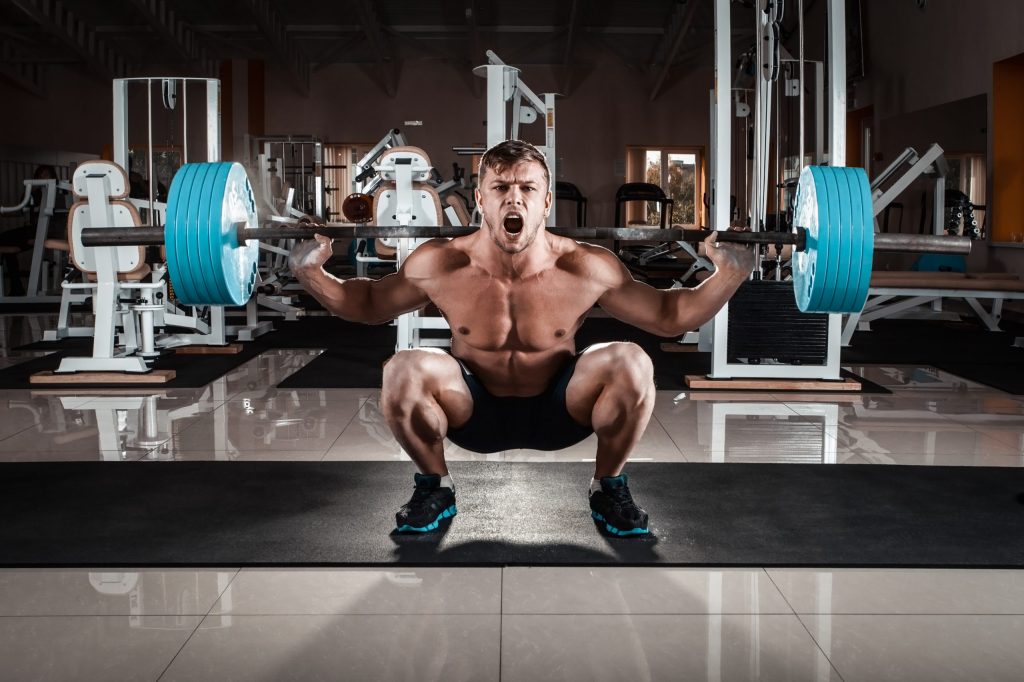
- Squat:This lift primarily targets your quadriceps, hamstrings, and glutes. It also engages your core and lower back for stabilization.
- Bench Press:Focusing on your chest, shoulders, and triceps, the bench press is crucial for upper body strength.
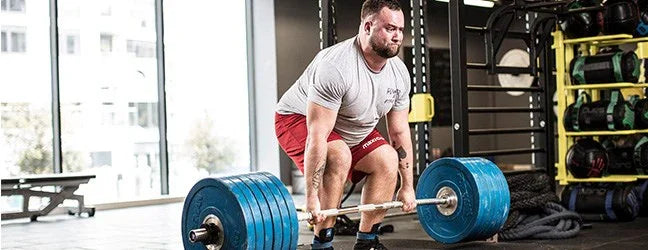
- Deadlift:A full-body movement that works your back, glutes, and hamstrings while also challenging your grip strength.
By incorporating these lifts into your routine, you can ensure balanced muscle development. Have you considered how each lift complements the others in your overall strength training plan?
Technique And Form Essentials
Proper technique and form are non-negotiable in powerlifting. They not only enhance your performance but also protect you from injuries.
Keep your back straight during lifts and engage your core to maintain stability. This is especially important for exercises like the deadlift and squat.
Use a spotter or work with a coach to receive feedback on your form. Even slight adjustments can make a significant difference in your lifting efficiency.
Have you ever noticed how small tweaks in your form can lead to major improvements in your lifting numbers?
Training Frequency And Volume
Finding the right balance between training frequency and volume is key to muscle growth. Overtraining can lead to burnout, while too little effort won’t yield results.
Most powerlifters benefit from training three to four times a week, focusing on one core lift per session. This allows for adequate recovery and muscle building.
Consider structuring your week with varied intensity levels to prevent fatigue. For example, you might have a heavy squat day followed by a lighter bench press day.
What’s your current training schedule, and is it optimized for your muscle-building goals?
Muscle Growth Mechanisms
Powerlifting can effectively build muscle through intense strength training and progressive overload. Lifting heavy weights challenges muscles, promoting growth and increased strength. Consistent training and proper nutrition are essential for optimal muscle development.
Muscle growth in powerlifting is a fascinating process. It involves complex mechanisms that lead to increased muscle size and strength. Understanding these mechanisms can help lifters optimize their training for better results.Hypertrophy Vs. Strength
Hypertrophy refers to muscle size increase. It results from repeated stress on muscles. This stress causes muscle fibers to grow larger. Strength, on the other hand, focuses on the ability to lift heavier weights. Both hypertrophy and strength play key roles in powerlifting. They enhance performance and muscle development.Progressive Overload Principle
The progressive overload principle is vital for muscle growth. It involves gradually increasing the stress on muscles. This can be done by adding more weight or increasing reps. Consistent overload leads to muscle adaptations. These adaptations result in increased size and strength.Role Of Nutrition In Muscle Development
Nutrition is crucial for muscle building. Proteins, carbohydrates, and fats provide energy and repair muscles. Adequate protein intake is essential for muscle repair and growth. Carbohydrates fuel intense workouts, while fats support hormone production. Balanced nutrition ensures optimal muscle development.Comparing Powerlifting To Bodybuilding
Powerlifting focuses on lifting heavy weights with basic exercises. It can effectively build muscle strength and size. Combining powerlifting with proper nutrition enhances muscle growth.
Comparing powerlifting to bodybuilding reveals distinct approaches to muscle development. While both disciplines involve weight training, their goals and methods vary. Understanding these differences can help in choosing the right path for your fitness journey.Focus On Strength Vs. Aesthetics
Powerlifting prioritizes strength. The main goal is lifting heavier weights. Competitions focus on three main lifts: squat, bench press, and deadlift. Success is measured by how much you can lift. Bodybuilding emphasizes aesthetics. The aim is to sculpt a well-defined physique. Muscle symmetry and definition are crucial. Competitions judge based on appearance rather than strength.Training Variations And Goals
Powerlifting routines focus on low reps with heavy weights. This builds maximum strength. The training targets specific muscle groups used in the main lifts. Rest periods are longer to allow full recovery. Bodybuilders train for muscle growth and endurance. Workouts involve higher reps with moderate weights. This enhances muscle size and definition. Rest periods are shorter to maintain intensity.Impact On Muscle Definition
Powerlifting can increase muscle mass but may not define muscles. Strength gains result from lifting heavy. This can lead to bulk without detailed definition. Bodybuilding aims for muscle definition. The training style reduces body fat, revealing muscle lines. Diet plays a crucial role in achieving a lean appearance.
Credit: swolverine.com
Benefits Of Powerlifting For Muscle Gains
Powerlifting is not just about lifting heavy weights; it’s a powerful way to build muscle. This strength training sport focuses on three main lifts: squat, bench press, and deadlift. These compound movements target multiple muscle groups, leading to significant muscle gains. Let’s explore the benefits of powerlifting for muscle growth.
Increased Muscle Density
Powerlifting enhances muscle density through intense weight training. Heavy lifting stimulates muscle fibers, making them thicker and stronger. More muscle density improves physical appearance, giving muscles a firm, defined look. This type of training promotes hypertrophy, leading to noticeable muscle growth over time.
Enhanced Core Stability
Powerlifting boosts core strength. The squat and deadlift require strong core engagement for balance and control. A stable core supports the spine, reducing injury risk. Improved core stability translates into better posture and more efficient movement in daily activities. It’s a vital part of building a solid foundation for overall strength.
Improved Athletic Performance
Powerlifting increases athletic performance by building explosive strength. The lifts enhance power and speed, crucial for many sports. Athletes benefit from improved endurance and agility. Strong muscles support quick movements and better coordination. This translates into better performance on the field or court, enhancing competitive edge.
Common Myths And Misconceptions
Powerlifting is often misunderstood in the world of fitness. Many believe it only suits those wanting to lift heavy or compete professionally. Yet, its benefits extend to muscle building. This section will address common myths and misconceptions about powerlifting. Understanding these will help you appreciate the true nature of this sport.
Powerlifting Makes You Bulky
Many think powerlifting leads to excessive bulkiness. It’s a misconception that lifting heavy weights automatically results in massive muscles. Muscle size depends on various factors like diet and genetics. Powerlifters focus on strength, not just size. They train to lift heavier weights with correct form. This builds muscle without necessarily making one bulky.
Lack Of Muscle Isolation
Some argue powerlifting doesn’t isolate muscles effectively. They believe compound lifts like squats and deadlifts lack isolation benefits. Powerlifting uses compound movements to engage multiple muscle groups. This enhances overall strength and muscle coordination. While it may not isolate like traditional bodybuilding, it builds functional strength. These movements improve muscle interaction and efficiency.
Injury Risks And Safety Concerns
There’s a belief powerlifting is risky and causes injuries. Safety concerns arise from improper technique or excessive weight. With correct form and gradual progression, powerlifting is safe. Coaches emphasize proper techniques to minimize injury risks. Using safety equipment like belts and knee sleeves adds protection. Understanding limits and listening to your body are crucial. Powerlifting enhances muscle strength safely when done right.
Integrating Powerlifting With Other Training
Powerlifting, a strength-focused training, effectively builds muscle by enhancing overall power and endurance. Combining it with other exercises can accelerate muscle growth, offering a balanced approach to fitness.
Integrating powerlifting with other training methods can significantly enhance your muscle-building journey. While powerlifting focuses on lifting heavy weights for fewer repetitions, combining it with other types of exercises can lead to a more balanced and comprehensive fitness routine. This approach not only helps in muscle growth but also improves overall fitness and reduces the risk of injury.Incorporating Accessory Work
Accessory work is essential in addressing muscle imbalances and enhancing your performance in the big lifts. Think of exercises like bicep curls, tricep extensions, and leg curls. These moves target smaller muscle groups that support your main lifts. By adding accessory exercises to your routine, you can strengthen weak points and improve overall strength. This can lead to better results in your powerlifting performance.Balancing Cardio And Strength
Cardio is often the forgotten sibling of strength training, but it plays a crucial role in your overall fitness. It enhances cardiovascular health, aids recovery, and helps manage body fat. The key is finding the right balance so that cardio doesn’t hinder your strength gains. Consider low-impact options like cycling or swimming that complement your lifting routine. It’s about enhancing endurance without sacrificing power.Recovery And Rest Strategies
Muscle growth doesn’t happen during workouts but during rest. Prioritize adequate sleep and active recovery days. Your body needs time to repair and grow stronger after the intense demands of powerlifting. Don’t underestimate the power of rest days. Listen to your body and give it the time it needs to recover. This ensures that when you return to the gym, you’re at your peak performance. How do you plan to integrate other training elements into your powerlifting routine? The possibilities are limitless, but they require thoughtful planning and dedication.Tips For Beginners
Starting powerlifting can be exciting and challenging for beginners. It’s important to approach it with the right mindset and strategies. Here are some tips to help beginners embark on their powerlifting journey effectively.
Starting With Proper Guidance
Seek advice from experienced trainers or join a powerlifting community. Proper form is crucial to avoid injuries and ensure progress. Consider working with a coach who can provide personalized guidance. They will help you understand the basics and correct your technique. Watching instructional videos can also be beneficial.
Setting Realistic Goals
Define what you want to achieve with powerlifting. Set short-term and long-term goals. Ensure they are specific, measurable, and attainable. Avoid aiming too high initially to prevent disappointment. Celebrate small victories to maintain motivation. Adjust your goals as you progress.
Tracking Progress Effectively
Keep a workout journal to track your lifts and progress. Record weights, sets, and repetitions for each session. Note how you feel during workouts. This will help identify patterns and areas for improvement. Use apps or spreadsheets for more detailed tracking. Regularly review your progress and adjust your plan accordingly.

Credit: www.facebook.com
Credit: www.maxinutrition.com
Frequently Asked Questions
Can Powerlifting Increase Muscle Mass?
Yes, powerlifting can significantly increase muscle mass. It involves lifting heavy weights, which stimulates muscle growth. The focus on compound movements, such as squats and deadlifts, targets multiple muscle groups. By progressively increasing the weight, powerlifters encourage muscle hypertrophy, leading to increased size and strength over time.
Is Powerlifting Effective For Muscle Building?
Powerlifting is highly effective for muscle building. It prioritizes heavy lifting and compound exercises, which promote muscle growth. These exercises engage multiple muscle groups simultaneously, enhancing overall muscle development. Consistent training, combined with proper nutrition, ensures optimal results. Powerlifting’s focus on strength gains also contributes to increased muscle size.
How Does Powerlifting Differ From Bodybuilding?
Powerlifting focuses on strength through heavy lifting of squats, deadlifts, and bench presses. Bodybuilding emphasizes muscle size and aesthetics, using varied exercises and higher reps. Powerlifters prioritize lifting heavier weights, while bodybuilders aim for muscle definition. Both contribute to muscle growth, but through different training approaches and goals.
Can Beginners Try Powerlifting For Muscle Growth?
Beginners can certainly try powerlifting for muscle growth. It offers structured training, focusing on core lifts like squats and deadlifts. Starting with manageable weights ensures safety and gradual progress. Proper technique and coaching are vital for effective results. Consistency in training builds strength and muscle over time.
Conclusion
Powerlifting does help in building muscle. It focuses on compound movements. These movements target multiple muscle groups. This leads to effective muscle growth. Consistency is key for results. Pairing powerlifting with proper nutrition aids muscle gain. Rest and recovery also play vital roles.
It’s important to lift safely. Start with lighter weights and proper form. Gradually increase weight as strength improves. Listening to your body prevents injuries. Overall, powerlifting is a strong choice for muscle building. It suits those committed to fitness. Embrace the challenge and enjoy the progress.