Imagine effortlessly flowing through your yoga poses, feeling as though your body is as fluid and graceful as water. The secret to achieving this sensation lies in flexibility.
If you’ve ever struggled with tight muscles or felt frustrated by your current range of motion, you’re not alone. Many yoga enthusiasts, whether beginners or seasoned practitioners, face this challenge. But here’s the good news: improving your flexibility isn’t just possible—it’s achievable with the right approach.
You’ll discover practical tips and techniques to enhance your flexibility, making your yoga practice more enjoyable and effective. Ready to unlock your body’s potential and transform your yoga experience? Keep reading to find out how.
Benefits Of Flexibility In Yoga
Improving flexibility in yoga enhances posture and reduces injury risk. Stretching regularly helps muscles become more elastic. Over time, consistent practice leads to increased range of motion and better balance.
Improving flexibility brings many benefits to your yoga practice. It enhances your ability to perform poses with ease and grace. Flexible muscles reduce the risk of injuries, allowing for a safer experience. Regular stretching can also relieve tension, promoting relaxation and mental clarity. With increased flexibility, you can explore deeper poses and expand your range of motion. This can lead to better posture and alignment. Let’s dive deeper into the benefits of flexibility in yoga.Improved Posture And Alignment
Flexible muscles support proper posture. Yoga poses become easier and more effective. Good alignment reduces strain on joints, preventing injuries. Improved posture boosts confidence and energy.Enhanced Range Of Motion
Flexibility increases your range of motion. You can perform various poses without discomfort. This improvement allows for smoother transitions between poses. It opens the door to exploring advanced yoga techniques.Increased Muscle Strength
Flexibility complements strength training in yoga. Stretching activates muscles, making them stronger over time. Strong muscles support the body in challenging poses. This balance between strength and flexibility enhances overall performance.Stress Relief And Relaxation
Stretching releases tension trapped in muscles. Flexible bodies tend to hold less stress. Yoga encourages relaxation, leading to a calm mind. Regular practice promotes a sense of peace and well-being.Better Circulation
Flexible muscles improve blood circulation. Good circulation delivers nutrients to muscles, aiding recovery. It supports the body’s natural detoxification process. This benefit enhances physical health and vitality.Assessing Your Current Flexibility
Begin by observing your body’s range of motion. Notice any tight spots that might limit your yoga poses. Regular stretching and mindful breathing enhance flexibility over time.
Assessing your current flexibility is an essential step in your journey towards improving your yoga practice. Understanding your body’s limits allows you to set realistic goals and track your progress effectively. This assessment is not about judging yourself but about creating a baseline from which you can grow.Observe Your Daily Movements
Take note of how your body feels during simple daily activities. Do you struggle to bend down and tie your shoes? Are you stiff after sitting for long periods? These observations can offer valuable insights into your flexibility levels.Perform Basic Flexibility Tests
Try some basic flexibility tests at home. For instance, the sit-and-reach test can help you gauge your hamstring flexibility. Simply sit on the floor with your legs straight and reach forward as far as you can. Keep track of your progress over time.Consider Professional Assessments
If you’re unsure about self-assessing, consider visiting a professional. A yoga instructor or physical therapist can provide a detailed analysis of your flexibility. They can also recommend specific poses or exercises to help you improve.Listen To Your Body
Pay attention to how your muscles feel during your yoga practice. Are there poses that cause discomfort or pain? Your body’s reactions are crucial indicators of your flexibility limits. Adjust your practice accordingly to avoid injury.Track Your Progress
Keep a journal to document your flexibility journey. Write down which poses are challenging and note any improvements. Tracking your progress not only motivates but also helps you understand what works best for you. Assessing your flexibility isn’t just a one-time check; it’s a continuous process. How often do you revisit your assessment? Regular evaluations can help you recognize changes and adjust your practice for better results.Warm-up Techniques
Improving your flexibility for yoga starts with effective warm-up techniques. A good warm-up prepares your muscles and joints, reducing the risk of injury and enhancing your performance. Let’s explore some key warm-up techniques that can elevate your yoga practice.
Dynamic Stretching
Dynamic stretching involves active movements that take your muscles and joints through their full range of motion. Unlike static stretching, these stretches are not held for long periods. They are designed to increase blood flow and prepare your body for the yoga session ahead.
- Arm circles can help loosen up your shoulders and improve mobility.
- Leg swings are great for activating hip muscles and increasing lower body flexibility.
- Walking lunges can engage your core and lower body, providing a comprehensive warm-up.
Dynamic stretching not only warms up your muscles but also improves your overall balance and coordination. It’s a great way to transition from a sedentary state to being fully prepared for yoga.
Breathing Exercises
Breathing exercises are often overlooked but play a crucial role in your warm-up routine. Controlled breathing helps calm your mind and prepares you mentally for your yoga practice. It also aids in oxygenating your muscles, which is vital for flexibility.
Try the “4-7-8” breathing technique: inhale for four seconds, hold your breath for seven seconds, and exhale for eight seconds. This exercise can help reduce stress and improve concentration.
Integrating these breathing exercises into your warm-up can make a significant difference. Have you noticed how your breath impacts your ability to stretch further? A calm, focused mind can enhance your physical performance, making your yoga practice more fulfilling and effective.
Key Yoga Poses For Flexibility
Improving flexibility for yoga involves practicing key poses like Downward Dog, Cobra, and Pigeon. These poses gently stretch muscles, enhancing range of motion and reducing stiffness. Consistent practice helps in achieving fluid movements and better posture, making yoga more enjoyable and beneficial.
Flexibility is a key component of yoga, not just for advanced practitioners but for beginners too. It enhances your practice, making poses more accessible and enjoyable. You might be surprised to find how quickly your body adapts with the right poses.Forward Bends
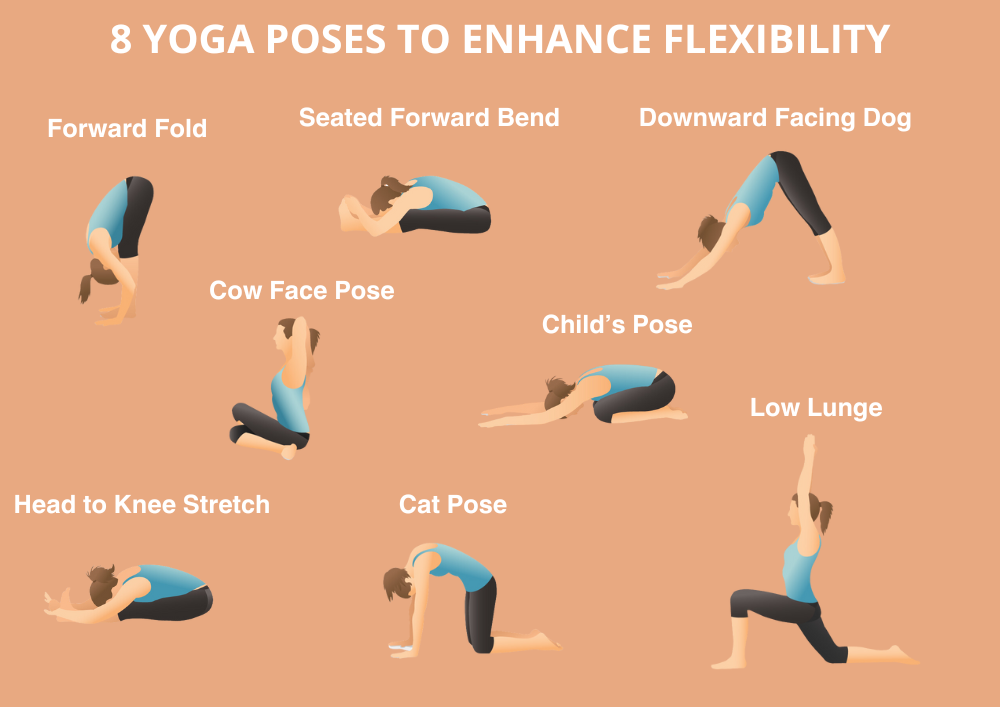
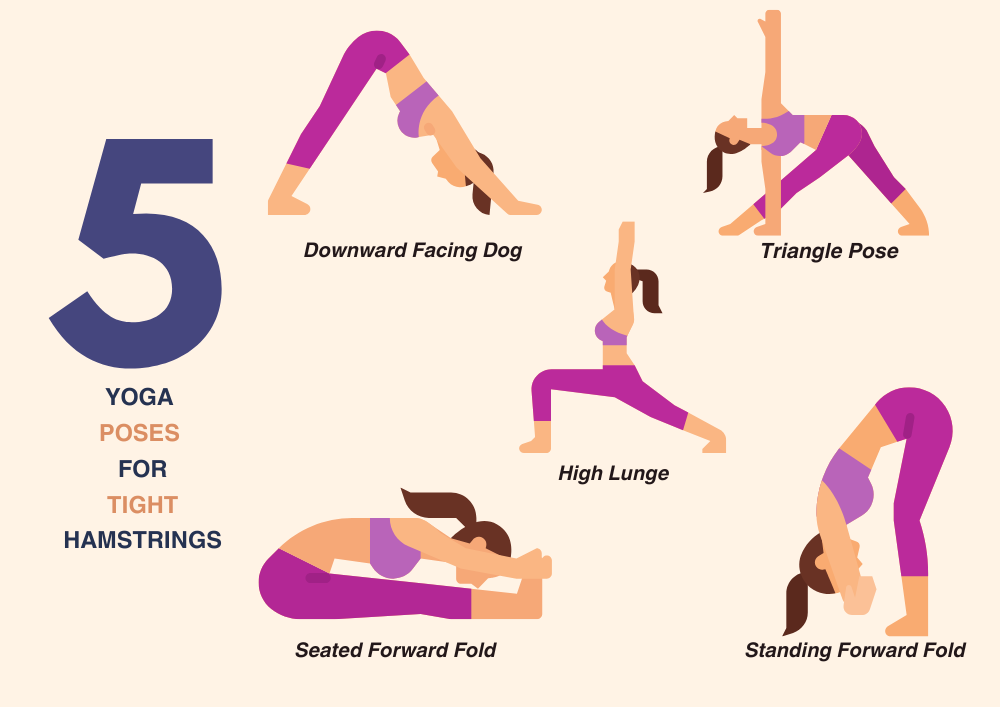
Forward bends are excellent for stretching the hamstrings, lower back, and calves. A simple but effective pose is the Standing Forward Bend (Uttanasana). Start by standing with your feet hip-width apart, then hinge at the hips to fold forward, letting your hands reach toward the ground or your shins. Seated Forward Bend (Paschimottanasana) is another great option. Sit with your legs extended straight in front of you, inhale to lengthen your spine, and exhale as you fold forward, reaching for your feet or ankles. Remember to keep a slight bend in your knees if needed to protect your lower back.Backbends
Backbends open up the front body and improve spinal flexibility. Bridge Pose (Setu Bandhasana) is a great starting point. Lie on your back, bend your knees, and place your feet flat on the floor. Press into your feet to lift your hips toward the ceiling, keeping your shoulders grounded. Camel Pose (Ustrasana) is more advanced but highly rewarding. Start on your knees, place your hands on your lower back, and gently arch backward, reaching for your heels. Focus on lifting your chest rather than collapsing your lower back.Hip Openers
Tight hips can limit your flexibility significantly. Pigeon Pose (Eka Pada Rajakapotasana) helps release tension in the hips. From a downward dog position, bring your right knee forward and place it behind your right wrist, extending your left leg back. Sink your hips toward the mat and breathe deeply. Butterfly Pose (Baddha Konasana) is another effective hip opener. Sit with your feet together and knees apart, holding your feet with your hands. Gently press your knees toward the floor, feeling the stretch in your inner thighs. Have you tried these poses before? Notice how your body responds differently each time. Consistency and patience are key to improving flexibility in yoga. What small changes can you make today to enhance your practice?Incorporating Props
Using props can enhance your yoga practice by improving flexibility. Blocks, straps, and blankets help achieve proper alignment. They support your body in challenging poses, allowing deeper stretches safely.
Incorporating props can greatly enhance your yoga practice. They provide support and stability. Props help you achieve poses with ease. They reduce the risk of injury. This makes yoga accessible for all skill levels. Let’s explore how using blocks and straps can improve your flexibility.Using Blocks
Blocks offer a firm foundation in yoga poses. They bring the floor closer to you. This helps maintain alignment and balance. Use blocks in standing poses for added reach. Place them under your hands in forward bends. This prevents strain on your back. Blocks also assist in deepening stretches. They help open the chest in poses like Fish Pose. Experiment with different block heights. This customizes the level of support.Using Straps
Straps extend your reach in various poses. They help maintain proper alignment. Use straps in seated forward bends. Loop a strap around your feet. This enhances your stretch without rounding your back. Straps are useful in poses like Cow Face Pose. They connect your hands if they don’t reach. This encourages shoulder flexibility. Straps also aid in reclined leg stretches. They support your leg while keeping it straight. Adjust the strap length for comfort.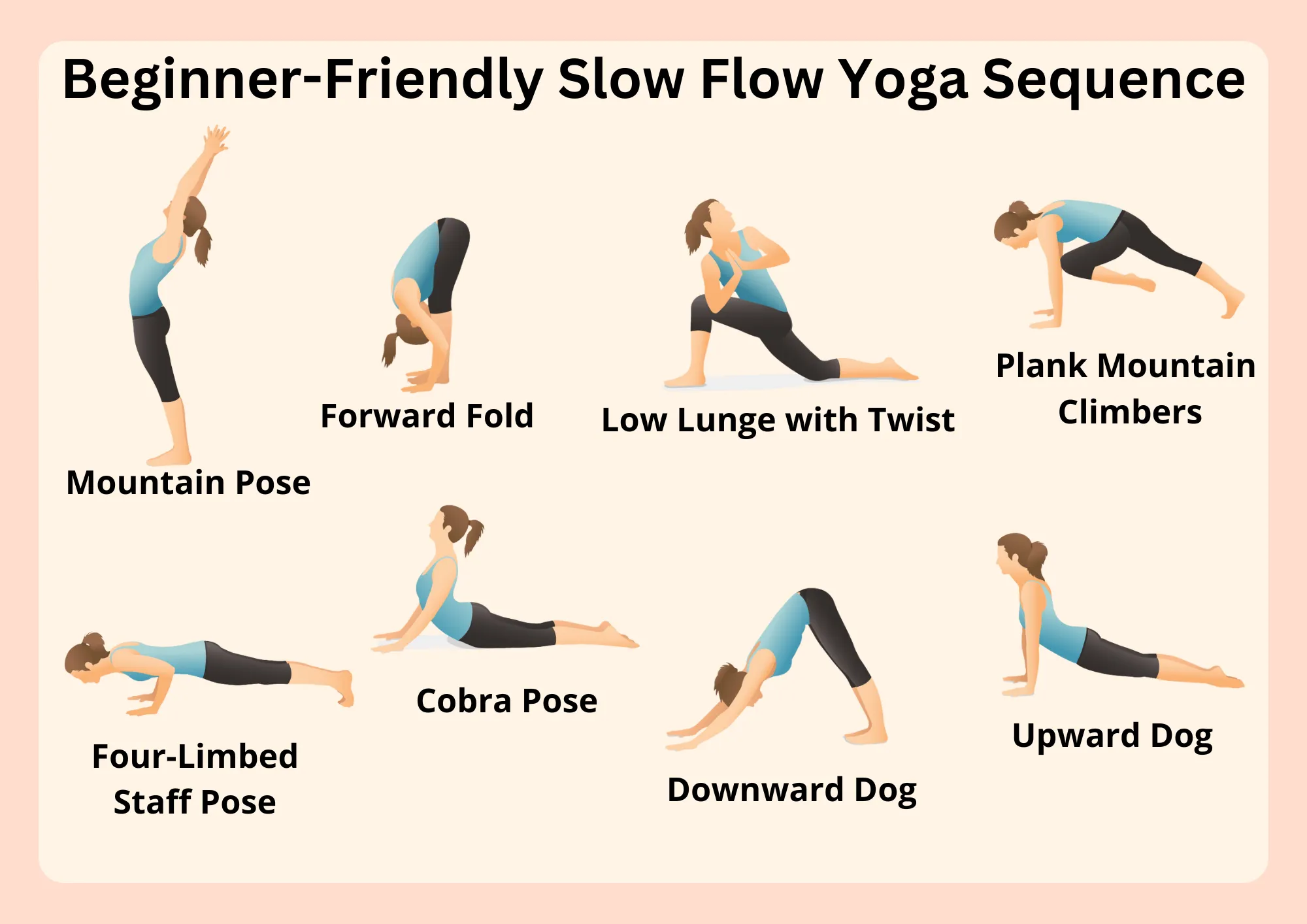
Credit: myyogateacher.com
Progressive Stretching Techniques
Progressive stretching techniques can enhance your flexibility for yoga. Gradually increasing stretch intensity helps improve muscle elasticity. Consistent practice leads to better range of motion and reduces the risk of injury.
Improving your flexibility for yoga requires dedication and the right techniques. Progressive stretching techniques offer a structured way to enhance your flexibility over time. These methods focus on gradually increasing the range of motion, leading to sustainable improvement. Let’s dive into two effective techniques: PNF Stretching and Static Stretching.Pnf Stretching
Proprioceptive Neuromuscular Facilitation (PNF) stretching is a technique that involves both stretching and contracting the muscle group you want to target. This method is known to improve flexibility more effectively than traditional stretching. To perform PNF stretching, start by stretching the muscle to its limit. Then, contract the muscle against resistance for a few seconds. Finally, relax and stretch further. Repeat this cycle a few times. PNF stretching often requires a partner to provide resistance, making it a great way to connect with a friend or yoga buddy. Have you ever tried this collaborative approach to stretching?Static Stretching
Static stretching is a more traditional and widely practiced technique. It involves holding a stretch for a prolonged period, usually between 15 to 60 seconds. This allows your muscles to gradually lengthen and relax. When practicing static stretching, focus on your breathing. Inhale deeply as you ease into the stretch, and exhale slowly as you hold the position. This helps your body to relax and go deeper into the stretch. Consistency is key with static stretching. Make it a part of your daily routine, perhaps integrating it into your yoga practice. How might your yoga sessions transform with just a few extra minutes of dedicated stretching each day? Embrace these progressive stretching techniques to enhance your flexibility and enrich your yoga practice. Remember, small steps lead to significant progress. How will you start incorporating these methods into your routine today?Consistency And Routine
Building a consistent routine boosts flexibility for yoga. Regular practice helps muscles adapt and stretch over time. Establish a daily schedule to maintain steady progress and enhance your yoga experience.
Establishing a consistent routine is the secret ingredient to improving flexibility for yoga. Just like brushing your teeth or having your morning coffee, integrating yoga into your daily life can yield transformative results. Consistency doesn’t mean hours each day; even a few minutes can make a difference.Set A Realistic Schedule
Start by setting a schedule that fits your lifestyle. If mornings are hectic, consider a short session in the evening. The key is to choose a time you can stick to consistently.Start Small And Build Gradually
Begin with short, manageable sessions to avoid burnout. As you grow more comfortable, gradually increase the duration and intensity. This approach fosters steady progress without overwhelming you.Track Your Progress
Keep a journal or use a fitness app to track your flexibility journey. Documenting small wins can boost motivation. Reflecting on your progress helps reinforce your commitment.Make It Enjoyable
Choose poses and routines you enjoy to keep the practice engaging. If it feels like a chore, you’re less likely to stick with it. Experiment with different styles and find what resonates with you.Set Clear Goals
Define specific, achievable goals to guide your practice. Whether it’s touching your toes or mastering a challenging pose, goals give you a sense of purpose. Celebrate when you reach them to stay motivated.Find An Accountability Partner
Partner with a friend or join a yoga group to stay accountable. Sharing your journey with others can provide support and encouragement. An accountability partner can make the process more fun and less isolating.Incorporate Rest Days
Balance is crucial; don’t forget to rest. Your body needs time to recover and adapt. Plan rest days to prevent fatigue and injury, ensuring long-term success.Reflect And Adjust
Periodically reflect on your routine and adjust as needed. Life changes, and so should your practice. Stay flexible with your approach to maintain consistency over time. Consistency and routine are not about rigid rules but about creating a sustainable practice that fits your life. What small change can you make today to enhance your yoga journey?
Credit: www.facebook.com
Listening To Your Body
Listening to your body is key for improving flexibility in yoga. Pay attention to how your muscles feel and gently push your limits. Regular practice with mindful awareness helps enhance your range of motion safely.
Listening to your body is crucial in yoga practice. It helps you avoid injuries and improve flexibility safely. Trust your instincts during each pose. This awareness can guide you to make better choices. Understanding your body’s signals is key.Avoiding Overstretching
Overstretching can harm muscles and joints. Pay attention to tension levels. Begin each session with gentle stretches. Gradually increase intensity over time. Never push beyond your comfort zone. Use props like blocks or straps for support. This can ease your body into deeper stretches safely.Recognizing Pain Vs. Discomfort
Pain and discomfort are not the same. Discomfort is normal in stretches. It feels like a gentle pull. Pain is sharp and intense. It signals a problem. If you feel pain, stop immediately. Re-evaluate your position. Modify poses to suit your body’s needs. Always prioritize safety over depth in poses.Nutrition And Hydration
Enhancing flexibility for yoga isn’t just about stretching. Nutrition and hydration play a key role too. What you eat and drink impacts your body’s ability to move and stretch. Proper nutrients and enough water make a difference. They help your muscles stay strong and flexible. This section will explore how nutrition and hydration can boost your yoga practice.
Importance Of Hydration
Water keeps your joints lubricated and muscles supple. Dehydration makes muscles stiff and prone to injury. Aim for at least eight glasses daily. During yoga, sip water to stay hydrated.
Foods Rich In Omega-3 Fatty Acids
Omega-3s reduce inflammation and enhance joint flexibility. Include foods like salmon, walnuts, and flaxseeds. These can improve your range of motion.
Magnesium For Muscle Relaxation
Magnesium helps muscles relax and reduces cramps. Spinach, almonds, and black beans are great sources. Add them to your meals for better flexibility.
Avoiding Processed Foods
Processed foods can cause inflammation and stiffness. Choose whole foods like fruits, vegetables, and whole grains. They support a flexible and healthy body.
Importance Of Electrolytes
Electrolytes help balance fluid levels in your body. Potassium and sodium are essential. Bananas, sweet potatoes, and coconut water are good options.
Protein For Muscle Repair
Protein repairs and builds muscle tissue. Include lean meats, tofu, and beans in your diet. They aid muscle recovery and flexibility.
Incorporating Antioxidant-rich Foods
Antioxidants fight inflammation and support joint health. Blueberries, kale, and green tea are excellent choices. They contribute to overall flexibility and wellness.
Credit: myyogateacher.com
Expert Advice And Resources
Discover expert advice and resources to enhance your yoga flexibility. Learn techniques to stretch safely and effectively. Find tips to improve your posture and breathing.
Improving flexibility for yoga demands expert advice and valuable resources. Guidance from seasoned instructors can help refine techniques. Numerous resources assist in enhancing your practice. Let’s explore some expert advice and resources to aid your flexibility journey.Yoga Classes
Participating in yoga classes offers direct interaction with experienced instructors. They provide personalized feedback and adjustments. Group settings create a supportive atmosphere. Regular attendance helps build consistency in practice. Classes usually offer a variety of styles, catering to different flexibility needs.Online Tutorials
Online tutorials offer flexibility in time and location. Many platforms host detailed yoga sessions. Video tutorials allow you to pause and replay sections. This aids understanding of each pose. Tutorials often include modifications for beginners. A wide range of instructors and styles are available online.Frequently Asked Questions
What Are Effective Yoga Poses For Flexibility?
Yoga poses like Downward Dog, Cobra, and Pigeon are excellent for flexibility. These poses stretch various muscle groups, improving overall range of motion. Regular practice helps to increase flexibility gradually. Hold each pose for a few breaths for maximum benefit.
Consistency is key to seeing improvements.
How Often Should I Practice Yoga For Flexibility?
Practicing yoga 3-5 times a week enhances flexibility. Regular sessions help muscles stretch and adapt. Consistency ensures steady progress. Even short daily sessions contribute significantly. Always listen to your body to avoid overstrain. Rest days are important for recovery.
Can Beginners Improve Flexibility With Yoga?
Yes, beginners can definitely improve flexibility with yoga. Start with basic poses like Cat-Cow and Child’s Pose. Gradual practice enhances flexibility and confidence. Yoga is adaptable for all levels. Consistency and patience yield noticeable results. Modify poses as needed for comfort.
Does Breathing Affect Flexibility In Yoga?
Breathing deeply during yoga enhances flexibility. It relaxes muscles, allowing deeper stretches. Controlled breathing improves focus and posture. It aids in releasing tension, making poses more effective. Practice inhaling and exhaling slowly in each pose. Breath awareness boosts flexibility over time.
Conclusion
Improving flexibility for yoga enhances your practice. It helps prevent injuries. Regular stretching boosts your progress. Start with simple poses daily. Gradually increase complexity as you gain confidence. Focus on breathing during stretches. It supports relaxation and better flexibility. Hydrate well to aid muscle recovery.
Listen to your body; avoid pushing too hard. Consistency is key for improvement. Celebrate small achievements along the way. Stay patient and enjoy the journey. Your flexibility will improve over time. Keep practicing and stay committed. Yoga becomes more rewarding with better flexibility.
Embrace each step with a positive mindset.