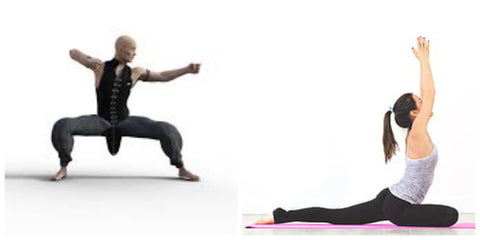
Imagine waking up each morning feeling supple, relaxed, and ready to conquer the day. Flexibility isn’t just about touching your toes; it’s about moving through life with ease and grace.
But when it comes to boosting flexibility, you’re faced with a choice: Yoga or Tai Chi? Both are revered for their health benefits, but which one truly enhances your flexibility more? This is a decision that might seem daunting, but understanding the unique advantages of each can transform your wellness journey.
You deserve the best approach that aligns with your goals and lifestyle. As you read further, you’ll discover insights that could reshape your routine and perhaps even your perspective on movement. Ready to dive into the world of ancient practices and modern benefits? Your path to ultimate flexibility awaits.
Yoga: Path To Flexibility
Yoga and Tai Chi both enhance flexibility, but yoga offers more dynamic poses and stretches. Tai Chi focuses on slow, controlled movements, often suitable for all ages. Each has unique benefits, so personal preference and fitness goals can guide your choice.
Yoga: Path to Flexibility Yoga is a practice that enhances flexibility. It connects the body, mind, and spirit. This connection helps in achieving balance and harmony. Many people turn to yoga for physical benefits. It also improves mental well-being and reduces stress.Origins And Philosophy
Yoga originated in ancient India thousands of years ago. Its philosophy is rooted in spiritual development. Yoga focuses on self-awareness and inner peace. It involves various postures, breathing exercises, and meditation techniques. These elements promote flexibility and strength.Key Flexibility Techniques
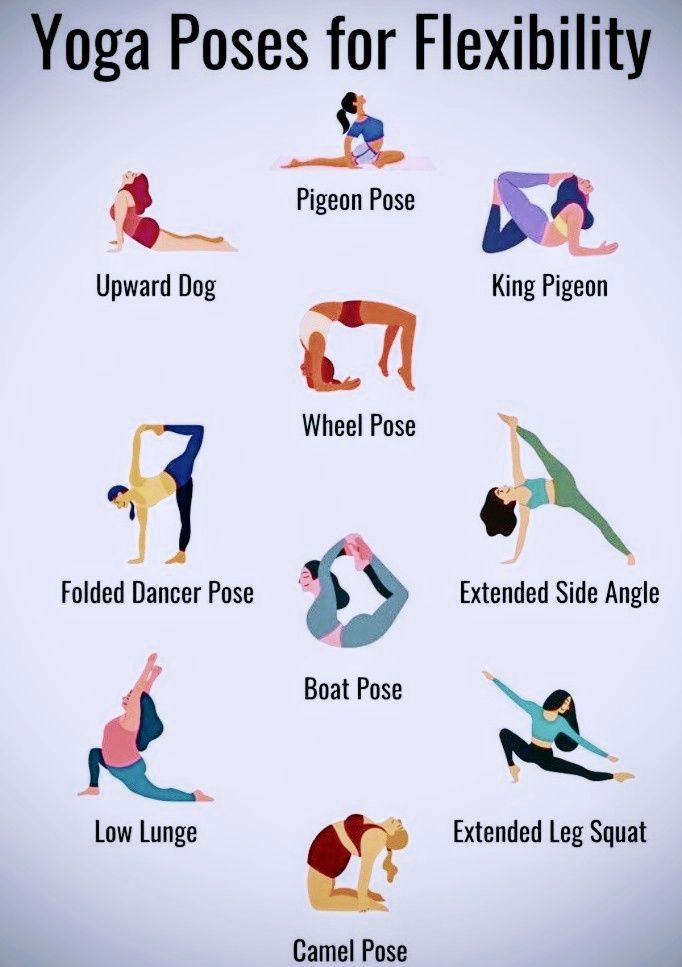
Yoga offers several techniques to improve flexibility. Here are some popular poses:- Downward Dog: Stretches the hamstrings and calves.
- Cobra Pose: Opens the chest and strengthens the spine.
- Forward Bend: Lengthens the spine and stretches the legs.
Benefits For Body And Mind
Yoga benefits both the body and mind. Physically, it boosts flexibility and strength. It reduces the risk of injuries and improves posture. Mentally, yoga calms the mind and reduces anxiety. It fosters mindfulness and concentration. Practicing yoga regularly enhances overall well-being.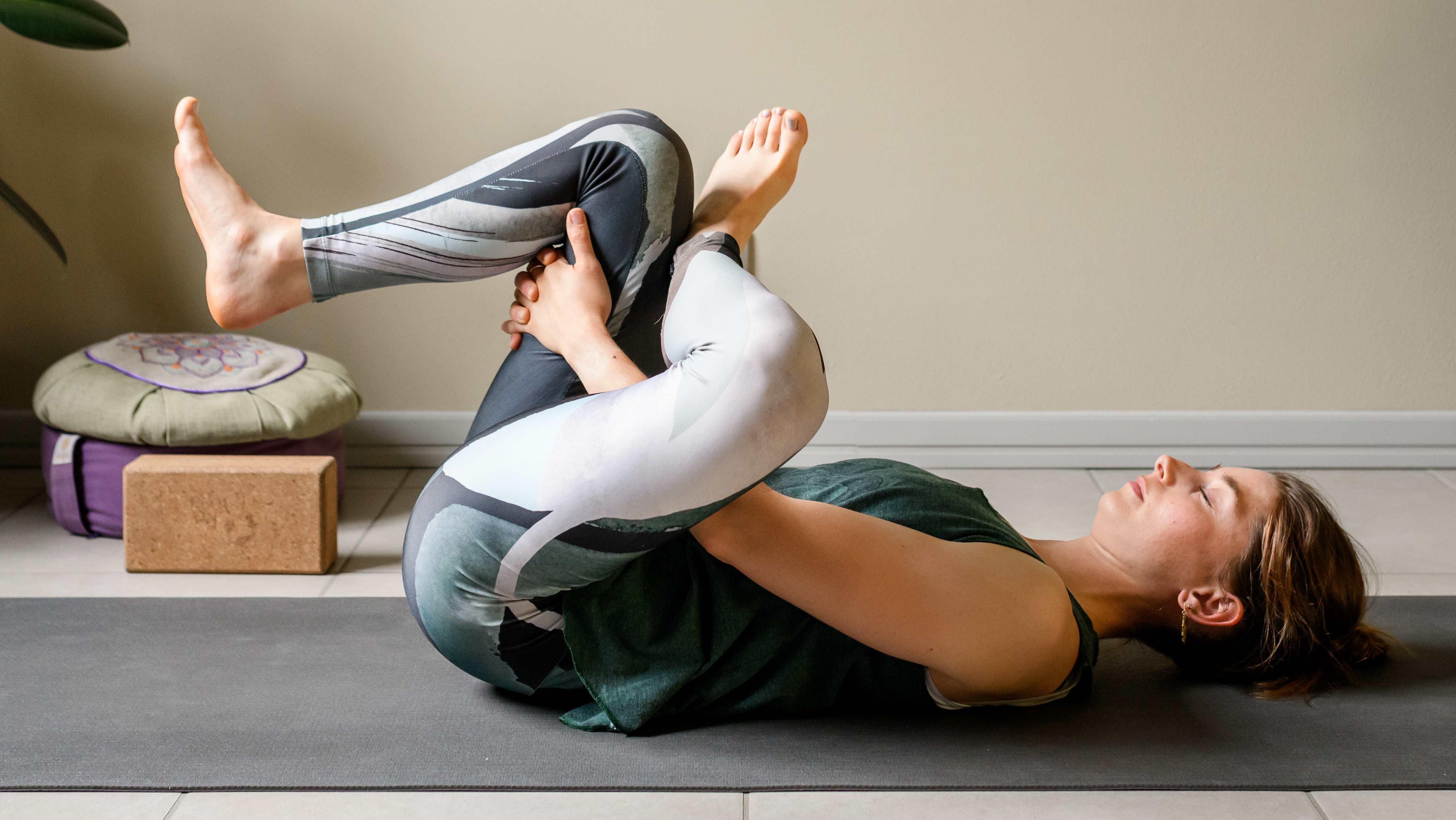
Credit: www.fitandwell.com
Tai Chi: Gentle Flow
Tai Chi is often described as a gentle flow of movements, offering a unique approach to flexibility. Unlike the more vigorous stretches of yoga, Tai Chi emphasizes slow, deliberate motions and deep breathing, creating a serene atmosphere that soothes both the body and mind. This ancient practice fosters a graceful, fluid movement that can enhance your flexibility while promoting balance and relaxation.
Historical Background
Tai Chi originated in China centuries ago and was initially developed as a martial art. It combines elements of philosophy, meditation, and physical exercise. Its roots are deeply intertwined with traditional Chinese medicine, focusing on the flow of energy, or “Qi,” throughout the body. This historical context contributes to its holistic approach to health and flexibility.
Flexibility Exercises
In Tai Chi, flexibility is achieved through a series of flowing movements that gently stretch and strengthen muscles. These exercises often involve shifting weight, rotating the torso, and extending limbs in slow, controlled motions. Practicing Tai Chi regularly can improve your range of motion, making everyday tasks easier and more fluid.
Holistic Health Benefits
Beyond flexibility, Tai Chi offers a myriad of health benefits. It helps reduce stress, improve balance, and enhance cardiovascular health. The meditative aspect of Tai Chi can sharpen your focus and calm your mind. By practicing Tai Chi, you not only work on your physical flexibility but also nurture your mental and emotional well-being.
Have you ever considered how the gentle flow of Tai Chi might fit into your daily routine? Embracing this practice could be the key to unlocking a more balanced and flexible lifestyle.
Comparing Techniques
Yoga and Tai Chi both improve flexibility, yet differ in approach. Yoga focuses on static poses, enhancing muscle elasticity. Tai Chi emphasizes fluid movements, improving joint flexibility and balance.
Yoga and Tai Chi are popular practices for enhancing flexibility. They both offer unique techniques that cater to different needs and preferences. Understanding their approaches can help choose the right path for personal flexibility goals.Movement And Posture
Yoga involves stretching and holding poses, which improve flexibility. Each pose targets specific muscles and joints, promoting range of motion. Tai Chi emphasizes slow, fluid movements that enhance joint flexibility without strain. Movements are gentle, promoting harmony between body and mind. Both practices encourage proper alignment to prevent injury and maximize benefits.Breathing And Meditation
Yoga integrates breathing with each pose, deepening stretches and calming the mind. Pranayama, a breathing technique in yoga, aids in relaxation and focus. Meditation in yoga enhances awareness and inner peace. Tai Chi combines breathing with movements, fostering a meditative state. Breath control in Tai Chi promotes energy flow, known as “qi,” throughout the body. Meditation in Tai Chi encourages mindfulness and stress relief.Adaptability And Accessibility
Yoga offers various styles, suitable for beginners and advanced practitioners. Modifications make poses accessible for all levels, enhancing flexibility gradually. Tai Chi is adaptable for all ages, focusing on gentle movements. Classes often cater to seniors or those with limited mobility. Both practices require minimal equipment, making them accessible at home or in classes.Scientific Insights
Understanding the flexibility benefits of Yoga and Tai Chi requires scientific insights. Both practices promote flexibility, balance, and overall well-being. Yet, science offers a deeper look into their specific effects. This section explores key research findings on flexibility and health improvements.
Research On Flexibility
Yoga is widely studied for its impact on flexibility. Research shows significant improvements in joint and muscle flexibility. Regular practice helps lengthen muscles and increase range of motion. Participants often report feeling more agile and limber.
Tai Chi also enhances flexibility. Studies highlight its positive effects on balance and coordination. Movements in Tai Chi gently stretch muscles and joints. This low-impact exercise is especially beneficial for older adults. It helps maintain mobility and prevent stiffness.
Studies On Health Improvements
Yoga contributes to various health benefits beyond flexibility. Scientific studies link yoga to improved cardiovascular health. It reduces stress and anxiety levels, promoting mental clarity.
Tai Chi also offers multiple health benefits. Research indicates it lowers blood pressure and improves heart health. Tai Chi sessions can enhance mood and reduce symptoms of depression.
Choosing The Right Practice
Yoga and Tai Chi both enhance flexibility, offering unique benefits. Yoga focuses on stretching and balance, while Tai Chi emphasizes fluid, gentle movements. Each practice can improve flexibility, depending on personal preferences and fitness goals.
Choosing the right practice between yoga and Tai Chi can be challenging. Both offer unique benefits for flexibility and overall wellness. Understanding your personal goals and lifestyle can guide you in making the best choice.Personal Goals And Preferences
Your goals matter in choosing between yoga and Tai Chi. Yoga focuses on stretching and deep breathing. It enhances flexibility and strengthens muscles. Tai Chi emphasizes slow, flowing movements. It improves balance and mental focus. Decide what you want to achieve. Is it better flexibility or calmness? Your preference will lead the way.Lifestyle And Commitments
Consider your lifestyle when choosing a practice. Yoga classes often vary in intensity. You can find gentle or challenging sessions. Tai Chi is generally more relaxed. It suits those with busy schedules. Think about your time commitments. How much time can you dedicate each week? Your lifestyle will influence your decision.Combining Both Practices
Combining yoga and Tai Chi can be beneficial. Each practice complements the other. Yoga enhances flexibility, while Tai Chi calms the mind. Practicing both can give a balanced approach. You can alternate days or combine movements. This offers variety and keeps routines exciting. Explore how both can fit into your life.
Credit: www.abbeyfield.com
Credit: www.facebook.com
Frequently Asked Questions
Is Yoga Better For Flexibility?
Yoga is renowned for enhancing flexibility through its varied poses and stretches. It targets multiple muscle groups, promoting joint mobility and balance. Regular practice can significantly improve flexibility, making yoga a great choice for those looking to increase their range of motion.
Does Tai Chi Improve Flexibility?
Tai Chi improves flexibility by emphasizing slow, deliberate movements and gentle stretching. It enhances joint flexibility and muscle relaxation. While it may not offer rapid flexibility gains like yoga, Tai Chi contributes to overall body fluidity and balance, benefiting those seeking a holistic approach to flexibility.
Which Offers More Health Benefits, Yoga Or Tai Chi?
Both yoga and Tai Chi offer extensive health benefits. Yoga improves flexibility, strength, and mental well-being. Tai Chi enhances balance, coordination, and relaxation. The choice depends on personal goals and preferences. For optimal health, consider integrating both practices into your routine for a balanced approach.
Can Beginners Start With Yoga For Flexibility?
Yes, beginners can start with yoga to improve flexibility. Many yoga poses cater to all skill levels, offering modifications to suit beginners. Regular practice can gradually enhance flexibility and body awareness, making yoga an accessible and effective option for those new to exercise.
Conclusion
Yoga and Tai Chi both offer great flexibility benefits. Yoga focuses on stretching and balance. Tai Chi emphasizes gentle, flowing movements. Choose based on personal preference and goals. Yoga may suit those seeking deeper stretches. Tai Chi appeals to those preferring slow, meditative exercises.
Both practices improve flexibility over time. Regular practice is key to seeing results. Listen to your body and enjoy the journey. Flexibility grows with patience and dedication. Explore both and find what feels right. Remember, your comfort matters most. Enjoy the path to a more flexible you.