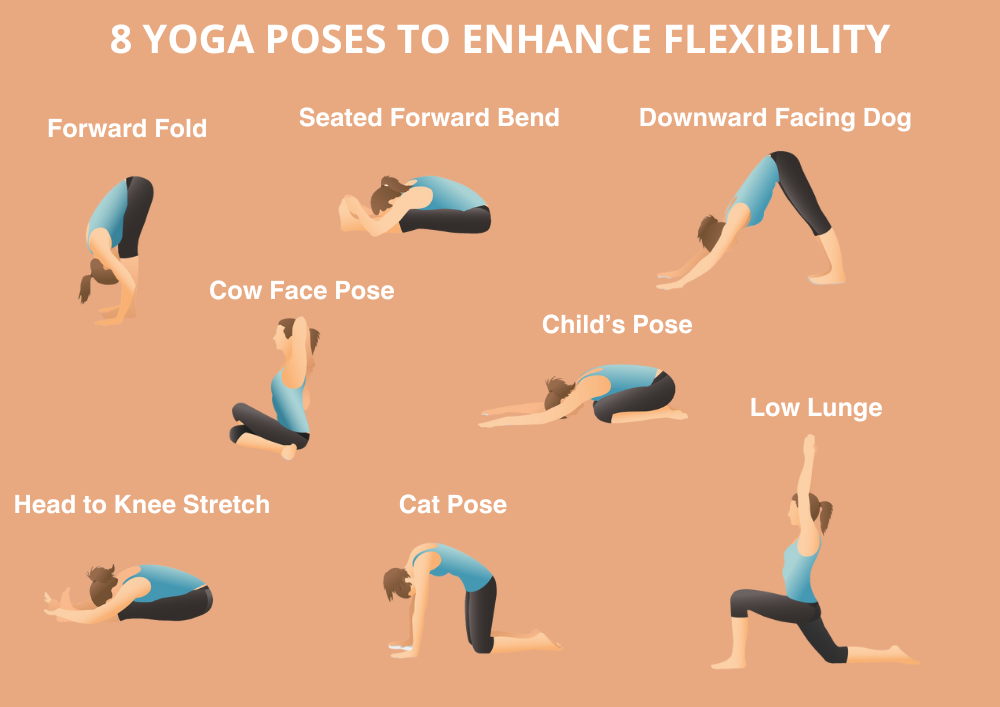
Have you ever wondered why so many people rave about yoga? One of its most celebrated benefits is flexibility.
Imagine moving through your day with ease, without stiffness holding you back. Whether you’re reaching for something on a high shelf or simply getting out of bed, flexibility can transform your daily life. But what is it about yoga that makes you so flexible?
We’ll explore the specific ways yoga works its magic on your body. You’ll discover how certain poses target your muscles, releasing tension and increasing your range of motion. We’ll also look at the science behind why yoga is different from other exercises when it comes to flexibility. By the end, you’ll see why incorporating yoga into your routine could be the key to unlocking a more agile and comfortable you. Keep reading to learn how yoga can make a noticeable difference in your life!
Benefits Of Flexibility In Yoga
Practicing yoga enhances flexibility, leading to improved posture and reduced muscle tension. Regular stretching in yoga increases joint mobility and prevents injuries. Enhanced flexibility also promotes relaxation and reduces stress levels.
Flexibility is a key component in yoga practice. It enhances the body’s ability to stretch and bend with ease. This flexibility contributes to overall health and well-being. It also improves physical performance in various activities. Yoga is known for its ability to increase flexibility. But it offers many more benefits that extend beyond physical movement.Improved Posture
Enhanced flexibility often leads to better posture. Yoga stretches muscles that support the spine. With better posture, you may experience less pain and discomfort. It helps reduce strain on the body during daily activities.Reduced Risk Of Injury
Flexible muscles are less prone to injury. Yoga increases muscle elasticity and joint mobility. This reduces the likelihood of strains and sprains. It also helps in quicker recovery from physical activities.Enhanced Circulation
Flexibility promotes better blood circulation. Yoga poses encourage blood flow throughout the body. Improved circulation boosts energy levels. It also aids in the removal of toxins from the bloodstream.Stress Relief
Flexibility in yoga can ease tension and stress. Stretching releases muscle tightness. It can calm the mind and promote relaxation. This helps in managing stress more effectively.Increased Range Of Motion
Yoga improves your range of motion. Enhanced flexibility allows for more fluid movements. It makes everyday tasks easier and more efficient. This increased range supports active and healthy living.Pain Management
Flexibility can help manage chronic pain. Yoga stretches muscles that may be causing discomfort. It provides relief from back pain and joint aches. Regular practice may reduce the need for pain medications.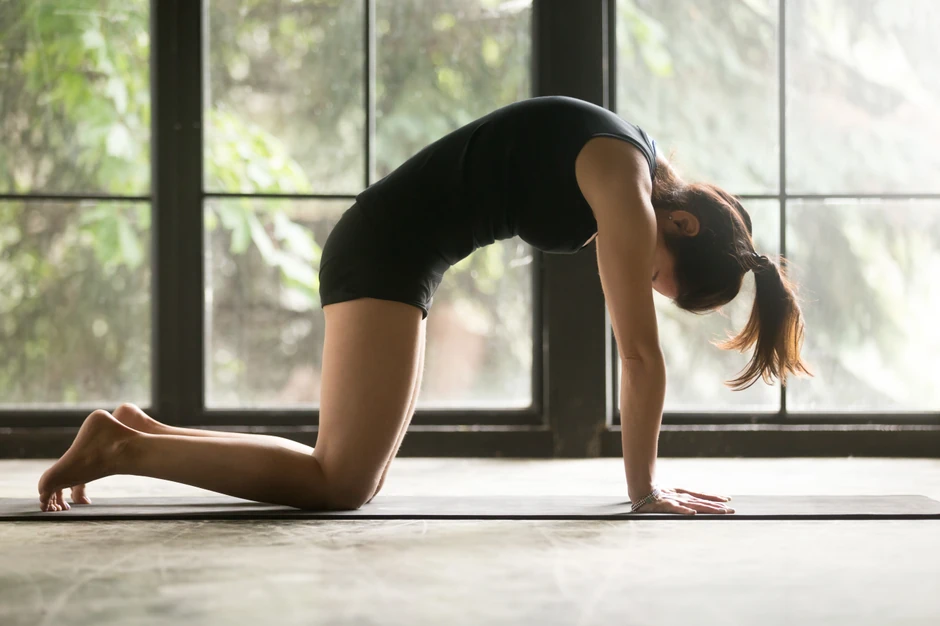
Credit: myyogateacher.com
Understanding Flexibility
Understanding flexibility in yoga is not just about touching your toes. It’s about embracing a holistic approach that intertwines physical, mental, and emotional dimensions. Have you ever wondered why some people seem effortlessly flexible, both in body and mind? It’s not magic—it’s a practice. Yoga doesn’t just stretch your muscles; it stretches your boundaries and expands your capabilities.
Physical Flexibility
Physical flexibility is often the first thing people think of when it comes to yoga. It’s about improving the range of motion in your joints and muscles. This doesn’t happen overnight—it takes consistent practice and patience. Imagine your body as a rubber band; the more you gently stretch it, the more elastic it becomes.
Yoga poses like downward dog and pigeon pose are excellent for enhancing physical flexibility. They target specific muscle groups and help release tension built up from daily activities. Remember, it’s not about how far you can stretch but how you feel during the stretch. Listen to your body; it knows its limits better than anyone else.
Mental Flexibility
Mental flexibility is just as crucial as physical flexibility. Yoga encourages you to adopt a mindset that is open to change and new experiences. Have you ever been stuck in a routine, feeling like you’re on autopilot? Yoga can break that cycle.
By practicing mindfulness and meditation during yoga, you train your mind to let go of rigid thoughts. This mental flexibility allows you to adapt to life’s challenges with ease. When was the last time you tried something new without fear? Yoga can help you embrace uncertainty and turn it into an opportunity for growth.
Key Yoga Poses For Flexibility
Improving flexibility through yoga involves key poses like Downward Dog, Cobra, and Pigeon. These exercises stretch muscles and increase mobility. Regular practice can enhance range of motion and ease stiffness.
Yoga enhances flexibility through a series of targeted poses. These poses stretch muscles and improve joint mobility. Practicing regularly can lead to significant improvements. Let’s explore some key yoga poses for increasing flexibility.Downward Dog
The Downward Dog is a foundational yoga pose. It stretches the hamstrings and calves. It also strengthens the arms and shoulders. Start on your hands and knees. Lift your hips up, forming an inverted V. Keep your fingers spread wide. Press your heels towards the ground. Breathe deeply and hold the pose for several breaths.Cat-cow Stretch
The Cat-Cow Stretch gently warms up the spine. It improves spinal flexibility and posture. Begin on all fours with hands under shoulders. Inhale and arch your back, lifting your head. This is the Cow pose. Exhale, round your back, and tuck your chin. This is the Cat pose. Move between these positions slowly.Cobra Pose
Cobra Pose strengthens the back while stretching the chest. Lie face down with palms under shoulders. Press into your hands and lift your chest. Keep elbows close to the body. Engage your legs to protect your lower back. Hold for a few breaths, then lower down.Triangle Pose
Triangle Pose stretches the legs and opens the hips. Stand with feet wide apart. Turn your right foot out, left foot slightly in. Extend arms to the sides. Reach forward with your right hand, then lower it to your shin. Raise your left arm towards the sky. Look up at your left hand. Hold the pose and breathe deeply.Breathing Techniques To Enhance Flexibility
Yoga enhances flexibility by integrating breathing techniques that relax muscles. Deep breathing supports better oxygen flow, easing muscle tension. This synergy between breath and movement significantly improves your flexibility.
Breathing Techniques to Enhance Flexibility Yoga is known for increasing flexibility. Breathing plays a vital role in this process. Deep and controlled breathing helps muscles relax. It allows for a greater range of motion. Breathing techniques can make stretching more effective. They also help reduce tension and improve focus.Pranayama Basics
Pranayama is a foundational yoga practice. It involves controlling the breath. This technique increases oxygen flow to the body. Better oxygenation leads to relaxed muscles. Practicing pranayama regularly can enhance flexibility. It also boosts overall physical health. Simple breathing exercises are part of pranayama. They are easy to learn and integrate into daily routines.Incorporating Breath In Practice
Breathing deeply during yoga is essential. It helps synchronize movement with breath. This creates a fluid and dynamic practice. Inhaling deeply expands the chest. Exhaling fully releases tension. Each breath should be slow and deliberate. This mindful breathing aids in stretching further. It enhances the body’s ability to bend and twist. Consistent practice will improve flexibility over time.Consistency In Practice
Yoga enhances flexibility through consistent practice. Regular sessions help muscles stretch and strengthen. Consistency builds muscle memory, improving your body’s range of motion. Practicing yoga regularly ensures gradual progress without strain. It fosters a balanced approach to flexibility, avoiding injuries. Embrace a routine for steady improvement.
Setting A Routine
Establishing a routine is key to consistent practice. Begin with a schedule that fits your lifestyle. Consider daily or weekly sessions. Short daily practices can be more effective than long, sporadic ones. Pick a time that suits you best. Morning sessions can energize your day. Evening practices may help relax your mind. Stick to your chosen routine for optimal results.
Progress Tracking
Tracking progress keeps you motivated and on track. Note the poses you can hold longer over time. Keep a journal of your flexibility journey. Record achievements and challenges. Celebrate small wins to maintain enthusiasm. Use photos or videos to visually track your improvement. Progress tracking helps identify areas needing more focus. This insight allows you to adjust your practice for better flexibility.
Mindfulness And Flexibility
Yoga enhances flexibility through mindful movements and stretching exercises. It encourages gentle stretching, improving range of motion. Regular practice leads to increased muscle elasticity and joint flexibility, promoting overall physical well-being.
Mindfulness is the heart of flexibility in yoga. It’s not just about how far you can stretch, but how deeply you can connect with your body and mind. Practicing mindfulness in yoga helps you become aware of your physical and mental state, facilitating a deeper, more profound flexibility.Staying Present
Staying present during your yoga practice can transform your flexibility. It’s about focusing on each breath, each movement, and how your body feels at that moment. Are you rushing through poses without truly feeling them? Consider slowing down. Pay attention to the nuances of each pose. Notice how your body responds when you’re fully engaged in the present.Body Awareness
Body awareness is crucial for enhancing flexibility. Understanding your body’s limitations and strengths allows you to work effectively within your range. Are you aware of how your hips move or how your spine curves as you stretch? Try closing your eyes in a pose to heighten your awareness. Feel the stretch in your muscles. Recognize which areas are tight and which are more open. This awareness helps you to push gently beyond your limits safely. Embracing mindfulness in your yoga practice not only enhances physical flexibility but also enriches your mental agility. How might being more present and aware in your practice influence your day-to-day life? The journey to flexibility in yoga is deeply personal, rewarding, and endlessly fascinating.Yoga For Different Body Types
Yoga offers benefits for every body type. Each person has unique needs. Yoga can be adjusted to fit those needs, enhancing flexibility and strength. By tailoring routines and using props, yoga becomes accessible to everyone.
Customized Routines
Yoga routines can be personalized. Different body types require different poses. A custom routine ensures comfort and effectiveness. A taller person might need poses that stretch specific muscles. Someone with a broader frame might focus on balance. Customizing routines allows for safe and beneficial practice.
Modifications And Props
Props are essential in yoga for flexibility. They support various body types during practice. Blocks, straps, and bolsters are common tools. These props help maintain proper alignment. Modifications adapt poses to fit individual needs. They ensure safety and comfort, enhancing the yoga experience.

Credit: www.yogabasics.com
Common Misconceptions
Yoga is often seen as solely for flexibility. Yet, it enhances strength, balance, and mental well-being too. Flexibility improves over time, but isn’t the only benefit of yoga.
Yoga often evokes images of people twisting into incredible poses. This leads many to think it’s only for the naturally flexible. This misconception can deter beginners from trying yoga. Understanding the truth behind yoga’s flexibility benefits can clear up these myths.Myths About Yoga And Flexibility
Some believe yoga demands extreme flexibility from the start. This is not true. Yoga is a journey that gradually enhances flexibility over time. Each pose aims to improve range of motion progressively. Practicing regularly allows the body to adapt and become more flexible. Others think yoga is solely about flexibility. While it does improve flexibility, yoga also strengthens muscles. It enhances balance and reduces stress. It’s a holistic practice offering varied benefits beyond just limbering up.Realistic Expectations
Expecting instant results from yoga can lead to disappointment. Flexibility develops gradually, depending on individual body types. Regular practice brings steady improvements. It’s crucial to focus on personal progress rather than comparing with others. Beginners should embrace the process with patience. Small, consistent steps yield noticeable changes. It’s more about the journey and less about achieving perfect poses quickly. Staying committed to practice will bring flexibility in due course.Tips For Beginners
Embarking on a yoga journey to enhance flexibility can be incredibly rewarding. For beginners, the path might seem daunting, but with the right tips, you can ease into the practice without overwhelming yourself. Whether you’re looking to touch your toes effortlessly or simply want to experience the sense of freedom that comes with increased flexibility, starting wisely is key.
Starting Slowly
In the excitement of starting yoga, you might be tempted to dive into complex poses. Resist the urge to rush. Begin with simple stretches that gently awaken your muscles. Focus on poses like the Cat-Cow stretch and Downward Dog, which offer a great start without straining your body.
Remember, your body needs time to adapt. Allow yourself to progress gradually. Flexibility is not achieved overnight; it’s a journey where each step matters. Are you listening to your body’s needs?
Seeking Guidance
Having a knowledgeable guide can make a world of difference. Consider attending a beginners’ class or hiring a personal yoga instructor. They can correct your posture and offer tips tailored to your body type.
Guidance provides not just physical help but also motivational support. When you feel stuck, a mentor can inspire you to keep going. Are you ready to seek out the wisdom of a guide?
Whether it’s through videos, books, or personal trainers, integrating expert advice into your practice enhances your growth. Plus, it can prevent injuries, ensuring your journey is smooth and enjoyable.
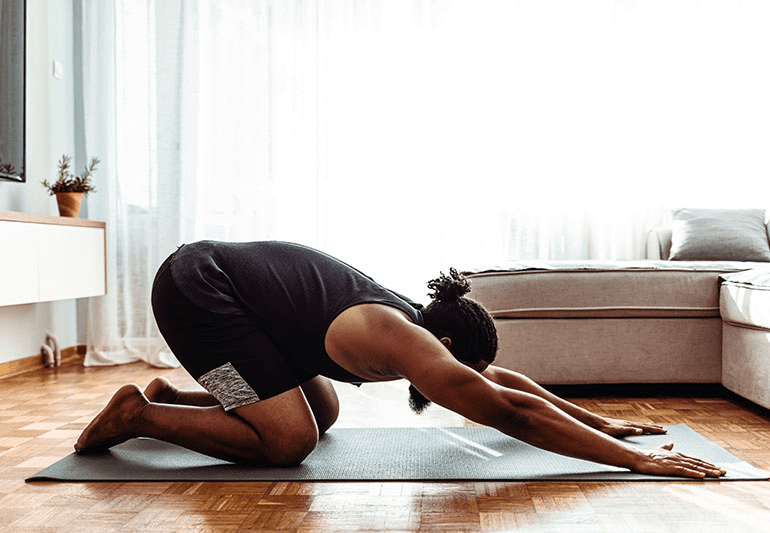
Credit: health.clevelandclinic.org
Frequently Asked Questions
How Does Yoga Improve Flexibility?
Yoga enhances flexibility by stretching and strengthening muscles through various poses. Regular practice helps elongate muscle fibers and improve joint mobility. Over time, this leads to increased range of motion and reduced stiffness, making everyday movements easier and more fluid.
Which Yoga Poses Boost Flexibility?
Poses like Downward Dog, Forward Bend, and Triangle pose are excellent for improving flexibility. These poses target multiple muscle groups, encouraging them to stretch and strengthen. Regularly practicing these poses can significantly enhance your body’s ability to bend and move comfortably.
Can Beginners Improve Flexibility With Yoga?
Absolutely, beginners can improve flexibility with yoga. Start with gentle poses and gradually increase intensity. Consistent practice helps muscles stretch safely and enhances joint mobility. Even simple poses can make a significant difference in flexibility over time, encouraging a more agile body.
How Often Should I Practice Yoga For Flexibility?
To improve flexibility, practice yoga at least 3-4 times a week. Regular sessions help maintain muscle elasticity and joint mobility. Consistency is key, so frequent practice ensures gradual improvement and helps you achieve a more flexible body over time.
Conclusion
Yoga boosts flexibility with consistent practice. Regular yoga sessions stretch muscles. Improved flexibility enhances daily life. Easier movement. Less risk of injury. Yoga involves various poses. Each pose targets different areas. Start with simple stretches. Progress over time. Feel more agile.
Increased range of motion. Enjoy better posture. Feel relaxed and balanced. Yoga benefits the mind too. Reduces stress. Encourages mindfulness. Flexibility is not just physical. It’s mental. Yoga connects body and mind. A lifelong journey. Embrace the process. Stay committed.
Watch your flexibility grow. Experience the positive change. Yoga truly transforms the body.