Are you tired of feeling stiff and restricted in your yoga practice? You’re not alone.
Many people struggle with tight hip flexors, which can limit your movement and keep you from fully enjoying your yoga sessions. Imagine the freedom and fluidity you could experience with improved hip flexibility. It’s not just about mastering poses; it’s about enhancing your overall yoga experience, reducing discomfort, and preventing injury.
We’ll explore simple yet effective ways to loosen up those hip flexors, making your yoga practice more enjoyable and rewarding. Whether you’re a beginner or a seasoned yogi, these tips can transform your flexibility and take your practice to the next level. Ready to unlock a new level of mobility and comfort? Let’s dive in and discover how you can improve your hip flexibility for yoga.
Importance Of Hip Flexibility In Yoga
Hip flexibility plays a crucial role in yoga practice, affecting your ability to perform various poses with ease and maintain proper alignment. A flexible hip joint allows greater range of motion, which is essential for achieving deeper stretches and complex postures. As you work to enhance your hip flexibility, you might notice improvements in balance, strength, and overall body awareness.
Understanding The Role Of Hips In Yoga
Your hips are central to many yoga poses, acting as a foundation for movement and balance. With flexible hips, transitions between postures become smoother, reducing strain and preventing injuries. Have you ever felt stuck in a pose? Improving hip flexibility might be the key to unlocking a new level of comfort and fluidity in your practice.
Benefits Of Hip Flexibility Beyond Yoga
It’s not just your yoga practice that benefits from supple hips. Everyday activities, like walking and bending, become easier and more comfortable. If you’ve ever struggled with tight hips after sitting for long periods, you’ll appreciate how stretching can alleviate stiffness and improve posture.
Many people face tight hips due to sedentary lifestyles or repetitive movements. Have you noticed your hips feeling tight after a long day at the office? Recognizing these challenges is the first step toward making positive changes. Regular yoga practice can help, but it’s important to listen to your body and work within your limits.
Practical Tips For Enhancing Hip Flexibility
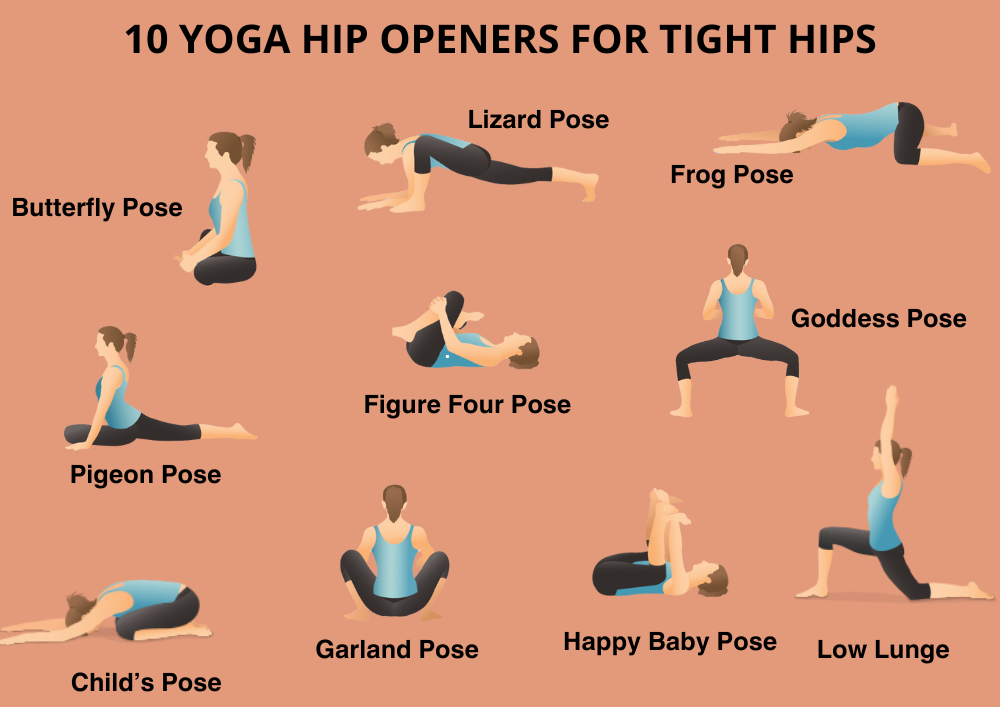
- Start with gentle stretches like the butterfly pose or pigeon pose to gradually open up your hips.
- Incorporate dynamic movements such as hip circles to increase mobility.
- Consistency is key. Aim to practice hip-opening exercises daily for best results.
Improving hip flexibility requires patience and dedication. Are you ready to embrace the journey and see how it transforms your yoga practice and daily life?

Credit: www.facebook.com
Common Challenges With Hip Flexibility
Improving hip flexibility is crucial for yoga practitioners. Many face challenges with stiff hips. These issues can limit range of motion and comfort during poses. Understanding these challenges helps in overcoming them effectively.
Limited Range Of Motion
Tight hip muscles restrict movement. This can make some poses difficult. Limited range of motion affects balance and alignment. Stretching regularly helps in increasing flexibility.
Muscle Imbalances
Muscle imbalances occur when some muscles are stronger than others. This leads to uneven tension in the hips. Imbalances can cause discomfort during yoga practice. Strengthening weaker muscles can restore balance.
Sedentary Lifestyle
Many people sit for long periods each day. This lifestyle leads to tight hip flexors. Sitting shortens hip muscles, reducing flexibility. Regular movement and stretching can counteract these effects.
Poor Posture
Poor posture can contribute to hip stiffness. It affects alignment and muscle tension. Correcting posture improves hip flexibility. Awareness of body positioning is key.
Previous Injuries
Past injuries can impact hip mobility. Scar tissue and weakened muscles affect movement. Rehabilitation and gentle exercises aid recovery. Always consult a professional for guidance.
Expert Tips For Enhancing Hip Flexibility
Improving hip flexibility can significantly enhance your yoga practice, allowing you to perform poses with ease and grace. Whether you’re a beginner or a seasoned yogi, focusing on your hip mobility can bring a new level of depth to your sessions. Below are expert tips that can transform your approach to hip flexibility, helping you achieve a more fluid and rewarding practice.
Warm-up Techniques
A proper warm-up is essential for preparing your hips for deeper stretches. Start with gentle movements like hip circles or leg swings to increase blood flow. Dynamic stretches, such as lunges or gentle squats, can help activate the muscles around your hips, priming them for more intensive work.
Targeted Stretching Exercises
Incorporating specific stretches into your routine can make a significant difference. Poses like the Pigeon Pose or Butterfly Stretch specifically target the hip flexors and open up the hip area. Aim to hold each stretch for at least 30 seconds to allow the muscles to relax and lengthen.
Incorporating Props And Supports
Using props can aid in achieving proper alignment and deeper stretches. A yoga block or strap can help you maintain correct posture and prevent injury. Props can also make challenging poses more accessible, allowing you to gradually increase your flexibility without strain.
Breathing And Relaxation Practices
Your breath is a powerful tool for enhancing flexibility. Focus on deep, controlled breathing to relax your muscles during stretches. Incorporating a few minutes of meditation or mindfulness at the end of your practice can help solidify the benefits, leaving you with a sense of calm and increased flexibility.
Credit: myyogateacher.com
Essential Yoga Poses For Hip Flexibility
Improving hip flexibility is crucial for a fulfilling yoga practice. Flexible hips enhance movement and reduce the risk of injury. Specific yoga poses can significantly aid in loosening tight hips. Here are some essential poses to incorporate into your routine.
Butterfly Pose
The Butterfly Pose is excellent for opening the hips. Sit with your back straight and bring the soles of your feet together. Gently press your knees towards the ground. This pose stretches the inner thighs and groin. Hold for a few breaths, relaxing into the stretch.
Pigeon Pose
Pigeon Pose deeply stretches the hip flexors and glutes. Begin in a downward dog position, then bring one knee forward. Extend the opposite leg straight back. Keep your hips squared to the mat. Lean forward to intensify the stretch. This pose is great for relieving tension.
Lizard Pose
Lizard Pose targets the hip flexors and thighs. Start in a low lunge with your hands on the mat. Lower your forearms to the ground inside the front foot. Keep your back leg extended, feeling the stretch. This pose increases flexibility and releases tightness.
Garland Pose
The Garland Pose opens the hips and stretches the lower back. Stand with feet shoulder-width apart, then squat down. Keep your heels on the ground and bring your palms together at your chest. Use your elbows to gently push your knees apart. This pose helps improve balance and flexibility.
Creating A Balanced Yoga Routine
Creating a balanced yoga routine can enhance hip flexibility. Focus on poses like Pigeon Pose and Butterfly Stretch. These help in loosening tight hip muscles, increasing your range of motion.
Creating a balanced yoga routine helps to improve hip flexibility. It’s about blending different practices for optimal results. This balance ensures your hips gain strength and flexibility over time. It combines frequency, consistency, and mindful awareness.Frequency And Consistency
Regular practice is key to better hip flexibility. Aim for a few sessions each week. This helps the hips become more flexible steadily. Consistency is crucial. It allows your muscles to adjust and become more supple. Set realistic goals to maintain regular practice.Listening To Your Body
Tune into your body’s signals during yoga. Pain or discomfort might mean you need a break. It’s important to respect your limits. Adjust poses if your hips feel strained. Your body knows when it’s time to rest. Listening prevents injuries and encourages safe growth.Progress Tracking
Track your flexibility progress to stay motivated. Keep a journal of your yoga sessions. Note changes in your range of motion. Celebrate small achievements. Progress tracking helps identify what’s working. It guides adjustments to your routine. Observing improvements is encouraging and rewarding.Common Mistakes To Avoid
Avoid pushing too hard in stretches; it may cause injury. Focus on gentle movements to gradually improve hip flexibility. Incorporating a variety of poses will help balance strength and flexibility over time.
Improving hip flexibility is crucial for a fulfilling yoga practice. Yet, many enthusiasts fall into common pitfalls that hinder progress. Understanding these mistakes helps prevent injuries and ensures a smoother journey.Ignoring Pain Signals
Listening to your body is essential. Pain during stretching is a warning. Ignoring it may lead to injuries. Always differentiate between discomfort and pain. Discomfort helps growth, but pain indicates harm. Stop immediately if you feel sharp or stabbing sensations.Overstretching Risks
Stretching should be gentle and controlled. Overstretching causes strains and tears. Pushing too hard risks muscle damage. Aim for gradual progress. Use slow, steady movements. Patience leads to better flexibility and fewer injuries.Neglecting Rest Days
Rest is vital for muscle recovery. Skipping rest days leads to fatigue and burnout. Muscles need time to heal and grow stronger. Plan regular breaks in your routine. Balance effort with relaxation for optimal results.Additional Resources And Guidance
Explore various online tutorials and expert blogs to enhance hip flexibility for yoga. Seek guidance from professional yoga instructors for personalized tips.
Improving hip flexibility for yoga can be a rewarding journey, but sometimes you need a little extra help along the way. Whether you’re a beginner or seasoned yogi, additional resources and guidance can offer fresh insights and keep you motivated. Let’s explore some valuable tools and communities that can enhance your practice.Recommended Books And Videos
Books and videos can provide detailed guidance at your own pace. Consider titles like “The Key Muscles of Yoga” by Ray Long, which offers an in-depth look into the anatomy involved in yoga poses. Videos are also great for visual learners. “Yoga with Adriene” on YouTube provides a series specifically focused on improving flexibility, perfect for when you need a quick session at home. Have you ever thought about how a single book or video can completely change your practice? Sometimes, it’s just about finding the right resource that resonates with you.Finding A Yoga Instructor
Working with a yoga instructor can be transformative. An experienced teacher can provide personalized feedback and help you progress safely. Check local yoga studios or community centers for classes that focus on flexibility. Some instructors offer private sessions for more individualized attention. Are there instructors in your area who specialize in flexibility or hip-opening techniques? It might be worth reaching out to them for a trial class.Online Communities And Workshops
Online communities offer a sense of camaraderie and support. Platforms like Reddit’s r/yoga or Facebook groups provide spaces to ask questions, share experiences, and find motivation. Workshops, especially those focusing on flexibility, can offer intensive practice and expert guidance. Websites like Yoga International frequently list upcoming workshops that you can attend virtually. Joining a community can be a game-changer. Have you joined any online groups that have pushed your yoga practice to new heights?
Credit: www.instagram.com
Frequently Asked Questions
What Exercises Improve Hip Flexibility For Yoga?
Incorporate yoga poses like Pigeon, Butterfly, and Lizard into your routine. These stretches target hip flexors, promoting flexibility and ease in yoga practice. Regular practice enhances range of motion and reduces stiffness, improving overall performance in yoga sessions.
How Often Should I Stretch My Hips?
Stretching hips daily is ideal for improvement. Consistent practice helps maintain flexibility and prevents tightness. Consider incorporating hip stretches into your warm-up or cool-down routines to see progress over time.
Can Tight Hips Affect Yoga Performance?
Yes, tight hips can limit range of motion and hinder yoga poses. Improving hip flexibility enhances posture and balance, making yoga practices more effective. Regular hip stretches can ease movement and reduce discomfort during yoga.
Are There Yoga Poses To Avoid For Tight Hips?
Avoid poses that strain hips like Lotus if flexibility is limited. Instead, focus on gentler stretches like Child’s Pose or Cow Face Pose. Gradually work towards more challenging poses as flexibility improves, ensuring safe practice.
Conclusion
Improving hip flexibility enhances your yoga practice. Regular stretches and exercises help. Focus on consistency. Listen to your body’s needs. This prevents injury and promotes progress. Integrate these movements into your routine. Enjoy the journey of flexibility. It’s not just about achieving poses.
It’s about feeling more comfortable in your body. Better flexibility leads to better overall health. Your hips will thank you. Start today and see gradual improvements. Celebrate small victories along the way. Every stretch counts. Keep practicing. Embrace each step towards better hip mobility.
Yoga becomes more enjoyable and rewarding. Your body appreciates the effort.