
Are you striving to build muscle but feeling confused about carbs? You’re not alone.
There’s a lot of conflicting advice out there, leaving many wondering if carbs are truly essential for muscle growth. This article cuts through the noise to give you clear, straightforward answers. Imagine unlocking your body’s full potential by understanding how carbs can fuel your workouts and enhance your gains.
By the end of this read, you’ll know exactly how to harness the power of carbs to optimize your muscle-building journey. Stick around to discover how the right balance can take your fitness goals to the next level.

Credit: www.facebook.com
Role Of Carbohydrates In Muscle Building
Carbohydrates play a vital role in muscle building. They provide energy for workouts and aid in recovery. Understanding their function helps optimize muscle growth.
Understanding Carbohydrates And Energy
Carbohydrates are the body’s primary energy source. They fuel intense workouts. Without them, energy levels drop. This makes it hard to maintain exercise intensity.
Glycogen Storage And Muscle Performance
Carbohydrates convert into glycogen. Glycogen is stored in muscles and liver. During exercise, muscles use this stored glycogen. This boosts performance and endurance.
Carbs And Protein Synthesis
Carbohydrates enhance protein synthesis. They increase insulin levels. Insulin aids in transporting amino acids to muscles. This process helps in muscle repair and growth.
Timing And Type Of Carbs
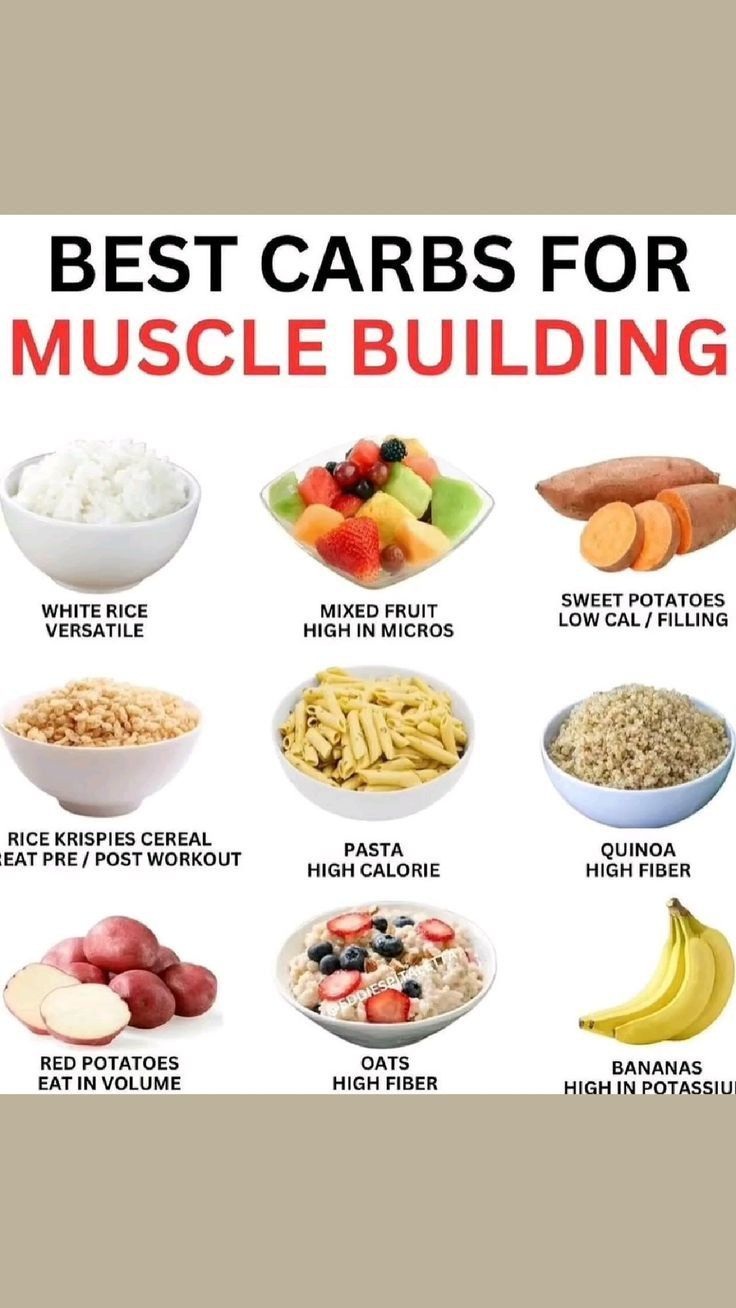
Consuming carbs before and after workouts is beneficial. Pre-workout carbs provide energy. Post-workout carbs aid in recovery. Choose complex carbs like whole grains and fruits.
Balancing Carbs With Other Nutrients
A balanced diet is crucial. Combine carbs with proteins and fats. This ensures overall health and supports muscle building. Balance is key for effective results.
Credit: x.com
Carbohydrates Vs. Proteins
Building muscle often leads to the inevitable debate between carbohydrates and proteins. You might have heard that proteins are the powerhouse behind muscle growth, but what role do carbohydrates play? Both nutrients are essential, but understanding their nutritional differences and impact on muscle synthesis can help you make smarter dietary choices. Let’s dive into how these two macronutrients interact in your body and why both are crucial for muscle building.
Nutritional Differences
Carbohydrates and proteins serve different functions in your diet. Carbs are the body’s primary energy source, fueling your workouts and recovery. They come in two types: simple and complex. Simple carbs like sugar provide quick bursts of energy, while complex carbs like whole grains offer sustained energy.
Proteins, on the other hand, are the building blocks of muscle. They contain amino acids that are essential for muscle repair and growth. Unlike carbs, proteins don’t provide immediate energy but are vital for long-term muscle development.
Imagine hitting the gym without enough energy. A lack of carbs can lead to fatigue, reducing your performance. Meanwhile, insufficient protein intake can slow down muscle recovery, hindering your progress.
Impact On Muscle Synthesis
Carbohydrates play a surprising role in muscle synthesis. They help replenish glycogen stores in muscles, which are depleted during intense workouts. This replenishment is crucial for maintaining energy levels and optimizing recovery.
Proteins directly impact muscle synthesis. After a workout, your muscles undergo repair and growth processes. Consuming adequate protein promotes these processes, making muscle fibers thicker and stronger.
Combining carbs and proteins post-workout can maximize muscle synthesis. A balanced meal with both nutrients enhances the body’s ability to repair and build muscle efficiently.
Are you ensuring your diet supports your muscle-building goals? Balancing carbs and proteins can make a significant difference in your fitness journey.
Energy And Performance
Carbohydrates play a crucial role in muscle building. They are the primary energy source during workouts. Consuming the right amount helps improve performance and endurance. Understanding their impact on energy and performance is essential.
Fueling Workouts
Carbs provide the necessary energy to power through intense workouts. They are stored as glycogen in muscles. This stored glycogen fuels muscle contractions. Without enough carbs, energy levels drop, affecting performance.
For effective muscle growth, maintain consistent energy levels. Eating carbohydrates before exercise can boost stamina. Include whole grains, fruits, and vegetables in your diet. They are excellent carb sources.
Recovery And Glycogen Replenishment
Post-workout recovery is vital for muscle building. Consuming carbs after exercise helps replenish depleted glycogen stores. This quick replenishment aids in faster recovery.
Carbs combined with protein enhance muscle repair. This combination improves muscle recovery and growth. Aim to consume a balanced meal after exercising. This ensures both energy replenishment and muscle repair.
Carb Timing And Intake
Building muscle isn’t just about lifting weights; it’s also about fueling your body correctly. Carb timing and intake play a crucial role in this process. Strategic consumption of carbohydrates can optimize muscle growth and recovery. Have you ever wondered how timing your carbs can make a difference in your workout results?
Pre-workout Carb Benefits
Eating carbs before your workout can provide the energy needed for high-intensity exercises. Imagine heading into a workout with the fuel to push harder and longer. That’s what pre-workout carbs can do. They help maintain blood sugar levels, reducing fatigue during your session.
Consider incorporating a small bowl of oatmeal or a banana before hitting the gym. These options are not only quick to digest but also rich in nutrients. Have you ever tried experimenting with different pre-workout snacks to see which boosts your energy the most?
Post-workout Recovery
After your workout, your muscles are like sponges ready to absorb nutrients. Consuming carbs post-workout aids in replenishing glycogen stores and kick-starting recovery. This is the time to repair and grow those muscles.
A combination of protein and carbs like a chicken sandwich or a smoothie can be highly effective. Think about how these simple choices can accelerate your recovery. Isn’t it intriguing how the right post-workout meal can make you feel ready for another session sooner?
Next time you plan your meals, consider how timing your carb intake could enhance your muscle-building journey. How will you adjust your carb timing for better results? The answer might surprise you.
Carbs And Hormonal Balance
Carbohydrates play a crucial role in maintaining hormonal balance. They are not just energy sources; they influence hormones that impact muscle growth. Understanding how carbs affect hormones can help optimize your muscle-building efforts.
Insulin’s Role
Insulin is a hormone that helps regulate blood sugar levels. It promotes glucose uptake by cells, fueling muscles during workouts. When you consume carbs, insulin levels rise, aiding in nutrient delivery to muscles. This process supports muscle repair and growth.
Hormones Influencing Muscle Growth
Several hormones contribute to muscle development. Testosterone and growth hormone are key players. Carbs can indirectly affect these hormones by providing energy for workouts, reducing stress, and supporting recovery. Balanced carb intake keeps cortisol levels in check, preventing muscle breakdown.

Credit: www.instagram.com
Low-carb Diets And Muscle Gain
Carbohydrates play a vital role in muscle growth by providing energy for workouts. Low-carb diets might limit this energy source, potentially affecting muscle gain. Protein and fats can help build muscle, but carbs often enhance performance and recovery.
Low-carb diets are popular for weight loss. But can they support muscle gain? This question intrigues many fitness enthusiasts. Carbs provide energy for workouts. So, cutting them might seem counterintuitive. But the body can adapt in surprising ways. Let’s explore the challenges and solutions for muscle gain on a low-carb diet.Potential Challenges
Low-carb diets can limit energy during workouts. Carbs are the main energy source for high-intensity exercise. Without them, fatigue sets in faster. Muscle recovery may slow down too. Low-carb diets reduce insulin, which affects muscle growth. Some people experience a drop in motivation and stamina.Adaptations And Solutions
The body can use fat for energy instead of carbs. This adaptation is called ketosis. It helps maintain energy levels. Increase protein intake to support muscle repair. Focus on healthy fats like avocados and nuts for energy. Monitor your body’s response and adjust your diet as needed. Consider supplements like branched-chain amino acids (BCAAs). They help in muscle recovery and growth. Stay hydrated and maintain electrolyte balance. This prevents muscle cramps and fatigue.Scientific Research And Opinions
Building muscle requires proper nutrition, and carbohydrates often play a vital role. Scientific research offers varied opinions on the importance of carbs in muscle growth. Some studies support carb intake, while others present alternative views. Understanding these perspectives can help in making informed dietary choices.
Studies Supporting Carb Intake
Research shows carbs help fuel workouts. They provide energy for intense training. Studies indicate that carbs can enhance muscle recovery. Consuming carbs post-exercise may boost glycogen stores. This can lead to improved performance and muscle growth.
Carbs can aid in protein synthesis. This process is crucial for building muscle. Some studies suggest that combining carbs with protein can enhance muscle repair. This combination might optimize the body’s response to exercise.
Alternative Viewpoints
Not all experts agree on high carb intake. Some argue protein is more critical for muscle growth. They believe fats and proteins can meet energy needs. This view suggests carbs might not be essential for everyone.
Research on low-carb diets provides mixed results. Some athletes report muscle gains even with reduced carb intake. These findings challenge the traditional view of carbs in muscle building. Further studies are needed to understand this complex relationship.
Practical Guidelines For Athletes
Athletes often wonder about the role of carbs in muscle building. Carbohydrates are crucial for energy, especially during intense workouts. Understanding how to balance carbs with other nutrients is key. Practical guidelines help athletes optimize their diet for muscle growth and recovery.
Balancing Macronutrients
Carbs, proteins, and fats must be balanced for effective muscle building. Carbs provide energy for workouts, while proteins repair muscles. Fats support overall health. A diet with 50-60% carbs, 20-30% proteins, and 20% fats is often recommended. This balance supports energy needs and muscle recovery.
- Include whole grains, fruits, and vegetables for carbs.
- Choose lean meats and plant-based options for proteins.
- Opt for healthy fats like nuts and olive oil.
Tailoring To Individual Needs
Each athlete is unique, so diet plans must be personalized. Factors like age, gender, activity level, and goals affect nutritional needs. An athlete training for endurance may need more carbs. Someone focused on strength might need more protein.
Consulting a nutritionist helps tailor diets to specific needs. Regular assessments ensure the diet supports performance and health. Adjustments are made based on training intensity and recovery rates.
- Track energy levels and adjust carb intake as needed.
- Monitor muscle recovery to decide protein needs.
- Consider lifestyle and personal preferences in diet planning.
Frequently Asked Questions
Do Carbs Help With Muscle Growth?
Carbs are crucial for muscle growth. They replenish glycogen stores, providing energy for workouts. Without adequate carbs, muscle recovery slows, and performance declines. Consuming carbs post-exercise aids in quicker recovery and muscle repair, making them essential for optimal muscle-building results.
Can You Build Muscle Without Carbs?
Building muscle without carbs is challenging. Carbs fuel workouts and recovery. While it’s possible to gain muscle with low-carb diets, it often leads to reduced energy levels and slower progress. Balanced carbohydrate intake ensures efficient muscle growth and improved performance.
How Do Carbs Affect Muscle Recovery?
Carbs significantly impact muscle recovery. They restore glycogen levels, essential for muscle repair after workouts. Consuming carbs post-exercise helps reduce recovery time and enhances the ability to train harder in subsequent sessions, promoting better muscle growth over time.
What Are The Best Carbs For Muscle Building?
Complex carbs like oats, quinoa, and sweet potatoes are ideal for muscle building. They provide sustained energy and support glycogen replenishment. These carbs aid in recovery and muscle repair, making them excellent choices for athletes and fitness enthusiasts aiming for muscle growth.
Conclusion
Muscles need carbs for energy and growth. Carbs help fuel workouts. They support recovery after exercise. Not eating enough carbs can lead to fatigue. Protein alone is not enough. Carbs are crucial for building muscle efficiently. Balance is important. Include healthy carbs in your diet.
Whole grains, fruits, and vegetables are good choices. Listen to your body’s needs. Adjust carb intake based on activity levels. This approach aids muscle growth and overall fitness. Keep your diet varied. This supports long-term health and strength.