Are you ready to hit the gym and crush your workout goals? Before you dive into those reps and sets, there’s a crucial checklist you shouldn’t skip.
What you do before your gym workout can make all the difference between a successful session and a frustrating one. Think of it as setting the stage for a performance, where each action you take primes your body and mind for optimum results.
Wondering what these key steps are? They’re simpler than you think, yet incredibly effective. Stick around, because by the end of this article, you’ll have the ultimate pre-gym routine that will turbocharge your workouts and maximize your gains. Let’s unlock the secrets to a perfect gym session together!

Credit: www.tiktok.com
Hydration
Hydration is a crucial element of preparing for a gym workout. It’s often overlooked, yet plays a vital role in your performance and recovery. Imagine heading to the gym feeling sluggish and tired; this is often due to inadequate hydration. Proper hydration can be the difference between a mediocre workout and a powerful, energizing session.
Why Hydration Matters
When you’re dehydrated, your body struggles to perform at its best. Water helps regulate your body temperature and lubricates your joints, making movements smoother and more effective. Keeping your muscles hydrated can reduce the risk of cramps and strains.
How Much Water Should You Drink?
The amount of water you need can vary based on your body size and workout intensity. A good rule of thumb is to drink at least 16-20 ounces of water two hours before exercising. During your workout, aim to drink 8 ounces every 15 minutes to stay hydrated.
Signs You’re Not Drinking Enough
Have you ever felt dizzy or fatigued mid-workout? That might be a sign of dehydration. Pay attention to your body’s signals. Dry mouth, headaches, and dark urine are red flags indicating you need more water.
Personal Tips For Staying Hydrated
Consider carrying a reusable water bottle to the gym. This keeps you accountable for drinking regularly. You can also add a slice of lemon or cucumber for a refreshing twist. Tracking your water intake can also help; apps that remind you to drink can be surprisingly effective.
Hydration And Your Workout Goals
Think about your fitness goals: whether it’s building muscle or increasing endurance, hydration supports your progress. Proper hydration helps improve your exercise efficiency, allowing you to push harder and recover faster. Are you drinking enough to meet your goals?
Remember, water is your workout’s best companion. Making hydration a priority before hitting the gym can transform your fitness journey. Keep a bottle handy, listen to your body, and let hydration power your workouts.

Credit: www.instagram.com
Nutritional Intake
Fuel your body with a balanced meal rich in protein and carbohydrates before hitting the gym. This combination provides the energy and muscle support needed for an effective workout. Remember to hydrate well for optimal performance and recovery.
Nutritional IntakeFueling your body right before a workout is crucial. It boosts energy levels and enhances performance. Eating the right foods ensures you have stamina. Avoiding hunger pangs during exercise is essential. It also helps your muscles recover faster post-workout.Pre-workout Meals
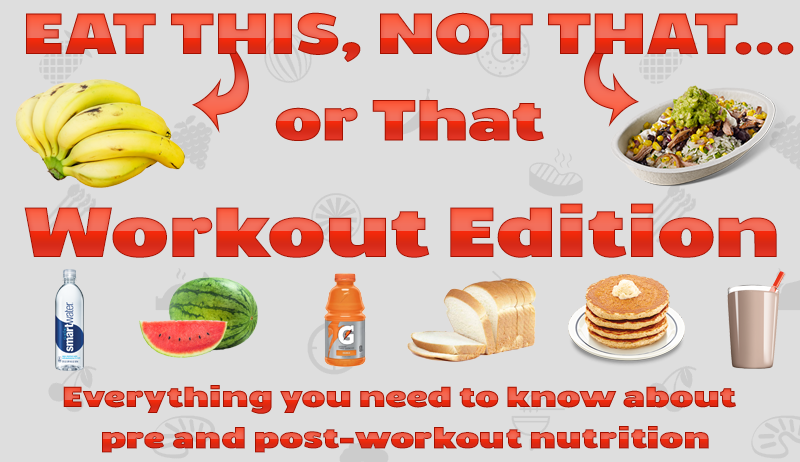
Choose meals rich in complex carbohydrates and protein. Whole grain toast with peanut butter is a great option. Bananas and oatmeal are also excellent choices. Avoid fatty or heavy foods before exercising. They can make you feel sluggish and tired.Timing Your Snacks
Eat your meal 1 to 3 hours before exercising. This gives your body time to digest. For a quick snack, aim for 30 minutes before. A small yogurt or a handful of nuts works well. Timing is key to maximizing your workout.Warm-up Exercises
Before diving into an intense gym session, warm-up exercises are crucial. They prepare your body, reduce injury risk, and boost performance. A good warm-up increases blood flow and flexibility. This primes your muscles for the workout ahead. Let’s explore some essential warm-up exercises.
Dynamic Stretching
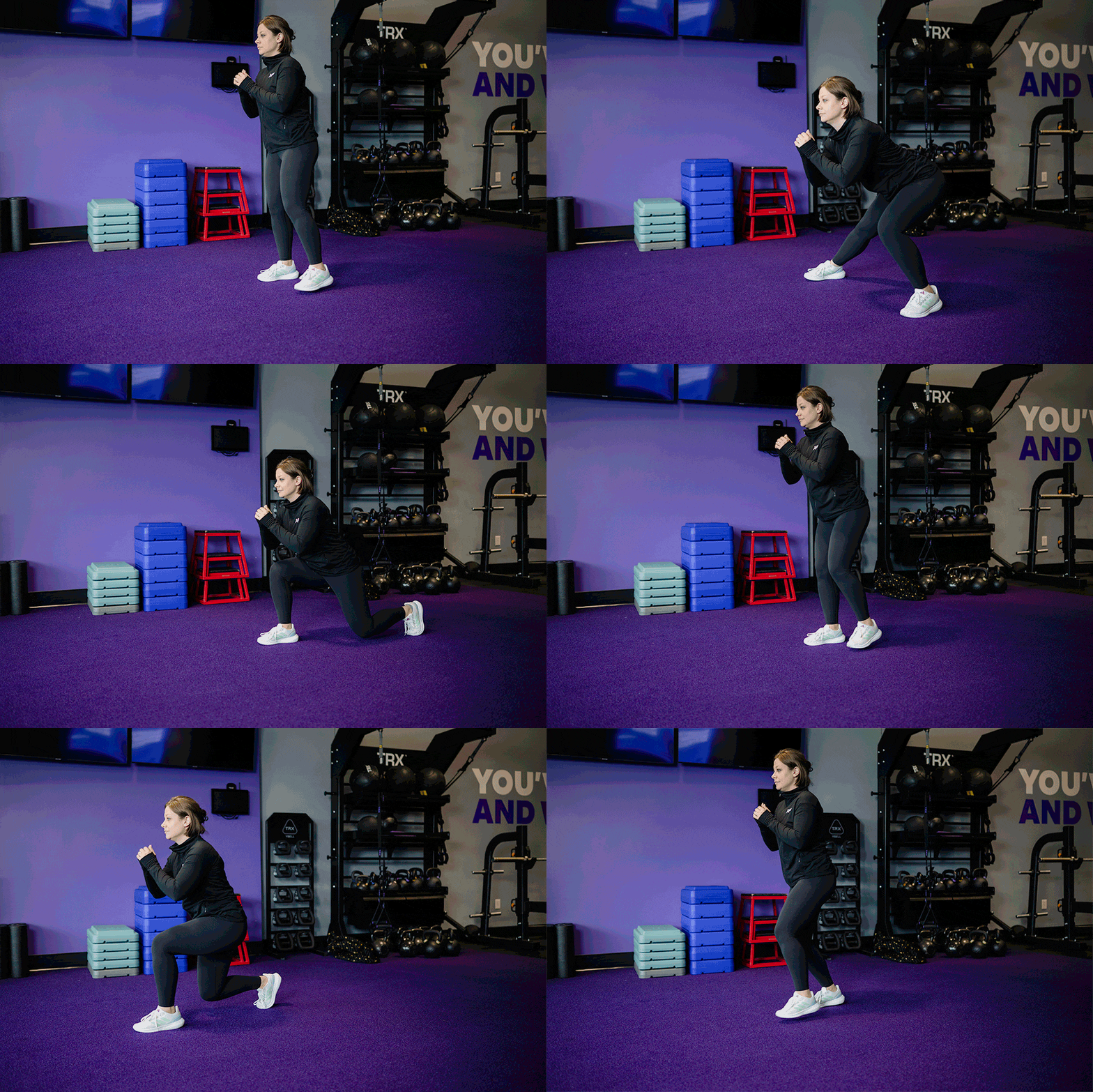
Dynamic stretching involves active movements that stretch your muscles. It enhances range of motion and warms up the body. Include exercises like leg swings, arm circles, and torso twists. These movements mimic the actions of your workout. They prepare your muscles in a gentle, effective way. Aim for 5-10 minutes of dynamic stretching before your main workout.
Cardio Warm-up
A cardio warm-up elevates your heart rate and loosens your joints. It also increases blood circulation and readies your body for exercise. Start with light activities like jogging in place or jumping jacks. Keep it light and steady for about 5-10 minutes. This helps your body transition smoothly into more intense exercises. Choose activities that engage multiple muscle groups. This ensures a comprehensive warm-up.
Credit: medium.com
Setting Workout Goals
Establishing clear workout goals enhances gym sessions. Begin by assessing fitness levels to tailor objectives effectively. Set achievable targets to boost motivation and track progress.
Setting Workout Goals Setting clear workout goals is a crucial step before hitting the gym. It provides direction, keeps you motivated, and helps track your progress. Whether you’re aiming to lose weight, build muscle, or improve endurance, defining what you want to achieve can transform your gym experience.Identify Your Objectives
Knowing what you want to accomplish is the first step. Are you looking to shed some pounds, enhance your strength, or boost your cardio? Pinpointing your objectives allows you to tailor your workouts effectively. Consider jotting down specific targets to visualize them better.Make Your Goals Smart
SMART goals—Specific, Measurable, Achievable, Relevant, and Time-bound—are vital for success. Instead of a vague goal like “get fit,” aim for “lose 5 pounds in two months by working out thrice a week.” This clarity makes it easier to stick to your plan and adjust if necessary.Reflect On Past Experiences
Think about your past gym endeavors. What worked well? What didn’t? Use these insights to set realistic goals. Maybe last time you aimed too high and felt discouraged. Adjust your expectations now to maintain motivation and see tangible results.Set Short-term Milestones
Break down your long-term goals into smaller, manageable milestones. Short-term achievements keep you engaged and provide a sense of accomplishment. Celebrate when you reach these milestones—it boosts morale and fuels your drive to continue.Visualize Success
Visualizing success can powerfully motivate you. Picture yourself reaching your goals. How do you feel? Use this mental image as a tool to keep pushing forward, especially on days when motivation wanes. Your mind can be a powerful ally in achieving your fitness dreams.Stay Flexible
Life can be unpredictable, and your gym routine might need adjustments. Stay flexible with your goals. If something isn’t working, don’t hesitate to tweak your plan. Flexibility ensures you remain committed rather than giving up when faced with challenges. Are you ready to set your workout goals with confidence and clarity? Let your gym journey be guided by well-defined objectives, ensuring every sweat drop counts towards your ultimate fitness aspirations.Gathering Gear And Equipment
Before you hit the gym, ensuring that you’re properly equipped can make a significant difference in your workout experience. Gathering the right gear and equipment not only prepares you physically but also mentally. It sets the stage for a session where you can focus solely on pushing your limits and reaching your fitness goals.
Choosing The Right Attire
Your workout attire impacts your performance more than you might think. Opt for breathable materials like cotton blends or moisture-wicking fabrics that allow your skin to breathe and keep sweat at bay. Avoid clothes that are too tight or restrictive, as they can hinder your movement and even lead to discomfort or injury.
Consider the type of workout you’ll be doing. For a yoga session, comfortable leggings and a fitted top might be ideal, while high-intensity interval training could require more supportive sportswear. Think about your comfort and ease of movement. Have you ever regretted wearing the wrong shoes or shirt? Choosing wisely can prevent that.
Packing A Gym Bag
A well-packed gym bag is your secret weapon for a seamless workout experience. Start with the essentials: a water bottle, towel, and a change of clothes. Keep your hydration in check and stay fresh post-workout with these basics.
- Include any personal hygiene items you might need, such as deodorant or wipes.
- Don’t forget your headphones for some motivational tunes.
- Bring any specific gear you might need, like gloves for weightlifting or a yoga mat.
Think of your gym bag as your portable fitness hub. It holds everything you need to keep your workout on track. Do you have everything packed to ensure a focused and uninterrupted session?
Mental Preparation
Visualize success and set clear goals for your gym workout. Focus on your breathing to calm nerves and boost concentration.
Mental preparation before hitting the gym is as crucial as your physical warm-up. It sets the tone for your workout, ensuring you’re mentally ready to push through challenges and stay motivated. Having a strong mental game can make the difference between a mediocre session and a transformative workout experience.Motivational Techniques
Begin by identifying what truly motivates you. Is it a personal goal like building strength or improving endurance? Or perhaps it’s the mental clarity you gain post-workout. Write down these motivators and keep them visible. Consider setting small, achievable goals for each session. This could be anything from lifting a heavier weight to running an extra mile. Celebrate these victories as they build momentum. Listening to music that pumps you up can also be a game-changer. Create a playlist that makes you feel unstoppable and ready to tackle any challenge the gym throws at you.Visualizing Success
Before you even step foot into the gym, take a moment to visualize your success. Imagine yourself completing each exercise with perfect form and hitting your goals effortlessly. Picture the satisfaction you’ll feel once the workout is done. This mental imagery can boost your confidence and reduce anxiety, helping you perform better. Ask yourself: What does success look like today? Visualizing these outcomes can sharpen your focus and drive your determination.Health Check
Hydrate well and eat a light snack before hitting the gym. Stretch muscles to warm up the body. Ensure you’re mentally prepared for a focused workout.
Before hitting the gym, a health check is crucial. It ensures you’re ready for physical activity. Health checks help prevent injuries and improve workout effectiveness. This initial step sets the foundation for a safe and productive fitness journey.Listening To Your Body
Pay attention to how your body feels. Notice any aches or discomforts. These signs could mean something is wrong. Don’t ignore persistent pains. They might need medical attention. Adjust your workout plan based on your body’s signals.Consulting With Professionals
Seek advice from fitness experts. They can assess your readiness for exercise. A doctor can provide a health check. This identifies any underlying health issues. A fitness trainer can tailor a workout plan. This ensures it matches your fitness level and goals.Frequently Asked Questions
What Should I Eat Before A Workout?
Eating a balanced meal before a workout is crucial. Focus on carbohydrates for energy and protein for muscle support. A banana with peanut butter or oatmeal with berries can be ideal. Avoid heavy or greasy foods that may cause discomfort during exercise.
How Long Should I Warm Up?
A proper warm-up should last around 10 to 15 minutes. This helps increase heart rate and blood flow to muscles. Dynamic stretches and light cardio like jogging or jumping jacks are effective. Warming up prevents injury and prepares your body for intense activity.
Is Hydration Important Before Exercising?
Yes, hydration is essential before exercising. Drink water throughout the day and have a glass 30 minutes prior. Proper hydration improves muscle function and prevents cramps. Avoid excessive caffeine or sugary drinks, which can lead to dehydration.
Should I Plan My Workout Routine?
Planning your workout routine is beneficial. It helps you stay focused and track progress. Decide on exercises and their duration beforehand. This minimizes downtime and maximizes efficiency. Set realistic goals to maintain motivation and consistency in your workouts.
Conclusion
Preparing before a gym workout is essential. It boosts your performance. Start with a light snack. Hydration is crucial; drink water. Warm up your muscles. Stretching prevents injuries. Wear comfortable clothes and shoes. Plan your workout routine in advance. Focus on your goals.
Listen to your body. Rest is also important. A clear mind enhances motivation. These steps make your workout effective. You feel energized and ready. Remember, consistency is key. Enjoy your fitness journey. Always put your health first.