Have you ever wished you could bend and move with the grace of a dancer? Or maybe you just want to reach that top shelf without a struggle.
If you’ve ever wondered how to enhance your flexibility, yoga might just be the answer you’re looking for. Imagine a practice that not only soothes your mind but also stretches your body, transforming it into a more agile and supple version of itself.
Yoga is a unique blend of movement and mindfulness that has been helping individuals like you unlock their body’s potential for centuries. Curious about how it works and what it can do for you? Stick around as we dive into the fascinating ways yoga can boost your flexibility and improve your overall well-being.

Credit: www.youtube.com
Benefits Of Yoga For Flexibility
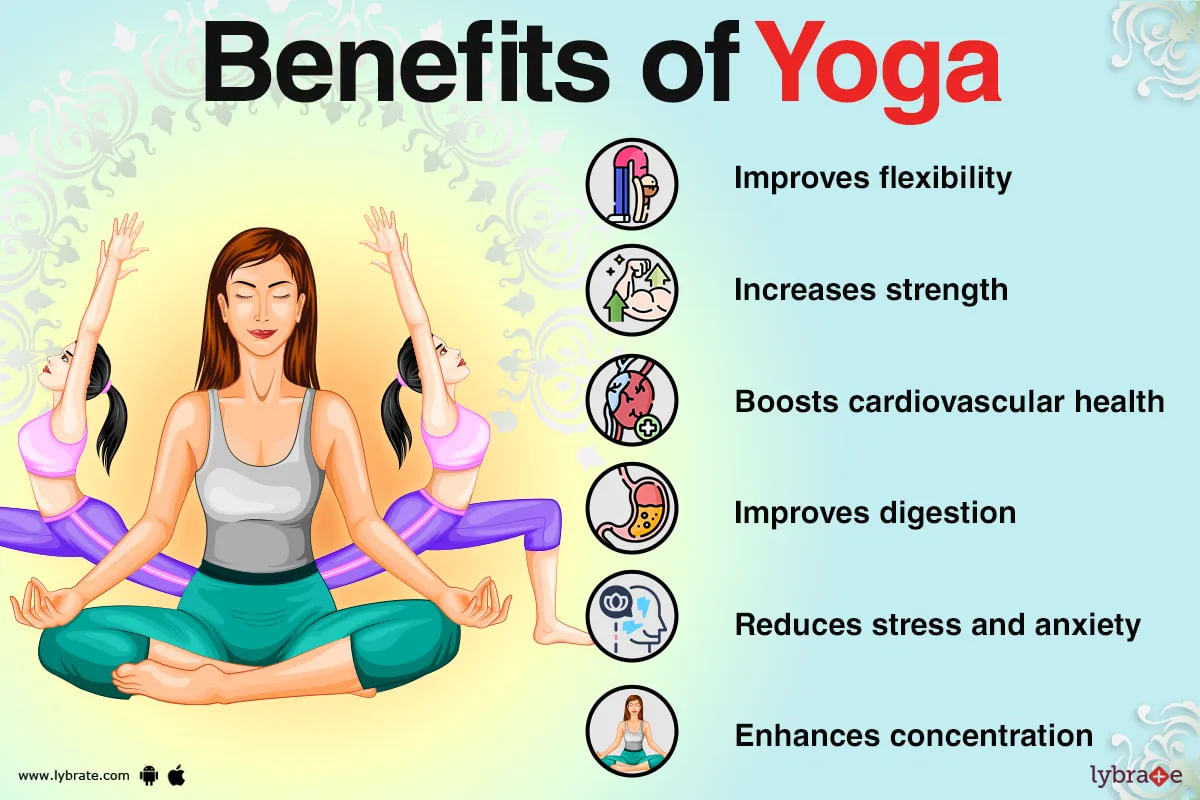
Yoga offers numerous benefits for improving flexibility. It helps the body become more limber, which aids in daily activities. Practicing yoga regularly can lead to a more fluid range of motion and better joint health. These improvements contribute to overall physical well-being and longevity.
Improved Range Of Motion
Yoga stretches muscles and improves the range of motion. Different poses target specific areas of the body. This practice makes it easier to move freely without stiffness. Increased range of motion also helps prevent injuries. Regular practice ensures joints and muscles remain agile and flexible.
Enhanced Muscle Elasticity
Yoga enhances muscle elasticity by lengthening and strengthening them. Consistent stretching keeps muscles supple. It reduces tension and improves circulation. Elastic muscles are less prone to tears and strains. This elasticity supports better posture and reduces muscle fatigue.
Joint Health And Longevity
Yoga promotes joint health by gently moving and stretching them. These movements increase blood flow to the joints, nourishing them. Healthy joints enable easier movement and reduce discomfort. Yoga helps maintain joint integrity over time. This practice can delay age-related joint issues.
Yoga Poses For Flexibility
Yoga helps improve flexibility by stretching muscles and increasing range of motion. Regular practice can loosen tight areas, making everyday movements easier. Enjoy greater freedom in motion through consistent yoga poses.
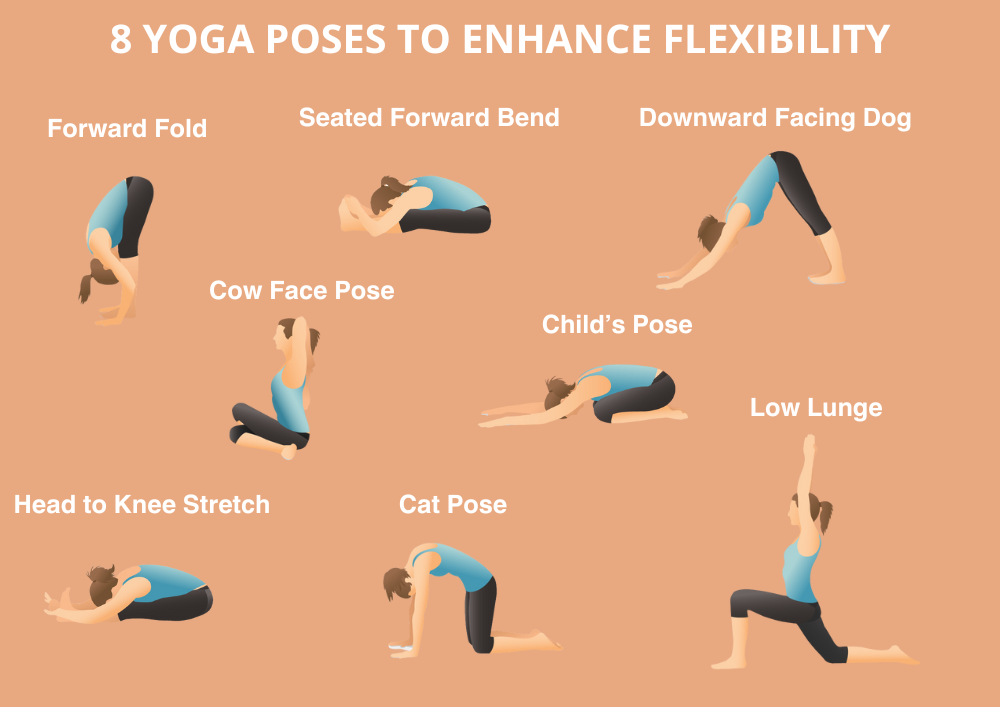
Yoga Poses for Flexibility Yoga is a powerful tool for improving flexibility. It involves a series of poses that stretch and strengthen muscles. These poses help increase range of motion and reduce stiffness. Practicing them regularly can lead to noticeable improvements. Here, we explore some effective yoga poses for flexibility.Forward Bends
Forward bends stretch the back of your body. They target the spine, hamstrings, and calves. Common poses include Standing Forward Bend and Seated Forward Bend. These poses help release tension in the lower back. They also improve posture and promote relaxation.Backbends
Backbends open the chest and shoulders. They strengthen the back and improve spine flexibility. Popular poses are Cobra Pose and Bridge Pose. Practicing backbends can enhance breathing. They also boost energy levels and improve mood.Twists
Twists are great for the spine and digestive organs. They increase flexibility in the back and shoulders. Twisting poses include Seated Twist and Supine Twist. These poses help detoxify the body. They also improve circulation and relieve stress.Incorporating Yoga Into Daily Routine
Incorporating yoga into your daily routine can significantly enhance flexibility. It stretches muscles and improves joint mobility. Regular practice leads to a more supple body, making everyday movements easier.
Incorporating yoga into your daily routine can significantly boost flexibility. Regular practice improves muscle elasticity and joint mobility. With consistent effort, yoga enhances physical and mental well-being. Establishing a routine can seem challenging, but with the right approach, it becomes manageable and rewarding. Below are some practical steps to seamlessly integrate yoga into your day.Finding Time For Practice
Allocating time for yoga is crucial. Analyze your daily schedule to identify free slots. Early morning or late evening often work best. Start with short sessions. Even 10 minutes can make a difference. Gradually increase duration as you get comfortable. Consistency is key, so make yoga a priority.Creating A Home Yoga Space
A dedicated space enhances focus and motivation. Choose a quiet corner in your home. Ensure it has enough room for movement. Keep it clean and clutter-free. Add calming elements like plants or soft lighting. Use a yoga mat for comfort and stability. This space should inspire peace and relaxation.Setting Realistic Goals
Define clear and achievable goals. Start with simple poses. Set weekly targets to maintain flexibility improvement. Track progress to stay motivated. Celebrate small victories to boost confidence. Adjust goals as needed to match your growth. Remember, improvement takes time and patience.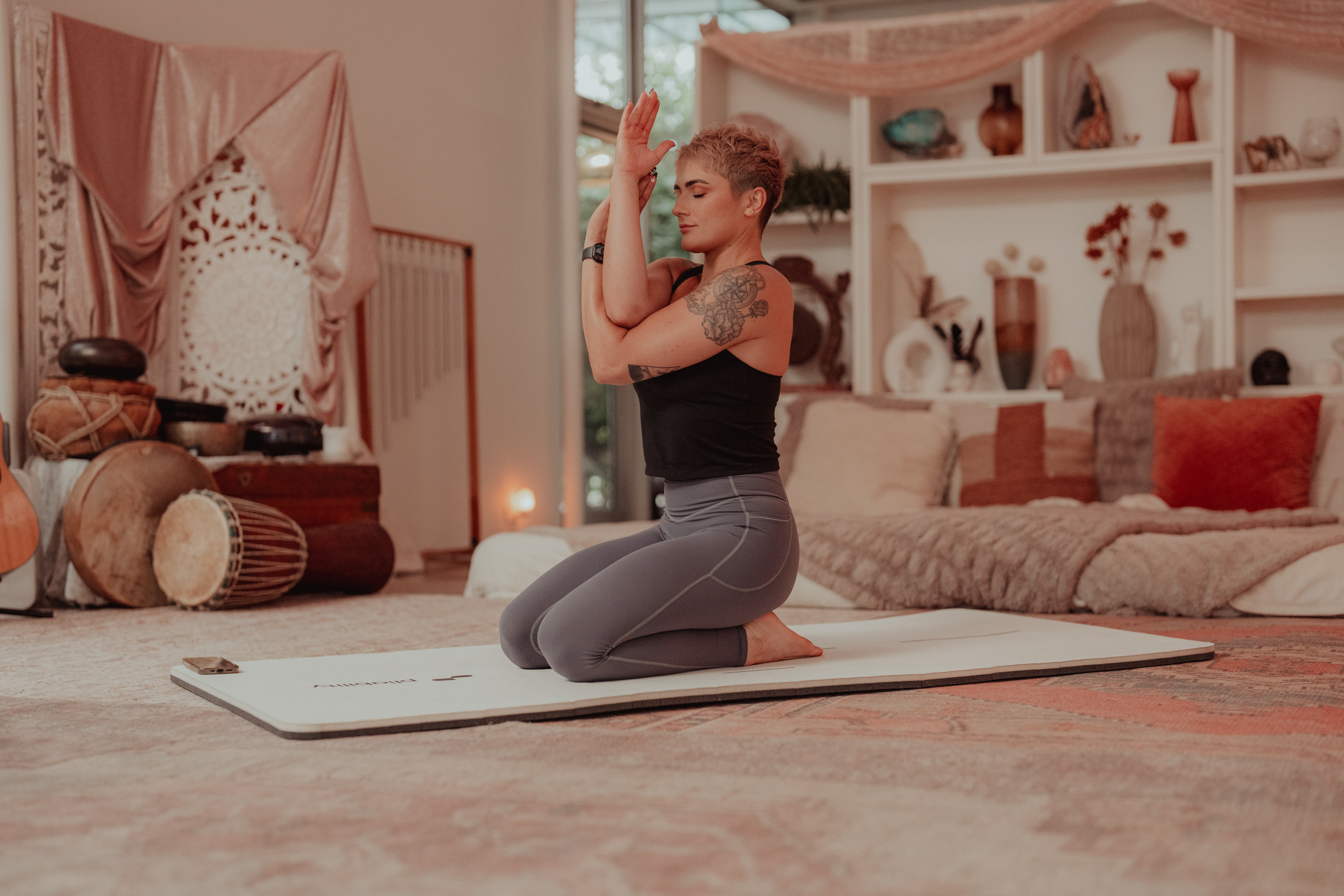
Credit: pliability.com
Yoga For Athletes And Active Individuals
Yoga enhances flexibility by gently stretching muscles, improving range of motion. Athletes benefit from reduced injury risk and improved performance. Regular practice helps maintain joint health and balance.
Yoga for Athletes and Active Individuals Yoga is not just for the flexible or the calm-seekers. It holds immense benefits for athletes and active individuals. Integrating yoga into your routine can be a game-changer, enhancing your overall athletic performance and helping you stay injury-free.Preventing Injuries
One of the most significant advantages of yoga is its role in injury prevention. By increasing flexibility and range of motion, yoga helps reduce the risk of strains and sprains. Imagine preparing for a big game; wouldn’t it be great to have that extra confidence knowing your body is less prone to injury? Yoga also strengthens your joints and stabilizes your muscles, creating a balanced body that can better withstand the rigors of intense physical activity. It’s like having a secret weapon in your fitness arsenal.Improving Performance
Yoga isn’t just about stretching; it’s a full-body workout that can enhance your athletic performance. Improved flexibility can lead to better form and technique in your sport, which translates to better results. Have you ever noticed how top athletes incorporate yoga into their training? It’s because yoga enhances their agility, stamina, and mental focus. These improvements can be the difference between a good performance and a great one.Balancing Strength And Flexibility
Finding the right balance between strength and flexibility is crucial for any athlete. Too much strength without flexibility can lead to muscle tightness and imbalances. Conversely, too much flexibility without strength can result in instability. Yoga helps you achieve this balance by combining strength-building poses with deep stretches. You’ll find that you can push your limits further, with a body that’s not only strong but also supple. Have you ever thought about how your favorite athlete maintains their peak performance? The secret might just be in those yoga sessions they never skip.Common Misconceptions About Yoga And Flexibility
Yoga is often associated with impressive flexibility. Many believe you must be naturally flexible to begin yoga. This misconception stops many from trying yoga, thinking it’s only for the bendy. Yet yoga is not about being flexible from the start. It’s about improving over time through consistent practice.
Yoga For All Levels
Yoga welcomes beginners to advanced practitioners. Classes cater to different skill levels. Beginners can start with basic poses. Advanced yogis explore complex movements. Flexibility improves gradually. Everyone finds their pace and path in yoga.
Progress Over Perfection
Yoga emphasizes progress, not perfection. The journey is more important than the destination. Small improvements count. Each session builds on the last. Celebrate each step forward, no matter how small.
Debunking The Flexible Myth
Many think yoga requires natural flexibility. This is a myth. Yoga enhances flexibility over time. It helps the body stretch and strengthen. Beginners often notice improvement quickly. Yoga is accessible to everyone, regardless of initial flexibility.
Personal Stories Of Transformation
Yoga has the power to change lives. It not only improves physical health but also enhances flexibility. Many people have shared their personal stories of transformation. These stories inspire others to begin their yoga journey and experience their own changes.
Real-life Success Stories
Consider Sarah, a busy mother of two. She struggled with stiff joints and constant back pain. Sarah started yoga to find some relief. Within months, she noticed a huge change. Her flexibility improved, and she felt more energetic. Yoga became a part of her daily routine, and she felt more balanced than ever.
Then there’s Mark, a retired teacher. He was new to yoga and unsure if it would help him. With time and practice, he gained flexibility. His posture improved, and he moved with ease. Mark now enjoys his hobbies without physical limitations.
Journey To Flexibility
Flexibility doesn’t happen overnight. It takes dedication and patience. Many people begin their yoga practice feeling stiff and rigid. They often wonder if they will ever see improvement. Over time, they start to notice small changes. Touching their toes becomes easier. They feel less tension in their muscles. These small victories keep them motivated.
The journey is unique for everyone. Some may see progress quickly. Others might take a bit longer. But each journey is rewarding. Yoga practitioners often find that the process itself is fulfilling.
Overcoming Challenges
Yoga is not always easy. Many face challenges along the way. Some struggle with maintaining balance. Others find certain poses difficult. But overcoming these challenges is part of the process. It teaches resilience and patience.
Support from fellow practitioners helps too. Sharing experiences and tips can make a big difference. Encouragement from a community boosts confidence. It helps people push past their limits and grow.
Credit: www.lybrate.com
Frequently Asked Questions
How Does Yoga Improve Flexibility?
Yoga enhances flexibility by stretching and lengthening muscles, ligaments, and tendons. Regular practice increases range of motion and reduces stiffness. Poses such as forward bends and twists target specific areas. Over time, yoga promotes muscle elasticity and joint mobility, making everyday movements easier and more comfortable.
Can Beginners Gain Flexibility Through Yoga?
Yes, beginners can gain flexibility through yoga. Starting with simple poses gradually increases range of motion. Consistent practice helps to stretch tight muscles and ligaments. Yoga encourages gentle progression, allowing beginners to see improvements within weeks. It’s suitable for all fitness levels and adapts to individual abilities.
Which Yoga Poses Boost Flexibility?
Certain yoga poses significantly boost flexibility. Poses like downward dog, pigeon, and cobra target key muscle groups. Forward bends enhance hamstring and back flexibility, while twists improve spinal mobility. Regular practice of these poses increases range of motion and reduces muscle stiffness, contributing to overall flexibility enhancement.
Is Yoga Better Than Stretching For Flexibility?
Yoga is often considered more effective than static stretching for flexibility. It combines stretching with breath control and mindfulness, promoting deeper muscle relaxation. Yoga also targets multiple muscle groups simultaneously. This holistic approach enhances flexibility while improving strength and balance, offering long-term benefits beyond simple stretching exercises.
Conclusion
Yoga boosts flexibility through consistent practice. Simple poses stretch tight muscles. Improved flexibility enhances balance and reduces injury risk. Regular sessions promote joint health and mobility. Yoga supports all age groups in maintaining flexible bodies. Enjoy greater freedom of movement and better posture.
Flexibility aids in daily activities and physical performance. Practice yoga to experience these benefits firsthand. Embrace a flexible lifestyle today. It’s about feeling good and moving freely. Yoga offers a natural path to flexibility. Start your journey now and notice the difference.
Small efforts bring lasting change.