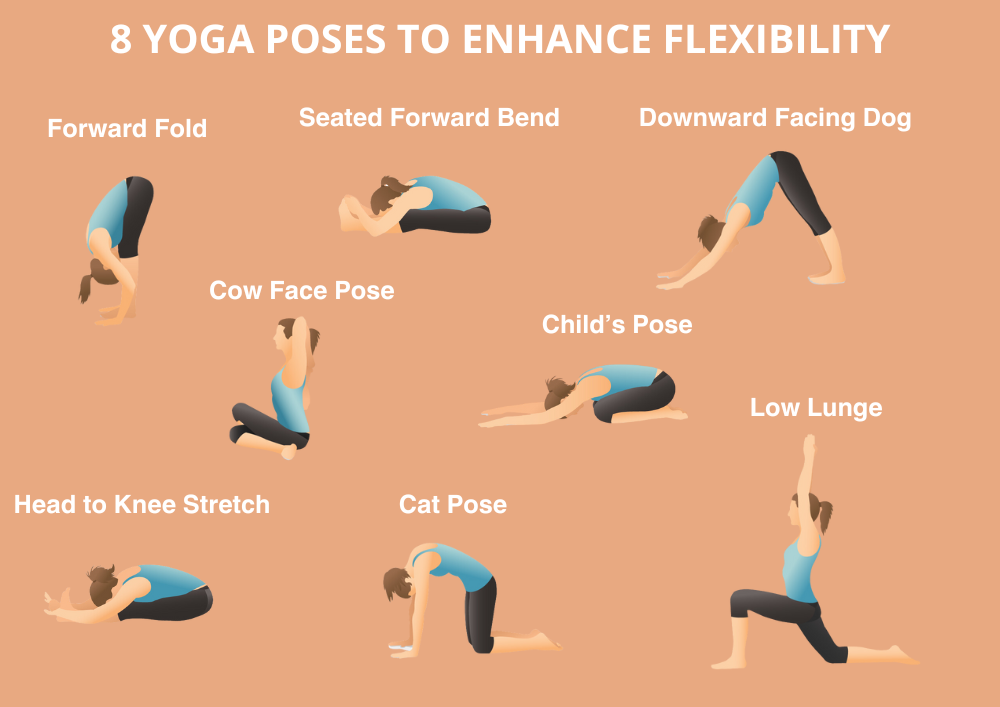
Imagine being able to glide into each yoga pose with grace and ease. Your body moves fluidly, and your muscles feel both strong and supple.
Doesn’t that sound incredible? If you’ve ever felt stiff or struggled to reach your toes, you’re not alone. Many people find flexibility a challenge, especially when starting yoga. But here’s the exciting part: improving your flexibility is not only possible, it’s within reach! This guide is all about helping you unlock your body’s potential.
You’ll learn straightforward techniques and tips that can make a noticeable difference in your yoga practice. Imagine the satisfaction and confidence you’ll feel as you notice your progress. Ready to transform your practice and enhance your flexibility? Let’s dive in and discover how you can achieve the flexibility you’ve always wanted.

Credit: www.youtube.com
Benefits Of Flexibility In Yoga
Improving flexibility in yoga enhances muscle strength and balance. It reduces injury risk and increases range of motion. Regular practice leads to better posture and relaxation, providing mental clarity and calmness.
Flexibility plays a crucial role in yoga practice. It enhances both physical and mental well-being. With increased flexibility, you can perform poses with ease. This reduces the risk of injury and boosts confidence. Let’s explore the benefits of flexibility in yoga.Enhances Physical Performance
Flexibility allows deeper stretches in yoga poses. This improves overall physical performance. It enables smoother transitions between poses. Flexibility also aids in muscle coordination. This results in more effective yoga sessions.Reduces Muscle Tension
Tight muscles restrict movement and cause discomfort. Stretching during yoga releases tension. This leads to relaxed and flexible muscles. Reduced tension improves posture and relieves stress. It also enhances daily physical activities.Improves Posture And Balance
Flexibility contributes to better posture. It aligns the spine and strengthens core muscles. Improved balance helps in maintaining poses longer. This boosts concentration and focus during practice. It also reduces the chance of falls and injuries.Boosts Circulation And Energy
Flexible muscles promote better blood flow. This increases oxygen supply to the body. Enhanced circulation boosts energy levels. It also aids in faster recovery post-exercise. A flexible body feels more vibrant and active.Facilitates Mental Relaxation
Yoga combines physical and mental exercises. Flexibility aids in achieving mental relaxation. It reduces stress and promotes a calm mind. Flexible poses encourage mindfulness and meditation. This leads to improved mental clarity and focus.Assessing Your Current Flexibility
Understanding your body’s current flexibility is essential for improving yoga practice. Test your range by gently stretching limbs and noting discomfort or tightness. Identifying these areas helps target improvement effectively.
Assessing your current flexibility is the first step to improving it for yoga. Understanding your body’s current limits helps tailor your practice effectively. It allows you to focus on areas that need the most attention. This assessment is crucial for setting realistic goals. It also helps prevent injuries during your yoga journey.Understanding Your Body’s Range Of Motion
Start by observing your body’s natural movements. Notice how far you can stretch without discomfort. This gives insight into your current flexibility level. Pay attention to tight areas that restrict movement. These are the areas to focus on in your yoga practice.Performing Basic Flexibility Tests
Simple tests can help gauge your flexibility. Try reaching for your toes while standing. Note how close your fingers get to your toes. Sit on the floor and try touching your toes. Record the distance between your fingers and toes. These tests provide a baseline for improvement.Identifying Areas Of Tightness
Notice specific areas where you feel tightness. Common areas include hamstrings, hips, and shoulders. Understanding where you feel tight helps focus your stretching routine. Identifying these areas helps target them effectively during yoga sessions.Tracking Flexibility Progress
Keep a record of your flexibility assessments. Write down your reach distances and areas of tightness. Regular tracking helps monitor progress over time. Seeing improvement can be motivating and encouraging. It also helps adjust your yoga practice as your flexibility increases.Warm-up Techniques
Improving flexibility is crucial for a rewarding yoga practice. Warming up is a key step that prepares your body and mind for the journey. Engaging in effective warm-up techniques can enhance your flexibility and protect you from injuries.
Dynamic Stretching
Dynamic stretching involves active movements that stretch your muscles without holding the position. It helps in increasing blood flow and body temperature, which loosens up your joints. Try leg swings, arm circles, or hip rotations to kickstart your session.
Imagine doing a few rounds of sun salutations. They not only warm you up but also gradually increase your range of motion. Consistent practice can lead to noticeable improvements in your flexibility.
Breathing Exercises
Breathing exercises are not just about oxygen intake; they also prepare your mind for yoga. Deep breathing helps calm your nervous system, making your body more receptive to stretching. Try the 4-7-8 technique: inhale for 4 seconds, hold for 7 seconds, and exhale for 8 seconds.
Have you noticed how much deeper your stretches become when you exhale slowly? Controlled breathing increases your focus and relaxation, allowing you to ease into poses. Integrate these exercises into your warm-up to enhance both flexibility and mindfulness.
Incorporating Stretching Routines
Integrating stretching routines boosts yoga flexibility, enhancing range of motion and posture. Regular practice eases tension and promotes relaxation, making poses more attainable and comfortable.
Improving flexibility for yoga is a journey that combines patience and consistent practice. A key component of this journey is incorporating stretching routines into your daily life. Stretching not only enhances your yoga practice but also keeps your muscles supple and reduces the risk of injury. By adding a variety of stretching techniques, you can target different muscle groups and gradually improve your range of motion. Let’s dive into two effective stretching methods that can aid your flexibility journey.Static Stretching
Static stretching involves holding a stretch for a period of time, typically between 15 to 60 seconds. This technique helps elongate the muscles and improve overall flexibility. A simple static stretch can be the seated forward bend, where you sit with your legs extended and gently reach towards your toes. Consistency is key, so aim to include static stretches in your routine at least three times a week. Are you holding each stretch long enough to feel the tension release? Listen to your body, as it will guide you on how long you should stay in each pose.Pnf Stretching
PNF (Proprioceptive Neuromuscular Facilitation) stretching combines passive and isometric stretching to achieve maximum flexibility. This technique often involves a partner, but can also be done solo with the help of a resistance band. An effective PNF stretch is the hamstring stretch, where you lie on your back, lift one leg, and use a band to gently pull it towards you while contracting and relaxing the muscle. This cycle of tension and relaxation can significantly enhance flexibility. Have you tried alternating between contracting and relaxing your muscles during a stretch? This method can push your flexibility boundaries further than you might expect.Poses To Enhance Flexibility
Yoga poses such as the butterfly and cat-cow stretch can improve flexibility. Regular practice of these poses helps stretch muscles gently, enhancing your range of motion and overall flexibility.
Improving flexibility for yoga requires a mix of dedication, patience, and the right poses. Whether you’re a beginner or seasoned practitioner, incorporating specific poses can significantly enhance your flexibility. Each pose targets different muscle groups, paving the way for a more fluid yoga practice. Let’s dive into some key poses that can help you achieve greater flexibility.Forward Bends
Forward bends are fundamental for stretching the hamstrings and the lower back. Try the Standing Forward Bend. Begin by standing tall and gently fold forward at your hips, reaching towards the floor. Feel the stretch in your hamstrings as you breathe deeply. The Seated Forward Bend is another effective pose. Sit with your legs extended, and slowly lean forward, reaching for your toes. This pose not only enhances flexibility but also calms the mind. Can you touch your toes yet?Hip Openers
Hip openers are crucial for releasing tension and improving range of motion. Pigeon Pose is a favorite among yogis. Start in a downward dog, bring one knee forward, and extend the other leg behind you. Allow your hips to sink and breathe into the stretch. Butterfly Pose is a gentle hip opener. Sit with the soles of your feet together, letting your knees fall outward. Gently press your knees down with your elbows for a deeper stretch. Which pose challenges your hips more?Backbends
Backbends are excellent for increasing spinal flexibility and opening the chest. Cobra Pose is a beginner-friendly option. Lie on your stomach, place your hands under your shoulders, and lift your chest off the ground. Feel the stretch in your back and shoulders. For a deeper stretch, try the Bridge Pose. Lie on your back, bend your knees, and lift your hips towards the sky. This pose not only enhances flexibility but strengthens your core. How does your back feel after practicing these poses? Adding these poses to your routine can lead to noticeable improvements in flexibility, enriching your yoga journey.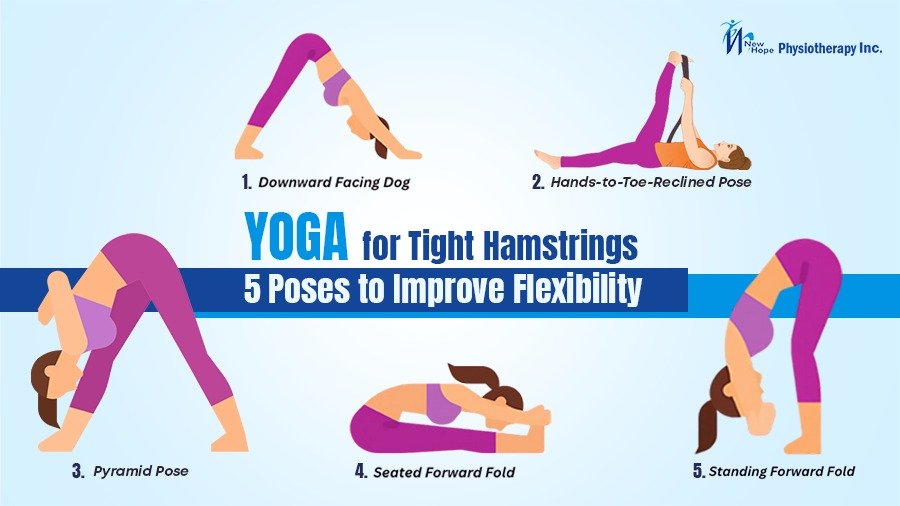
Credit: www.newhopephysio.com
Using Props Effectively
Props can enhance flexibility in yoga by providing support and alignment. Blocks, straps, and blankets help deepen stretches safely. They allow for gradual improvement without strain, ensuring comfort during practice.
Improving flexibility for yoga isn’t just about stretching; it’s also about using props effectively. Props can help you achieve poses with better alignment and can make challenging positions more accessible. They are like silent teachers, guiding you toward a deeper, safer practice. Have you ever wondered how a simple block or strap could transform your yoga routine?Blocks And Straps
Blocks offer support and stability. Imagine reaching for your toes in a forward bend; a block can bridge the gap between your hands and the floor. It helps maintain proper posture without straining your muscles. Straps are your best friends when flexibility is a work in progress. They extend your reach, making it easier to hold poses longer. For example, in a seated forward bend, a strap around your feet can prevent overextension and help gently deepen the stretch.Bolsters And Blankets
Bolsters provide comfort and support, especially in restorative yoga. They encourage you to settle into poses, easing tension and promoting relaxation. Think of them as a cushion for your practice, allowing your body to open up at its own pace. Blankets can be used in multiple ways. Folded blankets can elevate your hips in seated poses, aligning your spine effortlessly. They can also offer warmth and grounding during meditation or savasana, enhancing your overall experience. What props have you tried in your practice? Embrace these tools and watch your yoga journey transform.Consistency In Practice
Consistency in practice is the cornerstone of improving flexibility for yoga. By committing to regular practice, your body starts to adapt, becoming more limber over time. The key is not to rush, but to embrace steady progress, allowing your muscles to gradually stretch and strengthen.
Setting Realistic Goals
Start with small, achievable goals that fit into your daily routine. Whether it’s dedicating 10 minutes each morning or a longer session twice a week, consistency is more important than duration. Gradually increase the time and intensity as your body becomes more comfortable with the stretches.
Tracking Your Progress
Keep a journal or use an app to monitor your improvement. Note how your body feels during each session, which poses are becoming easier, and any changes in your flexibility. This can be a great motivator, showing you how far you’ve come and inspiring you to keep going.
Dealing With Plateaus
It’s normal to hit a plateau where progress seems to stall. Instead of getting frustrated, try varying your routine. Introduce new poses or different styles of yoga to challenge your body in new ways. Sometimes, a small change can make a big difference in overcoming stagnation.
Creating A Supportive Environment
Designate a peaceful space for your yoga practice. This could be a corner of your living room or a spot in your backyard. A dedicated space helps reinforce the habit and makes it easier to stay consistent. Consider adding calming elements like plants or soothing music to enhance the experience.
While consistency is vital, it’s equally important to listen to your body. If you’re feeling sore or fatigued, allow yourself time to rest. Yoga is about harmony, and pushing too hard can lead to injury. Remember, flexibility improves with gentle persistence, not force.
Have you ever wondered what would happen if you dedicated just a few minutes each day to your yoga practice? Imagine the progress you’d make with this consistent effort.
Listening To Your Body
Listening to your body is key to improving flexibility for yoga. Pay attention to how each stretch feels. Adjust poses to suit your comfort level and prevent injury.
Listening to your body is vital in yoga practice. It helps improve flexibility effectively. Understanding your body’s signals can prevent strain and enhance your progress. Listening allows you to practice safely, respecting your body’s needs and limits.Recognizing Limitations
Every body is unique. Recognize what your body can do today. Pay attention to tightness or discomfort. These are signs to slow down. Flexibility grows over time, not overnight. Pushing too hard can lead to setbacks. Be patient with your progress. Accepting your current limits is key to improvement. Celebrate small achievements daily.Avoiding Injury
Injury prevention starts with mindful practice. Warm up before diving into poses. Use gentle movements to prepare your muscles. If a pose feels painful, ease off. Pain is a warning sign, not a challenge. Modify poses to suit your comfort level. Use props like blocks or straps for support. Ensure proper alignment in each pose. Correct form reduces the risk of injury. Consistent practice with caution builds flexibility safely.Nutrition And Hydration
Boost your yoga flexibility by focusing on nutrition and hydration. Eating balanced meals supports muscle function and recovery. Staying hydrated keeps joints lubricated, enhancing movement and flexibility.
Improving flexibility for yoga is not just about stretching and practicing poses; it also involves paying close attention to what you eat and drink. Nutrition and hydration play a crucial role in enhancing your body’s ability to move and stretch comfortably. Without proper fuel, your muscles may feel tight and uncooperative, hindering your progress in yoga. You might already know the importance of staying hydrated, but have you considered how your diet affects your flexibility? Let’s dive into some practical tips on how nutrition and hydration can support your yoga journey.Prioritize Hydration For Muscle Elasticity
Staying hydrated is vital for maintaining muscle elasticity. Water helps keep your muscles supple, reducing the risk of stiffness during yoga practice. Aim to drink at least 8 cups of water daily. If you sweat a lot during your sessions, consider increasing your intake. Adding a slice of lemon or cucumber can make your water more appealing, encouraging you to drink more throughout the day. You might find that being well-hydrated enhances your ability to hold poses longer and with greater ease.Eat Foods Rich In Omega-3 Fatty Acids
Omega-3 fatty acids are known for their anti-inflammatory properties. Including foods like salmon, walnuts, and chia seeds in your diet can help reduce muscle soreness and improve joint flexibility. These nutrients support healthy muscle function, making it easier for you to stretch deeper into poses. Consider having a serving of omega-3-rich foods a few times a week. This simple dietary adjustment can make a noticeable difference in your yoga practice.Incorporate Magnesium-rich Foods
Magnesium plays a crucial role in muscle relaxation and contraction. Foods like spinach, almonds, and avocados are excellent sources of magnesium. Including them in your meals can improve your overall flexibility and prevent muscle cramps during yoga sessions. Try adding a spinach salad or a handful of almonds to your daily routine. You may find that your muscles feel less tense and more responsive.Balance Electrolytes With Natural Sources
Electrolytes, such as sodium and potassium, are essential for muscle function. Balance your electrolytes by consuming foods like bananas, sweet potatoes, and coconut water. These natural sources can help maintain proper muscle hydration and prevent cramps. Could adjusting your diet to balance electrolytes be the secret to unlocking greater flexibility in your yoga practice? It’s worth experimenting to see how your body responds.Limit Processed Foods And Sugar
Processed foods and sugar can lead to inflammation and sluggishness. Opting for whole foods, such as fruits, vegetables, and lean proteins, can keep your energy levels steady and your muscles ready to stretch. Consider swapping a sugary snack for a piece of fruit or a handful of nuts. You may notice that your energy levels stabilize, allowing for a more focused yoga session. By making conscious choices about your nutrition and hydration, you can enhance your flexibility and make the most out of your yoga practice. Are you ready to optimize your diet and hydrate effectively to see real changes in your flexibility?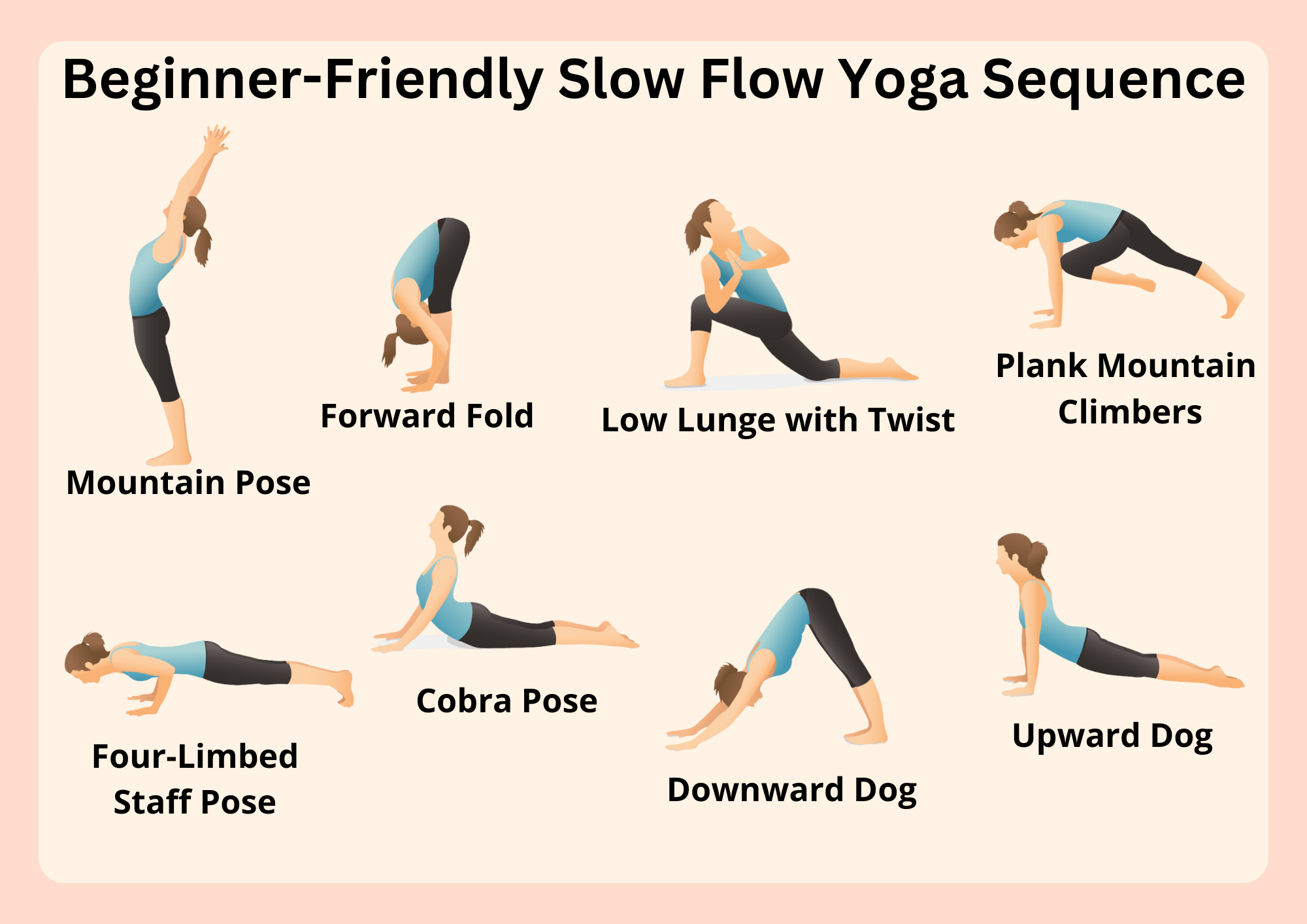
Credit: myyogateacher.com
Seeking Guidance From Experts
Consulting yoga experts can enhance your flexibility journey. They offer tailored advice and techniques for effective improvement. Gaining insights from professionals ensures safe and progressive flexibility development.
Improving flexibility for yoga can seem daunting, especially if you’re practicing alone. Seeking guidance from experts can offer personalized insight and accelerate your journey. Whether you’re a beginner or an advanced yogi, tapping into the wisdom of seasoned professionals can make a significant difference. Their expertise can help you avoid common mistakes and achieve your flexibility goals faster.Yoga Instructors
Yoga instructors are a wealth of knowledge when it comes to flexibility. They can observe your posture and suggest tailored modifications. Have you ever noticed how a simple adjustment can suddenly make a pose accessible? That’s the magic of an expert’s eye. Consider attending workshops or private sessions. This allows instructors to provide focused attention on your needs. You might discover a new pose variation that enhances your flexibility, or learn breathing techniques that aid muscle relaxation. Don’t hesitate to ask questions during a class. Engaging with your instructor can lead to unexpected insights. They might share a personal story about overcoming flexibility challenges, inspiring you to push through yours.Physical Therapists
Physical therapists can be invaluable allies in your quest for flexibility. They specialize in understanding the body’s mechanics and can pinpoint areas that need improvement. If you’ve experienced an injury, a therapist can guide you safely back to your practice. Imagine working with a therapist who creates a stretching regimen specifically for you. This personalized approach can target stubborn areas and provide measurable progress. Physical therapists can also educate you on injury prevention, a crucial aspect often overlooked in yoga practice. Are you aware of how muscle imbalances might be affecting your flexibility? A therapist can help identify these issues, offering corrective exercises to balance your strength and flexibility. Seeking guidance from experts is not just about learning new techniques; it’s about fostering a deeper connection to your body and practice. Are you ready to take this step towards enhanced flexibility?Frequently Asked Questions
How Can I Improve Flexibility For Yoga?
Improving flexibility for yoga involves regular practice and stretching. Incorporate dynamic stretches and focus on breath control. Consistency is key, so aim for daily practice. Gradually increase the intensity and duration of stretches to enhance flexibility. Consider adding yoga props like blocks to support your progress.
What Are The Best Yoga Poses For Flexibility?
Some effective yoga poses for flexibility include Downward Dog, Pigeon Pose, and Forward Bend. These poses target different muscle groups, promoting stretch and mobility. Practicing these poses regularly can enhance overall flexibility. Ensure proper alignment and breathing for maximum benefit and to avoid injuries.
How Often Should I Practice Yoga For Flexibility?
To improve flexibility, practice yoga at least three times a week. Regular practice helps maintain progress and increases flexibility over time. Consistency is vital, so choose a routine that fits your schedule. Gradually increase practice frequency as your body adapts to the stretches.
Can Beginners Improve Flexibility With Yoga?
Yes, beginners can improve flexibility with yoga by starting with simple poses. Focus on maintaining proper form and breathing techniques. Over time, your body will adapt, increasing flexibility. Be patient and consistent in your practice. Consider joining beginner yoga classes for guidance and structured progress.
Conclusion
Improving flexibility for yoga takes patience and practice. Regular stretching helps muscles loosen. Try different poses and exercises to keep it fun. Consistency is key, so make it a daily habit. Listen to your body and avoid pushing too hard.
Remember, progress takes time. Celebrate small victories along the way. Yoga is about balance and peace, not just flexibility. Enjoy the journey and watch your body adapt. Share your experiences with others. Stay committed, and you will see improvement. Flexibility enhances your yoga experience and your overall well-being.
Keep practicing, and embrace the changes you feel.