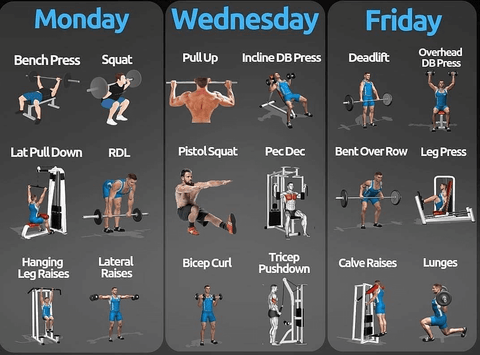
Are you ready to transform your fitness routine and finally achieve the results you’ve been dreaming of? Whether you’re a gym newbie or a seasoned fitness enthusiast, finding the right workout schedule can make all the difference.
But what exactly is a good gym workout schedule? It’s not just about spending hours on the treadmill or pumping iron until you drop. It’s about creating a plan that fits your goals, lifestyle, and body’s unique needs. You’ll discover the secrets to crafting a workout schedule that keeps you motivated, maximizes your gains, and fits seamlessly into your busy life.
So, if you’re tired of aimlessly wandering around the gym and want to take control of your fitness journey, keep reading. You’re just a few steps away from unlocking your full potential!

Credit: www.pinterest.com
Importance Of A Structured Gym Schedule
Importance of a Structured Gym Schedule A structured gym schedule boosts fitness progress by ensuring consistent workouts. It helps in balancing different muscle groups, preventing injuries. Plus, it keeps motivation high by setting clear goals.
A structured gym schedule is like having a map on a road trip. Without it, you might find yourself wandering aimlessly, unsure of the next step. Establishing a clear routine not only provides direction but also helps to maximize your workout effectiveness, keeping you motivated and focused. It’s not just about going to the gym; it’s about knowing what you’ll do once you’re there, and how it fits into your overall fitness goals.Consistency Breeds Results
Consistency is key in any fitness journey. When you have a structured schedule, it becomes easier to track your progress. You can see where you started and how far you’ve come. This not only boosts your confidence but also keeps you motivated to push further. Without consistency, it’s challenging to identify what works best for your body. Do you prefer high-intensity workouts or a mix of cardio and strength training? A schedule helps you answer these questions.Enhanced Time Management
How often have you found yourself rushing through a workout, only to realize you missed out on key exercises? A structured gym schedule allows you to allocate specific time slots for different activities, ensuring you cover all bases. This means less time wasted figuring out what to do next and more time spent working towards your goals. Think of your schedule as a toolkit: each exercise has its place, ensuring you get the most out of your gym time.Building A Habit
Creating a structured gym schedule turns your fitness routine into a habit. When workouts become second nature, you’re less likely to skip them. This regularity is crucial for long-term benefits, both physically and mentally. Imagine the satisfaction of knowing that you’ve built a habit that contributes to a healthier lifestyle. It’s not about forcing yourself to go to the gym; it’s about making it a natural part of your day.Adaptability And Flexibility
A structured schedule doesn’t mean rigidity. Life is unpredictable, and sometimes you need to adjust your plans. Having a schedule gives you a framework to tweak when necessary, ensuring you still meet your fitness goals. Whether it’s swapping a gym day due to a busy work schedule or adjusting exercises due to an injury, adaptability is built into your routine. How will you handle the unexpected and stay on track?Monitoring Progress
With a structured gym schedule, tracking your progress becomes straightforward. You can note improvements in strength, endurance, or flexibility over time. This tangible evidence of progress is incredibly motivating. It’s like watching your personal highlight reel, seeing the gains you’ve made and understanding the areas that need more focus. Have you considered how tracking your workouts can inspire your next fitness milestone? A structured gym schedule isn’t just about planning; it’s about creating a pathway to success in your fitness journey. It offers clarity, consistency, and a sense of accomplishment that can transform your gym experience.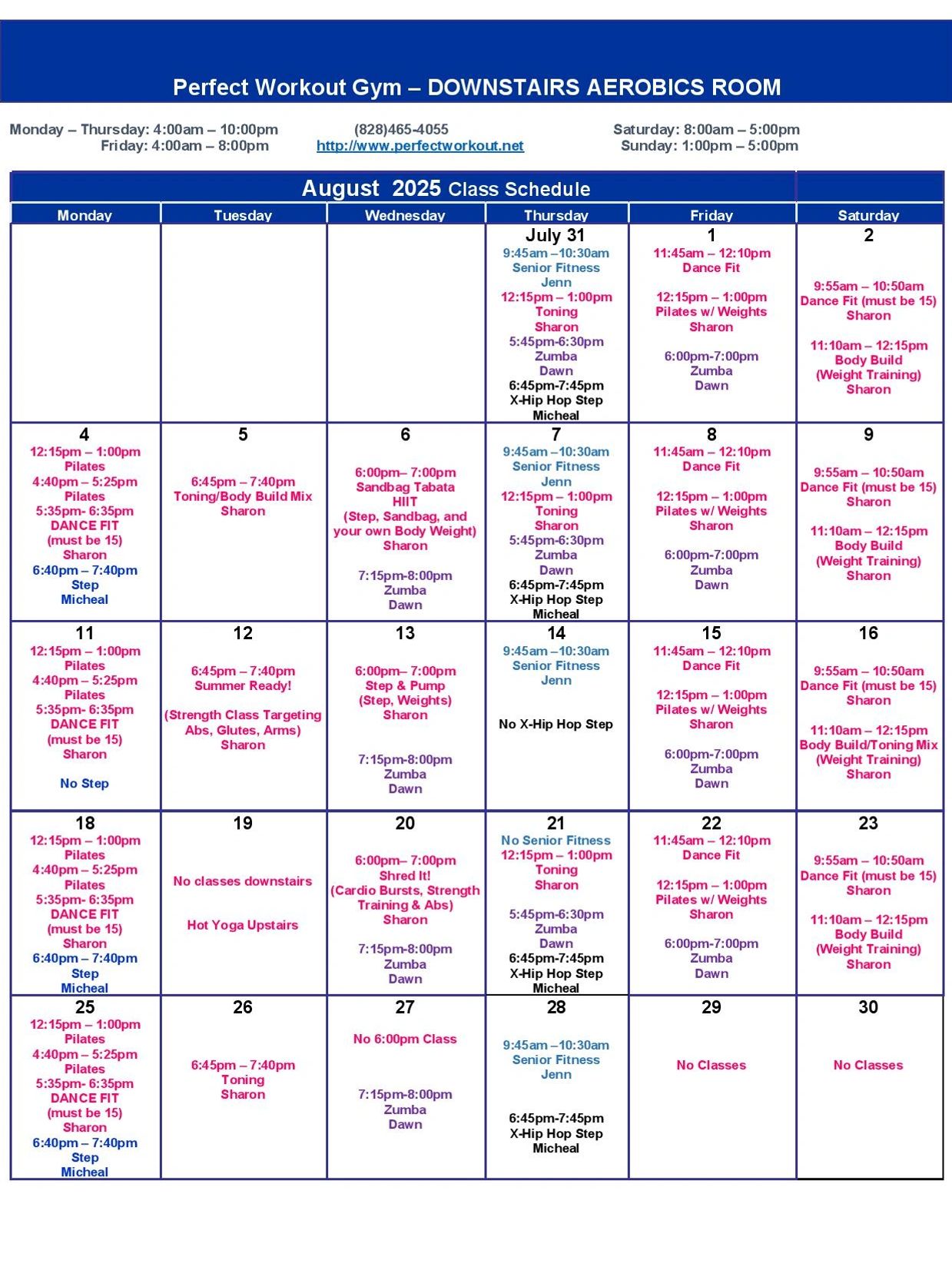
Credit: perfectworkout.net
Setting Personal Fitness Goals
Creating a gym workout schedule helps achieve fitness goals effectively. Balance cardio, strength, and rest days for optimal results. Adjust the schedule based on personal progress and preferences.
Setting personal fitness goals is crucial for creating a gym workout schedule that genuinely fits your needs. Without clear goals, it’s easy to lose motivation and direction. Having a roadmap not only keeps you focused but also measures your progress and achievements.Why Personal Goals Matter
Personal goals help you tailor your workout schedule to match your aspirations. Whether you’re aiming to lose weight, gain muscle, or improve endurance, setting specific goals gives your workouts purpose. Imagine you want to run a marathon; your training plan would look different compared to someone aiming to lift heavier weights.Define Your Objectives
Start by asking yourself what you really want to achieve. Do you want to boost your cardiovascular health or sculpt your body? Writing down your objectives gives them life. It’s not just about dreaming but making those dreams actionable.Set Smart Goals
SMART goals are Specific, Measurable, Achievable, Relevant, and Time-bound. Instead of saying “I want to be fit,” specify “I will run 5 miles in under 40 minutes in two months.” This clarity helps track progress and keeps you accountable.Break Down Your Goals
Divide your larger goals into smaller, manageable tasks. If your main goal is to lose 20 pounds, aim to shed a pound a week. This makes the journey less overwhelming and more rewarding with frequent milestones.Adjust And Reflect
Your goals might evolve over time, and that’s perfectly okay. Regular reflection allows you to assess what works and what doesn’t. If a goal seems too ambitious, tweak it. Flexibility ensures your workout schedule remains realistic and attainable.Celebrate Small Wins
Every step forward is worth celebrating. Acknowledge your progress and reward yourself for the hard work. This positive reinforcement boosts motivation and encourages you to keep moving forward. Did you lift an extra 10 pounds this week? Fantastic! Treat yourself to a healthy smoothie or a day of relaxation. Remember, setting personal fitness goals is not just about the finish line. It’s about enjoying the journey and the transformation along the way. What goals will you set to kickstart your fitness journey?Balancing Strength And Cardio
Balancing strength and cardio in a gym workout schedule enhances overall fitness. Aim for three strength sessions and two cardio days weekly. This combination boosts muscle growth and improves heart health.
Balancing strength and cardio in your gym workout schedule can lead to better results. It helps build muscle and improve heart health. Finding the right mix is key for overall fitness. Both types of exercise have their benefits. Strength training builds muscles and boosts metabolism. Cardio improves endurance and supports heart health. A well-rounded routine should include both.Understanding The Benefits Of Strength Training
Strength training uses weights or resistance to build muscles. It increases bone density and improves balance. This type of exercise also helps burn calories even at rest. It is crucial for maintaining muscle mass as we age. Including strength exercises can aid in weight management.The Role Of Cardio In Fitness
Cardio exercises increase heart rate and improve lung capacity. They help in burning calories and reducing fat. Regular cardio can enhance overall endurance and stamina. It also reduces the risk of heart-related illnesses. Cardio is essential for a healthy heart.How To Combine Strength And Cardio
Creating a balanced workout schedule involves both strength and cardio. Start with strength training sessions three days a week. Include exercises like squats, push-ups, and deadlifts. On alternate days, focus on cardio activities like running or cycling. This balance ensures all-round fitness and prevents monotony.Sample Weekly Workout Schedule
Here’s a simple plan for beginners:- Monday: Strength training (upper body)
- Tuesday: Cardio (30 minutes jogging)
- Wednesday: Strength training (lower body)
- Thursday: Rest day
- Friday: Cardio (swimming or cycling)
- Saturday: Full-body strength workout
- Sunday: Rest or light yoga
Listening To Your Body
Always pay attention to how your body feels. Rest if you experience fatigue or pain. Adjust the intensity based on your energy levels. Proper rest and nutrition are crucial for recovery. A balanced workout plan should be sustainable and enjoyable.Creating A Weekly Workout Plan
Designing a good gym workout schedule involves balancing strength and cardio exercises. Focus on different muscle groups each day. Consistency and variety keep workouts effective and engaging.
Creating a weekly workout plan helps maintain consistency in your fitness journey. It structures your week, balancing exercise types to maximize results and minimize injury risk. This plan should accommodate your lifestyle and fitness goals. Each day can focus on different aspects, ensuring comprehensive physical development. Start by determining your personal fitness objectives.Days For Strength Training
Strength training is crucial for muscle building and increasing metabolic rate. Dedicate two to three days per week for this. Focus on major muscle groups like legs, arms, chest, and back. Use weights, resistance bands, or body-weight exercises. Ensure to progress gradually in intensity and load. Consider compound movements for efficiency.Days For Cardiovascular Exercise
Cardiovascular exercise improves heart health and burns calories. Allocate at least two days weekly for cardio activities. Options include running, cycling, swimming, or brisk walking. Aim for sessions lasting 30 minutes or more. Vary intensity with interval training for better results. Listen to your body and adjust your pace accordingly.Rest And Recovery Days
Rest days are vital for muscle repair and growth. Schedule one or two days for complete rest or light activity. Engage in stretching, yoga, or leisurely walks. Allow your body time to recover from exertion. Proper sleep and hydration enhance recovery processes. Pay attention to your body’s signals for optimal balance.Optimizing Workout Intensity
Optimizing workout intensity is crucial for achieving your fitness goals efficiently. Whether you’re aiming for muscle growth, endurance, or weight loss, the right intensity can make all the difference. It’s not just about how much you lift or how fast you run; it’s about understanding your body’s responses and adapting accordingly. Let’s explore how you can fine-tune your workout intensity for maximum benefits.
Understanding Reps And Sets
Reps and sets are fundamental components of strength training. A rep, or repetition, is one complete movement of an exercise, while a set is a group of reps. Balancing reps and sets impacts your workout intensity and outcomes.
Consider how different goals require different approaches. If your goal is muscle building, you might focus on fewer reps with heavier weights. In contrast, for endurance, higher reps with lighter weights could be more beneficial.
Think about your current routine. Are your reps and sets aligning with your goals? Adjusting these can be a simple yet effective way to optimize your workout intensity.
Monitoring Heart Rate
Your heart rate is a great indicator of workout intensity. It helps you understand if you’re pushing too hard or not enough. By monitoring your heart rate, you can ensure you’re in the right training zone for your objectives.
Using a heart rate monitor can provide insights into your cardiovascular health and fitness level. For aerobic exercises, aim to keep your heart rate within 50-85% of your maximum heart rate.
How does your heart rate respond to different exercises? Observing patterns can guide adjustments in your routine, helping you maintain optimal intensity and avoid overtraining.
Incorporating Variety For Best Results
Incorporating different exercises ensures a balanced gym workout schedule. Mix cardio, strength, and flexibility workouts for optimal results. This approach helps in improving overall fitness and prevents workout monotony.
Incorporating variety in your gym workout schedule is crucial for achieving the best results. Sticking to the same routine can lead to boredom and plateaus. Varying your exercises keeps your body guessing and engaged. This variety not only enhances performance but also prevents overuse injuries.Mixing Up Exercises
Changing exercises regularly targets different muscle groups. It ensures balanced muscle development. For example, if you usually do bench presses, try push-ups or dumbbell presses. These variations work similar muscles but in different ways. Incorporate compound exercises like squats and lunges for full-body benefits. They engage multiple muscles, maximizing your workout efficiency.Using Different Equipment
Utilizing various equipment can boost workout effectiveness. Machines provide stability and target specific muscles. Free weights require more balance and engage stabilizing muscles. Try resistance bands for portable and versatile workouts. They add variety and intensity to your routine. Cardio machines like treadmills and bikes offer different cardiovascular challenges. Switching between them keeps your workouts exciting and effective.Nutrition And Hydration
Nutrition and hydration are vital for a successful gym workout schedule. They impact energy levels and recovery. Proper fuel supports your fitness goals. Knowing what to eat and drink enhances performance. Let’s explore how to nourish your body effectively.
Pre-workout Meals
Fuel your body with the right foods before working out. Choose meals rich in carbohydrates and protein. These provide energy and support muscle function. Try oatmeal with fruit or a banana and yogurt. Eat 30 to 60 minutes before exercising. This timing helps prevent fatigue and boosts performance.
Post-workout Recovery
Post-workout nutrition aids muscle repair and replenishes energy. Focus on proteins and carbohydrates after exercising. Protein shakes or grilled chicken with rice are great options. Hydrate well with water or a sports drink. Rehydration helps replace fluids lost through sweat. Aim to consume these nutrients within 2 hours post-exercise. This helps optimize recovery and supports muscle growth.
Tracking Progress And Adjustments
A good gym workout schedule requires regular tracking of progress and making necessary adjustments. Assess your fitness goals frequently to ensure they align with your routine. Modify exercises and intensity to overcome plateaus and maintain motivation.
Tracking progress and making adjustments are key to a successful gym routine. Staying on track helps in achieving fitness goals. This involves understanding what works and what doesn’t.Keeping A Workout Journal
A workout journal helps track daily exercises. It records sets, reps, and weights. This simple tool helps monitor progress over time. Review past entries to see improvements. Spot trends in your fitness journey. A journal keeps you motivated and focused. Use a notebook or a digital app. Choose what suits you best.Reassessing Goals
Goals may change as you progress. Regularly reassess your fitness objectives. Are your goals too easy or too hard? Adjust them to match your current fitness level. Set new challenges to stay motivated. Keep goals clear and realistic. Write them down to make them concrete. This keeps you accountable and driven.Common Mistakes To Avoid
Creating a gym workout schedule can be tricky. Avoid overtraining and give muscles time to recover. Balance cardio and strength exercises for a more effective routine.
Creating a gym workout schedule is like crafting a recipe for success in fitness. But even the best plans can falter if common mistakes sneak in. Avoiding these pitfalls can be the difference between achieving your goals and feeling frustrated.Overtraining
One of the biggest mistakes is pushing too hard without enough rest. Your body needs time to recover after intense workouts. Without it, you risk injury and burnout. Listen to your body’s signals and include rest days in your schedule.Ignoring Warm-ups And Cool-downs
Skipping warm-ups can lead to pulled muscles. Starting your workout with a few minutes of stretching or light cardio prepares your body for exercise. Similarly, cooling down helps ease your body back to a resting state and can prevent soreness.Setting Unrealistic Goals
It’s tempting to aim high, but setting unattainable goals can lead to disappointment. Break larger goals into smaller, achievable steps. Celebrate these milestones to maintain motivation and track progress.Inconsistent Routine
Consistency is key in fitness. If you find yourself skipping workouts or changing your schedule too often, it may be time to reassess. Stick to a routine that fits your lifestyle and prioritize your gym time.Neglecting Nutrition
A good workout schedule is only effective when paired with proper nutrition. Fuel your body with balanced meals to enhance performance and recovery. Consider tracking your meals to ensure you’re meeting your nutritional needs. Are any of these mistakes sneaking into your routine? Reflect on your current schedule and see where adjustments can be made for a more effective workout plan.
Credit: medium.com
Frequently Asked Questions
How To Start A Gym Workout Schedule?
Begin by assessing your fitness goals and current level. Consider consulting a trainer for guidance. Start with a balanced mix of cardio, strength, and flexibility exercises. Schedule workouts consistently, aiming for at least three sessions per week. Adjust intensity and duration as you progress to keep challenging your body.
What Exercises Should I Include?
Include a variety of exercises targeting different muscle groups. Focus on compound movements like squats, deadlifts, and bench presses for strength. Integrate cardio activities such as running or cycling for endurance. Add flexibility exercises like yoga or stretching to enhance mobility.
Ensure your workout schedule is balanced and comprehensive.
How Often Should I Work Out?
Aim to work out at least three to five times weekly. This frequency helps maintain consistency and allows for recovery. Split your schedule into different days for strength, cardio, and flexibility. Listen to your body and adjust based on energy levels and progress.
Rest is crucial for muscle repair and growth.
What Is The Best Time To Work Out?
The best time varies per individual. Many prefer mornings for energy and focus. Others find evenings more convenient after work. Choose a time that fits your lifestyle and enhances consistency. Pay attention to your body’s natural rhythms for optimal performance.
Consistency is key, regardless of the time you choose.
Conclusion
Creating a gym workout schedule helps you stay focused. It boosts motivation and tracks progress. Tailor your schedule to fit your goals. Mix strength and cardio exercises for balance. Remember to rest and recover. Listen to your body and adjust as needed.
Consistency brings results over time. Enjoy the journey towards better health and fitness. Share your schedule with friends for extra support. Celebrate small victories. Make your gym time fun and rewarding. Building a habit ensures long-term success. Stay committed, and you’ll see positive changes.
Fitness is a lifelong adventure. Keep moving forward!