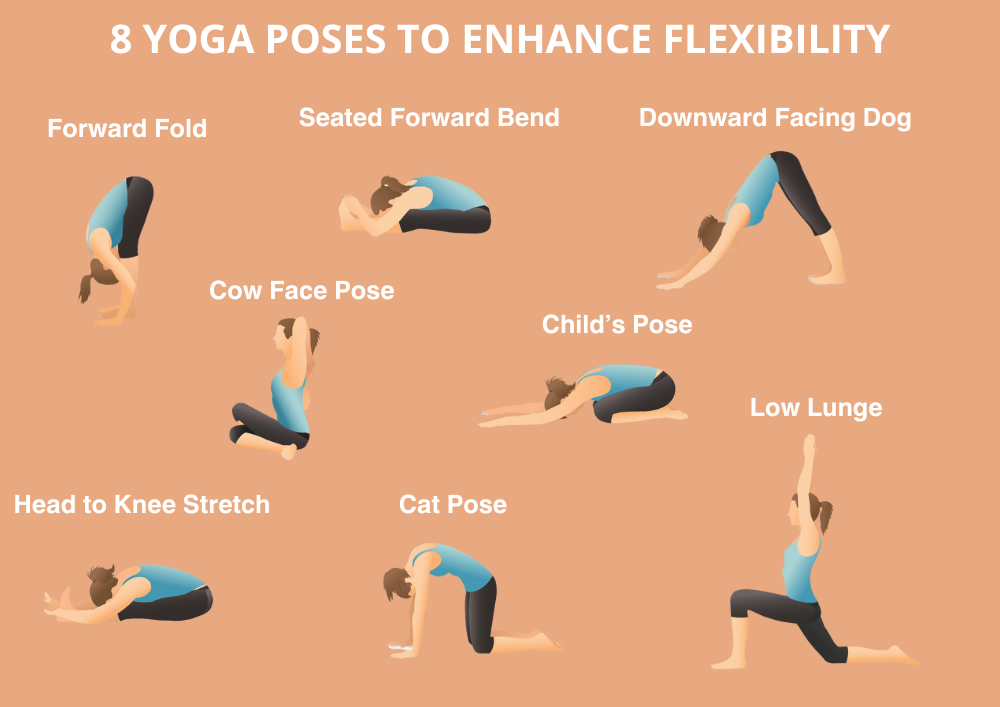
Are you seeking a way to enhance your flexibility through yoga? You’re not alone.
With so many styles of yoga out there, it can be overwhelming to find the one that best suits your needs. Flexibility not only helps you move with ease but also reduces the risk of injury and alleviates muscle tension.
Imagine feeling lighter, more agile, and at peace with your body. Sounds appealing, doesn’t it? We’re diving into the world of yoga to discover which style is most effective for boosting your flexibility. From Vinyasa to Yin, each offers unique benefits. Stick around to find out which one aligns perfectly with your flexibility goals.
Hatha Yoga
Hatha Yoga is ideal for enhancing flexibility through its gentle poses and mindful breathing techniques. Practicing consistently helps to stretch and strengthen muscles gradually, improving overall body suppleness and reducing stiffness.
Hatha Yoga is often considered the foundation of all yoga practices. It’s a gentle introduction to the discipline, focusing on physical postures and breathing exercises. This style is ideal for those looking to improve their flexibility without diving into complex movements. The beauty of Hatha Yoga lies in its simplicity, making it accessible to everyone, regardless of their fitness level.Focus On Basic Poses
Hatha Yoga prioritizes foundational poses, which are crucial for enhancing flexibility. These poses, like the forward bend or the warrior stance, are designed to stretch and strengthen your muscles gradually. By concentrating on these basic movements, you allow your body to adapt and open up at its own pace. Have you ever felt the satisfaction of reaching your toes for the first time? Hatha Yoga encourages these small victories, building your confidence with each session.Benefits For Beginners
If you’re new to yoga, Hatha offers a welcoming path. Its slower pace ensures you can focus on proper alignment and breathing, which are essential for improving flexibility. Beginners often find that this approach helps them feel more connected to their body and aware of their progress. Imagine attending your first class and leaving with a sense of accomplishment and less tension in your muscles. Hatha Yoga provides that gentle push, making your journey enjoyable and rewarding.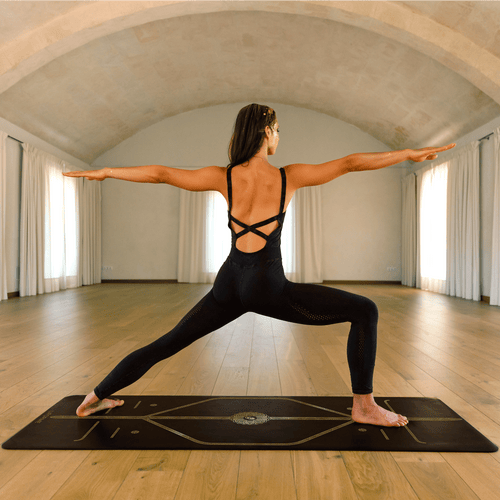
Credit: liforme.com
Vinyasa Yoga
Vinyasa Yoga is a dynamic style that connects breath with movement. It involves flowing from one pose to another, creating a continuous sequence. This style is popular for increasing flexibility and strength. Each session is different, keeping the practice fresh and engaging.
Dynamic Flow Sequences
Vinyasa Yoga classes often feature dynamic flow sequences. These sequences include various poses that transition smoothly. This flow encourages the body to stretch and lengthen. Practitioners experience a range of movements, aiding flexibility. The continuous motion helps loosen tight muscles. Dynamic flow sequences challenge the body, promoting greater agility.
Enhancing Fluidity
Vinyasa Yoga enhances fluidity in body movements. The practice focuses on synchronizing breath with motion. This synchronization creates a graceful and fluid practice. As a result, the body becomes more supple. Enhanced fluidity leads to improved posture and balance. With regular practice, flexibility increases naturally.
Yin Yoga
Yin Yoga focuses on deep stretching and holding poses for extended periods, enhancing flexibility over time. It targets connective tissues, promoting relaxation and improved range of motion. This gentle style is ideal for those seeking to increase flexibility and reduce tension.
Yin Yoga offers a gentle path to improved flexibility. This style of yoga focuses on longer holds and deep stretches. It targets the connective tissues, like ligaments and fascia. This practice is slow-paced, making it perfect for all levels. It encourages patience and mindfulness. Yin Yoga can be an excellent choice for enhancing flexibility.Deep Stretching Techniques
Yin Yoga involves deep stretching techniques. These stretches reach the deeper layers of the body. Unlike active yoga styles, Yin focuses on stillness. Poses are held for several minutes. This allows muscles to relax. The body can then stretch more effectively. Practitioners experience a deeper sense of release.Holding Poses For Flexibility
Holding poses is key in Yin Yoga. Poses can last from 3 to 5 minutes. This duration helps improve flexibility. Holding poses allows tissues to stretch gently. It also promotes joint health. The prolonged hold time encourages deeper breathing. This enhances relaxation and increases the stretch benefits.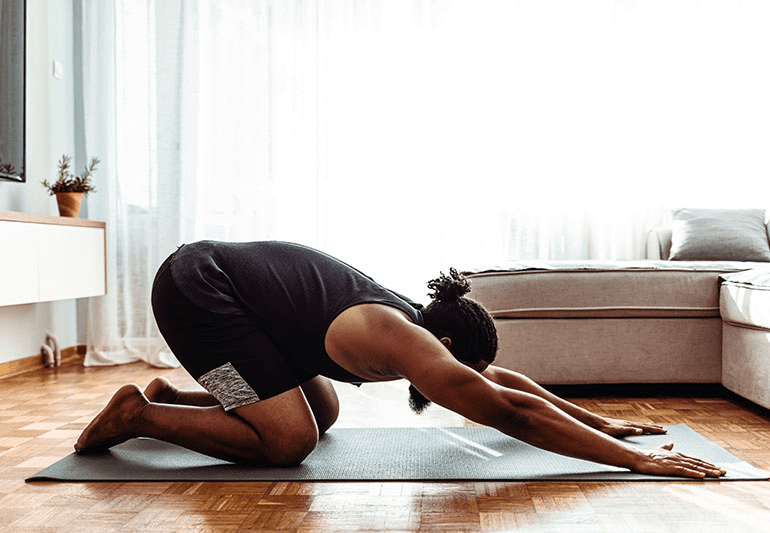
Credit: health.clevelandclinic.org
Bikram Yoga
Bikram Yoga enhances flexibility through a series of 26 postures practiced in a heated room. The warmth helps muscles stretch deeper, improving range and mobility over time. Regular practice can lead to noticeable flexibility improvements.
Bikram Yoga is a unique style focused on enhancing flexibility. It is practiced in a heated room, which helps muscles stretch more easily. This yoga style includes a specific sequence of 26 postures and two breathing exercises. Each posture targets different muscle groups, promoting overall flexibility. The warmth of the room aids in loosening tight muscles, making stretches more effective.Heat-driven Flexibility
Bikram Yoga is done in a room heated to around 105°F. The heat helps muscles relax, allowing deeper stretches. Sweating in the heat also removes toxins, supporting overall health. Practicing in a heated environment increases blood flow, improving muscle elasticity. This warmth encourages longer and more controlled stretches, enhancing flexibility.Specific Sequence Benefits
The sequence of 26 postures is designed to work every part of the body. Each posture stretches and strengthens different muscle groups. The sequence begins with standing postures, warming up the body. Floor postures follow, focusing on deeper stretches. This specific order ensures a balanced workout, improving flexibility in a structured manner. Regular practice of these postures enhances joint mobility and muscle flexibility.Ashtanga Yoga
Ashtanga Yoga offers a dynamic sequence of poses that enhance flexibility. It emphasizes continuous movement and breath synchronization. Ideal for those seeking a structured routine to improve flexibility and strength.
Ashtanga Yoga is a dynamic and structured form of yoga. It involves a set sequence of poses practiced in a specific order. This style of yoga is known for its disciplined and rigorous approach. It enhances both strength and flexibility over time. Practitioners follow a series of movements that synchronize with their breath. This creates a flowing, meditative experience.Structured Series Of Poses
Ashtanga Yoga follows a structured series of poses. Each session begins with sun salutations, which warm up the body. The practice then transitions into standing, seated, and finishing poses. This order remains the same, allowing the body to progress naturally. The repetitive nature helps improve muscle memory and flexibility. Each pose prepares the body for the next, building a seamless flow.Building Progressive Flexibility
Ashtanga Yoga builds flexibility progressively. Practicing regularly helps stretch and lengthen muscles gradually. The consistent sequence allows the body to adapt and improve. Each posture deepens the stretch, promoting greater range of motion. Over time, the body becomes more supple and agile. The focus on breath control also aids in relaxing tight muscles. This combination supports enhanced flexibility and overall physical health.Iyengar Yoga
Iyengar Yoga is renowned for its meticulous attention to detail, making it an excellent choice if you’re aiming to enhance your flexibility. This style of yoga emphasizes precision and alignment, which ensures that every pose is executed with intention. Have you ever wondered why some people seem to effortlessly touch their toes while others struggle? The secret often lies in the fundamentals of Iyengar Yoga, which can guide you to greater flexibility with practice and patience.
Precision And Alignment
Iyengar Yoga focuses on performing each pose with exactness. This precision helps in aligning your body correctly, which is crucial for improving flexibility. Proper alignment ensures that you’re stretching the right muscles and not overextending or straining any part of your body.
When you engage in Iyengar Yoga, you learn to listen to your body and understand its limitations. This awareness helps in gradually pushing those boundaries safely. Have you tried aligning your poses perfectly and noticed a difference in how your body feels?
Use Of Props For Flexibility
One of the standout features of Iyengar Yoga is its use of props. Blocks, straps, and bolsters are commonly used to assist in achieving the correct posture. These props are not just for beginners; they are tools that help practitioners at all levels improve their flexibility.
By using props, you can maintain the pose longer and deepen the stretch without risking injury. They allow you to experience the full benefit of a pose, even if you can’t reach it entirely on your own. Would you find using props as a helpful aid in your yoga practice?
Adopting Iyengar Yoga in your routine can be a game-changer for your flexibility journey. With precision, alignment, and the right props, you’re set to see significant improvements. So, why not give it a try and see how your body responds?
Restorative Yoga
Restorative yoga gently enhances flexibility with slow, calming poses. This style focuses on deep breathing and relaxation, allowing muscles to lengthen naturally. Ideal for anyone seeking a gentle approach to improving flexibility and reducing stress.
Restorative Yoga offers a gentle approach to enhance flexibility. It focuses on relaxation and slow movements. This style allows the body to open up naturally. It promotes muscle relaxation and stretches. It is suitable for all ages and skill levels. Restorative Yoga helps in reducing stress. It provides a calm environment for the body to heal. The poses are held longer, allowing deeper stretching. This encourages flexibility in a soothing way.Gentle Stretches
Restorative Yoga involves gentle stretches. These stretches are slow and steady. They help the muscles to lengthen gradually. Props like blankets and cushions are used. They support the body in each pose. These tools make stretching safe and comfortable. The gentle approach prevents strain and injury. It allows flexibility to improve over time. This method suits those with limited mobility. It offers a peaceful way to stretch and relax.Relaxation For Flexibility
Relaxation is key in Restorative Yoga. The calm environment aids flexibility. Deep breathing is encouraged in each pose. This helps release tension from muscles. Relaxation enhances the body’s natural ability to stretch. It promotes a peaceful mind, reducing mental stress. The focus is on maintaining a relaxed state. This encourages the body to become more flexible. It transforms stretching into a soothing experience. This approach is ideal for those seeking gentle flexibility improvement.
Credit: parade.com
Choosing The Right Style
Choosing the right style of yoga can enhance your flexibility journey. Each style offers unique benefits tailored to different needs. Understanding these can help you make an informed decision.
Personal Goals And Preferences
Your personal goals play a significant role in selecting a yoga style. If you aim for deep stretching, Yin Yoga might suit you. It focuses on holding poses longer, improving flexibility. For a dynamic practice, try Vinyasa. It links breath with movement, creating fluid transitions.
Consider your preferences too. Some prefer a meditative approach, while others enjoy energetic sessions. Hatha Yoga provides a balanced mix. It offers a slower pace, perfect for beginners or those seeking calmness. Reflect on what resonates with you most.
Combining Styles For Maximum Benefit
Combining different yoga styles can enhance flexibility. Mix Yin Yoga with Vinyasa for a balanced routine. This combination provides deep stretching and dynamic movement. It caters to various muscle groups, promoting overall flexibility.
Experimenting with styles keeps your practice fresh. It prevents monotony, encouraging consistent practice. You can attend different classes or follow online sessions. Variety helps you discover what works best for your body. Embrace the exploration to achieve optimal flexibility.
Frequently Asked Questions
Which Yoga Style Improves Flexibility Fastest?
Vinyasa Yoga is known for its dynamic sequences. It quickly enhances flexibility through fluid movements and stretches. Practicing consistently can lead to noticeable improvements in a short time. Combining breath with movement is key to unlocking better flexibility.
Is Yin Yoga Good For Flexibility?
Yes, Yin Yoga is excellent for flexibility. It involves holding poses for extended periods, targeting deep connective tissues. This approach gradually improves flexibility, especially in the hips, pelvis, and lower spine. Yin Yoga also promotes relaxation and mental calm.
Can Hatha Yoga Boost Flexibility?
Hatha Yoga can effectively boost flexibility. It emphasizes alignment and mindful movement, helping to stretch muscles gently. Regular practice increases joint mobility and muscle elasticity. Hatha Yoga’s slower pace suits beginners and those focusing on flexibility improvement.
Why Is Ashtanga Yoga Popular For Flexibility?
Ashtanga Yoga is popular for flexibility due to its structured series of poses. It incorporates deep stretches and strength-building postures. The repetitive nature of Ashtanga helps practitioners achieve greater flexibility over time. The style also enhances endurance and balance.
Conclusion
Choosing the right yoga style can boost your flexibility. Each style offers unique benefits. Hatha yoga is great for beginners. It focuses on basic poses and breathing. Vinyasa yoga enhances fluid movement. It’s ideal for dynamic stretching. Yin yoga targets deep muscle relaxation.
Perfect for improving flexibility over time. Remember, consistency is key. Practice regularly to see progress. Listen to your body. Choose a style that feels right. Flexibility improves with patience and dedication. Yoga is a journey. Enjoy every step. Find what suits you best and keep exploring.
Your flexibility will thank you.