When it comes to laser procedures, safety should be at the forefront of your mind. Whether you’re considering a cosmetic treatment or a medical procedure, the risk of injury is something you cannot ignore.
Imagine the peace of mind you’d feel knowing you’ve done everything possible to protect yourself from potential harm. That’s exactly what this article will help you achieve. You’ll discover essential tips and strategies to ensure a smooth, injury-free experience. If you’ve ever felt a twinge of anxiety about undergoing a laser procedure, this guide is tailored just for you.
By the end, you’ll be equipped with the knowledge and confidence to make informed decisions that prioritize your well-being. Keep reading to learn how you can take control of your safety and walk into your next laser procedure with assurance.
Understanding Laser Procedures
Ensure eye protection by wearing safety goggles during laser procedures. Keep the laser equipment well-maintained and calibrated. Follow all safety guidelines and protocols to prevent accidental exposure.
Understanding laser procedures is crucial for safe and effective treatment. Lasers use focused light beams to address various medical and cosmetic concerns. They offer precision, minimizing damage to surrounding tissues. This makes them popular for skin treatments and surgeries. Knowing different laser types and their uses helps prevent injuries.Types Of Laser Treatments
Laser treatments vary based on their specific uses and wavelengths. Some common types include:- CO2 Lasers: Used for skin resurfacing and removing scars.
- Nd:YAG Lasers: Effective for hair removal and vascular lesions.
- Diode Lasers: Ideal for hair removal, particularly on larger areas.
- Pulsed Dye Lasers: Used for treating vascular issues like spider veins.
- Erbium Lasers: Suitable for fine lines and wrinkles.
Common Applications
Laser procedures serve various cosmetic and medical purposes. Some common applications include:- Hair Removal: Lasers target hair follicles, reducing growth over time.
- Tattoo Removal: Breaks down ink particles for natural fading.
- Skin Resurfacing: Improves skin texture and reduces wrinkles.
- Acne Scar Treatment: Reduces the appearance of scars.
- Vascular Lesions: Treats conditions like rosacea and spider veins.
Importance Of Safety Protocols
Laser procedures are becoming increasingly popular for their efficiency and precision. However, ensuring safety during these procedures is critical. Without proper safety protocols, you risk injuries that can have lasting impacts. This means understanding and implementing measures that keep both you and your patients safe.
Minimizing Risk Factors
Identifying potential risk factors is the first step in preventing injury. Consider the environment—are there any flammable materials nearby? Ensure the laser equipment is functioning correctly and regularly checked for maintenance issues. Protective eyewear is essential for both practitioners and patients to shield against harmful laser emissions. You wouldn’t want to skip these steps and end up regretting it.
Another risk factor is the patient’s medical history. Always review any pre-existing conditions or medications that might affect their response to laser treatment. If you’re unsure, consult with a healthcare professional before proceeding. This proactive approach can significantly reduce the risk of complications.
Role Of Professional Training
Professional training is not just a formality; it’s a necessity. A well-trained practitioner understands the nuances of laser technology and the importance of precision. Would you trust someone to perform a laser procedure without adequate training? Proper training programs ensure that practitioners are up-to-date with the latest safety standards and techniques.
Investing in continuous education is crucial. Techniques and technologies evolve, and staying informed ensures that you’re always equipped to handle procedures safely. Encourage your staff to attend workshops or seminars that focus on laser safety. This not only minimizes risks but also boosts confidence in performing procedures effectively.
Pre-procedure Preparations
Ensure a qualified professional performs the laser procedure to prevent injuries. Follow pre-procedure guidelines like avoiding sun exposure. Wear protective eyewear during the process for safety.
Pre-procedure preparations are a crucial step in ensuring the safety and effectiveness of a laser procedure. This stage is all about setting the stage for a successful treatment and minimizing the risk of injury. By focusing on thorough patient assessment, evaluating skin types, and adhering to pre-treatment guidelines, you can significantly enhance the procedure’s outcome.Patient Assessment
A detailed patient assessment is your first line of defense against complications. This process involves understanding the patient’s medical history, current medications, and any allergies. During my own experience with laser treatments, the practitioner asked specific questions about my health, which made me feel more confident and secure. Have you considered how such assessments can reveal potential red flags?Skin Type Evaluation
Evaluating the skin type is essential because different skin types react differently to laser treatments. For instance, those with darker skin tones may be more prone to hyperpigmentation. By using tools like the Fitzpatrick skin type scale, you can tailor the laser settings to suit the individual’s needs. This personalized approach not only enhances results but also protects the skin from unnecessary damage.Pre-treatment Guidelines
Adhering to pre-treatment guidelines can make a world of difference in preventing injuries. Simple steps like avoiding sun exposure and certain skincare products can safeguard your skin. I once skipped using retinol a week before my treatment, as advised, and noticed a significant reduction in redness post-procedure. Have you ever thought about how small changes in your routine can lead to better outcomes? Incorporating these pre-procedure preparations into your routine can set you on the path to a safer and more effective laser treatment experience. So, what steps will you take today to ensure your next laser procedure is injury-free?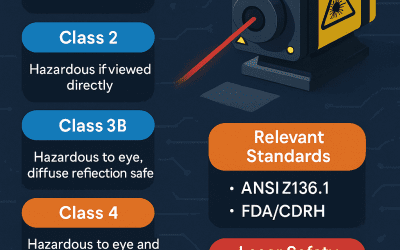
Credit: www.lasersafetycertification.com
Protective Measures During Treatment
Ensuring safety during laser procedures involves several key practices. Eye protection is crucial to shield against potential harm. Maintaining proper equipment calibration helps prevent accidental injuries.
Protective measures during treatment are crucial to ensuring safety and preventing injuries during laser procedures. Taking appropriate precautions can significantly reduce the risk of complications, making the experience smoother and more effective for both the practitioner and the patient. Let’s dive into some essential protective strategies that should be part of every laser treatment protocol.Use Of Protective Eyewear
Wearing protective eyewear is non-negotiable during laser procedures. Laser beams can cause serious damage to the eyes, leading to temporary or even permanent vision loss. Protective goggles designed to filter specific wavelengths of light are essential for both the practitioner and the patient. Consider the type of laser you are using. Each laser emits different wavelengths, and the eyewear must be compatible to block those specific rays effectively. Always check the eyewear’s specifications before starting the procedure to ensure it’s the right fit for your equipment.Ensuring Proper Ventilation
Proper ventilation is often overlooked but is vital during laser procedures. The process can produce harmful fumes and particles, especially when targeting skin or hair. These airborne contaminants can pose respiratory risks to both the practitioner and the patient. Ensure the treatment area is equipped with adequate ventilation systems. This might include local exhaust fans or specialized air filtration units. A well-ventilated space not only protects your respiratory health but also enhances comfort during the procedure.Appropriate Laser Settings
Adjusting laser settings is key to preventing injuries. Each procedure should be tailored to the patient’s specific needs, including skin type and treatment area. Incorrect settings can lead to burns, scarring, or ineffective treatment results. Familiarize yourself with the laser’s manual and guidelines. Conduct a small test patch on the patient’s skin to gauge their reaction before proceeding with the full treatment. This simple step can make all the difference in achieving optimal outcomes without compromising safety. Are there any other protective measures you consider essential during laser treatments? Share your insights and experiences in the comments below!Post-procedure Care
Proper post-procedure care is crucial after a laser treatment. It ensures healing and reduces the risk of complications. By following the right steps, you can promote recovery and maintain skin health.
Monitoring For Complications
Check the treated area regularly. Look for signs of infection like redness or swelling. If you notice unusual symptoms, contact your healthcare provider. Early detection can prevent serious issues.
Aftercare Instructions
Follow the aftercare instructions given by your specialist. Keep the area clean and dry. Avoid direct sun exposure to protect sensitive skin. Use recommended creams or ointments to aid healing.
Follow-up Appointments
Schedule and attend follow-up appointments. They help track healing progress and address concerns. Your doctor may adjust care based on your recovery. Consistent follow-ups ensure optimal results.

Credit: lasersafetyindustries.com
Technological Innovations
Ensuring safe laser procedures requires proper equipment calibration and trained technicians. Protective eyewear shields eyes from harmful laser exposure. Precise settings tailored to individual needs minimize risks and enhance safety.
Technological innovations play a crucial role in preventing injuries during laser procedures. Advanced technology ensures safety and precision, minimizing risks and enhancing patient comfort. These innovations make laser treatments safer and more effective.Advanced Safety Features
Modern laser devices come equipped with advanced safety features. These features include automatic shut-off systems. They activate if the device overheats or malfunctions. Such systems prevent accidents and ensure patient safety. Another feature is real-time monitoring. It tracks the laser’s performance and adjusts settings as needed. This helps maintain optimal conditions during the procedure.Smart Laser Systems
Smart laser systems integrate artificial intelligence and machine learning. They analyze patient data to customize the procedure. This personalization reduces the risk of injury. These systems also offer precise targeting. They ensure the laser only affects the intended area. This minimizes damage to surrounding tissues. Smart systems also provide feedback to the practitioner. This helps in making informed decisions during the procedure.Common Mistakes To Avoid
Proper training and equipment checks are crucial to prevent injuries during laser procedures. Always follow safety protocols and wear protective gear. Clear communication with the technician ensures a safe and effective experience.
Laser procedures are increasingly popular for various treatments, from hair removal to skin rejuvenation. However, preventing injuries during these procedures is crucial. Understanding common mistakes can help you ensure safety and effectiveness. Let’s explore some pitfalls you should avoid.Ignoring Contraindications
Before any laser procedure, it’s essential to be aware of contraindications. Ignoring them can lead to serious complications. Always review the patient’s medical history and current medications. Certain conditions, like pregnancy or specific skin disorders, may not be suitable for laser treatments. Ensure that you have a comprehensive checklist to identify any potential risks. Do you discuss all concerns openly with your clients? This conversation can prevent adverse reactions and build trust.Overlooking Equipment Maintenance
Regular maintenance of laser equipment is non-negotiable. Neglecting it can compromise performance and lead to injuries. Consistently check that all parts are functioning correctly. Create a maintenance schedule and stick to it. This includes cleaning, calibration, and software updates. How often do you inspect your tools? Regular checks can save you from unexpected malfunctions during a procedure. By avoiding these common mistakes, you can enhance safety and improve outcomes for your laser procedures.
Credit: www.instagram.com
Frequently Asked Questions
What Safety Measures Are Taken During Laser Procedures?
During laser procedures, safety measures include using protective eyewear, calibrating equipment properly, and maintaining a sterile environment. Trained professionals ensure correct settings for skin type and condition. Patients are advised to follow pre-procedure guidelines, and post-treatment care is provided to minimize risks and enhance recovery.
How To Choose A Qualified Laser Technician?
Choose a laser technician with proper certification and experience. Verify their credentials and reviews from past clients. Ensure they are knowledgeable about different laser types and techniques. A qualified technician will provide a thorough consultation and personalized treatment plan to suit your specific needs.
What Should You Avoid Before Laser Treatment?
Before laser treatment, avoid sun exposure, tanning, and certain skincare products. Refrain from using retinoids or exfoliants. Inform your technician about any medications or allergies. Proper preparation helps minimize side effects and ensures the effectiveness of the procedure.
How Can You Manage Post-laser Discomfort?
Post-laser discomfort can be managed with cooling gels, prescribed creams, and avoiding heat exposure. Stay hydrated and apply moisturizer as recommended. Follow your technician’s aftercare instructions to promote healing and prevent complications. If discomfort persists, contact your healthcare provider.
Conclusion
Ensuring safety during laser procedures is crucial. Follow guidelines to prevent injuries. Choose a qualified professional for your treatment. Ask questions before starting the procedure. Understand the risks and how they are managed. Use protective eyewear if needed. Make sure the laser equipment is properly calibrated.
Follow aftercare instructions carefully. These steps help minimize risks and promote better results. Prioritize safety and well-being during any laser treatment. Protect your skin and health by being informed and cautious. Safety leads to positive outcomes and a smooth recovery process.