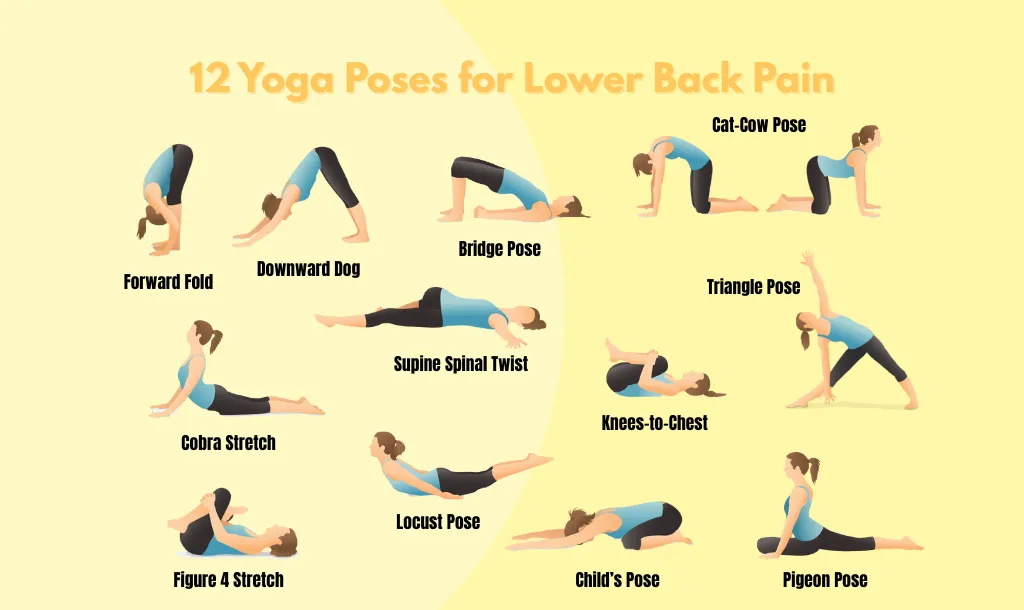
Are you tired of lower back discomfort that seems to creep up on you at the most inconvenient times? Imagine feeling stronger, more flexible, and free from that nagging pain—all from the comfort of your own home.
You don’t need a gym membership or fancy equipment to achieve this. By incorporating a few simple exercises into your daily routine, you can target and strengthen your lower back effectively. This article will guide you through easy, yet powerful workouts designed to improve your lower back health.
Ready to transform your home into a personal fitness haven and say goodbye to back pain? Keep reading to discover how you can take control of your well-being today.
Importance Of Lower Back Strength
Your lower back plays a crucial role in daily activities. It supports your spine and helps you move freely. Strong lower back muscles prevent injuries and improve posture. They also enhance your ability to lift objects safely. Building strength in this area can reduce back pain. It can also improve your overall quality of life.
Exercising your lower back at home is convenient. You can easily fit a workout into your schedule. No need for expensive equipment or gym memberships. You can start with simple exercises and progress gradually.
Understanding Lower Back Muscles
Lower back muscles include the erector spinae and multifidus. These muscles support your spine and allow movement. Keeping them strong is essential for a healthy back.
Benefits Of Strong Lower Back Muscles
Strong muscles help prevent injuries. They support your spine during daily tasks. A strong lower back can reduce pain and improve posture.
Exercises For Lower Back Strength
- Superman Exercise: Lie face down and lift your limbs.
- Bridge Exercise: Lie on your back and lift your hips.
- Bird Dog: Kneel and extend opposite arm and leg.
Creating A Routine
Start with exercises you enjoy. Perform them regularly for best results. Gradually increase intensity as you get stronger.
Safety Tips For Lower Back Workouts
- Warm up before exercising.
- Maintain proper form during exercises.
- Listen to your body and avoid overexertion.
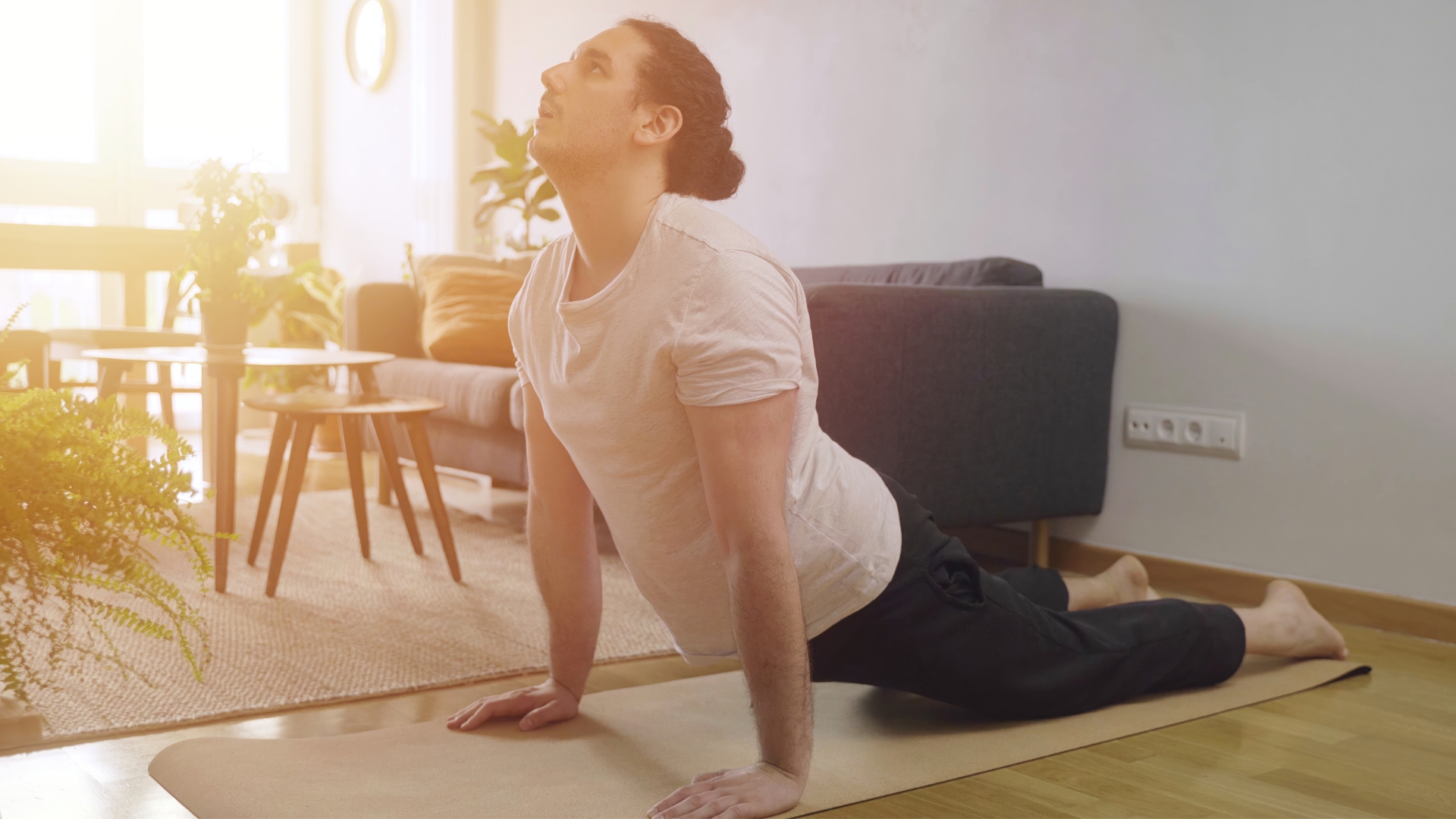
Credit: www.fitandwell.com
Safety Tips For Home Workouts
Strengthen your lower back safely with simple exercises at home. Use a yoga mat for comfort and support. Maintain proper form to prevent injury and enhance effectiveness.
Working out at home has become increasingly popular, offering convenience and flexibility. However, ensuring safety while exercising, especially when targeting specific areas like your lower back, is crucial. Without proper precautions, you might risk injury, which can set back your fitness goals. Let’s explore some essential safety tips to keep your home workouts effective and injury-free.Check Your Form
Proper form is vital to prevent injuries. When doing exercises like deadlifts or back extensions, maintain a straight back and engage your core. This alignment helps distribute the weight evenly and reduces strain on your lower back.Warm Up Thoroughly
A good warm-up prepares your muscles for the workout. Spend at least 5-10 minutes on dynamic stretches or light cardio. This increases blood flow to your muscles, making them more flexible and less prone to injury.Start With Light Weights
If your workout includes weights, begin with lighter ones to assess your capacity. Gradually increase the weight as your strength improves. This approach minimizes the risk of overexertion and potential muscle tears.Create A Safe Space
Ensure the area where you exercise is free from clutter. A slip or trip can cause serious injury. Also, use a yoga mat for exercises that require you to lie down, providing cushioning and stability.Listen To Your Body
Pay attention to how your body feels during and after your workout. If you experience sharp pain, stop immediately. Unlike muscle soreness, pain might indicate an injury, and it’s better to rest and recover.Stay Hydrated
Hydration is key to maintaining muscle function. Keep a water bottle nearby and take sips during breaks. Staying hydrated helps prevent cramps and keeps your energy levels up. By following these tips, you can enjoy a safe and effective lower back workout at home. What adjustments will you make to ensure your home workouts are both safe and rewarding?Bodyweight Exercises
Working out your lower back at home doesn’t require fancy equipment or a gym membership. Bodyweight exercises are effective, convenient, and can be done in the comfort of your living room. These exercises not only strengthen your back but also improve your overall posture and balance. The best part? You can easily incorporate them into your daily routine without any hassle.
Superman Exercise
Imagine yourself as a superhero flying through the sky. Lie face down on the floor, stretch your arms and legs out, and lift them simultaneously. Hold for a few seconds and then relax. This exercise targets your lower back and glutes, giving you a powerful core. It’s a great way to kick off your workout session and feel like you’re soaring to new heights.
Bridge Pose
Lying on your back with your knees bent and feet flat on the ground, lift your hips toward the ceiling. This pose not only strengthens your lower back but also activates your hamstrings and glutes. It’s amazing how such a simple movement can engage multiple muscles at once. Feel the burn and the stretch as you hold the position. Can you feel your body getting stronger?
Bird Dog
Get on all fours, and extend one arm and the opposite leg simultaneously. Hold this position for a few seconds before switching sides. This exercise improves your balance and coordination while targeting your lower back and core muscles. It’s a fantastic way to challenge yourself and enhance your stability. Are you ready to test your balance?
Cat-cow Stretch
Begin on all fours, then alternate between arching your back (like a cat) and lowering your belly (like a cow). This gentle stretch not only releases tension in your lower back but also promotes flexibility in your spine. It’s a soothing movement that you can include at the beginning or end of your workout. How does your back feel as you stretch it out?
Remember, consistency is key. By regularly practicing these exercises, you’ll notice improvements in your strength and posture. So, why not give them a try and see the difference for yourself?

Credit: www.tiktok.com
Resistance Band Exercises
Resistance bands are a fantastic tool for working out your lower back at home. They are affordable, versatile, and take up minimal space. With a few simple exercises, you can effectively target and strengthen your lower back muscles.
Resistance Band Deadlifts
Deadlifts are a classic exercise for building lower back strength, and using a resistance band adds an extra challenge. Stand on the band with your feet shoulder-width apart. Hold the band handles or ends in each hand, keeping your back straight and your core engaged.
Bend at the hips and lower your torso until it’s almost parallel to the floor, then stand back up. Focus on squeezing your glutes and keeping your back straight throughout the movement. How does it feel to use your own body weight to strengthen your back?
Seated Rows With Bands
Seated rows target the upper and lower back muscles, promoting better posture. Sit on the floor with your legs extended, and loop the band around your feet. Hold the band ends with both hands, keeping your back straight.
Pull the band towards your waist while squeezing your shoulder blades together. Slowly release back to the starting position. Imagine the strength you’re building with each pull — it’s like rowing your way to a stronger back.
Good Mornings
Good mornings are excellent for engaging the lower back and hamstrings. Stand with your feet hip-width apart, with the band looped over your shoulders and under your feet. Keep a slight bend in your knees.
Hinge at the hips, lowering your torso until it’s parallel with the floor, then return to the starting position. Ensure your back remains straight to avoid any strain. Do you notice the difference in your posture after practicing these regularly?
Integrating these resistance band exercises into your routine can significantly improve your lower back strength. What changes will you make to include these in your workout? Start today and notice the benefits to your overall fitness.
Dumbbell Exercises
Working out at home can be highly effective, especially with dumbbells. Dumbbell exercises target your lower back efficiently. They improve strength and posture. These exercises require minimal space and equipment. Perfect for a home workout routine.
Dumbbell Deadlifts
Dumbbell deadlifts are great for the lower back. Stand with feet shoulder-width apart. Hold a dumbbell in each hand. Keep your back straight. Bend at the hips, lowering the dumbbells towards the floor. Return to standing by pushing through your heels. Repeat for several reps to build strength.
Dumbbell Rows
Dumbbell rows target the upper and lower back. Bend your knees slightly. Lean forward at the waist. Hold a dumbbell in each hand. Pull the dumbbells towards your waist. Keep elbows close to your body. Lower the weights back down slowly. This exercise enhances back muscle endurance.
Renegade Rows
Renegade rows combine core stability with back strength. Start in a plank position with dumbbells in your hands. Lift one dumbbell towards your hip. Keep your body stable. Alternate arms with each rep. This exercise challenges your balance and strengthens your lower back.
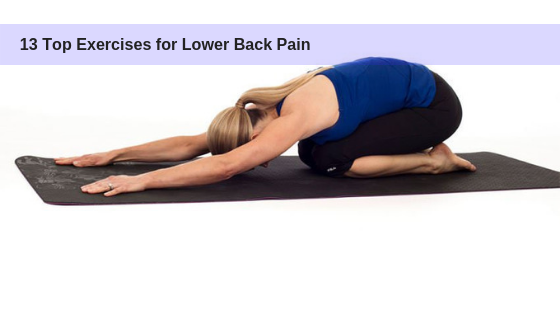
Credit: benchmarkphysio.com.au
Incorporating Yoga For Flexibility
Enhance lower back flexibility with yoga at home. Simple poses like cat-cow and child’s pose stretch muscles gently. Regular practice eases tension, promoting a healthier spine and improved posture.
Incorporating yoga into your workout routine can significantly enhance your lower back flexibility. Yoga focuses on gentle stretching and mindful breathing, making it an ideal choice for home workouts. It not only helps in alleviating tension but also strengthens your lower back muscles, contributing to overall spinal health. Consider how even just a few minutes of yoga each day could transform your back’s flexibility. These poses are simple, require no equipment, and can be tailored to your individual fitness level. Let’s explore some effective yoga poses you can do right at home.Child’s Pose
Child’s Pose is a gentle stretch that relieves tension in the lower back. Start by kneeling on the floor, with your big toes touching and knees spread wide. Slowly lower your torso between your thighs and stretch your arms forward, feeling a gentle pull in your back. This pose allows your spine to lengthen and relax. Focus on your breathing, inhaling deeply and exhaling slowly. With each breath, feel your lower back releasing stress and becoming more flexible.Downward Dog
Downward Dog is a versatile pose that strengthens and stretches the entire back. Begin on all fours, with your hands shoulder-width apart and knees under your hips. Lift your hips up and back, forming an inverted V-shape with your body. Keep your heels pressing towards the floor and your head relaxed between your arms. This position elongates the spine and increases flexibility. Try holding it for a few breaths, and notice how it invigorates your back muscles.Cobra Pose
Cobra Pose is excellent for strengthening the lower back. Lie face down on your mat, with your legs extended and tops of your feet flat on the floor. Place your hands under your shoulders and gently lift your chest off the ground, keeping your elbows slightly bent. Engage your lower back muscles as you hold the pose. Feel the stretch in your spine and the activation of your back muscles. This pose enhances your back’s flexibility and promotes a healthy posture. By consistently practicing these yoga poses, you can maintain a flexible and strong lower back. Yoga offers a mindful approach to fitness that can easily be adapted to your home environment. Are you ready to experience the transformative power of yoga for your lower back?Creating A Balanced Routine
Creating a balanced routine for lower back workouts at home is simple. Focus on exercises like bridges and supermans. These moves strengthen muscles, improve posture, and boost flexibility, ensuring a healthy back.
Creating a balanced routine for your lower back workouts at home is essential for achieving optimal results without overstraining your muscles. Balancing different exercises ensures that you engage all muscle groups effectively while preventing injury. By mixing strength, flexibility, and endurance exercises, you can develop a comprehensive plan that caters to your individual needs and goals.Strength Exercises
Start by incorporating exercises that target the lower back muscles directly. Moves like supermans or bridges are effective and require no equipment. You can add weights gradually to increase resistance.Flexibility Training
Flexibility is crucial for preventing stiffness and enhancing movement range. Include stretches like the cat-cow pose or spinal twists to maintain a healthy spine. Regular stretching helps release tension and improve overall posture.Endurance Workouts
Endurance exercises can boost the stamina of your lower back muscles. Planks or leg raises are excellent choices. Aim to increase the duration gradually to build endurance over time.Using Personal Experience
From my own experience, I found that dedicating a few minutes each day to lower back exercises made a noticeable difference in my posture and comfort levels. What are some challenges you face with your current routine? Consider tweaking it for better balance.Monitoring Progress
Keep track of your progress by maintaining a simple log. Record your reps, sets, and any changes in flexibility. This not only motivates but also helps identify areas for improvement.Mindful Rest
Rest days are as vital as workout days. Allow your muscles to recover by taking regular breaks. Listen to your body and give it the rest it needs to avoid overtraining. Creating a balanced routine doesn’t have to be complicated. By mixing different exercise types and listening to your body, you can develop a plan that fits your lifestyle and enhances your lower back health at home.Monitoring Progress And Adjustments
Track your workout progress regularly to notice improvements. Adjust exercises as needed to target the lower back effectively.
Monitoring your progress is key to improving your lower back workouts at home. It helps you understand what works best and what needs a tweak. Regular assessments allow adjustments that keep your workouts effective and safe. Below are some ways to monitor your progress and make necessary adjustments.Track Your Repetitions And Sets
Keep a log of your daily workout routine. Write down the number of repetitions and sets for each exercise. It helps you see patterns and improvements over time.Measure Strength Gains
Assess your strength by the weight you can lift or resistance level. Increase weight gradually to test your limits safely.Evaluate Flexibility Improvements
Check how far you can bend or stretch without pain. Note your flexibility changes weekly. It helps in understanding your body’s adaptability.Monitor Pain Levels
Record any discomfort or pain experienced during exercises. Adjust exercises if pain persists. Pain indicates potential overuse or incorrect form.Adjust Based On Feedback
Listen to your body and make changes to your routine. Modify exercises that cause discomfort. Adapt your workout to suit your current physical state.Review Progress Regularly
Set aside time weekly to review your workout log. Look for areas of improvement and identify where you need adjustments.Frequently Asked Questions
How Can I Exercise My Lower Back At Home?
You can exercise your lower back at home by performing bodyweight movements like bridges, supermans, and cat-cow stretches. These exercises strengthen and improve flexibility without needing gym equipment. Ensure you follow proper form and technique to prevent injury and maximize effectiveness.
Are Bodyweight Exercises Effective For Lower Back?
Bodyweight exercises are effective for strengthening and stabilizing your lower back. They engage core muscles and improve posture. Regular practice helps alleviate lower back pain and enhances flexibility. Choose exercises like planks, bridges, and supermans for best results.
What Are The Benefits Of Lower Back Workouts?
Lower back workouts improve posture, reduce pain, and increase flexibility. They strengthen muscles that support your spine. Regular exercise can prevent future injuries and enhance overall well-being. Consistent practice promotes better movement and stability.
How Often Should I Train My Lower Back?
Training your lower back two to three times a week is recommended. This frequency allows muscles to recover and build strength. Balance your workouts with rest days to avoid overuse. Listen to your body and adjust intensity based on your fitness level.
Conclusion
Working out your lower back at home is simple and effective. You don’t need fancy equipment. Just a mat and a little space. Focus on exercises like bridges and supermans. Consistency is key. Try to exercise a few times a week.
Listen to your body and adjust as needed. These workouts help build strength and relieve tension. Enjoy the process and feel stronger. Your lower back will thank you. Stay motivated, and keep moving forward. Home workouts can fit into any routine.
Start today and see the benefits.