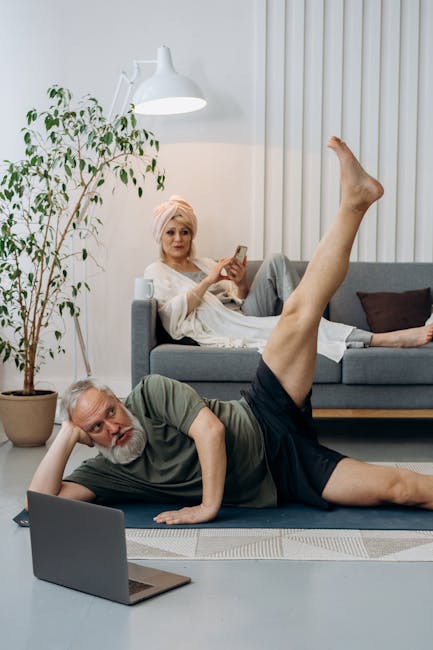
Are you looking to get fit without leaving the comfort of your home? You’re in the right place.
Working out at home can be just as effective as hitting the gym, and it offers flexibility that suits your busy lifestyle. Imagine crafting a workout plan that fits you perfectly, without the commute or crowded spaces. Plus, you’ll save money on gym memberships and equipment.
In this guide, you’ll discover simple yet powerful home workouts tailored for men, designed to help you achieve your fitness goals efficiently. Let’s dive in and transform your home into your personal fitness sanctuary.
Benefits Of Home Workouts
Working out at home offers several benefits for men seeking fitness. It provides flexibility, privacy, and cost-effectiveness. Home workouts let you exercise at your own pace. They eliminate the need for expensive gym memberships. You can create a routine tailored to your goals. Let’s explore some key benefits of exercising at home.
Convenience And Flexibility
Home workouts fit into your schedule easily. Exercise anytime without commuting to a gym. This saves time and adds to the convenience. Whether it’s morning or evening, you can adjust your routine. Flexibility helps maintain consistency in workouts.
Privacy And Comfort
Working out at home offers privacy. You avoid crowded gyms and the pressure to perform. In your space, you feel more comfortable. This can boost confidence and motivation to exercise. You have the freedom to try new exercises without judgment.
Cost-effective
Home workouts save money. No need for gym memberships or expensive equipment. Many exercises require minimal or no equipment. You can use bodyweight exercises or affordable tools. This makes fitness accessible for everyone.
Personalized Fitness Routine
Design your own workout plan at home. Focus on specific goals and preferences. You can choose exercises that suit your needs. This personalization enhances the effectiveness of your workouts. You can adapt routines as your fitness level improves.
Reduced Risk Of Injuries
Home workouts allow careful exercise execution. You can focus on proper form and technique. This reduces the risk of injuries that may occur in a gym setting. You have control over the intensity and progression of exercises.
Setting Up Your Home Gym
Create a space in your home for workouts. Use equipment like dumbbells and resistance bands. Follow online exercise routines designed for men.
Setting up your home gym can transform your fitness routine. You can work out effectively without leaving your house. It’s convenient and can save time. You can tailor it to fit your needs and space. Let’s explore how to create your ideal home gym.Essential Equipment
Investing in key equipment makes a big difference. Dumbbells are versatile for strength training. A yoga mat is essential for floor exercises. Consider resistance bands for low-impact workouts. A jump rope is great for cardio. A stability ball helps with core exercises. These items cover most workout needs.Budget-friendly Options
Building a gym doesn’t have to be expensive. Start with second-hand equipment. Check online marketplaces for deals. DIY options are creative and cost-effective. Use filled water bottles as weights. Stretch with a towel instead of a resistance band. Buy items gradually to spread costs over time.Space Optimization
Make the most of your available space. Choose equipment that doesn’t need much room. Use foldable or compact items. Clear a corner or section for workouts. Store equipment in bins or shelves. Hang resistance bands on hooks. Keep the area tidy to avoid clutter.Creating A Workout Plan
Creating a workout plan at home for men involves using bodyweight exercises like push-ups, squats, and planks. Focus on consistency and gradually increase intensity. Mixing cardio with strength training helps build endurance and muscle.
Creating a workout plan for home is crucial. It helps stay focused and achieve fitness goals. A structured plan ensures progress and consistency. Let’s explore how to create an effective home workout plan.Goal Setting
Define clear fitness goals. Decide whether you want to build muscle, lose weight, or increase endurance. Setting specific goals helps in tracking progress. Write down your goals. Revisit them regularly to stay motivated. Adjust your plan if needed.Balancing Cardio And Strength
Incorporate both cardio and strength exercises. Cardio improves heart health and burns calories. Strength training builds muscle and boosts metabolism. Find a balance that suits your goals. Mix exercises like push-ups, squats, and jumping jacks. Keep workouts varied to stay engaged.Weekly Schedule
Create a weekly workout schedule. Plan different workouts for different days. Allocate rest days to allow muscle recovery. A sample week might include:- Monday: Cardio and abs
- Tuesday: Upper body strength
- Wednesday: Rest or light yoga
- Thursday: Lower body strength
- Friday: Cardio and flexibility
- Saturday: Full-body workout
- Sunday: Rest

Credit: www.pinterest.com
Bodyweight Exercises
Bodyweight exercises are a fantastic way to build strength at home. They require no equipment and use your own body weight. This makes them accessible and versatile. Men can focus on different muscle groups with these exercises. From chest to legs and core, there are many options. You can do them anywhere, anytime. These exercises can be adjusted to increase intensity as you progress.
Push-ups Variations
Push-ups are great for working the chest and arms. Start with the traditional push-up. Keep your body straight and lower yourself to the ground. For more challenge, try wide-arm push-ups. Spread your hands wider than shoulder-width. This targets the outer chest muscles.
Diamond push-ups are another variation. Place your hands close together under your chest. Make a diamond shape with your thumbs and index fingers. This focuses on the triceps. Try incline push-ups for variety. Place your hands on an elevated surface, like a chair. This changes the angle and works different muscles.
Squats And Lunges
Squats are excellent for building leg strength. Stand with feet shoulder-width apart. Lower your body until your thighs are parallel to the floor. Keep your back straight and chest up. For more intensity, try jumping squats. Explode upward from the squat position. This adds a cardio element.
Lunges also target the legs and glutes. Step forward with one leg. Lower your hips until both knees are bent at 90 degrees. Alternate legs for balance. Reverse lunges offer a different challenge. Step backward instead of forward. This engages the muscles in a new way.
Core Strengthening
A strong core is vital for overall fitness. Start with planks. Hold your body straight, supported by your forearms and toes. Keep your back flat and abs tight. Side planks add variation. Balance on one forearm and the side of your foot. This works the obliques.
Try bicycle crunches for dynamic core engagement. Lie on your back and lift your knees. Bring opposite elbow to knee, alternating sides. This targets the entire core area. Mountain climbers are another effective exercise. Begin in a plank position and alternate driving knees toward your chest. This combines core work with cardio.
Resistance Training At Home
Resistance training at home offers convenience and flexibility. Use bodyweight exercises or resistance bands for effective workouts. Create a routine focusing on different muscle groups to build strength efficiently.
Working out at home offers flexibility and convenience, especially for resistance training. You don’t need a gym membership or fancy equipment to build muscle and strength. With a few simple tools and some creativity, you can create a powerful workout routine right in your living room. Let’s explore some effective ways to incorporate resistance training at home.Using Dumbbells
Dumbbells are versatile and can be used for a wide range of exercises. They are excellent for targeting specific muscle groups and can be adjusted to match your strength level. Start with basic exercises like bicep curls, shoulder presses, and tricep extensions. To keep your workouts fresh, try combining exercises into a circuit. For instance, pair lunges with dumbbell presses for a total body workout. Remember to maintain good form to avoid injuries and maximize effectiveness.Resistance Bands Workouts
Resistance bands are lightweight, portable, and surprisingly effective for strength training. They offer different levels of resistance and can be used for exercises like chest presses, squats, and rows. Consider using a door anchor to expand your range of exercises. This simple addition allows you to perform moves like tricep pushdowns or lat pull-downs. Challenge yourself by increasing the band’s resistance as you progress.Improvised Weights
No dumbbells or bands? No problem! Look around your home for items that can serve as weights. Milk jugs filled with water or sand, bags of rice, or even a heavy book can provide the resistance you need. Get creative with your exercises. Use a backpack filled with books for weighted squats or deadlifts. Think outside the box and you’ll be surprised at how many household items can double as gym equipment. Remember, the key is to ensure you’re lifting safely and maintaining proper form. By incorporating these methods, you can effectively build strength and muscle from the comfort of your home. What unique household items have you used in your workouts?
Credit: www.pinterest.com
Cardio Workouts In Limited Space
Working out at home offers convenience and flexibility. Cardio workouts can be effective, even in small spaces. You can boost your heart rate and burn calories without much room. Let’s explore some simple yet powerful cardio routines you can do at home.
High-intensity Interval Training
High-Intensity Interval Training (HIIT) is excellent for small spaces. It involves short bursts of intense exercise followed by rest. You don’t need much room, just enough to move freely.
Try exercises like burpees, jumping jacks, or mountain climbers. Perform each exercise for 30 seconds, then rest for 15 seconds. Repeat for 10 to 15 minutes. This workout can improve stamina and burn calories fast.
Jump Rope Routines
Jumping rope is a classic cardio workout. It requires minimal space and equipment. Just a rope and a small area to jump are needed.
Start with basic jumps, then try variations like high knees or double unders. Aim for 5 to 10 minutes, increasing as you get fitter. Jump rope routines are great for improving coordination and cardiovascular health.
Dance And Aerobics
Dancing is a fun way to get your heart pumping. It requires little space and no equipment. Choose your favorite music and start moving.
Follow online dance workouts or create your own routine. Focus on keeping your body active and enjoying the rhythm. Aerobics combines dance moves with fitness exercises. It’s effective for burning calories and enhancing mood.
Flexibility And Recovery
Flexibility and recovery are key in home workouts for men. Stretching and resting muscles boost performance and prevent injuries.
Working out at home offers a unique advantage: flexibility. Not just in your schedule, but in your muscles and recovery routine. It’s easy to overlook the importance of flexibility and recovery, yet they are crucial for avoiding injuries and maximizing your workout results. Ever felt stiff after a workout? That’s your body reminding you to stretch and recover. Let’s dive into some techniques and practices that can help you enhance your flexibility and ensure you’re giving your body the rest it needs.Stretching Techniques
Stretching isn’t just for warming up; it’s essential for cooling down too. Aim to stretch all major muscle groups after every workout session. This not only aids in flexibility but also helps in muscle recovery.
- Dynamic stretching before your workout can increase your range of motion and prepare your body for physical activity.
- Static stretching after exercise can relieve muscle tension and prevent soreness.
Imagine the feeling of tight muscles loosening as you stretch—it’s like hitting the refresh button on your body. Can you feel the difference?
Yoga Practices
Yoga is more than just a spiritual practice; it’s a fantastic way to improve flexibility and facilitate recovery. Integrating yoga into your home workout routine can be transformative.
- Try beginner-friendly poses like Downward Dog or Child’s Pose for a gentle stretch.
- Consider a short daily yoga session to boost your flexibility over time.
Have you ever noticed how yoga makes you more aware of your body’s needs? It’s a perfect blend of physical and mental discipline.
Importance Of Rest Days
Rest days are as important as your workout days. They allow your muscles to repair and grow stronger, reducing the risk of injury.
- Schedule at least one or two rest days a week, depending on your workout intensity.
- Use rest days to focus on light activities like walking or gentle stretching.
Do you find yourself pushing through without a break? Remember, rest days are not signs of weakness—they’re strategic pauses for long-term success.
Incorporating flexibility and recovery practices into your home workout routine can lead to better results and a healthier, more balanced lifestyle. How will you adjust your routine to prioritize these essential elements?
Staying Motivated At Home
Finding motivation to work out at home can be challenging. Without a gym atmosphere or a group class to push you, it’s easy to slack off. However, staying motivated at home is possible with the right strategies and mindset.
Setting Achievable Goals
Start by setting goals that you can realistically achieve. It’s crucial to have a clear vision of what you want to accomplish. Instead of aiming to lose 20 pounds in a month, focus on losing 1-2 pounds a week. This approach keeps you motivated and avoids disappointment.
Break down your fitness goals into smaller, actionable steps. If your goal is to build muscle, set a target for the number of push-ups or squats you want to achieve each week. Small victories add up and keep you on track.
Tracking Progress
Keep track of your workouts and progress regularly. Use a journal or a fitness app to log your exercises, reps, and sets. Seeing how far you’ve come can be a huge motivation boost.
Consider taking progress photos every few weeks. Visual evidence of your progress can be incredibly encouraging. Plus, it’s a reminder of how your hard work is paying off.
Joining Online Communities
Connect with others through online fitness communities. These groups can offer support, advice, and a sense of belonging. Whether it’s a Facebook group or a fitness forum, sharing your journey with others can be motivating.
Engage in online challenges or virtual workout sessions. These activities create a sense of accountability and push you to stay committed. Have you ever tried a virtual group workout? It’s a fun way to connect and stay motivated.
Nutrition For Home Fitness
Working out at home can be incredibly rewarding, but it requires a balanced approach to fitness and nutrition. Fueling your body with the right nutrients is crucial for achieving your fitness goals. Whether you’re lifting weights, doing cardio, or practicing yoga, what you eat impacts your performance and recovery. Let’s dive into some practical tips to get your nutrition on point.
Balanced Diet Tips
Your diet should be as varied as your workouts. Ensure you’re getting enough protein to repair muscles. Think lean meats, eggs, and plant-based options like lentils. Don’t forget healthy fats, which are essential for energy. Avocados and nuts are great sources. Carbs shouldn’t be the enemy; they provide the fuel you need. Opt for whole grains like brown rice or quinoa.
Hydration is key, too. Water aids in digestion and keeps your energy up. Add a slice of lemon or a splash of lime for flavor. Eating the rainbow can help you get all necessary vitamins. A colorful salad can make a big difference.
Meal Prep Ideas
Preparing meals ahead of time can save you from reaching for unhealthy snacks. Start with a simple grocery list. Focus on whole foods that you can mix and match. Sunday could be your prep day. Cook batches of chicken breast, roast vegetables, and portion out some quinoa.
Store meals in airtight containers. This keeps them fresh and ready for whenever you need. Try variety to keep meals exciting. Swap out chicken for fish or change up the veggies. Consistency is important, but so is keeping your taste buds entertained.
Supplements Guide
Supplements can support your diet, but they should never replace whole foods. Protein powders can help if you’re struggling to meet daily requirements. Choose ones with minimal additives. Creatine might enhance your strength training. It’s well-researched and generally safe.
Vitamins can fill in nutritional gaps. Vitamin D is crucial, especially if you’re not getting enough sun. Omega-3 supplements can aid in heart health. Ask yourself if you really need them before you buy. Always consult with a healthcare provider for advice tailored to your needs.
What changes can you make in your diet today to boost your home fitness routine? The right nutrition plan is a game-changer, and with a few tweaks, you’ll feel the difference in your energy and results.

Credit: www.tiktok.com
Safety Tips For Home Workouts
Stay safe during home workouts by ensuring proper form and using suitable equipment. Warm up before exercising to prevent injuries and listen to your body’s signals for rest.
Working out at home offers convenience and flexibility but also requires attention to safety. Without the guidance of a trainer, it’s easy to slip into habits that may lead to injury. Whether you’re setting up a home gym or just using your living room, taking precautions can help you enjoy a safe and effective workout. Here are essential safety tips to keep in mind.Preventing Injuries
One of the biggest concerns for home workouts is the risk of injury. Make sure your workout area is clear of obstacles that could cause you to trip or fall. Use a non-slip mat for exercises like yoga or pilates to maintain stability. Warm up before you start any workout. A simple five-minute routine of jumping jacks or jogging in place can prepare your muscles. Cooling down with stretches after your workout is equally important to prevent stiffness.Proper Form And Technique
Executing exercises with the correct form is crucial. Incorrect form can lead to muscle strain or joint issues. Watch instructional videos or use apps that provide visual cues to ensure you’re doing exercises properly. Consider starting with basic bodyweight exercises like push-ups, squats, or lunges. These exercises are easier to master and require no equipment. As you become more confident, gradually introduce weights or resistance bands to your routine.Listening To Your Body
Your body sends signals when something isn’t right. If you feel pain beyond the normal workout burn, it’s a sign to stop and assess. Overexertion can lead to serious injuries that might sideline you for weeks. Rest days are just as important as workout days. Ensure you have at least one or two days each week to let your body recover. This not only prevents injury but also helps in building strength over time. Engage with your workouts by asking yourself how you feel during and after each session. Are you pushing yourself too hard, or could you add a bit more challenge? Adjust accordingly to keep your workouts both safe and effective.Frequently Asked Questions
What Are Effective Home Workouts For Men?
Effective home workouts for men include push-ups, squats, and planks. These exercises target multiple muscle groups and require no equipment. Incorporating resistance bands can enhance intensity. A balanced routine with cardio and strength training ensures comprehensive fitness. It’s crucial to maintain consistency for optimal results.
How Can Men Build Muscle At Home?
Men can build muscle at home using bodyweight exercises like pull-ups and lunges. Resistance bands and dumbbells can increase difficulty and promote muscle growth. Progressive overload is key; gradually increase reps or weights. Consistency and proper nutrition also play critical roles in achieving muscle-building goals.
Do Home Workouts Burn Fat Effectively?
Yes, home workouts can effectively burn fat. High-intensity interval training (HIIT) and cardio exercises like jumping jacks boost metabolism. Combining strength training with cardio enhances fat loss. Consistency and a balanced diet are essential for visible results. Monitor progress and adjust routines to keep challenging the body.
Can Home Workouts Replace Gym Sessions?
Home workouts can replace gym sessions if structured well. Focus on compound exercises and maintain intensity with resistance bands or weights. Ensure a balanced routine covering strength, flexibility, and cardio. While gym equipment offers variety, commitment to home workouts can achieve similar fitness goals.
Conclusion
Home workouts offer flexibility and convenience for busy men. No need for fancy equipment. Just dedication and a small space. Start with basic exercises like push-ups and squats. Gradually increase intensity. Consistency is key. Find a routine that suits your lifestyle.
Mix cardio and strength for balanced fitness. Stay motivated by tracking progress. Keep challenging yourself. Remember, fitness is a journey, not a destination. Enjoy the process and watch your body transform. You’ve got this! Stay healthy and active, all from the comfort of home.