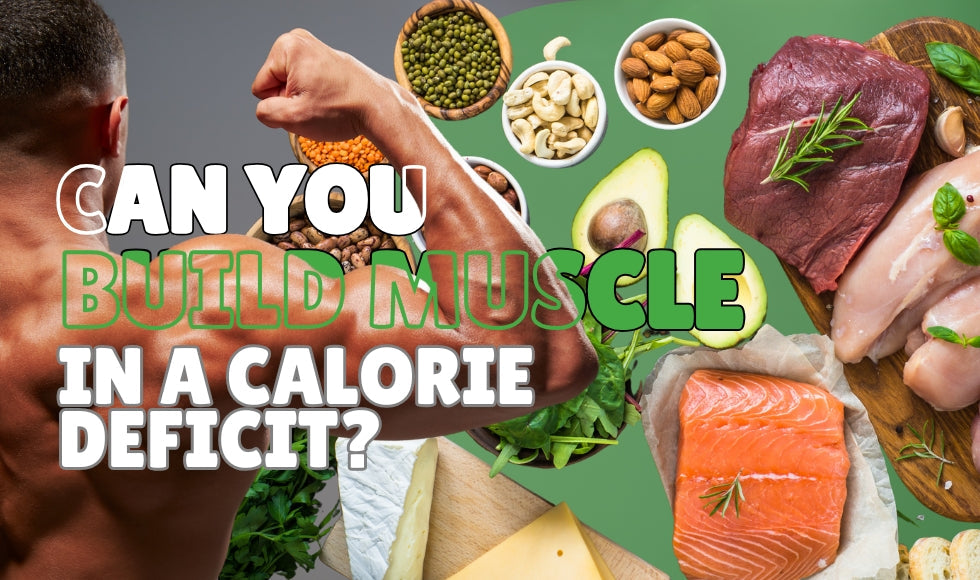
Have you ever wondered if it’s possible to build muscle while you’re in a caloric deficit? It might sound like a fitness fantasy, but many people are searching for ways to achieve this elusive goal.
You want to get leaner, but you also don’t want to sacrifice your hard-earned muscle gains. The good news is, you’re not alone in this quest, and the answer might surprise you. Imagine stepping on the scale and seeing the numbers drop while your muscles grow stronger and more defined.
It’s a scenario that seems almost too good to be true. But what if it isn’t? What if you could actually achieve this balance by making a few smart tweaks to your routine? We’ll dive into the science and strategies that could make building muscle in a caloric deficit a reality for you. We’ll uncover the secrets that fitness enthusiasts and experts swear by, helping you transform your body in ways you might not have thought possible. Curious to know how? Keep reading to discover the hidden potential within your own fitness journey.
Understanding Caloric Deficit
Building muscle while maintaining a caloric deficit can seem like a puzzle to many. You might wonder if less food means less muscle. Yet, understanding what a caloric deficit truly entails can change your perspective. Let’s dive into the basics and debunk some common misconceptions.
Definition And Basics
A caloric deficit occurs when you consume fewer calories than your body needs to maintain its current weight. Think of it like a financial budget—spending less than you earn. Your body taps into stored energy, such as fat, to make up the difference.
Creating a caloric deficit can be achieved through eating less or exercising more. Combining both often yields the best results. You burn calories during workouts, but also throughout the day simply by living. It’s the combination of daily activities and exercise that helps maintain this deficit.
Consider tracking your daily intake and expenditure. Tools like fitness apps can offer insights into calories burned and consumed. It’s about balancing the scale while ensuring your body gets the nutrients it needs to build and repair muscles.
Common Misconceptions
One common misconception is that a caloric deficit always leads to muscle loss. While it’s true that extreme deficits can lead to muscle wastage, a controlled deficit, coupled with strength training, can preserve or even enhance muscle mass.
Another myth is that you can’t gain muscle without a caloric surplus. This isn’t entirely accurate. Muscle growth hinges on protein intake and resistance training. Even with fewer calories, adequate protein can support muscle synthesis.
Many people believe they need to eat a lot to gain muscle. However, it’s quality, not quantity, that matters. Focus on nutrient-dense foods that fuel your workouts and recovery. Ask yourself, are you eating to fill or eating to fuel?
Understanding the science behind caloric deficits can empower you to make informed choices. Are you ready to redefine your approach to fitness?

Credit: m.facebook.com
Muscle Growth Fundamentals
Building muscle in a caloric deficit is challenging but possible. Focus on high-protein diets and strength training. Consistent workouts and proper nutrition can help maintain muscle while losing fat.
Building muscle while in a caloric deficit might seem like a contradiction, but understanding the fundamentals of muscle growth can help you achieve your fitness goals. It’s crucial to focus on the right components that foster muscle development even when you’re consuming fewer calories than your body burns. Let’s dive into the key aspects that play a pivotal role in muscle growth.Role Of Protein
Protein is the building block of muscles. When you’re trying to build muscle in a caloric deficit, the importance of protein intake can’t be overstated. Ensuring you consume enough protein helps prevent muscle breakdown and promotes muscle synthesis. Aim for high-quality protein sources like chicken, fish, eggs, and legumes. These not only fuel muscle repair but also keep you feeling full, making it easier to maintain a caloric deficit. Have you considered tracking your protein intake? It’s a simple yet effective way to ensure you’re supporting your muscle growth goals.Importance Of Resistance Training
Resistance training is your best friend for muscle growth. It challenges your muscles, encouraging them to grow and adapt even when calories are limited. Lifting weights or using resistance bands can be incredibly effective. Focus on compound exercises like squats, deadlifts, and bench presses. These engage multiple muscle groups, maximizing your workout efficiency. Are you consistently pushing your limits? Progressive overload—gradually increasing the weight or intensity—is key to making gains while staying in a deficit. By understanding these fundamentals, you’re equipped to build muscle effectively, even when consuming fewer calories. Embrace the challenge and watch your strength and physique transform.Factors Affecting Muscle Building In Deficit
Building muscle while in a caloric deficit is a challenging task. Various factors play a role in this complex process. Understanding these can help maximize your muscle-building efforts.
Genetics And Body Composition
Genetics significantly influence muscle growth potential. Some people naturally build muscle faster. This genetic predisposition affects how your body responds to training and diet. Body composition also plays a role. Individuals with higher muscle mass may find it easier to retain muscle during a deficit. Those with higher body fat might struggle more.
Training Experience
Training experience impacts muscle gains in a deficit. Beginners often see muscle growth even in a caloric deficit. Their bodies adapt quickly to new stress. Experienced lifters might find it harder. Their bodies are already adapted to stress from regular training.
Adjusting training intensity and volume is crucial. Experienced lifters need to focus on maintaining strength. This helps preserve muscle mass during a deficit.
Strategies For Success
Building muscle in a caloric deficit requires careful planning. Focus on strength training and high-protein intake to preserve muscle mass. Ensure adequate rest and recovery for optimal results.
Building muscle in a caloric deficit is challenging but possible. The key lies in strategic planning and execution. By optimizing nutrition and crafting effective workout plans, you can maximize muscle growth. Below, we explore proven strategies to help you succeed.Optimizing Nutrition
Proper nutrition is crucial. Prioritize protein-rich foods to support muscle repair. Lean meats, eggs, and legumes are excellent choices. Balance protein intake with healthy fats and carbohydrates. Focus on whole foods like vegetables and fruits. They provide essential nutrients. Hydration is vital too. Drink enough water daily to maintain energy levels.Effective Workout Plans
Strength training is essential for muscle growth. Prioritize compound exercises like squats and deadlifts. They engage multiple muscle groups. Incorporate resistance training to enhance strength. Aim for progressive overload. Gradually increase weights to challenge muscles. Include rest days to allow recovery. This prevents overtraining and injury.Common Myths Debunked
Many people believe building muscle while losing weight is impossible. They think muscle gain requires excess calories. This is a common misconception. Let’s explore and debunk these myths.
Muscle Loss Vs. Fat Loss
Some assume a caloric deficit leads to muscle loss. This is not entirely true. The body can lose fat while maintaining muscle. It’s about balancing nutrition and exercise. Protein intake is crucial for muscle preservation. Resistance training helps maintain muscle mass. The focus should be on quality nutrition and regular workouts.
The Necessity Of Bulking
Bulking is often seen as essential for muscle gain. Many believe they must consume more calories to build muscles. This is a myth. Muscle growth doesn’t always need excess calories. With proper nutrition, even in a deficit, muscle gain is possible. Strategic meal planning is key. Prioritize protein and nutrient-rich foods. Consistent strength training aids muscle development. It’s not just about eating more; it’s about eating smart.

Credit: www.instagram.com
Real-life Examples
Yes, muscle can be built while in a caloric deficit, although it requires careful planning. Combining strength training with adequate protein intake can promote muscle growth even when consuming fewer calories. Real-life examples include athletes who maintain muscle while cutting weight for competitions, proving it’s achievable with discipline and strategy.
Building muscle while in a caloric deficit might seem like chasing two rabbits. You’re trying to shed fat and gain muscle simultaneously, a challenging yet achievable goal. Real-life examples can provide inspiration and practical strategies to help you see it’s possible.Case Studies
Consider John, a 35-year-old office worker, who managed to build muscle while losing fat. By combining strength training with a high-protein diet, John maintained muscle mass while shedding pounds. His success underscores the power of personalized workout plans and nutrition strategies. Jane, a busy mother of two, also defied odds by gaining lean muscle during her weight loss journey. She focused on resistance training and prioritized recovery, proving that even with limited time, muscle growth is attainable. Her story highlights the importance of consistency and commitment.Testimonials From Fitness Experts
Fitness expert Mike Roberts shares his insights, emphasizing that muscle gain in a deficit is feasible but requires precise planning. He advises setting realistic goals and tailoring workouts to enhance muscle preservation. Renowned nutritionist Sarah Lee stresses the importance of nutrient timing. She explains that consuming protein-rich meals post-workout can significantly aid muscle recovery and growth, even in a caloric deficit. What strategies could you adopt from these examples? Could adjusting your workout intensity or diet bring you closer to your goals? Real-life success stories remind us that with the right approach, you can achieve seemingly contradictory fitness objectives.Expert Opinions
Can you build muscle while eating fewer calories? Experts have different opinions. Some believe it’s possible, while others are skeptical. Let’s explore what the professionals say.
Insights From Nutritionists
Nutritionists emphasize a balanced diet. Eating enough protein is crucial. Protein helps repair and grow muscles. Even in a calorie deficit, protein intake should be high. Carbs and fats are also important. They provide energy for workouts. A well-planned diet can support muscle growth.
Some nutritionists suggest timing meals strategically. Eating protein-rich meals post-workout can be beneficial. This helps in muscle recovery and growth. Also, staying hydrated is important. Water aids in nutrient absorption, which supports muscle health.
Perspectives From Personal Trainers
Personal trainers focus on exercise routines. Resistance training is key for muscle growth. Even with fewer calories, strength training can help build muscle. Trainers recommend lifting weights regularly. It’s effective even in a calorie deficit.
Trainers also stress the importance of rest. Muscles need time to recover after workouts. Adequate rest ensures proper recovery and growth. A mix of exercise and recovery can aid in muscle building.
Some trainers believe tracking progress is important. Monitoring strength gains and muscle size can guide workouts. Adjusting routines based on progress can be beneficial. This ensures continued muscle growth over time.

Credit: www.tiktok.com
Frequently Asked Questions
Can You Gain Muscle While In A Caloric Deficit?
Yes, you can build muscle while in a caloric deficit. It requires careful planning of nutrition and workouts. Prioritize protein intake to preserve muscle mass. Strength training is essential to stimulate muscle growth. Progress may be slower compared to a caloric surplus.
What Is The Best Diet For Muscle Gain In Deficit?
Focus on a high-protein diet to support muscle growth. Include lean meats, dairy, and plant-based proteins. Maintain a moderate carbohydrate intake for energy. Healthy fats are important for hormone production. Balance your meals to ensure overall nutrient intake.
How Much Protein Do I Need In A Deficit?
Aim for at least 1. 6 to 2. 2 grams of protein per kilogram. This helps preserve muscle mass during a deficit. Protein is crucial for muscle repair and growth. Spread protein intake throughout the day for best results. Adjust based on individual needs and goals.
Is Strength Training Necessary For Muscle Growth?
Yes, strength training is crucial for building muscle. It stimulates muscle fibers and promotes growth. Combine compound and isolation exercises for balanced development. Progressive overload is key for continued progress. Consistency in training enhances muscle-building efforts.
Conclusion
Building muscle in a caloric deficit is challenging but possible. Focus on protein intake. It helps muscle growth. Strength training is essential. Lift weights regularly to maintain muscle. Prioritize recovery. Rest days matter. Listen to your body. Adjust your plan if needed.
Track progress. Stay motivated by small wins. Remember, patience is key. Results take time. Balance your diet and workouts. Consistency is crucial for success. Keep your goals realistic. Enjoy the journey of getting stronger. Embrace the process, not just the outcome.
You can achieve your muscle goals with dedication.