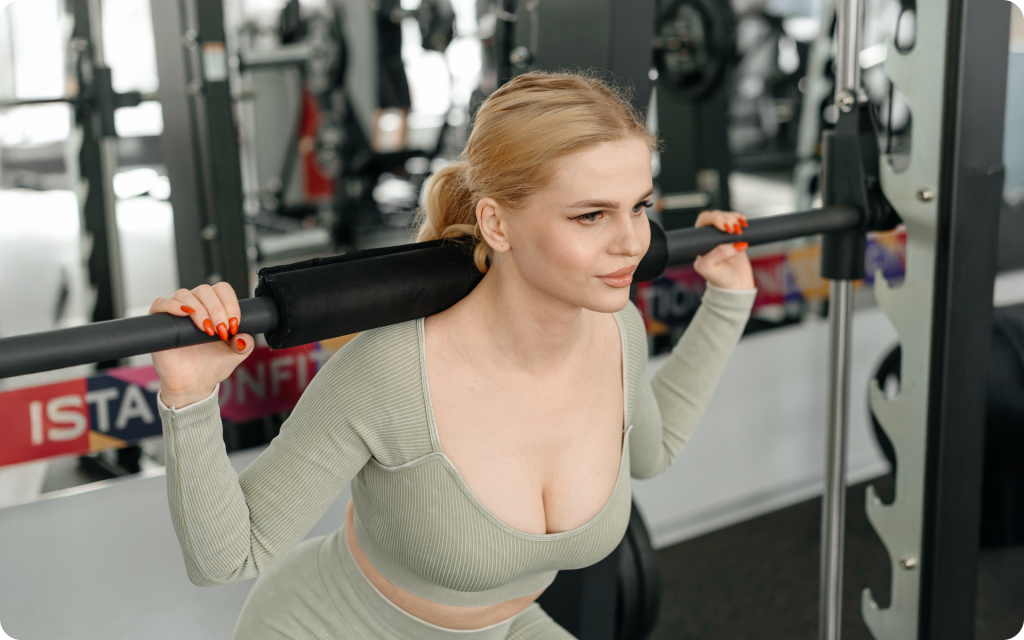
Stepping into the gym for the first time can feel overwhelming. You see all the equipment, the weights, and the people who seem to know exactly what they’re doing.
But don’t worry, you’re not alone in feeling a bit lost. The big question on your mind is probably, “What workout should I do on my first day? ” This is an important question because starting off on the right foot sets the tone for your fitness journey.
You want to make sure you’re doing exercises that are effective but also safe for a beginner. You’ll discover simple yet powerful workout tips that will help you feel confident and motivated from day one. Keep reading to unlock the secrets to making your first gym experience both successful and enjoyable.
Setting Fitness Goals
Embark on your gym journey with a balanced workout plan. Begin with light cardio to warm up your muscles. Follow up with basic strength exercises like squats and push-ups to build foundation.
Setting fitness goals is essential for your first day at the gym. Clear goals provide direction and motivation. They help you focus on what you want to achieve. Whether it’s building strength or improving endurance, goals keep you accountable.Understanding Your Fitness Level
Assess your current fitness level honestly. This helps you set realistic goals. Consider how often you exercise and your overall health. Knowing your starting point is crucial for progress.Defining Your Objectives
Decide what you want to achieve at the gym. Do you want to lose weight or gain muscle? Maybe you aim to improve your cardiovascular health. Clear objectives guide your workout choices.Setting Smart Goals
Make your goals SMART: Specific, Measurable, Achievable, Relevant, Time-bound. Specific goals are clear and precise. Measurable goals track your progress. Achievable goals are realistic. Relevant goals align with your desires. Time-bound goals have deadlines.Creating A Plan
Develop a plan that fits your goals. Include specific exercises that target your objectives. Plan your workout days and rest days. A structured plan keeps you organized.Tracking Progress
Monitor your progress regularly. Keep a journal or use apps to track workouts. This shows improvements and areas needing attention. Adjust your goals if necessary.Staying Motivated
Find motivation in small victories. Celebrate achievements and milestones. Positive reinforcement encourages persistence. Stay inspired by visualizing your end goals.Seeking Professional Guidance
Consider consulting a fitness expert. They provide personalized advice and guidance. Experts can help refine your goals and plans. Professional input enhances your gym experience.
Credit: betterme.world
Choosing The Right Workout Routine
Starting your first day at the gym can be exciting. Begin with a mix of cardio and strength exercises. Try a 10-minute warm-up, then focus on basic weightlifting techniques. This helps build a solid foundation for future workouts.
Choosing the right workout routine on your first day at the gym is crucial. It sets the tone for your fitness journey. A well-structured routine helps you build a strong foundation. This ensures steady progress and reduces injury risk. Let’s explore some options that can guide you.Full Body Vs. Split Routine
A full body routine works all major muscle groups in one session. It’s ideal for beginners and ensures balanced development. This routine helps improve overall strength and coordination. On the other hand, a split routine targets specific muscle groups on different days. It allows more focus on each area. Beginners usually benefit more from full body workouts. This approach helps them learn exercises and gain strength.Strength Training Basics
Strength training is key for building muscle and improving endurance. Start with basic exercises like squats, push-ups, and deadlifts. These compound movements engage multiple muscles, maximizing efficiency. Focus on correct form to prevent injuries. Begin with lighter weights to master technique before increasing the load. Aim for 8 to 12 repetitions per exercise. This range is effective for muscle growth and strength.Incorporating Cardio
Cardio is essential for heart health and burning calories. Incorporate activities like jogging, cycling, or jumping rope. These exercises increase stamina and enhance your overall fitness. Start with 10 to 15 minutes of cardio. Gradually increase duration as your fitness improves. Cardio sessions can be done before or after strength training. Find what feels best for your body and energy levels.Essential Warm-up Exercises
Starting your gym journey is an exciting adventure, and the right warm-up exercises can set the tone for success. Essential warm-up exercises are crucial for preparing your body to tackle new challenges, enhancing performance, and preventing injuries. Think of this routine as the foundation that supports your fitness goals. But what should you focus on when warming up?
Dynamic Stretching
Dynamic stretching involves active movements that help increase your heart rate and blood flow to your muscles. It’s more effective than static stretching at getting your body ready for action. Imagine doing leg swings or arm circles—these movements not only loosen up your muscles but also prepare your mind for the workout ahead. Have you ever felt sluggish and stiff at the start of a workout? Dynamic stretching can help combat that feeling, making you feel energized and ready to go.
Joint Mobility Drills
Joint mobility drills are essential to keep your joints healthy and flexible. They focus on improving the range of motion in your joints, which is crucial for performing exercises safely and effectively. Picture yourself doing wrist circles or ankle rolls; these simple movements can make a big difference in how your body feels during a workout. Do your joints ever feel tight or uncomfortable? Incorporating mobility drills into your warm-up can help alleviate those feelings and prepare your body for the demands of exercise.
Core Exercises For Beginners
Starting your gym journey can be exciting yet overwhelming. A strong core is essential for stability and strength. Core exercises lay the foundation for your fitness journey. They help improve posture and balance. Beginners should focus on exercises that build core strength safely and effectively.
Planks And Variations
Planks are a fantastic beginner exercise. They work your entire core, including abs and back muscles. Start with a basic plank. Hold your body straight, supported by forearms and toes. Keep your body aligned, avoiding sagging hips. Aim for 20-30 seconds initially. Gradually increase the time as you build strength.
Try different variations to target other muscles. Side planks work oblique muscles. Lift one arm and leg for added challenge. Plank variations keep workouts interesting and effective.
Crunches And Sit-ups
Crunches focus on upper abs. Lie on your back with knees bent. Place hands behind your head, elbows wide. Lift your shoulders off the ground, engaging your abs. Avoid pulling your neck forward. Perform 10-15 reps, resting in between.
Sit-ups engage more muscles. Start in the same position. Lift your entire upper body towards your knees. Keep feet flat on the ground. Sit-ups require more effort, building both strength and endurance.
Upper Body Workouts
Starting your gym journey can feel overwhelming, especially on your first day. One of the most effective areas to focus on is the upper body, which not only enhances your physical appearance but also boosts your strength and posture. A well-rounded upper body workout will lay a solid foundation for your fitness journey. Let’s dive into some simple yet effective exercises you can start with.
Push-ups And Modifications
Push-ups are a classic exercise that targets multiple muscles in your upper body, including the chest, shoulders, and triceps. They are a perfect choice for beginners because they require no equipment and can be done anywhere. But what if you can’t do a full push-up yet?
Don’t worry! You can start with modified push-upsthat cater to your current strength level. Try knee push-ups or incline push-ups against a bench or wall. These variations reduce the weight you’re lifting, making it easier to build strength gradually.
Track your progress. As you gain strength, you’ll find yourself moving from modified push-ups to full push-ups in no time. How many can you do today?
Dumbbell Exercises
Dumbbells are versatile tools that allow you to target specific muscles with precision. They are fantastic for beginners because you can start with light weights and slowly increase as you grow stronger. Which dumbbell exercises should you try first?
- Dumbbell Bench Press:This exercise strengthens your chest and shoulders. If you’re at the gym, use a bench for better support.
- Bicep Curls:A great way to target your biceps. Keep your elbows close to your body for maximum effect.
- Tricep Extensions:Help build your triceps by extending the dumbbell behind your head. Ensure your elbows point upward for proper form.
Remember, the key is to maintain proper form and not rush through the reps. Quality over quantity. Are you ready to see how strong you can become?

Credit: betterme.world
Lower Body Workouts
Starting your gym journey can be exciting yet overwhelming. On your first day, focus on lower body workouts. These exercises build strength in your legs and core. They help improve balance and endurance. Here are some key exercises to include in your routine.
Squats And Lunges
Squats are essential for building strong leg muscles. Stand with feet shoulder-width apart. Lower your body as if sitting in a chair. Keep your back straight and chest up. Return to standing and repeat.
Lunges target thighs and glutes. Step forward with one leg. Lower your hips until both knees are bent at 90 degrees. Push back to start and switch legs. Aim for 10 reps on each side.
Leg Press Machine
The leg press machine is great for building leg strength. Sit on the machine with your feet on the platform. Push the platform away by extending your legs. Keep a slight bend in your knees. Slowly return to the starting position.
Adjust the weight according to your comfort. Start with three sets of 10 reps. Remember to maintain a steady pace throughout.
Cool Down And Stretching
After finishing your first gym workout, focus on cooling down and stretching. This reduces soreness and improves flexibility. Spend about 10 minutes stretching major muscle groups to support recovery.
After you’ve powered through your first workout, it’s vital to give your body the care it deserves. Cooling down and stretching not only help prevent injury but also pave the way for a smoother recovery. Imagine your muscles thanking you for the gentle transition from intense activity to relaxation. So, what does a cool down look like? It’s a gradual reduction in intensity that allows your heart rate to return to normal. Picture yourself walking briskly for a few minutes, letting your breath stabilize. This phase is all about easing out of your workout, preparing your body for the next crucial step: stretching.Static Stretching
Static stretching is your body’s moment of zen after a workout. It’s when you hold a stretch for about 15 to 60 seconds, allowing your muscles to elongate and relax. Consider the standing quad stretch or the seated hamstring stretch; these simple moves can make a world of difference. Have you ever noticed how tight your calves can get after a workout? A calf stretch against the wall can alleviate that tension instantly. Remember to breathe deeply and hold each stretch gently—this isn’t a race.Breathing Techniques
Breathing might seem automatic, but intentional breathwork can elevate your stretching routine. Deep, controlled breaths help oxygenate your muscles, aiding in their recovery. Try this: inhale deeply through your nose as you begin a stretch, then exhale slowly through your mouth as you hold it. This simple technique can enhance your relaxation and focus. How often do you actually focus on your breath? Next time you’re stretching, pay attention to the rhythm of your breathing. It might surprise you how much it can affect your overall sensation of calm. By integrating these practices into your routine, you set the stage for a more effective workout. What stretches will become your go-to favorites as you evolve in your fitness journey?Tips For Staying Motivated
Choosing the right workout on your first gym day sets the tone for future success. Begin with light exercises to familiarize yourself with equipment and build confidence. Focus on full-body movements to ensure a balanced start and prevent early burnout.
Starting your gym journey can be both exciting and daunting. The key to success lies in staying motivated and consistent. Here are some tips to keep that motivation alive and kicking, especially when you’re just getting started.Tracking Progress
Tracking your progress is a powerful motivator. It helps you visualize how far you’ve come and where you’re headed. Use a journal, app, or even photos to document your workouts and improvements. Consider setting small, attainable goals each week. This could be increasing your weights, extending your run time, or mastering a new exercise. Celebrate these victories, no matter how small they seem. Reflect on your progress regularly. Ask yourself, “What have I achieved this month?” This reflection will boost your confidence and drive you to push further.Setting Realistic Expectations
It’s crucial to set realistic expectations when starting at the gym. Expecting too much too soon can lead to frustration and burnout. Remember, fitness is a journey, not a sprint. Start with manageable workouts. Your first day should be about getting familiar with the equipment and understanding your body’s limits. Embrace the learning curve. Adjust your expectations as you progress. If you find certain exercises too challenging, it’s okay to modify them. It’s better to grow steadily than to risk injury by pushing too hard too fast. By focusing on these tips, you’ll create a sustainable gym routine that keeps you motivated. Remember, every step counts, and every effort is a move towards a healthier you.Common Mistakes To Avoid
Choosing intense workouts or skipping warm-ups can lead to injuries on your first gym day. Stick to simple exercises, like walking or light weights, to build confidence and form.
Embarking on your first day at the gym is an exciting journey towards better health and fitness. However, in the enthusiasm to kickstart this new chapter, it’s easy to fall into common pitfalls that can hinder progress and even lead to setbacks. Understanding these mistakes can make the difference between a successful gym experience and a frustrating one.Overtraining
It’s tempting to dive in headfirst, especially if you’re motivated to see quick results. However, pushing your body too hard on the first day can lead to fatigue and injury. Start with a balanced routine that includes both strength and cardio exercises. Your muscles need time to adjust to new demands, so prioritize quality over quantity. Ask yourself: Are you listening to your body’s signals?Neglecting Nutrition
Exercise alone won’t yield the results you desire without proper nutrition. Many newcomers underestimate the role of diet in fitness. Consider your pre and post-workout meals. Are they providing the necessary fuel and recovery aid? Simple choices like a protein-rich snack or a balanced meal can significantly enhance your performance and recovery. Remember, what you eat is as crucial as the workout itself.
Credit: www.tiktok.com
Frequently Asked Questions
What Exercises Are Best For Gym Beginners?
Start with compound exercises like squats, deadlifts, and bench presses. These exercises engage multiple muscle groups, enhancing strength and balance. Additionally, incorporate cardio like brisk walking or cycling to improve endurance. Begin with light weights and focus on proper form to prevent injuries and build a solid foundation.
How Long Should My First Workout Be?
Your first workout should last about 45 minutes to an hour. Begin with a 5-10 minute warm-up to prepare your body. Focus on learning proper techniques for each exercise. Gradually increase intensity and duration as you become more comfortable and confident in your routine.
Should I Do Cardio Or Strength Training First?
For optimal results, start with strength training before cardio. Strength exercises require energy and focus, best achieved when you’re fresh. After strength training, engage in cardio to improve heart health and endurance. This sequence helps maximize your workout benefits and maintains energy levels effectively.
How Many Sets And Reps Should I Do?
Aim for 2-3 sets of 8-12 reps for each exercise. This range helps build strength and muscle while preventing fatigue. Adjust weights to maintain proper form throughout each set. Gradually increase weight or reps as you progress to continue challenging your muscles and improving overall fitness.
Conclusion
Starting your gym journey is exciting. Focus on simple exercises first. Listen to your body and avoid overdoing it. Start with light weights or bodyweight movements. Gradually increase intensity over time. Enjoy the process of building strength and confidence. Consistency is key to progress.
Don’t rush; results take time. Ask trainers for advice if unsure. Stay motivated by setting small, achievable goals. Keep track of your progress in a journal. Celebrate small victories to stay inspired. Embrace this new chapter in your fitness journey.
Remember, patience and perseverance lead to success.