Are you tired of feeling stiff and restricted in your upper body? Do you long for the freedom of movement that allows you to flow effortlessly through your yoga practice and daily life?
Imagine reaching with ease, twisting without strain, and unlocking a new level of vitality and comfort. This can be your reality, and it starts with increasing flexibility in your upper body through yoga. In this guide, you’ll discover simple yet effective techniques that can transform your practice and enhance your overall well-being.
Whether you’re a seasoned yogi or just starting out, these tips will help you gently stretch and strengthen those tight muscles, leading to better posture, less pain, and a greater sense of ease. Ready to experience a new kind of freedom? Let’s dive in and make flexibility your new superpower.
Credit: myyogateacher.com
Benefits Of Upper Body Flexibility
Upper body flexibility in yoga offers many advantages. It enhances daily movement and boosts athletic performance. With greater flexibility, muscles become more adaptable, reducing the risk of injury. This flexibility promotes better posture, relieving tension in the neck and shoulders. Additionally, it supports a deeper, more calming yoga practice.
Enhanced Range Of Motion
Improved flexibility allows a wider range of motion. This means you can reach higher and stretch further. Everyday tasks become easier, from reaching shelves to lifting objects.
Improved Posture
Flexible upper body muscles contribute to better posture. Proper posture reduces strain on the spine and neck. It helps prevent chronic pain and discomfort.
Reduced Risk Of Injury
Flexible muscles are less prone to tears and strains. Stretching regularly keeps muscles supple and strong. This reduces the chances of injury during physical activities.
Stress Relief
Flexibility exercises release tension in the body. A relaxed upper body eases stress and anxiety. This promotes a sense of calm and well-being.
Enhanced Athletic Performance
Flexibility improves athletic skills. It allows for more efficient movement. Athletes can perform better in sports and physical activities.
Warm-up Techniques
Before diving into upper body yoga poses, preparing your muscles with effective warm-up techniques is essential. Proper warm-ups not only prevent injuries but also enhance your flexibility, allowing you to move into poses with ease. Let’s explore some simple yet effective techniques to get your body ready for yoga.
Gentle Stretches
Start with gentle stretches to awaken your muscles. Begin by interlacing your fingers and stretching your arms overhead. Feel the stretch from your shoulders to your fingertips. Next, try neck rolls to release tension. Drop your chin to your chest and slowly rotate your head in a circular motion. Include shoulder shrugs in your routine. Lift your shoulders towards your ears, then release. Repeat this a few times, feeling the tension melt away.
Dynamic Movements
Incorporate dynamic movements to increase blood flow and warm up your muscles. Arm circles are a great start. Extend your arms to the sides and make small circles. Gradually increase the circle size to engage your shoulder joints fully. Try a simple cat-cow stretch. Begin on all fours, arch your back, and then round it. This movement helps in warming up the spine and shoulders. Consider adding some simple torso twists. Stand with your feet hip-width apart and gently twist your torso from side to side, keeping your arms loose. This movement can energize your body and enhance your flexibility. By integrating these dynamic movements, you prepare your body for deeper stretches and more challenging poses.
Essential Yoga Poses
Improving flexibility in the upper body can enhance overall well-being. Yoga offers effective poses to achieve this. Consistent practice can lead to noticeable improvements. Here are some essential yoga poses that target the upper body.
Downward Dog
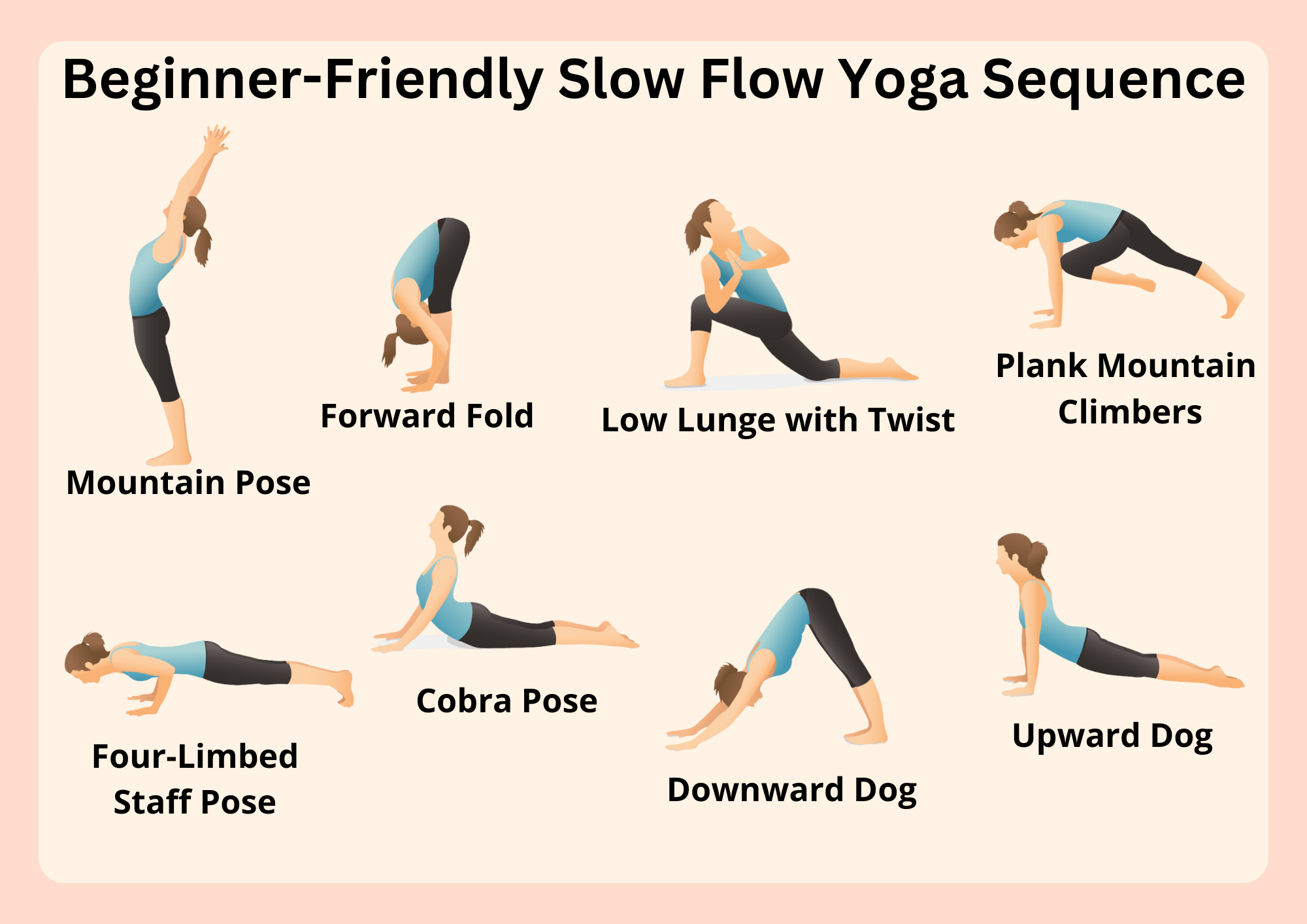
Downward Dog is a foundational yoga pose. It stretches the shoulders, back, and arms. Start on all fours, with hands under shoulders and knees under hips. Lift hips, forming an inverted V shape. Keep the spine straight and gaze towards your feet. Hold for several breaths. This pose improves flexibility and strength.
Cat-cow Stretch
Cat-Cow Stretch helps warm up the spine. Begin on all fours. Inhale, arch your back, and lift your head. This is the Cow position. Exhale, round your spine, and tuck your chin. This is the Cat position. Repeat the sequence slowly. It increases spine flexibility and relieves tension.
Thread The Needle
Thread the Needle targets the shoulders and upper back. Start on all fours. Slide your right arm under your left arm. Rest your right shoulder and ear on the mat. Extend your left arm overhead. Hold and breathe deeply. Repeat on the opposite side. This pose opens the shoulders and enhances mobility.
Breathing Techniques
Breathing techniques are essential for enhancing flexibility in upper body yoga. Proper breathing helps relax muscles and improve posture. It allows deeper stretches and holds, facilitating better flexibility.
Deep Breathing
Deep breathing involves inhaling slowly through the nose. Fill your lungs completely, expanding the diaphragm. This technique increases oxygen flow to muscles. It helps loosen tight areas in the upper body. Practice deep breathing during each yoga pose.
Exhale slowly and fully. Release tension with each breath. Focus on the rhythm of your breathing. This creates a calming effect, aiding flexibility.
Breath Control
Breath control, or pranayama, is vital in yoga. It enhances focus and concentration. Inhale deeply, then hold your breath for a few seconds. This increases lung capacity and strengthens respiratory muscles.
Controlled breathing stabilizes your movements. It supports balance and alignment in challenging poses. Mastering breath control improves overall flexibility. Practice regularly to see significant benefits.
Incorporating Props
Props like blocks or straps can enhance upper body flexibility in yoga. They offer support and help maintain alignment, allowing deeper stretches and better posture. Integrating props into practice makes challenging poses more accessible, promoting gradual improvement in flexibility.
Incorporating props in your yoga practice can transform your experience, especially when aiming to boost flexibility in your upper body. Props offer support, enhance alignment, and help you deepen into poses safely. Whether you’re a seasoned yogi or a beginner, using props can help you achieve more than you might expect. They allow you to explore new depths in your practice while preventing injury. Have you ever wondered how a simple block or strap might change your yoga routine?Using Blocks
Blocks are fantastic for bridging the gap between your body and the ground. They provide stability and support, enabling you to stretch further without compromising your form. Consider poses like the Extended Side Angle or Triangle Pose. Placing a block under your hand can allow you to maintain alignment while still getting a good stretch. You can also use blocks under your back in poses like Fish Pose, offering a gentle lift and opening your chest. This can be particularly effective for increasing flexibility in the shoulders and upper back.Strap Assistance
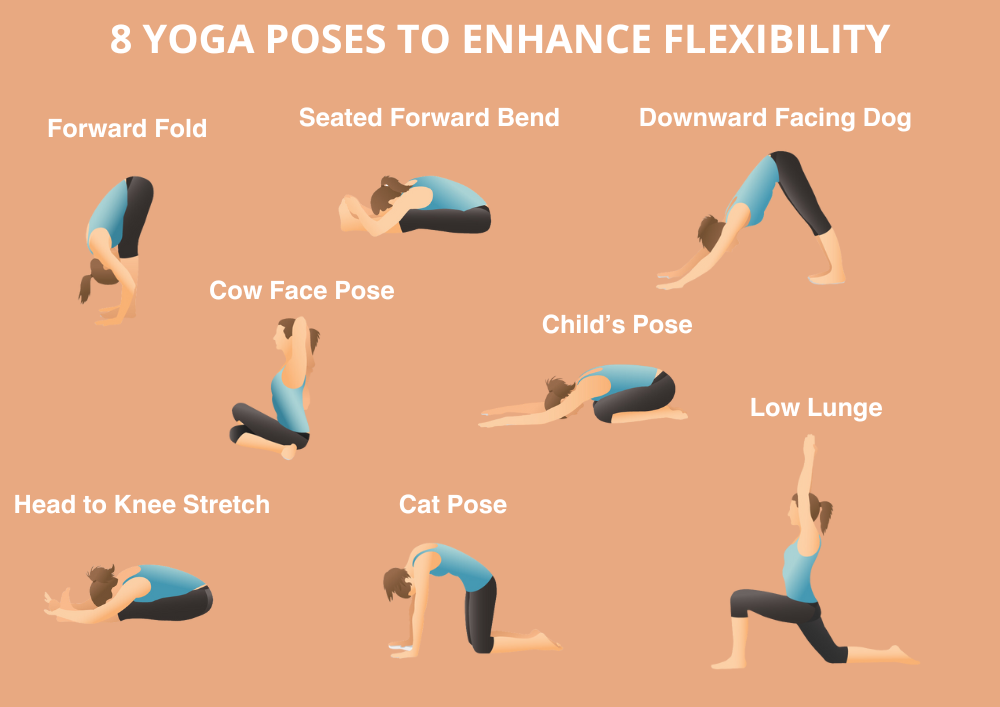
Straps are excellent for extending your reach and allowing your muscles to relax into a stretch. They can be particularly useful in poses like Cow Face or Seated Forward Bend, where reaching your feet or hands can be challenging. By looping a strap around your feet, you can pull gently to deepen the stretch without forcing your body. This encourages safe progression in flexibility. Have you tried using a strap in poses like King Pigeon or Dancer Pose? It can help you reach back for your foot, improving your shoulder flexibility and balance.
Credit: www.youtube.com
Post-yoga Cool Down
Enhance upper body flexibility in yoga with gentle stretches during the post-yoga cool down. Focus on deep breathing to relax muscles and increase range of motion. Integrate poses like cat-cow and shoulder rolls to effectively target tight areas.
After a rejuvenating yoga session focused on increasing upper body flexibility, a thoughtful cool down is essential. It not only aids in muscle recovery but also enhances the benefits of your practice. The post-yoga cool down involves gentle stretches that help you relax and gradually bring your body back to its resting state.Seated Forward Bend
The seated forward bend is a calming stretch that gently lengthens your spine and releases tension in your shoulders and neck. Sit on the floor with your legs straight in front of you, and slowly lean forward, reaching for your toes. It’s okay if you can’t touch them; just go as far as you comfortably can. Breathe deeply as you hold the position, feeling the stretch along your back. With each exhale, try to reach a little further, visualizing your tension melting away. This pose is a wonderful way to conclude your practice, inviting peace and tranquility into your body and mind.Child’s Pose
Child’s pose is a favorite among yogis for its soothing effect on the body. Start by kneeling on the mat, then sit back on your heels and stretch your arms forward, lowering your forehead to the ground. Feel the gentle stretch in your upper back and shoulders. This pose encourages deep breathing, which helps to calm your nervous system. Spend a few moments here, allowing your breath to become steady and your body to relax. What better way to end your session than with this nurturing posture that embraces you like a gentle hug? Remember, each cool down is an opportunity to listen to your body. What signals is it sending you? By tuning in, you can discover what works best to complete your yoga routine effectively.Consistency And Progress Tracking
Tracking progress and maintaining consistency are key to increasing flexibility in upper body yoga. Regular practice helps build strength and flexibility. Monitoring improvements keeps you motivated and focused on goals.
Consistency and progress tracking are key in upper body yoga practice. Regular practice helps improve flexibility and strength. Tracking progress keeps you motivated and focused. It also allows you to see improvements over time.Daily Practice
Set aside time each day for yoga. Even a few minutes can make a difference. Focus on stretches that target the shoulders, arms, and back. Try poses like Downward Dog, Cobra, and Cat-Cow. These poses help increase flexibility and build upper body strength. Consistency is crucial. It helps your muscles adapt and become more flexible.Journaling Progress
Keep a yoga journal to track your practice. Write down the poses you do each day. Note any changes in flexibility or strength. Record how your body feels before and after practice. Reflecting on your progress helps identify areas for improvement. It also celebrates your achievements. A journal serves as a reminder of your commitment to yoga.
Credit: m.facebook.com
Common Mistakes To Avoid
Increasing flexibility in upper body yoga requires mindful practice. Many beginners make mistakes that hinder progress. Avoiding these mistakes can enhance your flexibility journey.
Overstretching
Stretching too far can harm your muscles. Yoga should be gentle and gradual. Pushing beyond limits leads to injuries. Maintain a comfortable stretch to avoid damage.
Ignoring Pain Signals
Listen to your body during practice. Pain is a warning sign. Continuing despite discomfort can cause serious injury. Adjust your posture if you feel pain. Respect your body’s limits.
Frequently Asked Questions
What Poses Improve Upper Body Flexibility?
Yoga poses like downward dog, cat-cow, and thread the needle can enhance upper body flexibility. These poses stretch and strengthen muscles in the shoulders, arms, and back. Consistent practice helps to increase range of motion and relieve tension. Incorporating these poses into your routine will improve flexibility effectively.
How Often Should I Practice Yoga For Flexibility?
Practicing yoga 3-4 times a week can significantly improve upper body flexibility. Consistency is key to seeing results. Regular practice helps muscles adapt and stretch, enhancing flexibility. Beginners should start slowly and gradually increase frequency. Listening to your body and avoiding overexertion is essential for safe progress.
Can Yoga Help With Shoulder Stiffness?
Yes, yoga can alleviate shoulder stiffness by increasing flexibility and strength. Poses like eagle arms and arm circles target shoulder muscles. They enhance mobility and reduce tension. Regular practice helps maintain joint health and prevents stiffness. Yoga also promotes relaxation, aiding in the relief of shoulder discomfort.
Are Breathing Exercises Important In Yoga?
Breathing exercises are crucial in yoga for flexibility and relaxation. Proper breathing enhances oxygen flow to muscles, aiding in flexibility. Techniques like deep breathing and alternate nostril breathing improve focus and reduce stress. Consistent practice of breathing exercises boosts overall yoga effectiveness and enhances upper body flexibility.
Conclusion
Building flexibility in your upper body with yoga enhances your health. Regular practice leads to stronger muscles and improved posture. Each pose stretches and strengthens different parts. Focus on breathing deeply during exercises. This supports relaxation and better movement. Consistency brings progress, even in small steps.
Celebrate little victories as you gain flexibility. Listen to your body and adjust poses as needed. Over time, you will see noticeable changes. Enjoy the journey to a more flexible upper body. Yoga is about balance and patience. Keep practicing and stay motivated.
Your body will thank you.