Imagine moving through your day with ease, free from the stiffness and discomfort that often hold you back. A flexible back can transform how you feel, boosting your energy and improving your overall well-being.
You might wonder how you can achieve this without spending hours at the gym or on a therapist’s table. The answer is simpler than you think: yoga. By incorporating specific yoga poses into your routine, you can unlock the secret to a more flexible back.
You’ll discover how yoga can help you achieve a supple spine, making everyday tasks easier and more enjoyable. Ready to find out how you can improve your back’s flexibility? Keep reading to learn the best yoga practices tailored for your needs.

Credit: www.youtube.com
Benefits Of A Flexible Back
How to Get Flexible Back Yoga Achieve a flexible back with yoga. Improve posture, reduce pain, and boost overall well-being. Practice regularly with poses like Cat-Cow, Cobra, and Child’s Pose to enhance spine flexibility.
Having a flexible back is more than just a goal for yoga enthusiasts; it’s an essential part of overall health and well-being. Imagine waking up each morning without that pesky stiffness, ready to take on the day with energy and ease. A flexible back can be your secret weapon against discomfort and stress, offering a range of benefits that enhance daily life. From improved posture to reduced pain, let’s dive into why achieving a flexible back is worth your time and effort.Enhanced Posture
Good posture isn’t just about looking confident; it’s crucial for your health. A flexible back supports your spine, making it easier to maintain proper alignment. This can prevent strain on muscles and joints, reducing the risk of injury. With a flexible back, you may find yourself standing taller and feeling more balanced.Reduced Back Pain
Back pain can be debilitating, affecting everything from your mood to your mobility. Yoga stretches and poses help relieve tension and increase flexibility, which can alleviate pain. Imagine being able to sit through a long meeting or enjoy a day out without the nagging discomfort. A flexible back can make this a reality.Increased Range Of Motion
Flexibility in your back allows you to move more freely. Whether you’re bending over to pick up your child or reaching for something on a high shelf, a flexible back makes these movements easier and safer. You might notice you’re more agile and less prone to injuries during physical activities.Improved Circulation
A flexible back can aid in better circulation throughout your body. When your muscles are relaxed and flexible, blood can flow more freely, delivering essential nutrients and oxygen to your cells. This can lead to increased energy levels and a feeling of overall wellness.Stress Relief
Yoga is known for its stress-relieving benefits, and a flexible back plays a part in this. When your body is free from tension, your mind often follows suit. Practicing yoga can be a calming ritual that helps you unwind and find peace, even in the midst of a hectic day. Are you ready to embrace the benefits of a flexible back? Give yoga a try and experience these changes for yourself. What other benefits have you noticed from a more flexible back?Yoga Poses For Flexibility
Achieving a flexible back through yoga involves practicing specific poses like Cat-Cow and Cobra. These movements gently stretch and strengthen the spine. Incorporate these poses into your routine to enhance back flexibility and relieve tension.
Yoga poses for flexibility can transform your body and mind. These poses stretch your muscles, enhance mobility, and calm your mind. Practicing regularly helps you achieve a more flexible back. Explore these poses to enhance your flexibility journey.Cat-cow Stretch
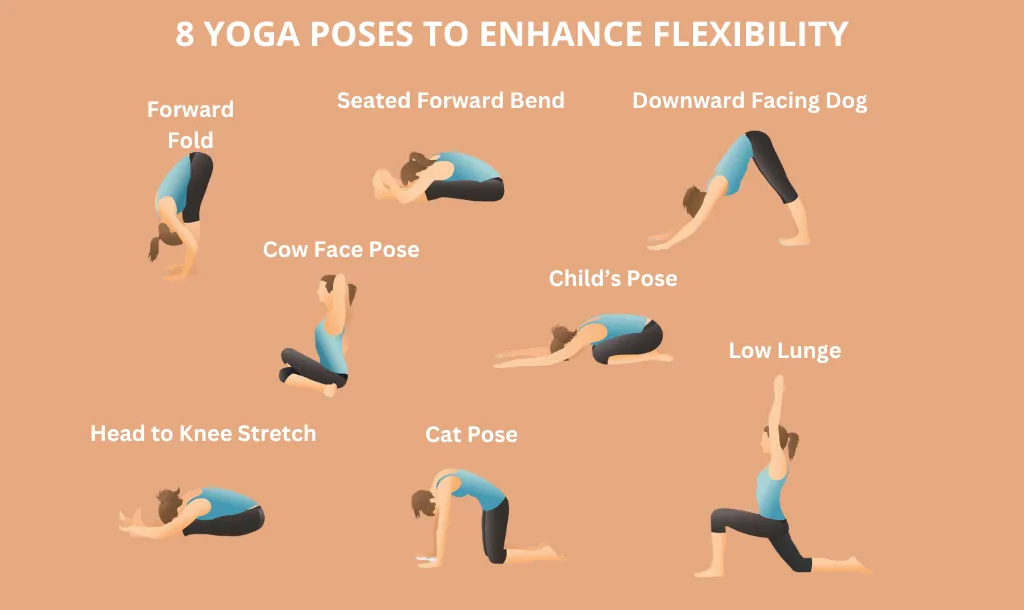
This pose warms up your spine. Start on all fours. Inhale, arch your back, lift your head, and tailbone. This is the cow pose. Exhale, round your back, tuck your chin and tailbone. You are now in the cat pose. Repeat these movements gently. Feel the stretch in your back and neck. This pose improves spinal flexibility and relieves tension.Downward-facing Dog
This pose stretches your entire body. Begin on your hands and knees. Lift your hips and straighten your legs. Push your heels toward the floor. Your body forms an inverted V shape. Keep your head between your arms, gaze at your knees. Feel the stretch in your hamstrings and calves. This pose increases flexibility in your back and legs.Cobra Pose
This pose opens your chest and strengthens your spine. Lie face down, legs together. Place your palms under your shoulders. Inhale, lift your chest off the ground. Keep your elbows close to your body. Hold this position while breathing deeply. Feel the stretch in your back and abdomen. This pose enhances flexibility and strengthens your back muscles. Practice these poses regularly to see improvements. Flexibility is within reach with dedication and patience.Incorporating Breathwork
Breathwork enhances flexibility in yoga by relaxing the muscles and calming the mind. Deep breathing helps ease tension in the back, improving movement and reducing discomfort.
Incorporating breathwork into your yoga practice is a transformative way to enhance flexibility, particularly in your back. Breathing is not just a vital life function, but also a powerful tool in yoga. It connects your body and mind, allowing you to push boundaries and deepen your stretches safely. Have you ever noticed how a deep breath can ease tension or how holding your breath can create stress? Understanding and using your breath can make all the difference in achieving a flexible back.Deep Breathing Techniques
Deep breathing is the foundation of effective breathwork in yoga. Start by sitting comfortably, with your spine straight. Place one hand on your belly and the other on your chest. Inhale deeply through your nose, feeling your belly expand like a balloon. This is diaphragmatic breathing. Slowly exhale through your mouth, pulling your belly inwards. This simple exercise can relax muscles and increase oxygen flow to your muscles. Practice this regularly to help your back muscles become more pliable. Breathing deeply also signals your nervous system to calm down, reducing tension.Linking Breath With Movement
Once you are comfortable with deep breathing, try linking it with your yoga movements. Every pose in yoga is an opportunity to sync breath with motion. Inhale as you lengthen or expand, like reaching your arms up in a stretch. Exhale as you fold or contract, such as bending forward. This rhythm helps create a flow, making transitions smoother and lessening strain on your back. Notice how each breath guides the movement, allowing you to go deeper into stretches. As you practice, your back will gradually become more flexible. Have you tried noticing the changes in your flexibility when you focus on your breath?
Credit: www.instagram.com
Consistency In Practice
Practicing yoga regularly helps in achieving a flexible back. Consistency builds strength and increases flexibility over time. Simple poses can gradually improve back mobility and reduce stiffness.
Consistency in practice is key for achieving a flexible back through yoga. Regular sessions build strength and flexibility over time. Each pose becomes easier as muscles adapt and stretch. This transformation requires dedication and patience. The results are rewarding, leading to better posture and reduced back pain.Establishing A Routine
Creating a yoga routine is crucial for success. Start by selecting a convenient time each day. Morning sessions energize, while evening practices relax. Choose a quiet space free from distractions. Consistent practice keeps you motivated and focused. Set achievable goals to maintain enthusiasm.Tracking Progress Over Time
Monitoring your journey helps stay on track. Keep a journal to record each session. Note improvements in flexibility and strength. Celebrate small victories to boost confidence. Take photos to visualize progress. This documentation shows how consistent practice leads to a flexible back.Avoiding Common Mistakes
Improving back flexibility through yoga can be rewarding, but mistakes happen. Avoiding common errors ensures safe and effective practice. Let’s dive into key areas to be mindful of.
Recognizing Overstretching
Overstretching can lead to injury. Listen to your body. If a pose causes sharp pain, ease off. Progress should feel challenging, not painful. Know your limits and respect them.
Proper Form And Alignment
Correct form is crucial for safety. Align your spine in each pose. Keep shoulders relaxed and engage the core. Use props like blocks for support. This helps maintain proper alignment and balance. Regularly check your posture in a mirror or with a partner.
Complementary Practices
Yoga strengthens and stretches the back, enhancing flexibility through poses like Cat-Cow and Child’s Pose. Regular practice promotes spine health and improves posture. Deep breathing aids relaxation, reducing tension in back muscles.
Complementary practices enhance your yoga routine for a flexible back. These practices support your yoga efforts, offering a more holistic approach to flexibility and wellness. Integrating them can improve your overall results. Let’s explore some effective complementary practices.Incorporating Pilates
Pilates strengthens core muscles, essential for back flexibility. It focuses on controlled movements, enhancing balance and posture. Regular Pilates sessions can improve your spinal alignment. This supports a supple and resilient back. Pilates also boosts your body awareness, helping you understand your limitations and progress. Combining yoga with Pilates provides a comprehensive workout for your back.Benefits Of Regular Massage
Massage therapy aids in muscle relaxation and tension release. Regular massages improve circulation, promoting flexibility. They help in reducing muscle tightness, often a barrier to achieving a flexible back. Massages also support faster recovery after yoga sessions. This allows you to maintain consistent practice. Opt for massages that focus on the back and spine for optimal benefits. Massage therapy complements yoga by enhancing your overall physical wellbeing.Listening To Your Body
Listening to your body is key in yoga practice. It helps you avoid injuries and improve flexibility. Pay attention to what your body tells you. Each stretch should feel good, not painful. A mindful approach ensures safe and effective progress.
Understanding Personal Limits
Everyone’s body is different. Know your limits and respect them. Pushing too hard can lead to injury. Notice discomfort and adjust your movements. Stay within a range that feels comfortable. This helps build flexibility over time.
Adapting Poses To Suit Needs
Yoga is versatile. Modify poses to fit your body’s needs. Use props like blocks or straps for support. This makes poses more accessible. Listen to your body and make adjustments as necessary. Customize your practice for the best results.
Credit: www.youtube.com
Frequently Asked Questions
What Are The Benefits Of Yoga For Back Flexibility?
Yoga enhances back flexibility by stretching and strengthening muscles. It improves posture, reduces tension, and increases range of motion. Regular practice can alleviate back pain and prevent injuries. Deep breathing during yoga also promotes relaxation, further aiding in flexibility enhancement.
How Often Should I Practice Yoga For Flexibility?
For optimal flexibility, practice yoga three to five times weekly. Consistent practice helps maintain progress and improve over time. Start with short sessions and gradually increase the duration. Listening to your body and resting when needed is crucial for safe and effective practice.
Which Yoga Poses Improve Back Flexibility?
Several yoga poses enhance back flexibility, such as Cat-Cow, Downward Dog, and Bridge Pose. Cobra and Child’s Pose are also effective. These poses gently stretch and strengthen back muscles. Practicing them regularly can significantly improve flexibility and reduce discomfort.
Can Beginners Do Yoga For Back Flexibility?
Yes, beginners can practice yoga for back flexibility. Start with basic poses and gradually advance. It’s essential to focus on proper alignment and breathing. Joining a beginner class or following online tutorials can be helpful. Consulting a yoga instructor ensures safe and effective practice.
Conclusion
Yoga helps make your back flexible. Regular practice strengthens muscles. It also reduces tension and stress. Simple poses improve posture. They enhance flexibility over time. Remember to breathe deeply during exercises. This boosts relaxation and focus. Start with easy poses.
Gradually move to advanced ones as you gain confidence. Listen to your body. Avoid pushing too hard. Consistency is key for progress. Enjoy the journey of improving your back’s flexibility. Stay committed to your practice. Your body will thank you.
Embrace the calm and balance yoga brings. Your back’s flexibility will improve with patience and effort.