Imagine the frustration of being sidelined by an Achilles tendon injury just when you’re hitting your stride. Whether you’re a seasoned athlete or enjoy a casual morning jog, this injury can halt your momentum and disrupt your daily routine.
But what if you could take proactive steps to keep your Achilles tendon healthy and strong? In this guide, you’ll discover practical tips and techniques to prevent an Achilles tendon injury, ensuring you stay active and pain-free. By understanding how to protect this crucial part of your body, you can maintain your performance and continue doing what you love.
Ready to safeguard your Achilles tendon and enhance your athletic longevity? Let’s dive into the strategies that will keep you on your feet and in the game.
Understanding The Achilles Tendon
Strengthening calf muscles helps protect the Achilles tendon. Stretching regularly ensures flexibility and reduces injury risk. Wearing supportive footwear provides stability during activities.
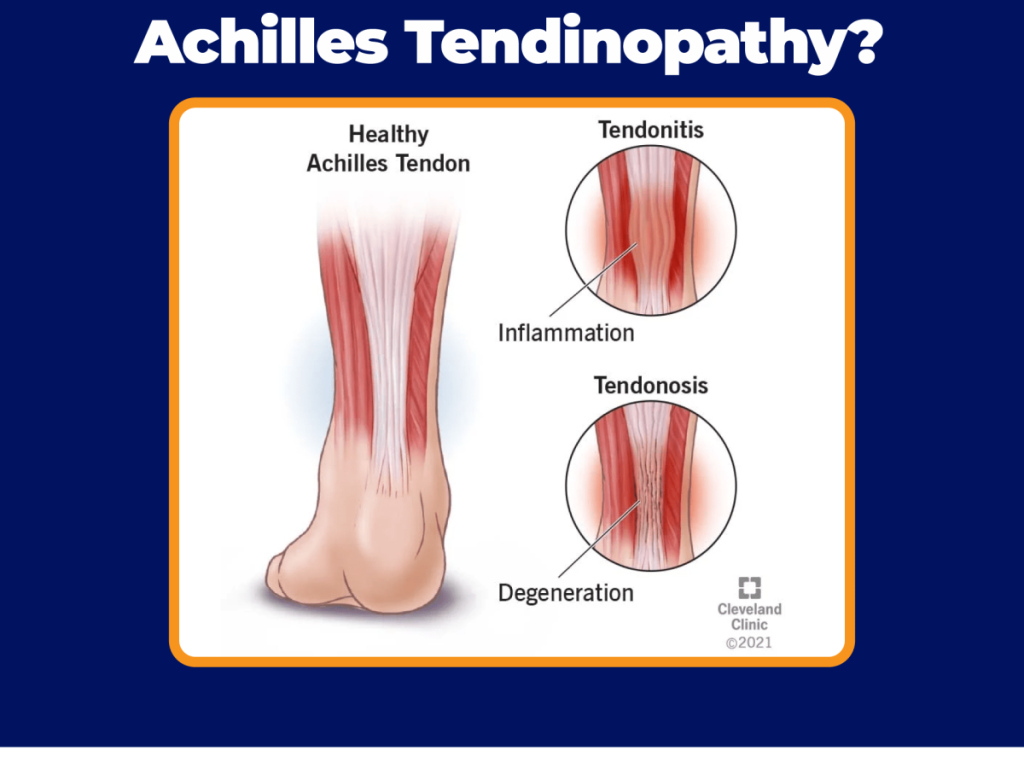
Understanding the Achilles Tendon The Achilles tendon is a vital part of your leg. It connects your calf muscles to your heel bone. This tendon helps you walk, run, and jump. It’s the largest and strongest tendon in your body. Despite its strength, it’s prone to injuries. Knowing its structure and function is key to preventing harm.What Is The Achilles Tendon?
The Achilles tendon is a thick band of tissue. It stretches from your calf to your heel. This tendon allows you to push off the ground. It’s crucial for movement and balance. It plays a big role in daily activities.Functions Of The Achilles Tendon
The Achilles tendon aids in walking and running. It absorbs stress during physical activities. When you sprint, it bears the pressure. It supports your body weight with each step. Proper care is essential for its health.Common Causes Of Achilles Tendon Injuries
Overuse can harm the Achilles tendon. Sudden increases in physical activity also pose risks. Wearing improper footwear can lead to strain. Lack of stretching tightens the tendon. Avoid these to protect your tendon.Signs Of Achilles Tendon Issues
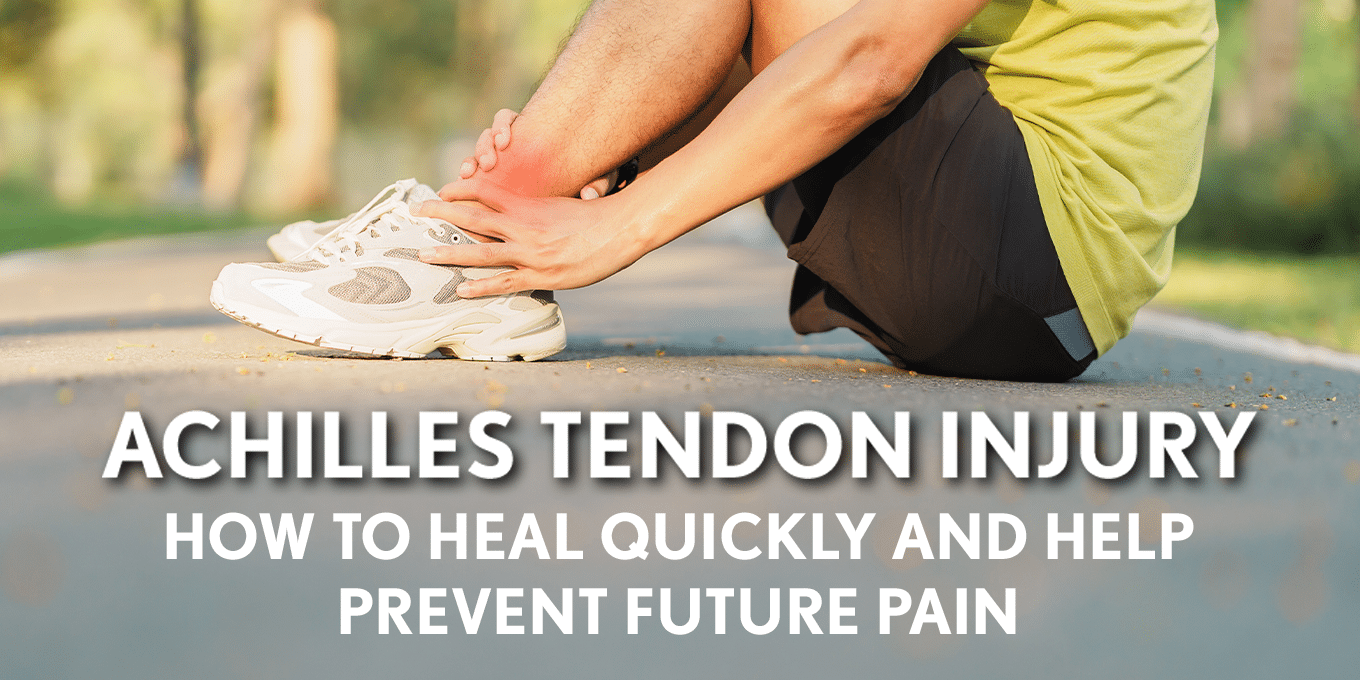
Pain at the back of the heel is common. Swelling or stiffness may occur. You might hear a snapping sound. These are warning signs. Early detection helps in better recovery.Importance Of Achilles Tendon Health
Healthy Achilles tendons ensure smooth movement. They prevent mobility issues. Strong tendons enhance athletic performance. Maintaining their health supports your overall well-being. Regular care can prevent painful injuries. Understanding the Achilles tendon is the first step. With knowledge, you can protect this crucial body part.
Credit: www.freedomleg.com
Common Causes Of Injury
Proper warm-ups can prevent Achilles tendon injuries. Stretching and strengthening exercises keep the tendon flexible and strong. Avoid sudden increases in activity to reduce strain on the tendon.
Achilles tendon injuries can be painful and debilitating. Understanding the common causes is key to prevention. These injuries often happen due to stress and strain on the tendon. Let’s explore the factors that contribute to these injuries.Overuse From Physical Activity
Repeated actions like running can overstress the Achilles tendon. Intense activities without proper breaks lead to injuries. It’s vital to balance exercise with rest.Poor Footwear Choices
Wearing inappropriate shoes affects foot alignment. Unsupportive footwear increases strain on the Achilles tendon. Choose shoes that offer good support and cushioning.Lack Of Stretching And Warm-up
Skipping warm-ups before exercising can lead to injury. Stretching prepares the tendon for activity and reduces risk. Always start with gentle stretches before workouts.Sudden Increase In Activity Level
Rapid changes in exercise intensity can be harmful. Gradual increase in activity allows the body to adapt. Avoid abrupt increases in workout duration or intensity.Age-related Degeneration
As we age, tendons lose flexibility. Older adults are more prone to tendon injuries. Regular exercise and stretching maintain tendon health.Previous Tendon Injuries
Past injuries make tendons susceptible to further damage. Healing and rehabilitation are crucial for recovery. Proper care reduces the risk of re-injury. Understanding these causes helps in adopting preventive measures. Awareness and proper care ensure tendon health.Recognizing Early Warning Signs
Spotting early warning signs is key to avoiding Achilles tendon injuries. Listen to your body and notice any persistent pain or tightness in the heel or calf area. Addressing these signs promptly with rest and proper exercises can help prevent further damage.
Recognizing early warning signs of an Achilles tendon injury is crucial to prevent a minor issue from turning into a significant setback. An Achilles tendon injury can disrupt your daily activities and exercise routines. By paying attention to subtle signals from your body, you can take proactive steps to safeguard your health and mobility.Listen To Your Body
Your body often whispers before it screams. A slight tightness or mild discomfort in the back of your ankle could be your body’s way of hinting at a potential problem. If you notice these sensations, don’t ignore them. Rest and gentle stretches might be all you need to prevent further damage.Monitor Swelling And Redness
Swelling and redness around your Achilles tendon are common early signs of inflammation. You may notice your ankle looks puffier than usual or feels warmer to the touch. Keep an eye on these changes, especially if they persist, as they can indicate an underlying issue that needs attention.Assess Pain Levels During Activity
Pay attention to how your Achilles tendon feels during physical activities. Sharp or increasing pain during or after exercise suggests that your tendon is under stress. Consider modifying your workout or seeking professional advice to prevent aggravating the injury.Notice Stiffness In The Morning
Waking up with stiffness in your Achilles tendon area can be a red flag. If you frequently find it challenging to flex your foot or walk comfortably first thing in the morning, it’s worth investigating further. Regular stretching and gentle movement can often alleviate this symptom.Evaluate Your Range Of Motion
A decreased range of motion in your ankle could signal a problem. Test your flexibility by pointing and flexing your foot. If you notice any limitations compared to your usual range, it might be time to rest and consider consulting a healthcare professional. Recognizing these early warning signs empowers you to take control of your health. Have you experienced any of these signs before? Taking action now can prevent a minor issue from becoming a long-term problem.Effective Stretching Techniques
Stretching the calf muscles can help prevent Achilles tendon injuries. Stand facing a wall, place one foot behind, and gently push forward. Hold for 15-30 seconds, then switch legs. Regularly practicing this stretch can improve flexibility and reduce injury risk.
Stretching plays a crucial role in preventing Achilles tendon injuries. It helps maintain flexibility and strength in your lower legs. Effective techniques can make a significant difference in your fitness routine. Incorporating the right stretches can support your tendons and reduce strain.Daily Stretching Routine
A daily routine ensures your tendons stay flexible. Spend at least 10 minutes each day on stretching. Focus on your calves and Achilles tendons. Use a combination of movements to cover different angles.- Stand with your feet hip-width apart.
- Step one foot forward and bend the knee.
- Keep the back leg straight with the heel on the ground.
- Hold for 15-30 seconds and switch legs.
- Repeat this stretch twice for each leg.
Dynamic Vs. Static Stretching
Dynamic stretching involves movement. It prepares your muscles for activity. Think of leg swings and high knees. These stretches warm up your muscles and improve range of motion. Static stretching involves holding a position. It helps cool down your muscles post-exercise. Think of calf stretches and seated forward bends. Hold each stretch for 15-30 seconds. Both stretching types have benefits. Use dynamic stretches before exercise. Use static stretches after workouts. This combination supports tendon health and reduces injury risk.Strengthening Exercises
Strengthening exercises play a crucial role in preventing Achilles tendon injuries. Focus on calf raises and heel drops to build muscle strength and improve flexibility. These exercises enhance stability and reduce the risk of strain.
Strengthening exercises are vital for preventing Achilles tendon injuries. They improve muscle balance and reduce strain on the tendon. Regular exercise keeps your tendons flexible and strong. Focus on exercises that target the lower leg muscles.Calf Raises
Calf raises strengthen your calf muscles. Stand with your feet hip-width apart. Slowly lift your heels, standing on your toes. Hold for a few seconds, then lower your heels. Repeat this for a set of 10 to 15 repetitions. Use a chair or wall for balance if needed. This exercise enhances muscle endurance and stability.Eccentric Heel Drops
Eccentric heel drops target the Achilles tendon. Stand on a step with your heels hanging off the edge. Lift one foot, balancing on the other. Slowly lower your heel below the step level. Use the opposite foot to return to the starting position. Perform this exercise for 10 to 15 repetitions. Eccentric movements strengthen the tendon and improve flexibility.Proper Footwear Selection
Selecting the right footwear is essential to safeguard against Achilles tendon injuries. Choose shoes with proper arch support and cushioning to reduce strain. Ensure a snug fit to prevent unnecessary movement and potential injury.
Proper footwear selection plays a key role in preventing Achilles tendon injuries. The right shoes provide support and reduce stress on the Achilles tendon. Choosing the appropriate footwear involves understanding what features to consider. This ensures comfort and minimizes injury risks.Features To Look For
When picking shoes, focus on arch support. Good arch support helps distribute weight evenly. This reduces strain on the Achilles tendon. Cushioning is another essential feature. It absorbs shock and reduces impact while walking or running. Heel height and stability are also critical. A slight heel lift can relieve tendon tension. Ensure the shoe offers good heel stability to prevent ankle twisting.When To Replace Shoes
Worn-out shoes can lead to injuries. Check the soles for uneven wear patterns. This indicates the shoe has lost its support. Replace shoes every 300-500 miles for running. For walking, consider replacing them every 6-12 months. If shoes feel uncomfortable or unsupportive, it’s time for a new pair. Regularly inspect your footwear for signs of damage.Incorporating Cross-training
Incorporating cross-training helps prevent Achilles tendon injuries by balancing muscle strength and enhancing flexibility. This method reduces strain and promotes recovery. Activities like swimming and cycling are effective alternatives to repetitive running.
Incorporating cross-training into your routine is a smart strategy to prevent Achilles tendon injuries. By diversifying your workouts, you not only strengthen different muscle groups but also reduce repetitive strain on your tendons. It’s like giving your body a break while still staying active.Low-impact Activities
Low-impact activities are excellent for protecting your Achilles tendon. Swimming and cycling provide great cardiovascular workouts without the stress of running. I remember transitioning to swimming after feeling tightness in my Achilles during a run, and it made a world of difference. Yoga is another option that enhances flexibility and strengthens muscles around your tendon. Consider how these activities can fit into your routine.Benefits Of Variety
Adding variety to your exercise regime keeps your workouts fresh and exciting. It prevents overuse injuries by not overloading the same muscles and tendons repeatedly. Mixing activities like yoga, strength training, and cycling can balance your fitness and improve overall performance. What’s your favorite way to mix things up in your workouts?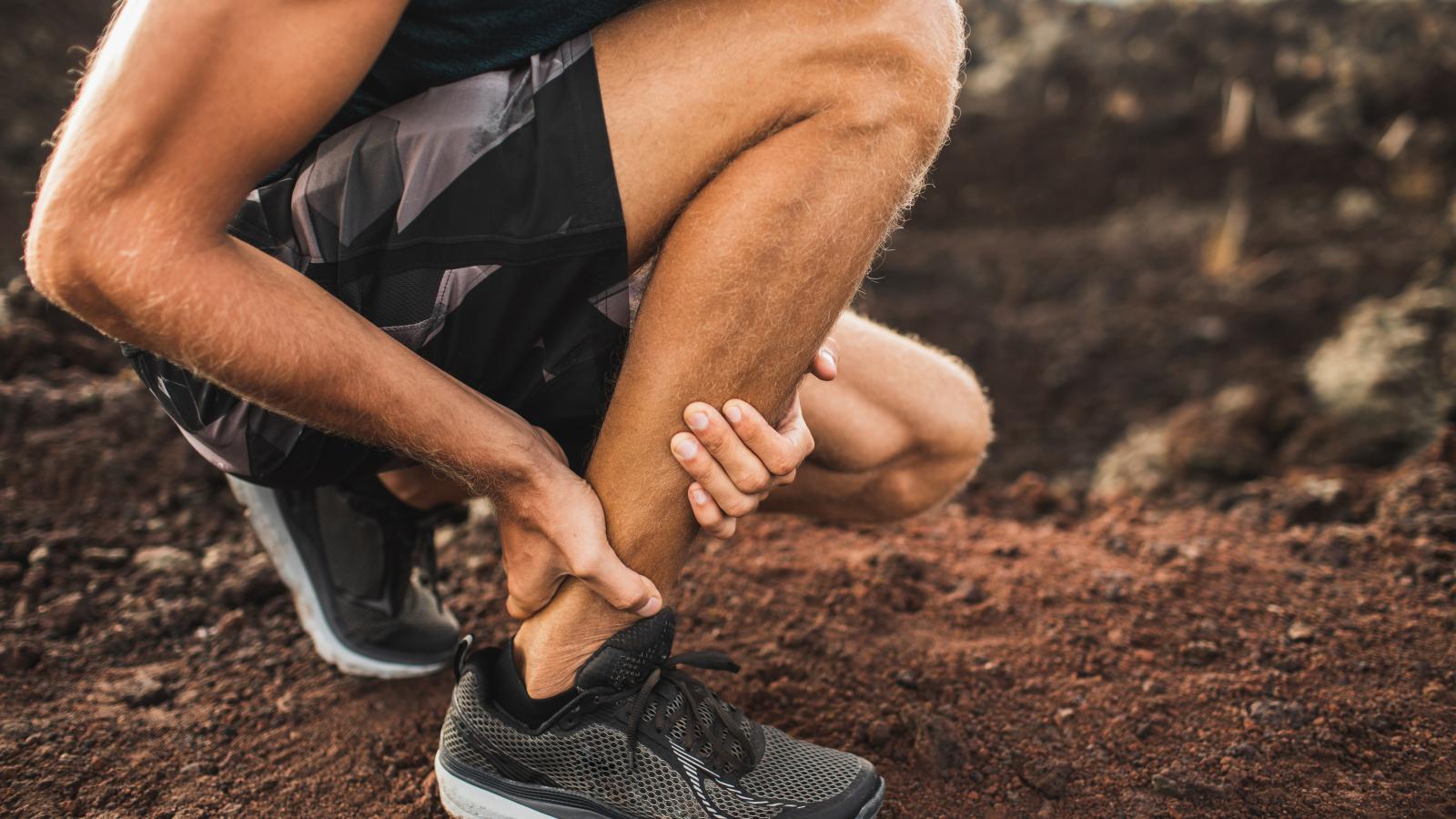
Credit: www.guthrie.org
Importance Of Rest And Recovery
Rest and recovery are crucial in preventing Achilles tendon injuries. They allow the body to heal and strengthen. Without proper rest, the risk of injury increases. Recovery helps maintain muscle balance and flexibility. A well-rested body performs better and is less prone to injuries.
Listening To Your Body
Your body sends signals when it’s overworked. Recognize signs of fatigue or pain. Ignoring them can lead to serious injuries. Pay attention to discomfort in the Achilles area. Rest if you feel persistent pain. This can prevent further damage and promote healing.
Rest Days And Active Recovery
Incorporate rest days into your routine. These days allow muscles to repair and grow. Active recovery is also beneficial. Engage in low-impact activities like walking or cycling. These help maintain fitness without straining the Achilles tendon. Balance is key for a healthy and strong body.
Role Of Nutrition And Hydration
Preventing an Achilles tendon injury is not just about exercises and stretches; it also involves a smart approach to nutrition and hydration. Your body needs the right fuel and fluids to keep your tendons healthy and resilient. What you eat and drink can significantly influence your tendon health and recovery.
Nutrients For Tendon Health
Eating a balanced diet rich in specific nutrients can bolster your tendons. Focus on foods high in protein, like chicken, fish, and beans, as protein is crucial for tissue repair. Omega-3 fatty acids found in salmon and walnuts help reduce inflammation, promoting tendon health.
Vitamin C from fruits like oranges and strawberries is important for collagen production, a key component of tendons. Don’t forget zinc, found in beef and pumpkin seeds, which aids in healing and tissue growth. Are you getting enough of these nutrients in your daily diet?
Staying Hydrated
Hydration plays a vital role in maintaining tendon elasticity and function. Water keeps your tissues supple and supports nutrient delivery to your tendons. Aim to drink at least eight glasses of water a day, more if you’re active or the weather is hot.
Electrolytes are also important, especially if you sweat a lot. Consider adding sports drinks or coconut water to your hydration routine. Remember, even slight dehydration can affect your tendon health. Are you drinking enough to keep your body at peak performance?
Consulting With Professionals
Consulting with professionals is key to preventing Achilles tendon injuries. Experts offer personalized advice and tailored treatment plans. They ensure you are taking the right steps to protect your Achilles tendon. Professional guidance helps you understand your body’s needs and limitations.
When To See A Doctor
Visit a doctor if you experience persistent pain in your tendon. Swelling or stiffness that lasts more than a few days needs medical attention. If pain worsens or prevents you from walking, seek help immediately. Doctors can diagnose the injury accurately and suggest effective treatments.
Working With A Physical Therapist
A physical therapist designs exercises to strengthen your tendon. They teach stretches that improve flexibility and prevent strain. Therapists monitor your progress and adjust exercises as needed. Regular sessions help in recovery and injury prevention. Their expert advice supports long-term tendon health.
Credit: www.ultraankle.com
Frequently Asked Questions
What Causes Achilles Tendon Injuries?
Achilles tendon injuries are often caused by overuse, improper footwear, and sudden increases in physical activity. Tight calf muscles can also contribute, as they place additional strain on the tendon. Proper stretching, strengthening, and gradual increases in activity can help prevent these injuries and keep your Achilles tendon healthy.
How Can I Strengthen My Achilles Tendon?
Strengthening the Achilles tendon involves exercises like heel raises and eccentric calf contractions. Start with gentle stretching and gradually increase intensity. Consistency in training is key. Incorporating strength-building exercises into your routine helps improve tendon resilience and reduces injury risk.
Are Tight Calves Linked To Achilles Injuries?
Yes, tight calves can contribute to Achilles tendon injuries. Tight calf muscles increase strain on the tendon during activities. Regular stretching and foam rolling can alleviate tension. Proper stretching techniques enhance flexibility and reduce injury risk, promoting overall tendon health.
What Shoes Help Prevent Achilles Injuries?
Shoes with proper arch support and cushioning can help prevent Achilles injuries. Look for footwear that fits well and provides stability. Avoid high heels and opt for supportive sneakers. Proper footwear aligns your foot, reducing strain on the Achilles tendon during activities.
Conclusion
Preventing an Achilles tendon injury is possible with care and caution. Prioritize stretching to keep muscles flexible. Warm up before exercises to prepare your body. Choose proper footwear that supports your feet well. Gradually increase workout intensity to avoid strain.
Listen to your body; pain signals a need for rest. Regular strengthening exercises help maintain tendon health. Hydration and balanced nutrition support recovery and performance. With these steps, you can protect your Achilles tendon. Stay active, enjoy your activities, and keep injuries at bay.
Your efforts will lead to a healthier, more resilient body.