Imagine the thrill of moving effortlessly to your favorite rhythm, the joy of expressing yourself through dance. It’s liberating, isn’t it?
But what if a sudden injury pulls you out of that cherished moment? Dance, while beautiful, can be demanding on your body, and injuries might seem like an inevitable part of the journey. What if you could minimize this risk?
What if you could enjoy your passion without the fear of getting hurt? This blog is here to guide you through practical tips and insights to help you prevent dance injuries. You’ll discover how small changes in your routine can make a big difference, allowing you to focus on what truly matters—your love for dance. So, are you ready to learn how to keep your body safe and your dance dreams alive? Let’s dive in and make sure nothing stands in the way of your passion!
Common Dance Injuries
Preventing dance injuries involves proper warm-up, strength training, and flexibility exercises. Adequate rest and hydration are crucial. Wearing suitable footwear and maintaining correct posture can also reduce the risk of injuries.
Dance is an exhilarating form of expression that combines art and athleticism, but it comes with its share of risks. Common dance injuries can sideline even the most dedicated dancers, affecting their performance and passion. By understanding these injuries, dancers can take proactive steps to protect themselves and keep dancing safely.Sprains And Strains
Sprains and strains are among the most frequent injuries dancers experience. Sprains occur when ligaments are stretched or torn, while strains involve muscles or tendons. Both can happen due to improper warm-up or pushing beyond one’s limits. A personal experience taught me the importance of listening to my body. Ignoring slight discomfort during practice led to a sprained ankle that took weeks to heal. Prioritizing a thorough warm-up and cool-down routine can significantly reduce the risk of these injuries.Fractures
Fractures, though less common, are serious injuries that can result from falls or accidents during intense performances. Dancers often overlook the significance of bone health in their training regimen. Strengthening exercises and a balanced diet rich in calcium and vitamin D can fortify your bones. Remember, your bones are the foundation supporting every graceful leap and turn.Tendonitis
Tendonitis involves inflammation of the tendons and is often caused by repetitive movements. It can be a nagging issue, especially in areas like the Achilles tendon or shoulders. To prevent tendonitis, ensure you’re not overworking the same muscle groups without adequate rest. Consider cross-training to give your tendons a break while still improving your overall fitness. Have you ever pushed through pain only to regret it later?Overuse Injuries
Overuse injuries develop gradually from repetitive stress on muscles and joints. They can be subtle at first but lead to significant downtime if ignored. Incorporate variety in your practice sessions to avoid repetitive strain. Keeping a journal to track your practice intensity and recovery can help you identify patterns and make necessary adjustments. Would you rather take a short break now or face a longer one later? Each dance move carries the potential for injury, but with awareness and prevention, you can keep your passion alive and thriving. Dance smart, and let your body’s rhythm guide you safely.Importance Of Warm-up
Warm-ups are crucial for dancers to avoid injuries and perform their best. They prepare your body, easing it into the demands of dance. A good warm-up increases muscle temperature, flexibility, and reduces the risk of strains.
Dynamic Stretching
Dynamic stretching is key to a productive warm-up. It involves active movements that stretch muscles, enhancing flexibility and strength. By mimicking dance moves, you prepare your body specifically for the tasks ahead.
Consider leg swings or arm circles. These exercises boost your range of motion. This makes your muscles more adaptable during high-energy performances.
Role Of Cardiovascular Exercises
Cardiovascular exercises are essential in a warm-up routine. They increase your heart rate, which in turn, improves blood flow to muscles. This prepares your body for intense movement and reduces fatigue.
Simple activities like jogging or jumping jacks can be effective. They not only warm you up but also build stamina. You’ll find yourself more energized and less prone to injury.
Are you incorporating these elements into your warm-up? If not, it might be time to rethink your routine. A well-prepared body leads to a powerful and injury-free performance.
Proper Technique
Understanding proper technique is key to preventing dance injuries. Focus on correct posture and alignment during practice. Regularly reviewing and refining technique helps maintain safety and efficiency.
Proper technique is the cornerstone of injury prevention in dance. It’s not just about perfecting your moves; it’s about ensuring your body is safe while doing so. Developing a solid foundation in technique can significantly reduce the risk of injuries and enhance your performance.Posture And Alignment
Maintaining correct posture is crucial. Your spine should be elongated, with shoulders relaxed and hips aligned. This alignment helps distribute weight evenly, reducing stress on muscles and joints. Improper posture can lead to chronic back and neck pain. It’s essential to check your alignment regularly, especially during complex routines. Consider using a mirror for feedback. It allows you to see your body’s positioning and make necessary adjustments. Small tweaks can make a big difference.Foot Placement
Foot placement is a critical aspect of proper technique. Your feet should be positioned to support your body’s movements and balance. Incorrect foot placement can lead to ankle sprains or other foot injuries. Practice landing softly and evenly on the balls of your feet. This technique reduces impact and protects your joints. Think about the surfaces you’re dancing on. Different floors require different approaches to foot placement for stability. Be mindful of your environment and adjust accordingly. Do you often overlook these elements in your dance practice? Taking time to focus on technique might be the key to unlocking your potential while keeping injuries at bay.Strengthening Exercises
Strengthening exercises are crucial in preventing dance injuries. They help build muscle stability and enhance your performance, ensuring you can dance with confidence and grace. Whether you’re a seasoned dancer or just starting, focusing on strengthening key areas of your body will make a significant difference in reducing injury risk. Let’s delve into two critical components: core strength and leg and ankle strength.
Core Strength
Your core is the powerhouse of your body. It supports balance, posture, and even the most intricate dance moves. Imagine executing a pirouette without a strong core; it might not end as gracefully as you’d hope. Strengthening your core can be as simple as incorporating exercises like planks and Russian twists into your routine. These exercises target your abdominal muscles, lower back, and pelvis.
Consistency is key. Set aside time each week dedicated to core workouts. You’ll notice improved stability and control in your movements. Why not challenge yourself with a plank hold? Aim to increase your time gradually, adding a few seconds each session. The results will not only be visible in your dance but also in your overall fitness.
Leg And Ankle Strength
Strong legs and ankles are essential for dancers. They absorb the impact of jumps and support intricate footwork. Without this strength, you’re at risk of strains and sprains. Exercises like calf raises and lunges are excellent for building muscle in these areas.
Consider using resistance bands for added intensity. They can enhance your workouts and provide a deeper muscle burn. Have you ever tried balancing on one leg while performing ankle circles? This simple exercise can significantly improve your ankle stability and flexibility.
Regular leg and ankle exercises not only prevent injuries but also give you the confidence to push your boundaries. How can you integrate these exercises into your daily routine? Start small, perhaps during warm-ups, and gradually increase the duration as you grow stronger.
Flexibility Training
Flexibility training helps prevent dance injuries by improving joint range and muscle elasticity. Consistent practice reduces strain and enhances balance, ensuring safer movements during performances.
Flexibility Training is a crucial component in preventing dance injuries. By improving your flexibility, you increase your range of motion, enhance your performance, and reduce the likelihood of strains and sprains. Think about your last dance class—did you feel tightness or restriction in certain movements? Flexibility training can help ease those limitations and give you the confidence to express yourself fully.Static Stretching
Static stretching involves holding a stretch for a period of time, allowing your muscles to lengthen gradually. Picture this: you’re preparing for a performance, and you spend a few minutes in a deep lunge. This not only primes your muscles but also calms your mind. Make it a habit to stretch after every dance session. Focus on major muscle groups like hamstrings, calves, and shoulders. Consistency in static stretching can drastically improve your flexibility over time.Yoga And Pilates
Yoga and Pilates offer more than just a workout; they offer a holistic approach to flexibility. These practices emphasize controlled movements and mindful breathing, which align perfectly with dance requirements. Consider joining a local class or streaming a session online. You’ll find that poses like the downward dog or the hundred in Pilates not only stretch but also strengthen your core. Both practices can lead to improved balance and coordination, which are essential for any dancer. Are you ready to add these routines to your weekly schedule? The benefits might surprise you.
Credit: www.tiktok.com
Importance Of Rest
Quality rest is crucial to prevent dance injuries. It allows muscles to recover and reduces stress on joints. Balanced routines with breaks enhance performance and minimize injury risks.
Rest plays a vital role in preventing dance injuries. Dancers often push their bodies to the limit, striving for perfection. Without adequate rest, muscles become strained, leading to potential injuries. Rest allows the body to repair and strengthen. It helps maintain physical and mental well-being. Prioritizing rest ensures dancers perform at their best while staying injury-free.Recognizing Fatigue
Recognizing fatigue is crucial in preventing injuries. Fatigue can creep in unnoticed. It affects a dancer’s performance and increases injury risk. Signs of fatigue include muscle soreness and decreased concentration. Taking breaks when fatigue is evident can prevent strain. Listening to the body’s signals is essential for health.Recovery Techniques
Recovery techniques aid in healing and rejuvenation. Proper hydration supports muscle recovery. Stretching helps reduce stiffness and improves flexibility. Ice packs can alleviate swelling and soreness. Massage therapy relaxes muscles and promotes circulation. Incorporating rest days allows the body to recharge. Following recovery practices ensures safe and effective dance training.Appropriate Footwear
Wearing the right shoes can prevent dance injuries. Dance demands precision, balance, and agility. Shoes play a crucial role in achieving this. Proper footwear provides stability and support. It reduces strain on muscles and joints. It also enhances performance and ensures safety.
Choosing The Right Shoes
Different dance styles need specific shoes. Ballet shoes are light and flexible. Tap shoes have metal plates for sound. Jazz shoes offer a snug fit for quick moves. It’s important to select shoes that match the dance style. The right fit prevents blisters and slips. Ensure shoes have the right amount of grip. This avoids unnecessary slides and falls. Materials should be breathable to keep feet cool. A good shoe fit reduces injury risks.
Impact On Performance
Proper footwear boosts confidence and performance. It allows dancers to move freely and comfortably. Shoes that fit well help maintain balance and control. This leads to better technique and execution. Poorly fitted shoes can cause pain and distraction. This affects focus and performance quality. Shoes that wear out quickly may not offer needed support. Regularly check shoes for signs of wear and replace when necessary. This keeps performance optimal and injury-free.

Credit: asia.harlequinfloors.com
Nutrition And Hydration
Dance demands energy, strength, and focus. Nutrition and hydration play crucial roles in keeping dancers healthy and injury-free. Proper intake of nutrients and fluids helps maintain energy levels and aids recovery. Understanding dietary needs ensures dancers perform at their best, minimizing the risk of injuries.
Balanced Diet
A balanced diet fuels dancers for optimal performance. It includes carbohydrates, proteins, fats, vitamins, and minerals. Carbohydrates provide energy for intense dance routines. Proteins repair muscles and support growth. Healthy fats are essential for cell function and hormone balance.
Vitamins and minerals are necessary for overall health. They strengthen bones and boost the immune system. A variety of fruits and vegetables ensures adequate intake of these nutrients. Whole grains and lean proteins are excellent choices for sustaining energy levels.
Hydration Needs
Proper hydration is vital for dancers. Water regulates body temperature and maintains muscle function. Dehydration can lead to fatigue and muscle cramps. These issues increase the risk of injuries during performances.
Dancers should drink water before, during, and after practice. It replenishes lost fluids and keeps the body hydrated. On intense days, consider electrolyte drinks to restore minerals lost through sweat. Pay attention to thirst signals and hydrate accordingly.
Seeking Professional Advice
Seeking professional advice can help prevent dance injuries. Experts provide guidance on proper techniques and personalized training plans. This support enhances performance while minimizing the risk of harm.
Seeking professional advice is crucial in preventing dance injuries. While dance is a beautiful art form, it can be physically demanding. Understanding the importance of seeking guidance from experts can make a significant difference in your dance journey. Let’s explore how consulting physiotherapists and regular check-ups can help you stay injury-free.Consulting Physiotherapists
Physiotherapists are experts in body mechanics and movement. They can analyze your dance techniques and identify potential risk factors for injuries. Imagine the relief of knowing that your movements are optimized for safety. A physiotherapist can provide personalized exercises to strengthen weak areas and improve flexibility. Regular sessions with a physiotherapist can be a game-changer. They can track your progress and make adjustments to your routine, ensuring you’re always performing at your best.Importance Of Regular Check-ups
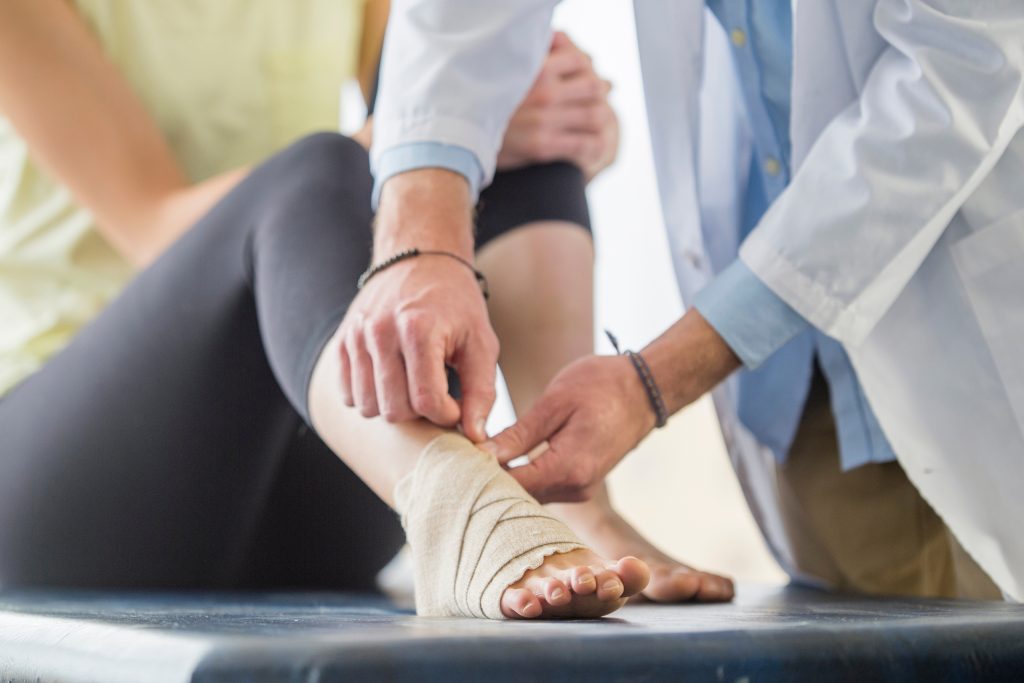
Regular check-ups are not just for when you feel pain. They can be a proactive measure to prevent injuries before they occur. Think of it as a maintenance check for your body. Just like you wouldn’t skip servicing your car, your body needs regular attention to function optimally. During check-ups, medical professionals can spot early signs of strain or fatigue. This allows for early intervention, keeping you on your feet and dancing with confidence. Are you scheduling regular check-ups? It could be the difference between a minor tweak and a major injury. Prioritize your health and keep dancing safely.
Credit: www.orthovirginia.com
Frequently Asked Questions
What Are Common Dance Injury Causes?
Dance injuries often arise from overuse, poor technique, or inadequate warm-up. Repetitive movements can strain muscles. Improper footwear may lead to foot issues. Lack of rest increases injury risk. Proper technique and conditioning are essential. Ensuring a balanced diet and hydration also contributes to overall health and injury prevention.
How Can Stretching Prevent Dance Injuries?
Stretching improves flexibility, reducing the risk of strains and sprains. Dynamic stretches warm muscles before dancing. Static stretching helps cool down afterward. Consistent stretching maintains muscle elasticity. It also enhances joint mobility. Including stretching in daily routines is crucial for injury prevention.
Consult a professional for tailored stretching exercises.
Why Is Cross-training Important For Dancers?
Cross-training enhances strength, endurance, and flexibility. It reduces repetitive strain by diversifying movement patterns. Activities like swimming or Pilates complement dance training. They develop muscle groups not used in dancing. Cross-training also improves overall fitness, reducing injury risk. Incorporating varied exercises ensures balanced body conditioning.
How Does Proper Footwear Prevent Injuries?
Appropriate footwear supports and stabilizes the foot during dance. It absorbs impact, reducing stress on joints. Shoes should fit well and match the dance style. Regularly check for wear and replace them as needed. Proper footwear helps maintain balance and posture.
Consult a specialist for specific shoe recommendations.
Conclusion
Preventing dance injuries keeps dancers healthy and strong. Warm-ups prepare muscles for movement. Proper technique protects joints and bones. Rest days allow bodies to heal. Dancers should listen to their bodies. Pain signals need attention. Professional guidance helps. Coaches and trainers offer valuable advice.
Stretching improves flexibility. This reduces strain risk. Good nutrition fuels performance. Hydration is crucial. Proper footwear supports feet and ankles. Awareness leads to prevention. Safety must be a priority. With care, dancers can enjoy their passion. Injury-free and thriving.