Imagine you’re gearing up for a run or a workout session, but there’s a nagging thought at the back of your mind: “Am I doing enough to prevent injuries?” You’re not alone.
Many fitness enthusiasts and athletes like yourself are constantly on the lookout for the best ways to stay injury-free. One tool that’s been gaining popularity is the foam roller. But here’s the million-dollar question: Does foam rolling really prevent injury?
It’s time to dive deep and discover the truth behind this popular fitness accessory. By the end of this article, you’ll know whether adding foam rolling to your routine is a must-do or just another trend. Ready to get the insights you need for your fitness journey? Let’s get rolling.
The Basics Of Foam Rolling
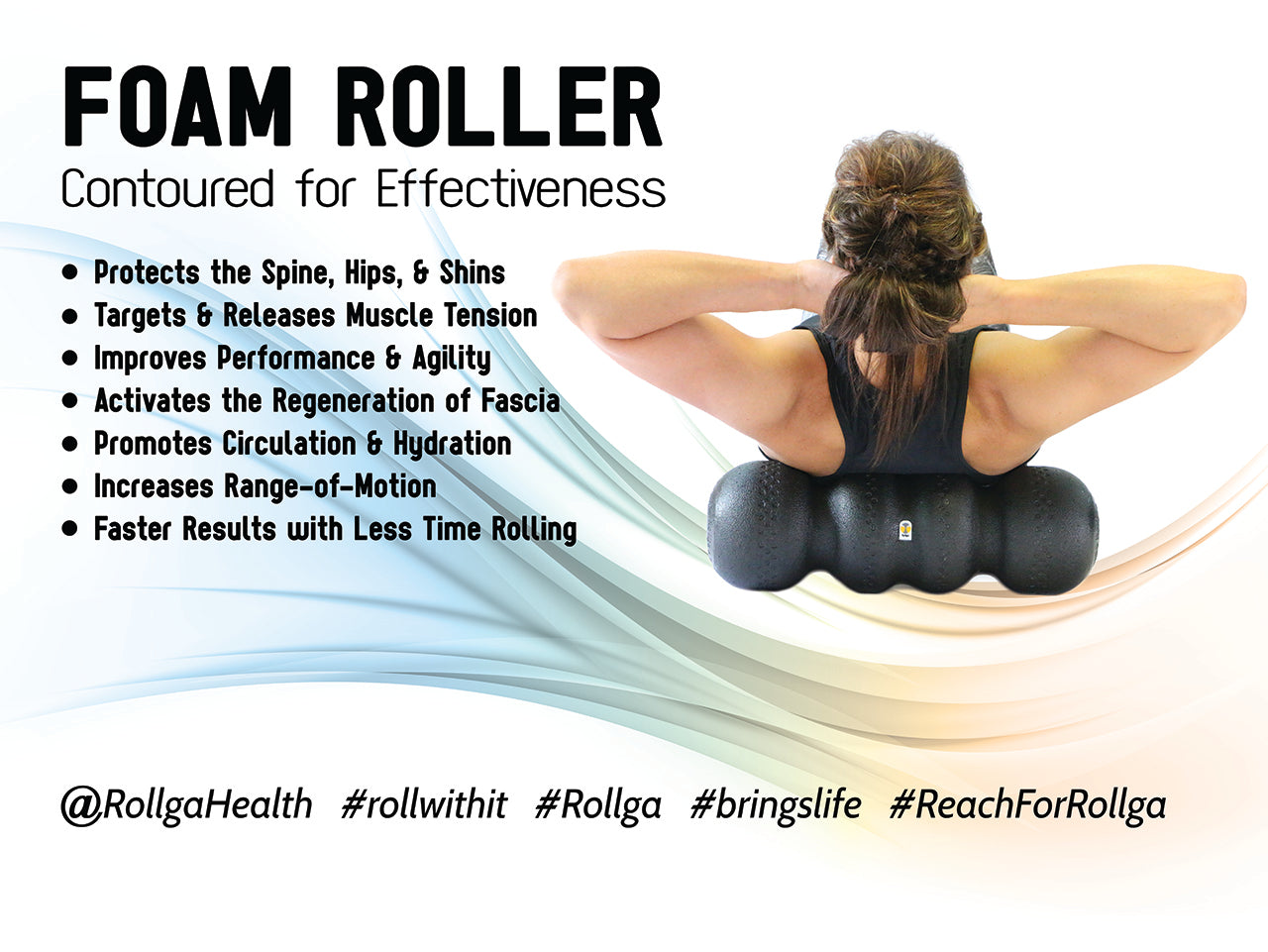
Foam rolling has gained popularity as a simple yet effective technique for self-myofascial release, which can play a crucial role in your fitness routine. It involves using a foam cylinder to apply pressure on various parts of your body, helping to relieve muscle tightness and improve flexibility. But how exactly does foam rolling work, and can it really help prevent injuries?
The Science Behind Foam Rolling
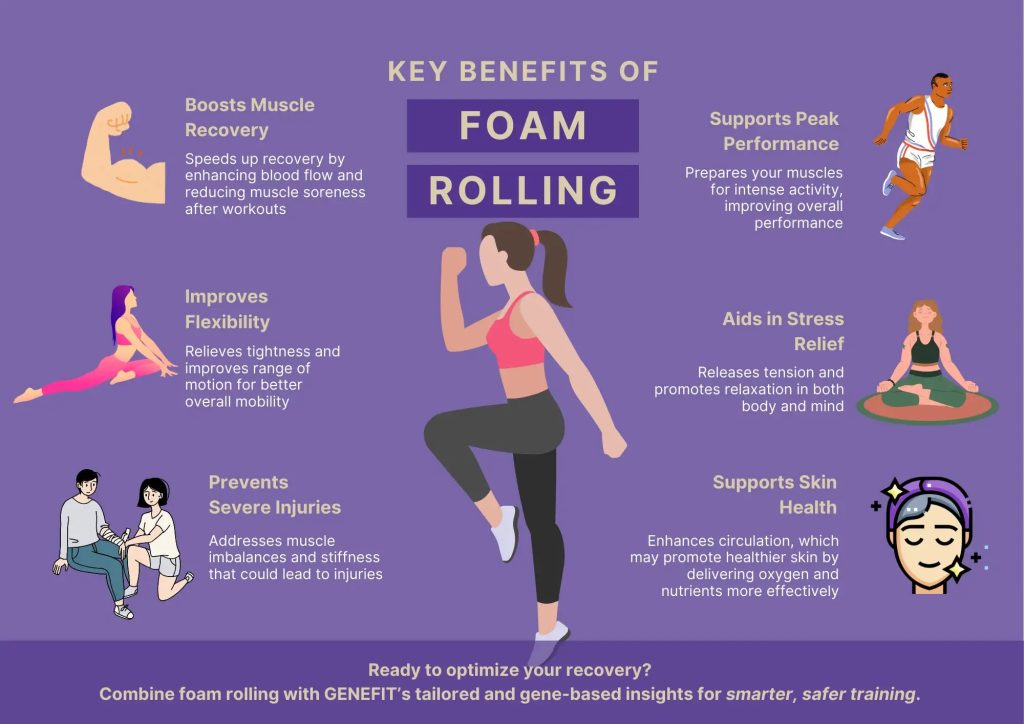
Foam rolling works by breaking up adhesions or knots in your muscles, enhancing blood flow and oxygen delivery. This process helps muscles recover faster after workouts, reducing soreness. Improved circulation also supports nutrient supply, aiding in overall muscle health.
How To Use A Foam Roller Correctly
Using a foam roller effectively requires technique and patience. Start by targeting specific muscle groups, applying gentle pressure. Roll slowly and pause over tender spots to allow muscles to release tension. Consistency is key, so consider incorporating foam rolling into your daily routine.
Benefits Of Regular Foam Rolling
Regular foam rolling can enhance your flexibility and range of motion. This can be particularly beneficial before a workout, preparing your muscles for activity. By keeping your muscles pliable, you reduce the risk of strains and injuries.
Personal Experience With Foam Rolling
Consider the last time you felt muscle tightness after a workout. A few minutes with a foam roller can make a noticeable difference in recovery time. Many athletes swear by foam rolling for its ability to keep them injury-free and performing at their best.
Challenges And Considerations
While foam rolling can be beneficial, it’s important to listen to your body. Applying too much pressure or rolling too quickly can exacerbate soreness. Always seek advice from a professional if you’re unsure about techniques or experience pain.
Foam rolling is more than just a trend; it’s a tool that can empower you to take control of your physical health. As you integrate it into your routine, think about how it impacts your body’s resilience. Are you ready to explore the potential of foam rolling in your fitness journey?
Credit: rollga.com
How Foam Rolling Works
Foam rolling can enhance flexibility and blood flow, potentially reducing the risk of injuries. By targeting muscle tightness and promoting recovery, it may help maintain muscle health and prevent strains.
Foam rolling is a popular technique used by athletes and fitness enthusiasts to support their health. It involves using a cylindrical foam roller to apply pressure on muscles. This practice can improve physical performance and potentially reduce injury risk. Understanding how foam rolling works helps in utilizing its benefits effectively.Muscle Recovery
Foam rolling aids muscle recovery by breaking down tight knots. It helps release tension and soreness after intense workouts. Applying pressure helps in repairing damaged muscle fibers. This process accelerates healing and reduces recovery time. Regular foam rolling can keep muscles healthy and ready for the next challenge.Flexibility Enhancement
Improving flexibility is crucial for preventing injuries. Foam rolling enhances flexibility by stretching muscles. It helps in loosening tight areas, allowing a greater range of motion. Flexible muscles adapt better during physical activities. This reduces the chances of strains and sprains. Consistent use can lead to significant improvements in flexibility.Blood Flow Improvement
Blood flow is essential for muscle health and injury prevention. Foam rolling boosts circulation by stimulating blood vessels. Enhanced blood flow delivers more nutrients and oxygen to muscles. This supports their function and repair process. Better circulation also aids in flushing out toxins, keeping muscles in optimal condition. Regular use promotes overall muscle health.Injury Prevention Claims
Foam rolling may help reduce muscle soreness and improve flexibility. It can enhance blood flow to muscles, potentially lowering the risk of injury. Regular use might aid in maintaining optimal muscle function.
Injury prevention is a key focus for athletes and fitness enthusiasts. Foam rolling has emerged as a popular method in this realm. Many claim it reduces injury risk by improving muscle flexibility and circulation. But do these claims hold up? Let’s delve into the evidence and opinions.Scientific Evidence
Studies have explored foam rolling’s impact on muscles and injury prevention. Research shows foam rolling can increase range of motion temporarily. This may aid in better movement patterns during exercise. Some studies suggest foam rolling reduces muscle soreness post-workout. Less soreness could potentially mean fewer injuries over time. However, solid proof directly linking foam rolling to injury prevention is limited. More research is needed to establish definitive claims.Expert Opinions
Fitness experts often advocate for foam rolling as part of a routine. Many believe it aids in muscle recovery and flexibility. Trainers suggest combining foam rolling with other exercises for best results. Physical therapists might recommend foam rolling to complement injury prevention strategies. While experts support its benefits, they don’t claim it as a sole solution. A balanced approach is usually advised for effective injury prevention.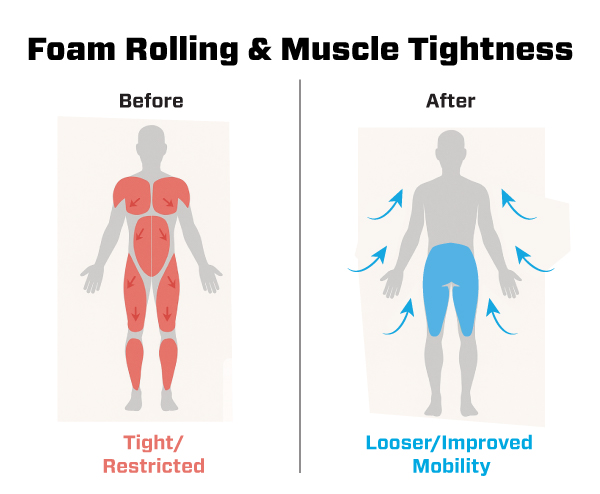
Credit: www.eosfitness.com
Common Misconceptions
Common misconceptions about foam rolling can often lead you astray in your fitness journey. You might have heard various claims about its miraculous benefits, but how much of that is actually true? Let’s debunk some of these myths and get to the bottom of what foam rolling can really do for you.
Foam Rolling As A Cure-all
Many believe that foam rolling is a one-size-fits-all solution for all muscle pains and injuries. However, while foam rolling can improve flexibility and reduce muscle soreness, it is not a magic bullet. It should be part of a comprehensive approach to injury prevention that includes strength training, stretching, and proper nutrition. Have you ever used a foam roller thinking it would instantly fix a nagging injury? It’s time to rethink and broaden your strategy.
Immediate Results Expectation
Another common misconception is expecting immediate results from foam rolling. While you may feel relief after a session, long-term benefits require consistent practice. Just like building muscle or losing weight, patience and persistence are key. Have you given up on foam rolling because you didn’t see instant change? Remember, good things take time, and your body needs regular care to thrive.
Foam Rolling Techniques
Foam rolling can aid muscle recovery, potentially reducing injury risks. It improves flexibility and releases muscle tension, supporting better performance. Regular practice may enhance blood flow, contributing to overall muscle health and reducing soreness after exercise.
Foam rolling techniques are crucial for effective muscle recovery. They can help ease muscle tension and improve flexibility. Knowing the right techniques enhances the benefits of foam rolling. It also reduces the risk of injury. Let’s explore some key aspects of foam rolling techniques.Proper Form
Using proper form is essential for effective foam rolling. Start by placing the foam roller under the target muscle group. Use your body weight to apply pressure. Roll slowly, focusing on tender areas. Keep your movements controlled and consistent. Avoid rolling over joints or bones. Maintain a straight spine and relaxed muscles. This ensures you target muscles effectively.Frequency And Duration
How often and how long you foam roll matters. Roll daily or at least three times a week. Spend 1-2 minutes on each muscle group. Focus on areas that feel tight or sore. Don’t rush the process. Allow time for your muscles to adapt and relax. Consistent practice improves results over time.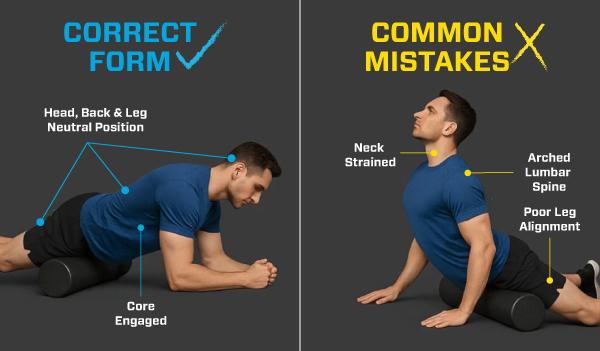
Credit: www.eosfitness.com
Alternatives To Foam Rolling
Foam rolling isn’t the only way to prevent injury. Try stretching exercises to improve flexibility. Massage therapy can also help reduce muscle tension and soreness. Yoga is another option, offering balance and strength benefits.
When muscles feel tight, people often use foam rolling. It’s popular for easing sore muscles. But, it’s not the only method. There are several alternatives to try. These methods can help improve flexibility and reduce tension.Stretching Exercises
Stretching keeps muscles flexible and strong. It helps maintain a good range of motion. Static stretching involves holding a position for a few seconds. This helps lengthen muscles. Dynamic stretching involves movement. It warms up muscles before activity. Both types are effective. They improve flexibility and reduce injury risk. Regular stretching can ease muscle tension and enhance recovery.Professional Therapies
Professional therapies offer another solution. Massage therapy is a popular choice. It helps relax tight muscles. A therapist can target specific areas. They use techniques to improve circulation and reduce pain. Another option is physical therapy. Therapists create personalized plans. These focus on strengthening and flexibility. Chiropractors can also help. They align the spine and relieve pressure. These therapies require professional guidance. They are effective for preventing injuries.Personalizing Your Routine
Personalizing your foam rolling routine can make a big difference. It’s about understanding your needs and goals. Everyone’s body is unique, so a one-size-fits-all approach doesn’t work. Tailoring your routine can enhance effectiveness and reduce the risk of injury.
Listening To Your Body
Your body gives signals that are important to notice. Feel tension or pain? Those are signs to adjust your routine. Pay attention to areas needing more care. Don’t push too hard; gentle pressure is often more effective. Adjust the intensity based on your comfort. Remember, discomfort is normal, but pain means stop.
Incorporating Other Practices
Foam rolling is just one part of a healthy routine. Combine it with stretching for better results. Dynamic stretches before and static stretches after rolling can help. Yoga and Pilates are great additions too. Focus on breathing during these practices. Breathing deeply can enhance relaxation and recovery.
Frequently Asked Questions
How Does Foam Rolling Work?
Foam rolling works by applying pressure to muscles, helping release tension and improve flexibility. It increases blood flow to the area, promoting recovery and reducing muscle soreness. Regular foam rolling can enhance mobility and support injury prevention, making it a useful tool for athletes and fitness enthusiasts.
Can Foam Rolling Replace Stretching?
Foam rolling cannot replace stretching entirely. It complements stretching by targeting muscle knots and improving tissue quality. While stretching enhances flexibility, foam rolling aids in muscle recovery. Both practices are essential for maintaining optimal muscle health and preventing injuries. Incorporating both into your routine is beneficial.
Is Foam Rolling Scientifically Proven?
Foam rolling is supported by scientific research. Studies show it can reduce muscle soreness and improve range of motion. While it may not prevent injuries directly, it contributes to overall muscle health. Combined with proper exercise techniques, it helps in maintaining injury-free physical activity.
How Often Should You Foam Roll?
Foam rolling can be done daily, especially after workouts. Regular sessions help in muscle recovery and flexibility. If you’re new to foam rolling, start with a few times a week. Gradually increase frequency as your body adapts. Consistency is key for effective results and injury prevention.
Conclusion
Foam rolling may help reduce injury risk. It can improve flexibility. Muscles feel relaxed and more agile. This technique boosts blood flow. It aids recovery after workouts. Regular use might enhance your performance. But don’t rely solely on foam rolling.
Combine it with proper training and rest. Listen to your body’s signals. Consult professionals for personalized advice. Balance is key in injury prevention. Explore foam rolling benefits, but stay informed. Your fitness journey needs more than one tool. Make smart choices for your health.
Stay committed and consistent.