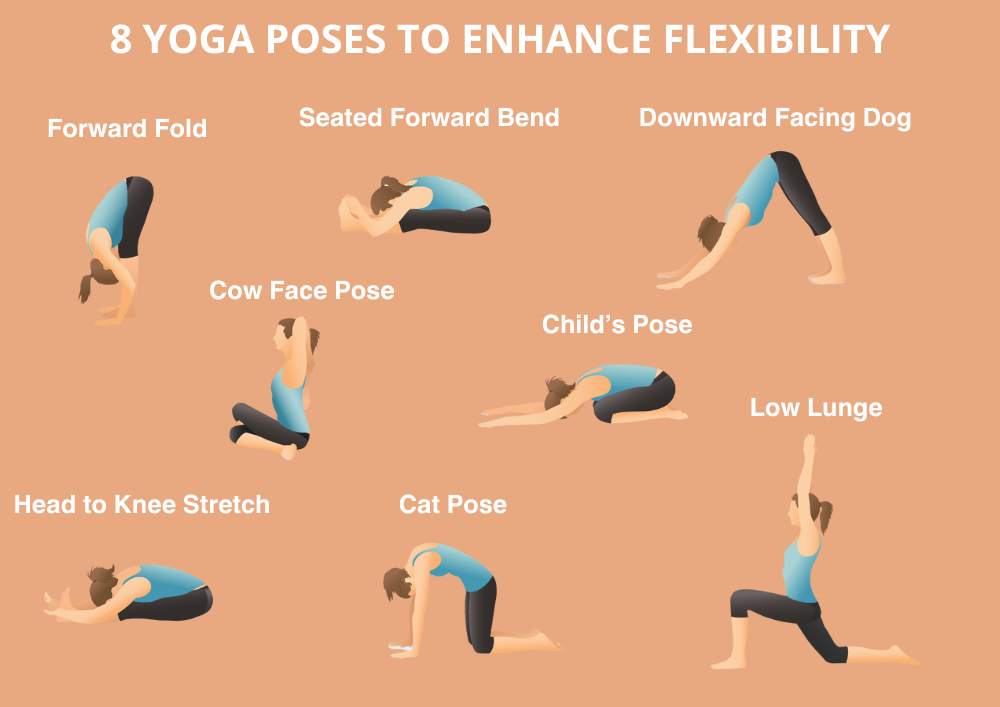
Are you feeling stiff and longing for a more flexible body? You’re not alone.
Many people desire that fluid motion and ease of movement, but aren’t sure where to start. The answer lies in yoga—a time-tested practice that not only calms the mind but also enhances flexibility. Imagine bending down to tie your shoes or reaching for something on a high shelf without discomfort.
With the right type of yoga, these everyday movements can become effortless. You’ll discover the best yoga styles to improve your flexibility, helping you move with grace and ease. Don’t miss out on learning which yoga practices can transform your body and boost your overall well-being. Keep reading to unlock the secrets to a more flexible you.

Credit: www.instagram.com
Benefits Of Yoga For Flexibility
Practicing yoga enhances flexibility through gentle stretching and sustained poses. Styles like Hatha and Vinyasa effectively improve range of motion. Regular sessions help loosen tight muscles, making daily movements easier.
Yoga offers numerous benefits for flexibility. It helps stretch muscles gently, increasing range of motion. Regular practice improves joint health, reducing stiffness. Many yoga poses target specific muscle groups, enhancing overall flexibility. This practice is suitable for all ages, making it accessible to many people. It combines physical movement with breath, promoting relaxation and better muscle function.Improved Range Of Motion
Yoga enhances your range of motion by stretching muscles. It allows joints to move freely, reducing stiffness. This improved motion aids daily activities.Enhanced Muscle Elasticity
Yoga stretches improve muscle elasticity, making muscles more flexible. This elasticity reduces injury risk and aids recovery.Joint Health And Mobility
Yoga promotes joint health by lubricating them with movement. It reduces joint pain and enhances mobility over time.Stress Reduction
Yoga reduces stress, which can tighten muscles. Less stress leads to relaxed muscles, aiding flexibility.Balance And Coordination
Yoga improves balance and coordination, essential for flexibility. It strengthens muscles, supporting flexible movement.Mind-body Connection
Yoga strengthens the mind-body connection, aiding muscle control. Better control leads to improved flexibility.Posture Improvement
Yoga corrects posture, relieving tension. Improved posture leads to better flexibility and movement.Increased Blood Circulation
Yoga increases blood circulation, nourishing muscles. Improved circulation aids flexibility and muscle health.Understanding Flexibility In Yoga
Understanding flexibility in yoga involves exploring poses like the Downward Dog and Pigeon Pose. These enhance muscle stretch and joint movement, promoting better flexibility over time.
Understanding Flexibility in Yoga Yoga is a powerful practice for enhancing flexibility. It involves stretching and strengthening muscles. This leads to improved mobility and range of motion. Flexibility in yoga is not just about bending or twisting the body. It involves a harmonious balance between muscle length and joint movement. Yoga helps in releasing tension and stress. It encourages a deeper awareness of the body’s capabilities. Practicing yoga regularly can significantly increase flexibility over time.What Flexibility Means In Yoga
Flexibility in yoga refers to the ability to move muscles and joints easily. It is the capacity to stretch without discomfort. It doesn’t mean pushing your body beyond its limits. Flexibility allows for smoother transitions between poses.Benefits Of Flexibility In Yoga
Improved flexibility in yoga offers numerous benefits. It reduces the risk of injury during physical activities. It enhances posture and balance. Flexibility promotes better circulation. It aids in relieving muscle soreness and tension. It contributes to a more relaxed and peaceful mind.Key Poses For Enhancing Flexibility
Certain yoga poses are particularly effective for boosting flexibility. These poses target different muscle groups. They include forward bends, twists, and stretches. They help in opening up tight areas in the body. Regular practice of these poses leads to gradual improvement. Here are a few examples:- Downward Facing Dog
- Cobra Pose
- Triangle Pose
- Seated Forward Bend
Tips For Improving Flexibility Through Yoga
Improving flexibility requires patience and consistency. Start with gentle stretches. Gradually increase intensity as your body adapts. Focus on breathing deeply during poses. This helps in releasing tension. Listen to your body and avoid overstraining. Regular practice, even for a few minutes a day, is beneficial.Top Yoga Poses For Flexibility
Yoga is effective for enhancing flexibility. Poses like Downward Dog and Cobra stretch muscles gently. Regular practice improves range of motion and reduces stiffness.
Yoga is a wonderful way to increase flexibility. It stretches and strengthens the body. Various poses target different muscle groups. This can enhance your range of motion. Here are some top yoga poses to improve flexibility.Downward-facing Dog
This pose stretches the entire body. It targets the hamstrings and calves. It also strengthens the shoulders and arms. Start on your hands and knees. Lift your hips towards the ceiling. Keep your back straight. Hold for a few breaths.Cat-cow Stretch
This pose warms up the spine. It increases flexibility in the back and neck. Begin on all fours. Alternate between arching and rounding your back. Move gently with your breath.Seated Forward Bend
This pose stretches the spine and hamstrings. Sit with legs straight. Reach forward and try to touch your toes. Keep your back flat. Breathe deeply and relax.Triangle Pose
This pose stretches the legs, hips, and spine. Stand with feet wide apart. Extend one arm to the side. Reach the other arm towards the ceiling. Keep both legs straight. Hold and switch sides.Pigeon Pose
This pose opens the hips deeply. Start in a plank position. Bring one knee forward. Lay the shin across the mat. Extend the other leg back. Sink into the stretch and breathe.
Credit: www.youtube.com
Breathing Techniques To Enhance Flexibility
Practicing yoga can significantly improve flexibility. Breathing techniques play a crucial role in enhancing these benefits. Techniques like deep belly breathing help relax muscles, allowing for deeper stretches.
Breathing Techniques to Enhance Flexibility Breathing is more than just an inhale and exhale; it’s a powerful tool to deepen your yoga practice and improve flexibility. Have you ever noticed how your breath changes when you stretch? By aligning your breath with movement, you can increase your range of motion and release tension. Let’s explore how breathing techniques can be your secret weapon for achieving greater flexibility.Deep Diaphragmatic Breathing
Engage your diaphragm to take deep breaths. This technique helps expand your rib cage and relax muscles, making it easier to stretch. Try it while doing seated forward bends. You’ll notice your muscles softening as you breathe deeply.Ujjayi Breathing
Ujjayi, also known as “victorious breath,” involves a slight constriction at the back of your throat. It creates a soothing sound, aiding in concentration. Use Ujjayi breath to maintain focus in challenging poses. Feel your body surrender to the stretch with each breath.Alternate Nostril Breathing
This technique balances energy and calms the mind, which is crucial during intense stretches. Alternate nostril breathing can help you stay centered and present. Try this before attempting a deep hip opener. You’ll find it easier to let go of tension and deepen the pose.Belly Breathing In Child’s Pose
Child’s pose is a resting posture that pairs well with belly breathing. As you breathe into your belly, feel your lower back and hips release. This is perfect for winding down after a yoga session. You’ll notice a gentle increase in flexibility over time.Breath Syncing With Movement
Syncing breath with movement can enhance your flexibility. Inhale as you prepare for a stretch and exhale as you deepen it. Incorporate this technique in a sun salutation sequence. You’ll notice how each breath helps you reach further in each pose. Breathing techniques are not just about oxygen intake; they are about finding ease in your practice. They encourage you to listen to your body and embrace your limitations. So, what changes will you notice when you consciously connect your breath with movement?Incorporating Props For Better Stretching
Using props like blocks and straps enhances yoga stretches. They help improve flexibility and allow deeper poses safely.
Incorporating props into your yoga routine can enhance flexibility. Props provide support, making it easier to achieve deeper stretches. They also help maintain proper alignment, reducing the risk of injury. This approach is especially beneficial for beginners or those with limited flexibility. Using props allows you to focus on your breath and relaxation. Below, discover how different props can aid in better stretching.Using Yoga Blocks For Enhanced Stretching
Yoga blocks are versatile tools. They can be placed under hands, feet, or hips. This supports the body in various poses. Blocks help reach the floor in standing stretches. They are perfect for seated forward bends, offering a gentle lift.Straps For Deepening Flexibility
Yoga straps extend your reach. Wrap them around feet for seated forward bends. They help pull the body closer to the legs. Straps are useful in poses requiring clasping hands behind the back. They are also great for shoulder stretches.Bolsters For Gentle Support
Bolsters provide comfort and support. They are ideal for restorative poses. Use them under the back in heart-opening stretches. Bolsters support the knees in seated forward bends. They help relax the body, allowing deeper stretches.Blankets For Versatile Use
Blankets add padding and warmth. Fold them for extra support under the knees. Use them to cushion the head in supine poses. Blankets can also be rolled for neck support. They are useful in seated poses for added height.Walls For Stability And Alignment
Walls offer extra stability. Use them for support in balancing poses. They help maintain alignment in standing stretches. Walls are great for shoulder and hip openers. They provide a solid surface to push against.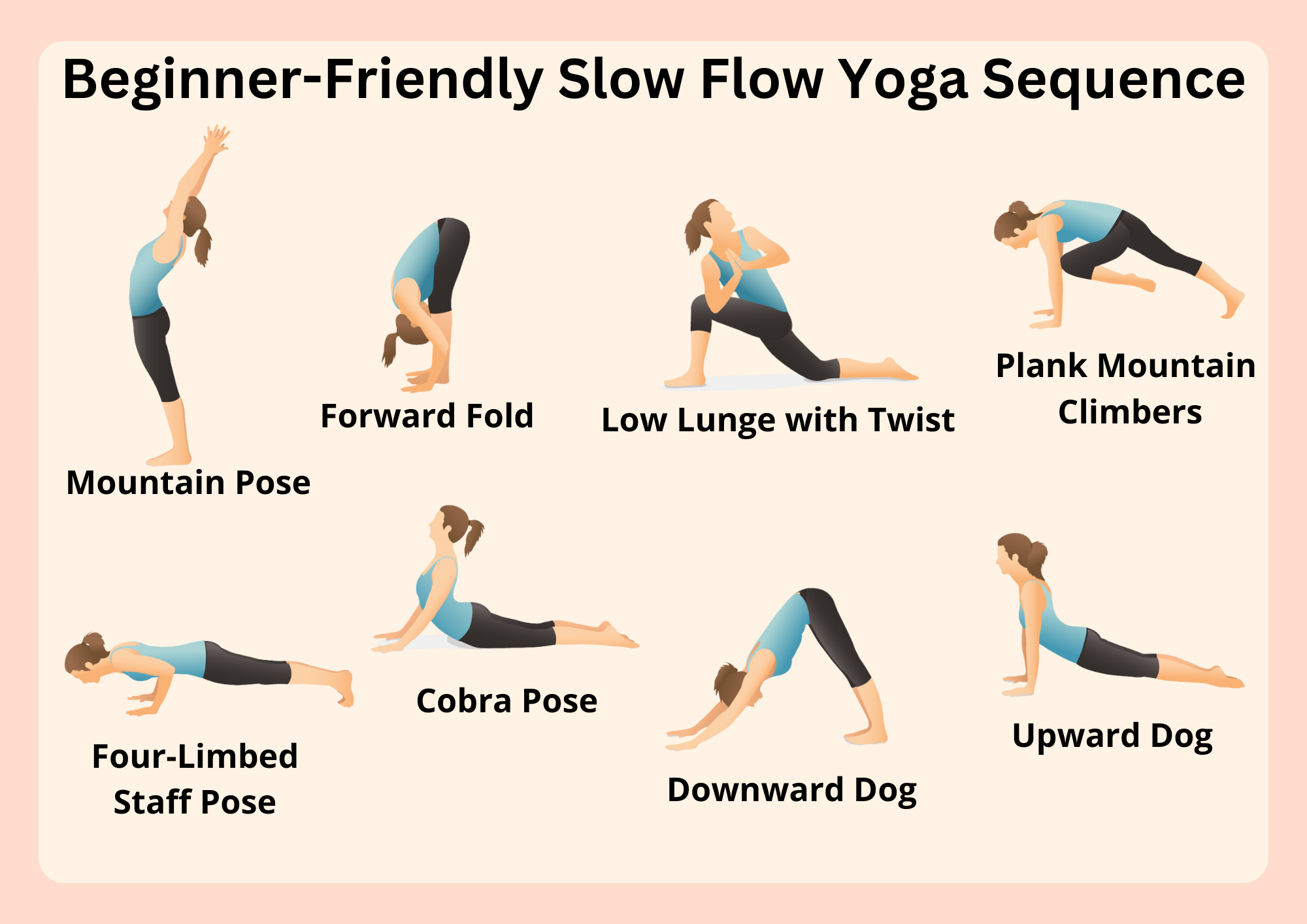
Credit: myyogateacher.com
Creating A Flexibility Routine
Creating a flexibility routine through yoga is a rewarding journey. It’s about finding what works for you and integrating it into your daily life. Just like brushing your teeth, making yoga a regular habit can significantly improve your flexibility.Start with simple poses that you can easily fit into your schedule. Even a few minutes a day can make a difference. Consistency is key, so find a time that suits you, whether it’s morning, noon, or night.
Identify Your Flexibility Goals
Begin by pinpointing specific areas you want to improve. Whether it’s touching your toes or achieving a deeper backbend, having clear goals can keep you motivated. Write them down and track your progress weekly.
Select Beginner-friendly Poses
Choose poses that target your flexibility goals. Poses like the Forward Fold, Cat-Cow, and Butterfly are great for beginners. They gently stretch your muscles without overwhelming you.
Incorporate Dynamic Stretches
Dynamic stretches are active movements that prepare your body for yoga. They increase blood flow and warm up your muscles. Consider adding leg swings or arm circles before starting your routine.
Listen To Your Body
Pay attention to what your body is telling you. If a pose feels too challenging, modify it or try an easier variation. Avoid pushing yourself to the point of pain; discomfort is normal, but pain is not.
Track Your Progress
Keep a journal to note improvements and setbacks. Celebrate small victories like holding a pose longer or reaching further. These milestones can boost your confidence and encourage you to continue.
Stay Consistent
Commit to practicing regularly, even if it’s just ten minutes a day. Consistency builds muscle memory and improves flexibility over time. Make yoga a non-negotiable part of your routine.
Remember, flexibility is not a destination but a journey. What small change can you make today to start improving your flexibility? Let your yoga mat be a place of growth and discovery.
Common Mistakes To Avoid
Ignoring proper alignment can lead to discomfort and injuries. Overstretching should be avoided to prevent muscle strain. Not warming up adequately can hinder flexibility progress.
Yoga is a powerful tool for improving flexibility. Many people jump into yoga expecting instant results. This eagerness often leads to common mistakes. Avoiding these can enhance your practice and prevent injury. Understanding what not to do is just as important as mastering poses. Let’s explore some common missteps and learn how to sidestep them.Overstretching Your Muscles
Overstretching can lead to serious injuries. Listen to your body and recognize its limits. Pushing beyond comfortable limits can strain muscles. Focus on gradual progress. Flexibility increases with time and consistent practice. Patience is key.Ignoring Proper Form
Proper form is crucial for effective yoga practice. Poor alignment can lead to discomfort or injury. Pay attention to instructors or guides. Correct form ensures that stretches are effective. Quality over quantity should be the mantra.Skipping Warm-ups
Warm-ups prepare the body for deeper stretches. Skipping them can make muscles stiff and prone to injury. Engage in simple movements before diving into complex poses. A proper warm-up enhances flexibility and reduces risks.Holding Your Breath
Breathing is central to yoga. Holding breath disrupts flow and concentration. Deep breathing aids relaxation and extends stretches. Coordinate breath with movement for maximum benefit. This enhances flexibility and reduces tension.Not Using Props
Props like blocks or straps can aid flexibility. Many avoid them thinking they are for beginners. Using props helps achieve correct posture and deeper stretches. Embrace these tools for better balance and support.Comparing Yourself To Others
Comparison can lead to frustration. Everyone’s body is different. Focus on personal growth and comfort. Yoga is a personal journey. Celebrate small achievements and progress.Progress Tracking And Improvement
Progress tracking in yoga helps monitor flexibility improvement. Poses like Downward Dog and Cobra enhance flexibility effectively. Regular practice leads to gradual progress.
Yoga is a wonderful practice for enhancing flexibility. It helps you become more limber and agile. Tracking progress in yoga is essential for improvement. It motivates you and shows how far you’ve come. You can see changes in your body’s flexibility over time.Setting Realistic Goals
Creating achievable goals is important. Start with small targets. Aim to hold a pose longer. Stretch a bit further each week. This builds confidence and sets a clear path. Write down your goals to stay focused.Using A Yoga Journal
A yoga journal is a useful tool. It helps track daily practice. Record poses, duration, and feelings. Note what works well and what needs improvement. Over time, you’ll see patterns and progress.Regular Self-assessment
Assess your flexibility regularly. Check how far you can stretch. Test how long you hold poses. Compare results with previous weeks. Self-assessment shows improvement and areas needing more focus.Seeking Feedback From Instructors
Yoga instructors offer valuable feedback. They observe your poses closely. They suggest corrections and improvements. Their expertise helps refine your practice. Regular feedback accelerates your progress.Celebrating Milestones
Celebrate every milestone. Reaching a goal is worth celebrating. It boosts motivation and happiness. Share your achievements with friends. Celebrating keeps your journey exciting and rewarding.Frequently Asked Questions
What Are The Best Yoga Poses For Flexibility?
Yoga poses like Downward Dog, Pigeon, and Seated Forward Bend are excellent for flexibility. These poses stretch key muscle groups, enhancing range of motion. Regular practice helps improve flexibility and mobility. Start slowly and increase intensity as your flexibility improves.
Can Beginners Improve Flexibility With Yoga?
Yes, beginners can improve flexibility with yoga. It’s a gentle way to stretch muscles and increase range of motion. Start with basic poses and gradually progress. Consistent practice leads to noticeable improvements in flexibility and overall body awareness.
How Often Should I Practice Yoga For Flexibility?
Practicing yoga 3-4 times a week is ideal for flexibility. Regular sessions help maintain and enhance flexibility. Consistent practice also aids in muscle recovery and prevents stiffness. Listen to your body and adjust frequency based on your comfort level.
Does Yoga Flexibility Vary With Age?
Yoga flexibility can vary with age, but improvements are possible at any stage. Older adults may experience slower progress. However, consistent practice can enhance flexibility, balance, and joint health. Tailor poses to suit your needs and limitations for optimal results.
Conclusion
Yoga boosts flexibility with gentle poses and consistent practice. It helps stretch muscles, easing tension and improving range of motion. Styles like Hatha and Vinyasa focus on flexibility. They encourage longer, deeper stretches. Regular yoga practice also promotes better posture.
Plus, it strengthens the core and enhances balance. Each session leaves you feeling relaxed and refreshed. Remember to breathe deeply and move slowly. Listen to your body for best results. Flexibility improves gradually, with patience and dedication. Yoga is a journey, not a race.
Start today, and enjoy each step forward.