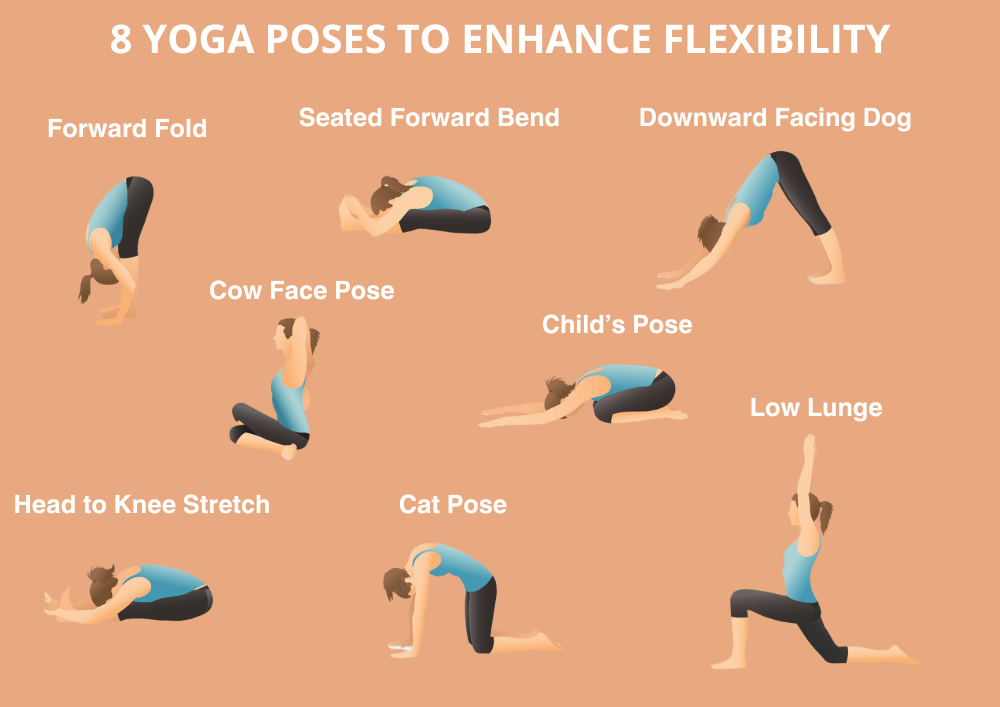
Have you ever wondered why people rave about yoga’s ability to improve flexibility? Imagine moving freely without the stiffness or aches that slow you down.
Flexibility isn’t just for yogis or athletes; it’s for anyone who wants to feel more at ease in their own body. By understanding what yoga does for your flexibility, you unlock the secret to a more agile, comfortable, and youthful self.
You’ll discover how yoga can transform your physical limits and why it might be the missing piece in your daily routine. Ready to explore how you can stretch beyond the ordinary? Keep reading to find out!
Benefits Of Yoga For Flexibility
Yoga isn’t just about achieving the perfect pose or mastering your breathing. It’s a powerful practice that can significantly enhance your flexibility, offering benefits that extend far beyond the mat. Whether you’re a seasoned yogi or a curious beginner, understanding how yoga improves flexibility can inspire you to integrate it into your routine. Let’s break down the benefits and see how yoga stretches your limits, both physically and mentally.
Physical Advantages
Yoga helps lengthen muscles and increase joint mobility. This means less stiffness and a greater range of motion in your daily activities. Imagine being able to reach for items in high places or bend down effortlessly without straining. The poses in yoga target specific muscle groups, gradually easing tension and promoting elasticity.
Regular practice can also lead to better posture. As your flexibility improves, your body aligns more naturally, reducing strain on your back and neck. You’ll notice that sitting or standing for extended periods becomes more comfortable.
Mental And Emotional Impact
Flexibility isn’t just physical; it’s mental too. Yoga encourages you to push past perceived limits, fostering resilience and adaptability. Consider how this mental flexibility could affect your daily life. Are there areas where you’re stuck, resisting change?
With improved flexibility comes enhanced self-awareness. You become attuned to your body’s signals, identifying stress and tension. This mindfulness helps in managing emotions, leading to a more balanced and calm state of mind. You may find that challenges become less daunting as your mental flexibility grows.

Credit: www.youtube.com
Types Of Yoga For Flexibility
Yoga enhances flexibility by stretching muscles gently. Styles like Hatha, Vinyasa, and Yin focus on improving range of motion. Regular practice helps joints stay healthy and reduces stiffness.
Yoga is an excellent way to enhance flexibility. Different types of yoga offer unique approaches to stretching and bending. Choosing the right style can make a significant difference in your flexibility journey. Let’s explore some popular yoga types that are particularly effective.Hatha Yoga
Hatha Yoga focuses on basic poses. It emphasizes alignment and breathing. This style is perfect for beginners. It allows you to slowly stretch your muscles. Each pose is held for several breaths. This helps your muscles relax and lengthen. Regular practice increases your overall flexibility over time.Vinyasa Yoga
Vinyasa Yoga is dynamic and fast-paced. It involves flowing movements. Each movement is linked with a breath. This style builds strength and flexibility together. It helps to stretch muscles in a fluid way. You engage multiple muscle groups at once. Vinyasa offers a full-body workout, enhancing flexibility.Yin Yoga
Yin Yoga is slow and meditative. Poses are held for longer periods. This style targets deep connective tissues. It helps in releasing tension and stress. The long holds improve joint mobility. Yin Yoga is great for increasing flexibility. It allows your body to open up naturally.Essential Poses For Flexibility
Yoga is a wonderful practice for enhancing flexibility. It helps muscles become more supple. Certain poses are especially effective in improving flexibility. These poses stretch and lengthen muscles. They also increase range of motion. Practicing these poses regularly can greatly boost your flexibility. Below are essential poses to incorporate into your routine.
Downward Dog
The Downward Dog pose stretches the entire body. It targets hamstrings and calves. Begin on your hands and knees. Lift your hips up, forming an inverted “V” shape. Keep your hands shoulder-width apart. Focus on pressing heels toward the ground. This pose elongates the spine and opens up the shoulders.
Cobra Pose
Cobra Pose helps open up the chest and spine. Lie face down with palms near your shoulders. Gently lift your chest off the ground. Keep your elbows close to your body. Your gaze should be forward. This pose strengthens the back while increasing flexibility in the spine.
Pigeon Pose
Pigeon Pose deeply stretches the hip region. Begin in a kneeling position. Slide one leg forward, placing the knee behind the wrist. Extend the other leg straight back. Keep your hips square and the front foot flexed. This pose releases tension in the hips and improves flexibility.
Integrating Breath And Movement
Integrating breath and movement in yoga enhances flexibility. This practice helps muscles relax and stretch. Deep breathing supports body alignment, promoting greater range of motion.
Integrating breath and movement is a core aspect of yoga that significantly enhances flexibility. While many focus on the physical postures, the harmony between breath and movement is where true transformation begins. This synergy allows your body to flow smoothly, making each pose more accessible and effective. When you consciously link your breathing with your movements, you create a rhythm that not only improves your range of motion but also brings a sense of calm and focus.Breath Awareness
Breath awareness in yoga is about noticing the natural rhythm of your breath and using it to support your movements. As you inhale, visualize your body opening up and creating space. With each exhale, let go of tension and sink deeper into the pose. Try this: during your next yoga session, pay close attention to how your breath changes with each pose. Does it become shallow or quick? By slowing down and deepening your breath, you can enhance your flexibility and stay present in the moment.Flow And Transition
Flow and transition in yoga involve moving seamlessly from one pose to another, using your breath as a guide. This is where yoga becomes a moving meditation. Each transition should feel like an extension of the previous pose, not a separate movement. Consider a simple sequence like Sun Salutations. Notice how the breath naturally dictates the pace of each transition—inhale as you reach up, exhale as you fold forward. This fluidity not only boosts flexibility but also nurtures a sense of grace and balance. Have you ever noticed how your body feels more open and less resistant when you move with your breath? This connection is key to unlocking greater flexibility and a more mindful practice. Integrating breath and movement helps you become more attuned to your body’s signals, ultimately enhancing your yoga experience.Building A Consistent Practice
Yoga enhances flexibility by gently stretching muscles and improving range of motion. Regular practice helps reduce stiffness and increases overall mobility. It fosters better posture and alignment, promoting physical ease and balance.
Building a consistent yoga practice is crucial for enhancing flexibility. Many people start yoga with excitement but struggle to maintain regular sessions. Consistency is key to seeing real progress and achieving long-lasting flexibility. By setting clear goals and creating a routine, you can transform yoga into a lifelong habit.Setting Goals
Goals give you direction and motivation. Define what flexibility means to you. Is it touching your toes or mastering a challenging pose? Write down your goals and keep them visible. This visual reminder can inspire you to keep pushing forward, even on tough days. Break down larger goals into smaller, achievable steps. Celebrate each milestone to keep your motivation high.Creating A Routine
A routine helps embed yoga into your daily life. Choose specific days and times for your practice, treating them as non-negotiable appointments with yourself. Mix up your routine to keep it exciting. Try different styles of yoga or focus on various body parts to prevent boredom. Consistency doesn’t mean rigidity. If life gets in the way, adapt your routine, but avoid abandoning it altogether. Remember, even a short session can make a difference. How do you ensure your yoga practice is consistent? Share your tips and experiences in the comments below!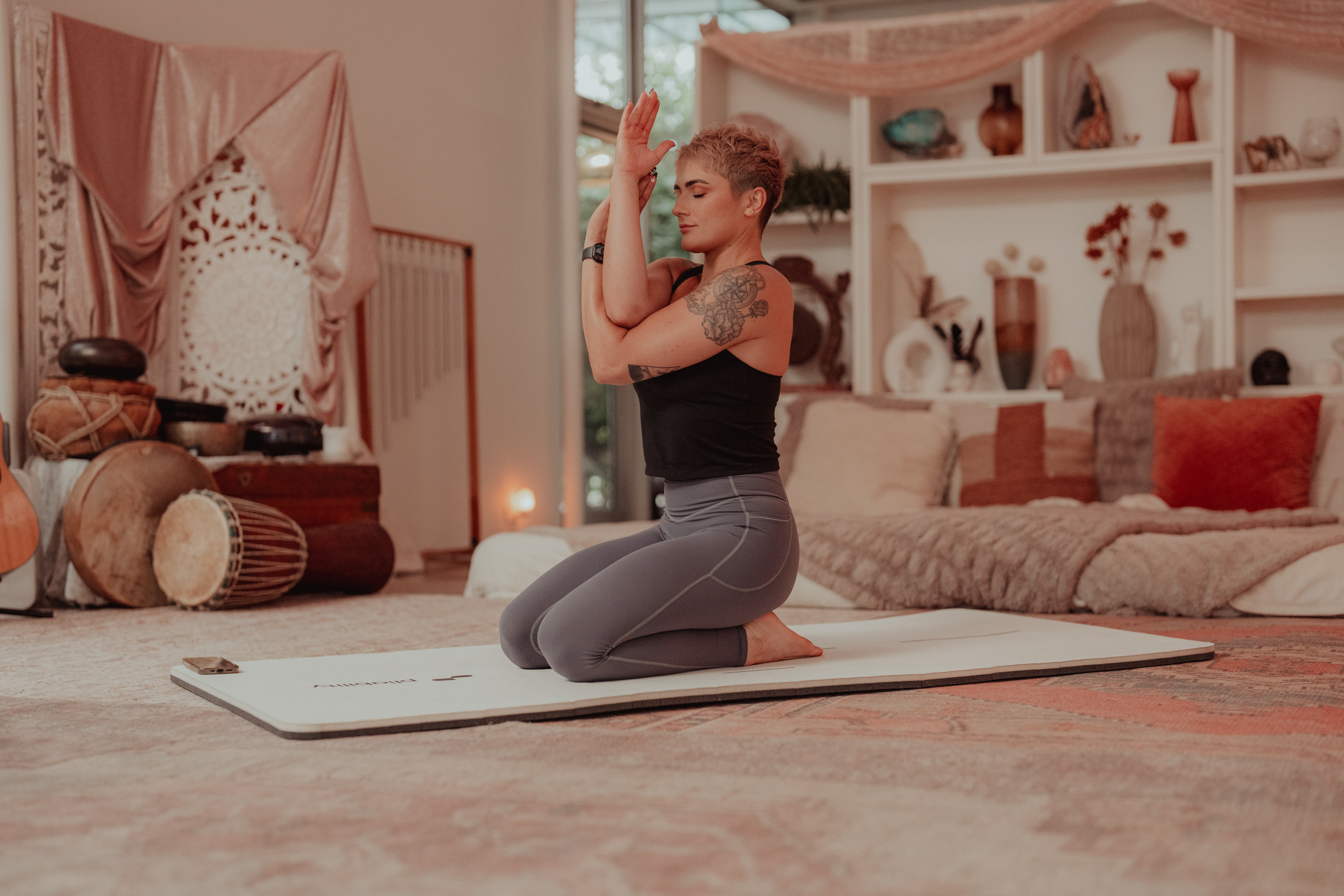
Credit: pliability.com
Overcoming Challenges In Flexibility
Flexibility is a crucial component of yoga that often presents challenges, especially for beginners. As you embark on your yoga journey, overcoming these challenges can lead to a more fulfilling practice. Whether you are dealing with stiffness or aiming to prevent injury, understanding and addressing these hurdles can significantly enhance your flexibility.
Dealing With Stiffness
Stiffness can be a common barrier when starting yoga. Have you ever tried to touch your toes and felt like your muscles were resisting? This resistance is natural, especially if you’ve been inactive or haven’t stretched regularly.
- Start with gentle stretches that gradually increase in intensity.
- Incorporate movements that focus on tight areas, like hamstrings and lower back.
- Consistency is key. Regular practice can help your muscles become more supple over time.
Finding the balance between pushing yourself and respecting your body’s limits is essential. Listen to your body and adjust your practice accordingly.
Preventing Injury
Flexibility should enhance your well-being, not lead to injuries. How can you ensure safety while improving your range of motion?
- Warm up properly before diving into deeper stretches.
- Use props like blocks or straps to support your body during challenging poses.
- Focus on alignment and posture to prevent strain.
Consider the guidance of a qualified yoga instructor to help navigate complex poses safely. Prioritizing safety can lead to a sustainable and rewarding yoga practice.
Enhancing Flexibility Beyond Yoga
Yoga improves flexibility by stretching muscles and joints. Practicing regularly enhances range of motion and reduces stiffness. Integrating yoga in daily routines promotes overall physical ease and comfort.
Enhancing flexibility isn’t limited to just practicing yoga. While yoga is a fantastic way to stretch and improve your range of motion, other factors can play a significant role in boosting your flexibility. Consider how your daily habits, such as diet and exercise, contribute to your overall flexibility. Let’s dive deeper into how you can enhance flexibility beyond yoga practice.Nutrition And Hydration
Your diet can greatly impact your flexibility. Eating foods rich in omega-3 fatty acids, like salmon and walnuts, supports joint health. Leafy greens and colorful vegetables are packed with antioxidants that reduce inflammation, allowing for greater ease of movement. Staying hydrated is equally important. Water helps maintain the elasticity of muscles and joints. Are you drinking enough water throughout the day to support your body’s flexibility?Cross-training Activities
Engaging in various physical activities can complement your yoga practice. Consider swimming, which is gentle on your joints and stretches your muscles in a different way. Dancing is another excellent option that combines fun with flexibility-enhancing movements. Strength training, although often overlooked, plays a crucial role too. Building muscle strength can support your joints and improve your overall range of motion. Have you tried incorporating different workouts to see how they affect your flexibility? Remember, enhancing your flexibility is a holistic journey. By paying attention to your nutrition and hydration, and incorporating cross-training activities, you can achieve a more balanced and flexible body.
Credit: www.youtube.com
Frequently Asked Questions
How Does Yoga Improve Flexibility?
Yoga enhances flexibility by stretching muscles and increasing joint range. Regular practice reduces stiffness and promotes fluid movement. It helps lengthen muscles and improves posture, which contributes to better overall flexibility. Incorporating yoga into your routine can lead to noticeable improvements in flexibility over time.
Can Beginners Increase Flexibility With Yoga?
Yes, beginners can increase flexibility with yoga. Yoga is adaptable and suitable for all skill levels. Simple poses gradually improve flexibility, making it accessible to newcomers. Consistent practice helps beginners develop flexibility safely and effectively without overexertion.
How Often Should I Do Yoga For Flexibility?
Practicing yoga three to five times a week enhances flexibility. Regular sessions, even short ones, boost flexibility. Consistency is key to seeing improvement. It’s important to listen to your body and adjust frequency based on your comfort and progress.
Does Yoga Help With Muscle Stiffness?
Yoga effectively reduces muscle stiffness by stretching and relaxing tight muscles. It targets areas prone to stiffness, improving mobility. Regular practice promotes muscle elasticity, reducing discomfort. Deep breathing during poses also aids in relaxation and alleviating stiffness.
Conclusion
Yoga boosts flexibility and enhances physical well-being. Stretching regularly helps joints. It increases range of motion. Muscles become more relaxed, reducing tension. Improved flexibility aids posture. It also prevents injuries. A more flexible body leads to better balance. Everyday activities become easier.
Yoga supports mental calmness too. Practicing yoga regularly enhances both mind and body. Flexibility contributes to a healthier lifestyle. It creates a sense of peace and balance. Embrace yoga for a flexible, healthier you. Your body will thank you. Start your yoga journey today.
Enjoy the benefits of increased flexibility.