Are you stepping into the gym, feeling a mix of excitement and uncertainty about where to start? You’re not alone.
Finding a workout routine that fits your goals and lifestyle can feel overwhelming. But don’t worry – we’re here to simplify it for you. Imagine a workout plan tailored just for you, one that not only meets your fitness goals but also energizes and motivates you to come back for more.
By the end of this article, you’ll have a clear understanding of what makes a workout routine effective and how to create one that you’ll love. Whether you’re a gym newbie or a seasoned fitness enthusiast looking to shake things up, this guide will help you unlock the secrets to a successful workout routine. So, are you ready to discover your perfect gym plan? Let’s dive in and transform your fitness journey together!

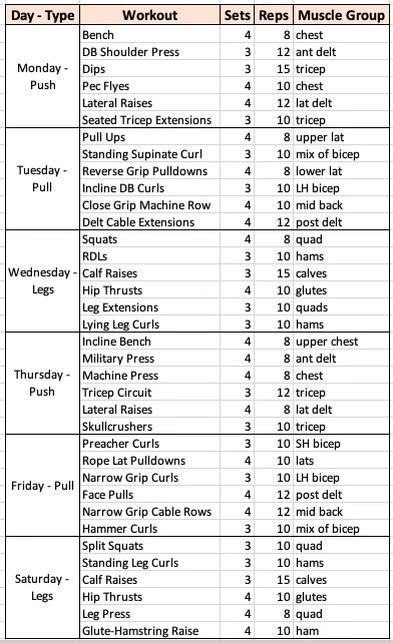
Credit: www.pinterest.com
Choosing The Right Routine
Finding a workout routine that fits personal goals and fitness level is essential. Focus on a balance of cardio, strength, and flexibility exercises for overall health and improvement. Adjust intensity and duration to match your progress and keep motivated.
Choosing the right workout routine at the gym can be challenging. It requires understanding your personal needs and preferences. A well-chosen routine keeps you motivated and helps achieve your fitness goals. Consider the following aspects to find the best routine for you.Assessing Fitness Goals
Start by identifying what you want to achieve. Do you aim to lose weight, build muscle, or increase stamina? Different goals need different routines. Weight loss might focus on cardio exercises. Muscle building often involves strength training. Stamina improvement benefits from endurance workouts. Clarity in goals helps tailor your routine effectively.Considering Time And Commitment
Evaluate how much time you can dedicate to the gym. Consistency is key for progress. If you have limited time, focus on full-body workouts. They maximize efficiency and results. More available time allows for targeted exercises. Balance your routine with your lifestyle. Ensure it fits into your schedule comfortably.Understanding Personal Limitations
Consider any physical limitations or health concerns. Safety should always come first. Avoid routines that may aggravate injuries or conditions. Choose exercises that align with your physical capabilities. Consult a fitness professional if unsure. They can help adapt routines to your needs. This ensures a safe and effective gym experience.
Credit: www.reddit.com
Strength Training Essentials
Strength training is the cornerstone of any gym routine. It builds muscle, enhances endurance, and boosts your overall fitness level. Understanding the essentials of strength training can transform your workouts from just lifting weights to a strategic muscle-building powerhouse. Whether you’re aiming for a toned physique or increased strength, focusing on the fundamentals will guide you towards your fitness goals effectively.
Core Muscle Groups
When you step into the gym, it’s crucial to target the right muscle groups. The core muscles include your chest, back, shoulders, arms, and legs. Each of these plays a pivotal role in your body’s performance and aesthetics. Neglecting any can lead to imbalances and limit your progress.
Imagine your workout as a balanced meal; you wouldn’t skip the protein, right? Similarly, ensure each muscle group is getting its fair share of attention. An evenly distributed workout plan helps in achieving a well-rounded physique.
Effective Exercises
Choosing the right exercises is a game-changer. The classics like squats, deadlifts, bench press, and pull-ups are timeless for a reason. They engage multiple muscle groups, maximizing efficiency.
Don’t shy away from compound movements; they’re your best friends in the gym. They not only save time but also enhance muscle coordination and increase strength across the board. What exercises make you feel unstoppable?
Rep And Set Recommendations
The magic number of reps and sets can vary based on your goals. For strength building, aim for 4-6 reps with heavier weights and 3-5 sets. If muscle endurance is your target, increase the reps to 12-15 with lighter weights.
Consistency is key. Stick to your plan for a few weeks before reassessing. You’ll start noticing changes in your strength and endurance, motivating you to push further. Are you ready to test your limits?
Incorporating Cardio
Incorporating cardio into your gym workout routine can transform your fitness journey. It’s not just about losing weight; cardio boosts your heart health and improves endurance. Imagine the satisfaction of climbing stairs without losing breath or running after your kids without tiring. Let’s dive into the specifics of cardio workouts that you can add to your routine.
Cardio Options
Cardio exercises come in various forms, each offering unique benefits. You can hit the treadmill for a high-intensity run or opt for a gentler jog. If machines aren’t your thing, try the elliptical or stair climber for a different challenge. Group classes like Zumba or spinning can make cardio feel less like a workout and more like a party. If you enjoy variety, mix up different exercises each week to keep things exciting.
Benefits Of Cardio
Cardio exercises are a powerhouse for your body. They improve cardiovascular health by strengthening your heart and lungs. Regular cardio workouts can increase your metabolism, helping you burn calories more efficiently. You’ll notice improved stamina and energy levels throughout the day. Plus, cardio is a great stress reliever, helping you clear your mind and boost your mood.
Duration And Frequency
The key to effective cardio is consistency and balance. Aim for at least 150 minutes of moderate-intensity cardio each week, or 75 minutes of vigorous activity. Break it down into manageable sessions throughout the week. Can you find 30 minutes five times a week to focus on your health? Listen to your body; if you feel fatigued, it’s okay to adjust the intensity or duration. Remember, your fitness journey is personal and should fit your lifestyle.
Flexibility And Mobility
Flexibility and mobility enhance workout routines by improving range of motion and reducing injury risks. Incorporate dynamic stretches and yoga poses to boost your gym sessions.
Flexibility and mobility are key parts of a balanced workout routine. They help in preventing injuries and improve performance. A flexible body moves better and feels less strain. Mobility exercises make everyday activities easier. They enhance your overall fitness level.Importance Of Stretching
Stretching keeps muscles flexible and strong. It helps maintain a range of motion in the joints. Without it, muscles shorten and become tight. This can lead to joint pain and muscle damage. Stretching before and after workouts is vital. It prepares your body for exercise and aids recovery.Dynamic Vs. Static Stretching
Dynamic stretching involves movement. It warms up the body before exercise. This type of stretching increases blood flow to the muscles. It prepares the body for physical activity. Static stretching, on the other hand, is holding a position. It’s best for cooling down after workouts. It helps relax the muscles and improve flexibility.Incorporating Yoga Or Pilates
Yoga and Pilates are excellent for flexibility and mobility. They focus on stretching and strengthening. Yoga improves balance and flexibility. It reduces stress and enhances mental focus. Pilates strengthens the core and improves posture. Both are great additions to any workout routine. They offer a variety of exercises that can target different muscle groups.Balancing Rest And Recovery
Balancing rest and recovery is crucial for a good workout routine at the gym. Effective routines blend exercise with ample downtime, optimizing muscle repair and growth. Listen to your body, and incorporate rest days to prevent fatigue and injury.
Balancing rest and recovery is as essential to a good workout routine as the exercises themselves. Too often, we focus solely on pushing our limits, neglecting the body’s need to recuperate. By understanding the importance of rest and integrating active recovery, you can enhance performance while preventing burnout and injury.Importance Of Rest Days
Rest days are crucial. They give your muscles time to repair and grow stronger. Without adequate rest, you risk overtraining, which can lead to fatigue and diminished results. Have you ever noticed how much better you perform after a proper rest? Your body thanks you with improved strength and energy levels. Incorporate at least one or two rest days per week. This simple change can significantly improve your overall fitness journey.Active Recovery Techniques
Active recovery doesn’t mean doing nothing. It involves low-intensity activities that promote blood flow and help muscles recover. Consider activities like yoga, walking, or swimming. These exercises keep your body moving without the strain of a full workout. Have you tried foam rolling? It’s a fantastic way to release muscle tension and improve flexibility.Sleep And Nutrition’s Role
Sleep is a powerful tool in recovery. Aim for 7-9 hours per night to allow your body to heal and recharge. What you eat also impacts how you recover. Focus on a balanced diet rich in protein, healthy fats, and carbohydrates. Hydration is key. Drinking enough water aids in muscle recovery and overall well-being. Balancing rest and recovery isn’t just about taking a day off; it’s about understanding and respecting your body’s needs. How will you adjust your routine to ensure you’re giving yourself the best chance to succeed?Adapting To Progress
Discover a good workout routine by mixing cardio, strength, and flexibility exercises. Balance is key for progress. Aim for consistency and listen to your body’s needs.
Adapting to progress in your workout routine is crucial for continuous improvement. Sticking to the same exercises and weights might feel comfortable, but it can lead to stagnation. As your body becomes accustomed to your current routine, it’s essential to make changes to keep challenging yourself and achieving new goals. This dynamic approach not only helps in building strength and endurance but also keeps your gym sessions exciting and rewarding.Tracking Progress
To effectively adapt your routine, start by tracking your progress. Keep a journal or use an app to record your workouts, weights, repetitions, and sets. This data will help you identify trends and measure improvements over time. Look for patterns in your performance to understand what works best for you. Are certain exercises consistently improving? Are there areas where you’re not seeing the desired growth? Use this information to make informed decisions about adjustments.Adjusting The Routine
Once you’ve tracked your progress, it’s time to adjust your routine. Consider changing the exercises you perform, increasing the weight, or altering the number of sets and reps. This keeps your muscles guessing and prevents them from becoming too accustomed to specific movements. Switching things up can also rejuvenate your interest in working out. Adding variety prevents monotony, which is often the reason people lose motivation. Remember, the gym is a place to explore your physical limits, so don’t hesitate to try new things.Overcoming Plateaus
Plateaus are a common challenge in any fitness journey. When you hit a plateau, it’s easy to feel discouraged, but overcoming it is possible with the right approach. Re-evaluate your current routine and pinpoint areas where you might be lacking intensity or focus. Consider incorporating high-intensity interval training (HIIT) or mixing in different types of workouts, like strength training, cardio, and flexibility exercises. Sometimes, all it takes is a small change to break through a plateau and start making progress again. Have you ever hit a plateau that seemed impossible to overcome? How did you tackle it? Sharing your experiences can offer valuable insight and encouragement to others facing similar challenges.Staying Motivated
Finding the right workout routine at the gym keeps motivation high. Mix cardio, strength training, and flexibility exercises. Variety helps maintain interest and boosts physical health.
Staying motivated at the gym is key to achieving your fitness goals. Many start with enthusiasm but struggle to maintain it. Understanding how to stay motivated can make all the difference. Here are some strategies to help you keep going strong.Setting Realistic Goals
Begin with small, achievable goals. Break down big objectives into smaller tasks. This makes progress visible and less daunting. Set a timeline for each goal. Track your progress regularly. Celebrate small victories to boost confidence. Remember, slow progress is still progress.Finding A Workout Buddy
A workout buddy can make gym sessions fun. They hold you accountable. Choose someone with similar fitness goals. Encourage each other. Share workout plans and tips. Celebrate achievements together. This companionship adds motivation to your routine.Celebrating Milestones
Recognize every milestone, big or small. It keeps you motivated. Write down your achievements. Share them with friends or family. Treat yourself for reaching a goal. It could be a healthy meal or a new fitness gear. Milestones remind you of how far you’ve come.
Credit: www.majorfitness.com
Frequently Asked Questions
What Is A Balanced Gym Workout Routine?
A balanced gym workout routine includes cardio, strength training, and flexibility exercises. Aim for 150 minutes of moderate cardio weekly. Include two to three strength sessions targeting major muscle groups. Don’t forget stretching to improve flexibility and prevent injuries. Adjust the routine based on your fitness level and goals.
How Often Should I Change My Workout Routine?
Changing your workout routine every 4 to 6 weeks can prevent plateaus. It keeps your muscles challenged and promotes progress. Alter exercises, intensity, or order to stimulate different muscle fibers. Regular changes can also keep you motivated and engaged, enhancing your overall gym experience.
Can Beginners Lift Weights At The Gym?
Yes, beginners can lift weights safely with proper guidance. Start with lighter weights and focus on form. Gradually increase weight as you gain strength and confidence. Consider consulting a trainer for personalized advice. Incorporating weightlifting helps build muscle, improve metabolism, and support overall fitness.
How Long Should A Gym Workout Last?
A gym workout should last 45 to 60 minutes on average. This duration allows for an effective balance of cardio, strength, and flexibility exercises. Ensure a proper warm-up and cool-down to prevent injuries. Adjust the time based on personal goals, fitness level, and energy.
Conclusion
Creating a good workout routine requires balance and consistency. Focus on exercises that suit your goals. Don’t forget to include rest days. Listen to your body and adjust as needed. Staying motivated is key to success. Make workouts enjoyable to keep going.
Tracking progress helps you stay on course. Celebrate small victories to boost confidence. Remember, every step forward counts. The gym is a great place to improve health. Embrace the journey, not just the destination. Keep learning and adapting your routine for the best results.
Fitness is a lifelong commitment.