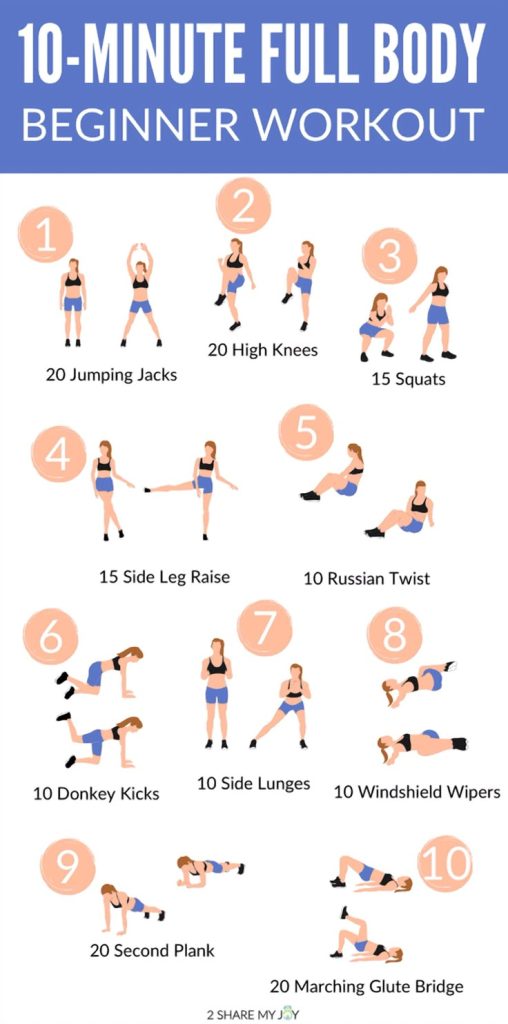
Are you tired of gym fees and crowded workout spaces? Or maybe you’re a beginner, feeling a bit intimidated by the idea of stepping into a fitness center.
Whatever your reason, starting an at-home workout routine could be the perfect solution for you. Imagine having the freedom to exercise on your own schedule, in your own space, without the pressure of onlookers. You might wonder, though, how to get started and stay motivated.
Don’t worry; you’re not alone. Many people have transformed their fitness journeys from the comfort of their living rooms, and you can too. By the end of this article, you’ll discover simple, effective steps to kickstart your home workout routine, tailored to suit your lifestyle and goals. Ready to feel healthier and more energetic without leaving your house? Let’s dive in.
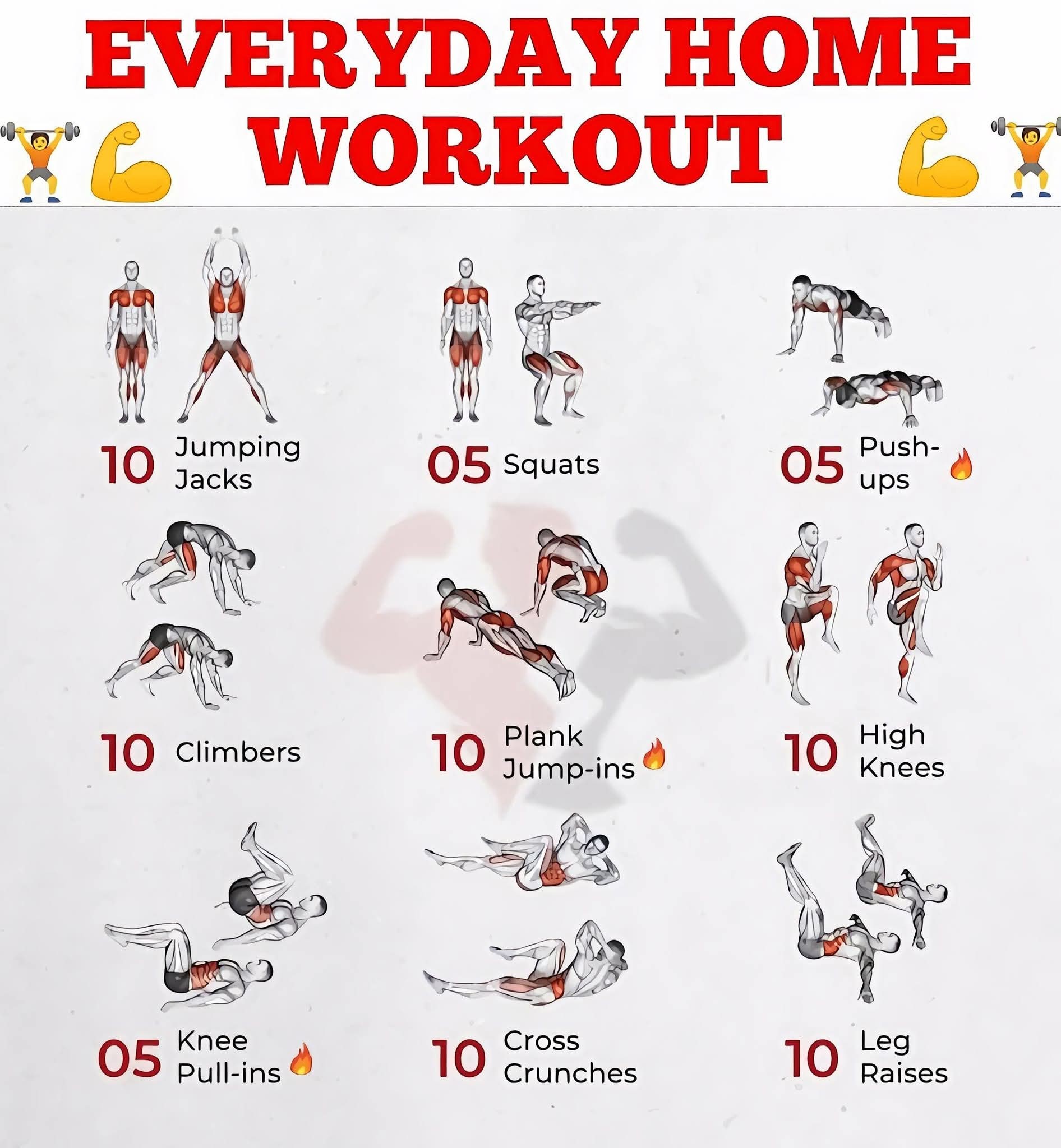
Credit: www.facebook.com
Benefits Of Home Workouts
Starting an at-home workout routine offers flexibility and convenience. No need for gym memberships, saving both time and money. It allows personalized exercise plans to fit individual goals and schedules.
Starting a workout routine at home offers numerous advantages. It provides flexibility and convenience, making it easy to fit exercise into your day. You can create a personal space tailored to your needs. Home workouts can be just as effective as gym sessions, with the right approach.Cost Savings
Exercising at home eliminates membership fees. You save money on travel costs. Minimal equipment can keep expenses low. Online resources often offer free workout plans.Flexibility And Convenience
Choose your own workout schedule. Exercise whenever you have time. No commute means more time for other activities. Tailor workouts to fit your lifestyle.Privacy And Comfort
Work out in a space where you feel comfortable. Avoid crowded gyms. Wear whatever makes you feel relaxed. Create an environment that suits your taste.Customizable Workouts
Adapt exercises to meet your goals. Choose activities you enjoy. Modify routines based on your fitness level. Experiment with different types of workouts.Time Efficiency
Skip traveling to a gym. Fit exercise into short breaks. Use quick routines to stay active. Achieve results with efficient use of time.Variety Of Resources
Access a wide range of online workouts. Find videos for all fitness levels. Discover new routines easily. Use apps to track progress. Benefits of home workouts provide motivation and accessibility. They allow you to build a consistent routine.Setting Realistic Goals
Begin your home workout with realistic goals. Set achievable targets to maintain motivation and track progress effectively. Starting small ensures gradual improvement and avoids burnout.
Starting an at-home workout routine can be exciting and daunting at the same time. One of the most crucial elements to ensure your success is setting realistic goals. These goals act like a roadmap, guiding you through your fitness journey with clarity and purpose. Without them, it’s easy to feel lost or demotivated. So, how do you go about setting these goals effectively?Understand Your Starting Point
Before setting goals, assess your current fitness level. Are you a beginner, or do you have some experience? Knowing where you stand helps you set achievable targets. Take note of your strengths and weaknesses. Perhaps you can run long distances but struggle with strength exercises. This insight will help you create a balanced routine.Set Specific And Measurable Goals
Vague goals lead to vague results. Instead of aiming to “get fit,” decide to “exercise for 30 minutes, five times a week.” Specific goals give you a clear path to follow. They also allow you to measure your progress over time, keeping you motivated.Consider Your Lifestyle
Your workout routine should fit seamlessly into your life. Do you have time in the morning, or are evenings better? Think about your schedule and commitments. Setting goals that align with your lifestyle increases your chances of sticking to them.Set Short-term And Long-term Goals
Short-term goals offer quick wins that boost your confidence. These could be weekly targets, like increasing your push-ups by five. Long-term goals require more dedication but provide a bigger sense of achievement. Picture yourself a few months from now—what do you want to have accomplished?Be Flexible And Open To Adjustments
Life can be unpredictable, and that’s okay. If you miss a workout or need to adjust your routine, don’t be too hard on yourself. Flexibility allows you to adapt to changes. The key is to stay committed and not give up when things don’t go as planned.Track Your Progress
Keeping track of your workouts can be incredibly motivating. Use a journal or a fitness app to log your sessions. Seeing your progress in black and white reinforces your efforts. It also helps you identify patterns and areas that need improvement.Celebrate Milestones
Every achievement, no matter how small, is worth celebrating. Did you stick to your routine for a month? That’s fantastic! Celebrating milestones keeps your morale high. It reminds you of how far you’ve come and fuels your motivation to keep going. Setting realistic goals is more than just a motivational tool—it’s your blueprint for success. What goals will you set to kickstart your fitness journey?Choosing The Right Space
Selecting the right workout area at home ensures focus and safety. Choose a spot with ample space and minimal distractions. Consider factors like ventilation, lighting, and flooring to create a comfortable exercise environment.
Choosing the right space for your at-home workout routine is crucial to maintaining motivation and ensuring effectiveness. The environment you exercise in can significantly impact your performance and overall experience. Let’s explore how you can select the perfect spot for your workouts.Assess Your Available Space
Begin by evaluating the areas in your home where you can comfortably work out. Consider the size of the space, as well as any furniture or items that might be in the way. A clear area is essential for movement, especially if your workout includes dynamic exercises like lunges or burpees. Is there a room with enough floor space? Maybe your living room or even a spacious hallway could work.Check For Safety
Safety is a top priority when setting up your workout space. Ensure the area is free from hazards like slippery floors or sharp edges. If you’re using equipment like dumbbells or resistance bands, make sure the space is stable and won’t cause injury. A carpeted area might offer more grip compared to a smooth floor.Consider Noise And Distractions
Choose a space where you can focus without interruptions. If you live with family or roommates, opt for a quieter area to minimize distractions. Do you prefer working out to music or in silence? Consider how noise levels might affect your workout. A basement or a separate room might be ideal to keep noise at bay.Think About Ventilation
A well-ventilated area can make a big difference in your workout experience. Proper air circulation prevents stuffiness and keeps you energized throughout your routine. Is there a window you can open, or perhaps an air conditioning system? Good airflow ensures comfort, especially during high-intensity workouts.Personalize Your Space
Make your workout area inviting and inspiring. Adding personal touches like motivational posters or a yoga mat can enhance the ambiance. How can you make the space feel like your own personal gym? A few simple additions can boost your motivation and make you look forward to each session. Choosing the right space involves thoughtful consideration, but it’s a rewarding process that can elevate your at-home workout routine. What adjustments can you make today to transform a corner of your home into your fitness sanctuary?Credit: www.lemon8-app.com
Essential Equipment
Starting an at-home workout routine can be both exciting and challenging. Having the right equipment makes the transition smoother. While not all equipment is necessary, some essentials enhance your workout experience. They help target different muscle groups and add variety to your routine. Choosing the right gear depends on your budget and available space. Let’s explore some options.
Budget-friendly Options
Creating a home gym doesn’t have to break the bank. Consider these affordable tools:
- Resistance Bands:Versatile and portable, perfect for strength training.
- Jump Rope:Great for cardio, improves coordination and burns calories.
- Yoga Mat:Provides comfort for floor exercises and yoga poses.
- Dumbbells:Adjustable sets save money and space, ideal for strength workouts.
Space-saving Gear
Limited space shouldn’t stop you from staying fit. Choose compact equipment:
- Foldable Treadmill:Offers a cardio workout and folds away easily.
- Kettlebells:Compact, versatile, suitable for strength and cardio exercises.
- Doorway Pull-Up Bar:Installs in a doorway, perfect for upper body workouts.
- Medicine Ball:Adds intensity to core workouts without taking much space.
Choosing essential equipment depends on your personal goals and space. Start small and add more as needed. Enjoy your fitness journey at home!
Creating A Balanced Routine
Creating a Balanced Routine Begin by setting clear fitness goals to guide your workouts. Choose exercises that suit your space and time. Mix strength, cardio, and flexibility to keep things interesting. Stay consistent, but listen to your body and rest when needed.
Tracking progress can motivate and show improvements.
Creating a balanced workout routine at home is essential for overall fitness. It helps ensure all areas of fitness are covered. You need to include cardio, strength, and flexibility exercises. This approach promotes good health and reduces the risk of injury.Cardio Exercises
Cardio exercises improve heart health and burn calories. They can be simple and fun. Try jumping jacks or running in place. Dancing to your favorite songs is also effective. Aim for at least 150 minutes of cardio each week.Strength Training
Strength training builds muscle and improves metabolism. You don’t need heavy weights to start. Use bodyweight exercises like push-ups and squats. Resistance bands are also helpful. Perform strength exercises two to three times a week.Flexibility And Mobility
Flexibility and mobility exercises keep your body agile. They help prevent stiffness and pain. Incorporate stretching into your routine daily. Yoga or pilates are great options. Spend 5 to 10 minutes stretching each day. Creating a balanced routine helps you achieve fitness goals effectively. It ensures you stay motivated and engaged. Enjoy the journey to better health at home.Staying Motivated
Creating an at-home workout routine can boost motivation and energy. Start with simple exercises and gradually increase intensity. Set clear goals and track progress to stay committed and focused.
Starting an at-home workout routine can be challenging. Staying motivated is key to success. Motivation keeps you going even on tough days. It turns routine into habit. With the right mindset, you can achieve your fitness goals.Tracking Progress
Tracking progress keeps you motivated. It shows how far you’ve come. Use a journal or an app. Write down each workout session. Note your strengths and areas to improve. Celebrate small victories. Acknowledge the effort and progress you make each week.Finding A Workout Buddy
A workout buddy can boost your motivation. They hold you accountable. Set goals together. Cheer each other on. A partner makes workouts fun. Choose someone with similar fitness goals. Stay committed and enjoy the journey together.Adapting To Your Needs
Creating a home workout routine can fit your lifestyle and needs. Begin with simple exercises like squats and push-ups. Gradually increase intensity as you get stronger.
Starting an at-home workout routine can be both exciting and challenging. The key to long-term success is adapting to your needs. This means tuning into your body and making adjustments that fit your lifestyle, preferences, and goals. It’s not just about following a program; it’s about creating one that resonates with you. As you embark on this fitness journey, remember that flexibility in your routine is essential for sustained progress and enjoyment.Listening To Your Body
Your body is your best coach. It gives you signs when something isn’t right or when it’s time to push a little harder. Pay attention to what it tells you. If a particular exercise causes pain, it’s a cue to stop and reassess. Instead of ignoring discomfort, explore alternatives that feel better. This doesn’t mean avoiding challenges entirely, but finding a balance that keeps you motivated and injury-free. Have you ever noticed how some days you feel more energetic than others? Use those days to your advantage, but also allow yourself rest when you need it.Modifying Exercises
Not all exercises are one-size-fits-all, and that’s perfectly okay. Modify exercises to suit your current fitness level. Use variations that align with your capabilities, whether it’s adjusting the range of motion or changing the intensity. For example, if a full push-up is too challenging, start with knee push-ups. Gradually build strength until you’re ready to progress. Similarly, if high-impact exercises are tough on your joints, opt for low-impact alternatives like marching in place instead of jumping jacks. Remember, every modification is a step toward your goal. By customizing your workouts, you maintain enthusiasm and reduce the risk of burnout. How will you tweak your routine to better suit your needs?Overcoming Common Challenges
Starting an at-home workout routine can be tough. Staying motivated and consistent are common challenges. Setting clear goals and scheduling your workouts can help overcome these obstacles.
Starting an at-home workout routine can be daunting. Many face common challenges that hinder progress. Identifying these obstacles is the first step to overcoming them. Let’s explore some typical barriers and strategies to tackle them.Limited Time
Finding time for workouts is tough. Busy schedules often leave little room for exercise. Consider short, effective workouts. High-Intensity Interval Training (HIIT) can be done in 20 minutes. Early morning or late evening sessions might work better. Try to integrate exercise into daily routines. Even a ten-minute walk adds up.Lack Of Motivation
Motivation can dwindle quickly. Set clear, achievable goals to stay focused. Track your progress with a journal or app. Seeing improvement boosts confidence. Create a workout playlist with your favorite songs. Music can energize and uplift. Join online workout communities for support. Sharing goals with others can increase accountability.Resources And Support
Find a variety of online videos for guidance. Join virtual workout communities for motivation and support. Access apps to track progress and set goals.
Starting an at-home workout routine can feel overwhelming. Luckily, many resources and support systems can assist you. These tools help guide and motivate you on your fitness journey. Let’s explore some options that can make your workout experience smoother and more enjoyable.Online Classes And Apps
Online classes offer great flexibility. You can join sessions that fit your schedule. Popular platforms provide a variety of workout styles. From yoga to cardio, options abound. Apps can track your progress. They offer personalized workout plans. Some apps even have virtual trainers. They guide you through each exercise. Many resources are free or have trial periods. This means you can explore without a financial commitment.Community Support Groups
Joining a community support group can boost motivation. These groups often share tips and experiences. You can find them online or in local communities. They provide encouragement when you’re feeling low. Being part of a group creates accountability. You feel more committed to your routine. Some groups even organize virtual workout sessions. This adds a social element to your exercise plan.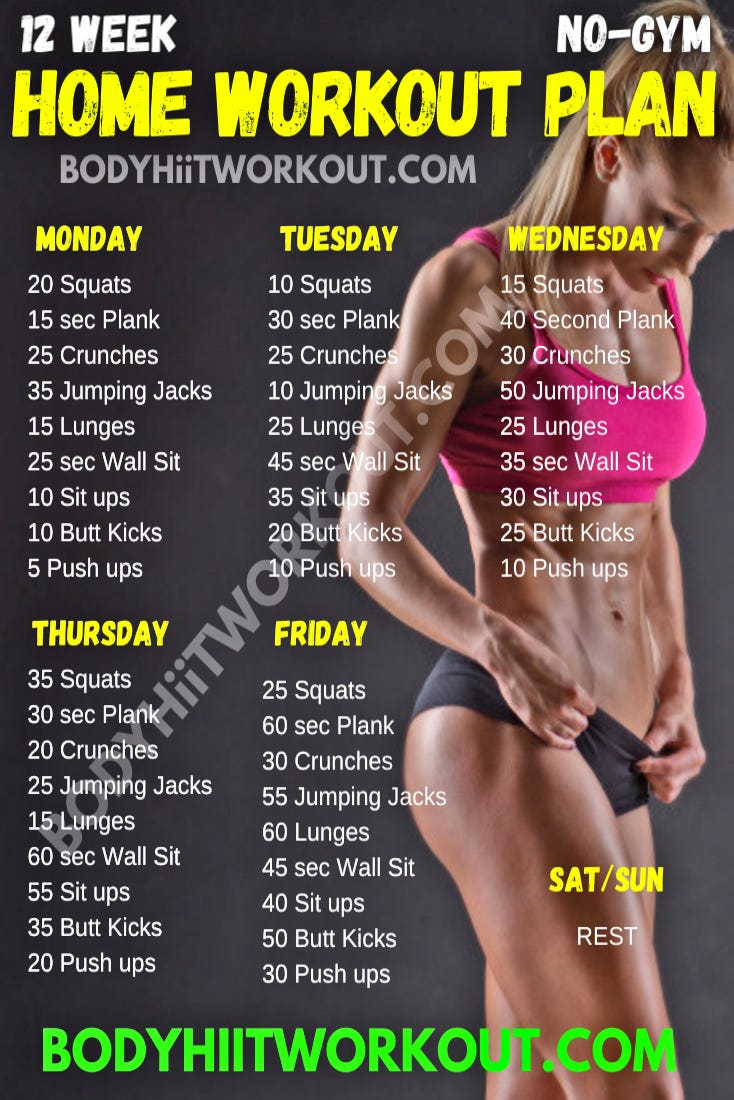
Credit: greensafaris.com
Frequently Asked Questions
What Are The Benefits Of Home Workouts?
Home workouts offer convenience and flexibility. They eliminate commute time to the gym and save money on memberships. You can tailor your routine to suit your schedule and preferences. With minimal equipment, you can achieve effective results. This approach also allows for privacy and comfort while exercising.
How Do I Stay Motivated At Home?
Setting clear goals and creating a dedicated workout space can boost motivation. Schedule your workouts like appointments. Track progress to see improvements over time. Incorporate variety in your routine to keep it interesting. Reward yourself for milestones achieved to maintain enthusiasm and commitment.
What Equipment Do I Need To Start?
Starting a home workout routine requires minimal equipment. Basic items include a yoga mat, resistance bands, and dumbbells. These tools support a range of exercises. Optional equipment like kettlebells or a jump rope can enhance your routine. Bodyweight exercises are also effective without any equipment.
How Often Should I Work Out At Home?
Frequency depends on your fitness goals and current level. Beginners can start with three sessions per week. Gradually increase to four or five days as you build endurance. Ensure you include rest days for recovery. Listen to your body to avoid overtraining and ensure consistent progress.
Conclusion
Starting an at-home workout routine is simple and rewarding. Begin with small, achievable goals. Consistency builds strength and confidence. Find exercises you enjoy. This keeps you motivated. Modify workouts to fit your needs. Listen to your body. Rest is crucial.
Stay hydrated and eat balanced meals. Tracking progress boosts morale. Celebrate small victories. Seek online resources for guidance. Connect with others for support. Remember, every step counts. With time, this routine becomes second nature. Enjoy the journey to a healthier you.
Stay positive and patient. Your home workout success is just around the corner.