
Curious about how much testosterone you need to build muscle? You’re not alone.
Many people are eager to uncover the secrets of muscle growth and the role testosterone plays in it. You may have heard that testosterone is crucial for building muscle, but how much do you really need? Is there a magic number that guarantees results?
As you read on, you’ll discover the facts and debunk the myths surrounding testosterone and muscle growth. Prepare to transform your understanding and take a step closer to achieving the physique you’ve always wanted. Get ready to unlock the potential within you.
Role Of Testosterone In Muscle Growth
Testosterone is often hailed as the key hormone in muscle growth. But what exactly is its role? Understanding how testosterone influences muscle development can help you maximize your workouts and achieve your fitness goals more effectively. Dive into the science behind this powerful hormone and learn how it affects your body’s ability to build muscle.
Testosterone plays a critical role in protein synthesis, which is essential for muscle repair and growth. After you work out, your muscles need to rebuild stronger than before, and testosterone helps accelerate this process. Increased testosterone levels mean faster muscle recovery and growth.
Have you ever noticed how some people seem to bulk up effortlessly? Their bodies might be producing more testosterone naturally, giving them a slight edge. If you’re not as genetically blessed, don’t worry—there are ways to boost your testosterone levels naturally.
How Testosterone Affects Your Workout Performance
High testosterone levels can enhance your workout performance by increasing your energy, stamina, and focus. This means you can push harder and longer during your training sessions. More intense workouts lead to more significant muscle gains.
Consider this: would you rather feel exhausted after a short session, or invigorated enough to push through an hour of vigorous training? Testosterone can be the difference between the two.
Natural Ways To Boost Testosterone
- Ensure you get adequate sleep. Your body produces the most testosterone during deep sleep cycles.
- Focus on a balanced diet rich in healthy fats and proteins. Foods like eggs, nuts, and lean meats can support testosterone production.
- Incorporate strength training exercises like squats and deadlifts. These compound movements can stimulate testosterone production naturally.
Monitoring Your Testosterone Levels
Are you paying attention to your body’s signals? If you’re feeling sluggish or noticing decreased muscle gains despite rigorous training, it might be worth checking your testosterone levels. Simple blood tests can give you a clearer picture of where you stand.
Remember, not all muscle-building journeys are the same. Listening to your body and tweaking your approach based on your hormonal health can make all the difference.
Credit: medium.com
Natural Testosterone Levels
Testosterone plays a vital role in muscle growth. Higher levels can aid in building strength and mass. Maintaining natural testosterone levels can help optimize muscle-building efforts effectively.
Natural testosterone levels play a crucial role in muscle building. Understanding these levels can give you insights into how your body responds to exercise and nutrition. You might wonder why some people seem to build muscle faster than others—natural testosterone levels could be part of the answer.What Are Natural Testosterone Levels?
Natural testosterone levels are the amount of testosterone your body produces without any external influence, such as supplements or medications. This hormone is essential for muscle growth, energy levels, and overall health. It’s important to know where you stand because it can guide your fitness goals.Why Do Testosterone Levels Vary?
Your testosterone levels can vary due to multiple factors, including age, diet, and lifestyle. For example, as you age, your levels naturally decline. Stress and poor diet can also affect your hormone production. Are you eating enough protein and healthy fats? These nutrients are vital for maintaining balanced testosterone levels.How Can You Measure Your Testosterone Levels?
Measuring your testosterone levels is straightforward. You can opt for a blood test at your local clinic or use at-home testing kits. These tests provide a snapshot of your hormonal health. Have you checked yours recently? It might be worth considering if you’re serious about muscle building.Can You Boost Testosterone Naturally?
Yes, boosting testosterone naturally is possible and often recommended. Exercise, particularly strength training, is a great way to increase testosterone production. Additionally, getting enough sleep and managing stress can help maintain healthy levels. Are you taking steps to optimize your lifestyle for better hormone balance?Personal Insight: My Journey With Testosterone
In my own fitness journey, understanding my natural testosterone levels was a game-changer. I noticed significant improvements in muscle growth when I started paying attention to my diet and exercise routines. This personal insight might resonate with you and offer a new perspective on how you approach your fitness goals.Factors Affecting Testosterone Levels
Understanding the factors affecting testosterone levels is crucial for optimizing muscle growth. Testosterone plays a pivotal role in muscle development, and its levels can fluctuate due to various influences. By identifying these factors, you can tailor your lifestyle to enhance your testosterone levels, thereby boosting your muscle-building potential.
Age And Hormonal Changes
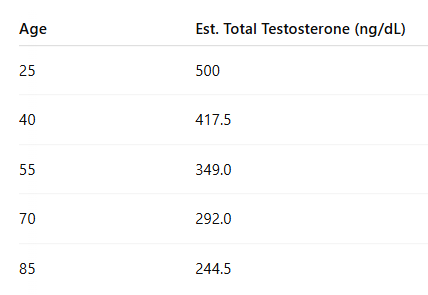
As you age, your testosterone levels naturally decline. This can impact your muscle-building capacity. Starting around age 30, testosterone levels may drop approximately 1% each year. Consider this: are you adjusting your workout and nutrition plans to accommodate these changes?
Diet And Nutrition
Your diet greatly influences testosterone levels. Foods rich in zinc, like nuts and seeds, can help maintain healthy testosterone levels. But are you balancing your intake with enough protein and healthy fats to support muscle growth?
Physical Activity
Regular exercise can boost testosterone levels. Weightlifting and high-intensity interval training are particularly effective. Have you included these workouts in your routine to maximize testosterone production?
Sleep And Stress
Quality sleep is vital for testosterone production. Lack of sleep can lower testosterone and hinder muscle growth. Stress also plays a role; chronic stress increases cortisol, which can negatively impact testosterone levels. Are you ensuring enough rest and managing stress effectively for optimal hormone balance?
Measuring Testosterone Levels
Understanding testosterone levels is key to building muscle effectively. Sufficient testosterone supports muscle growth and repair. Regular testing can help track how much testosterone is needed for optimal muscle development.
Understanding how much testosterone you need to build muscle starts with knowing your current levels. Testosterone plays a crucial role in muscle growth. But how can you accurately measure it? Let’s dive into the two most common methods: blood tests and saliva tests. Knowing which method suits you best can help you make informed decisions about your fitness journey.Blood Tests
Blood tests are considered the gold standard for measuring testosterone levels. They provide precise results and are widely used by healthcare professionals. This method involves drawing blood, typically in the morning when testosterone levels are highest. The test measures both free and total testosterone, giving you a comprehensive view of your levels. However, some may find the process invasive or inconvenient. But if accuracy is your priority, it’s worth considering. Plus, regular testing can track changes over time, giving you insights into how your fitness regime impacts your hormone levels.Saliva Tests
Saliva tests offer a less invasive alternative for measuring testosterone. They’re easy to administer and can be done at home. All you need is a saliva sample, which makes it a convenient choice for many. While not as accurate as blood tests, saliva tests are sufficient for general monitoring. They’re particularly useful for tracking trends in your testosterone levels over time. If you’re someone who values convenience and comfort, this might be the right option for you. However, remember to use a reliable testing kit to ensure the best results.Optimal Testosterone Levels For Muscle Gain
Understanding optimal testosterone levels is key to muscle gain. Testosterone plays a crucial role in muscle development. It influences protein synthesis, which is vital for muscle growth. Knowing the right levels helps maximize your muscle-building efforts. Let’s explore what these levels look like.
Baseline Levels
Everyone has different testosterone levels. For adult males, the typical range is between 300 and 1,000 ng/dL. Women have lower levels, usually between 15 and 70 ng/dL. It’s important to know your baseline. This helps you see if you need changes for muscle growth.
Target Levels For Athletes
Athletes often aim for higher testosterone levels. This can enhance muscle development and performance. Ideal levels for athletes usually range from 600 to 1,200 ng/dL. Reaching these levels can help improve strength and endurance.

Credit: www.medkart.in
Boosting Testosterone Naturally
Building muscle requires adequate testosterone levels. Natural methods like regular exercise, balanced nutrition, and quality sleep can help maintain these levels. Understanding the optimal testosterone range can enhance muscle growth effectively.
Boosting testosterone naturally is a powerful way to enhance muscle growth and overall well-being. Instead of relying on artificial supplements, why not tap into the resources your body already has? By making some simple lifestyle changes, you can effectively increase your testosterone levels and start seeing results in your muscle-building journey.Exercise And Resistance Training
Engaging in regular exercise is a proven method to boost testosterone. Resistance training, like weight lifting, is particularly effective. Short, high-intensity workouts can be more beneficial than long, moderate sessions. Incorporate compound movements like squats, deadlifts, and bench presses. These exercises work multiple muscle groups, triggering a larger release of testosterone. Aim for at least 30 minutes a day, several times a week. Are you pushing yourself enough during workouts? Increasing the weight and intensity over time can further stimulate testosterone production.Dietary Adjustments
Your diet plays a crucial role in testosterone levels. Prioritize foods rich in zinc and vitamin D, such as oysters, beef, and eggs. These nutrients are known to support testosterone synthesis. Healthy fats are another essential component. Incorporate avocados, nuts, and olive oil into your meals. These fats can help maintain hormone balance and improve testosterone levels. Avoid excessive sugar and processed foods. These can lead to weight gain and insulin resistance, negatively impacting your hormone levels.Lifestyle Changes
Stress management is vital for maintaining healthy testosterone levels. Chronic stress leads to high cortisol levels, which can suppress testosterone. Consider activities like meditation, yoga, or simply taking time to relax. Ensure you’re getting quality sleep each night. Lack of sleep can significantly decrease testosterone levels. Aim for 7-9 hours of uninterrupted rest. Limit alcohol and avoid smoking. Both can have detrimental effects on your testosterone levels and overall health. By making these natural adjustments, you can boost your testosterone and support your muscle-building goals. What small changes can you start implementing today?Risks Of High Testosterone Levels
Testosterone plays a key role in muscle growth. But too much can be risky. High levels might seem beneficial but can lead to serious health issues. Understanding these risks is crucial for anyone considering testosterone supplements.
Health Concerns
Excess testosterone can impact heart health. It may increase blood pressure and cause heart problems. High levels can lead to liver damage. This is especially true with testosterone injections or pills. It can also affect mental health. Anxiety and mood swings might become more common.
Potential Side Effects
Skin issues are a common side effect. Acne can worsen with high testosterone. Hair loss might occur as well. Men may experience enlarged breasts. This happens due to hormonal imbalance. Women might notice a deepening voice. They can also face menstrual irregularities.
When To Seek Medical Advice
Consult a doctor if unsure about testosterone levels for muscle growth. Experience unusual fatigue or mood swings? These might be signs to check hormone balance.
When you’re on a journey to build muscle, it’s crucial to know when to seek medical advice about testosterone levels. Balancing testosterone is key to achieving your fitness goals, but sometimes things can go awry. If you’re not seeing the results you expect, or if something feels off, it’s time to consider whether your testosterone levels might be the culprit.Symptoms Of Low Testosterone
Low testosterone can manifest in various ways, and recognizing these signs early can make all the difference. You might notice a decrease in muscle mass despite your dedicated workouts. Fatigue, low energy levels, or even mood swings can also be indicators. Other symptoms include a reduced sex drive and difficulty concentrating. If you’re experiencing any combination of these, it’s wise to get a professional opinion. Ignoring these signs could not only derail your fitness progress but also affect your overall well-being.Treatment Options
Once you’ve identified that low testosterone might be an issue, exploring treatment options becomes your next step. Consulting a healthcare provider is crucial as they can offer personalized advice based on your specific needs. Blood tests can determine your testosterone levels accurately, helping in crafting a treatment plan. Treatment can range from lifestyle changes, such as improving your diet and exercise routine, to medical interventions like hormone replacement therapy. Each option comes with its own set of benefits and considerations, so having a detailed conversation with your doctor is essential. Have you considered how much a simple lifestyle change could impact your testosterone levels? Sometimes, small adjustments can lead to significant improvements, making this journey as much about understanding your body as it is about building muscle.
Credit: www.santelog.com
Frequently Asked Questions
How Much Testosterone Is Needed For Muscle Growth?
The amount of testosterone needed varies per individual. Adequate testosterone levels support muscle growth. However, excess testosterone can lead to health issues. It’s crucial to maintain a balance. Regular exercise and a healthy diet can naturally boost testosterone levels. Always consult a healthcare professional before considering supplementation.
Can Low Testosterone Affect Muscle Building?
Yes, low testosterone can hinder muscle growth. Testosterone plays a vital role in muscle development. It helps increase muscle mass and strength. Low levels can lead to fatigue and decreased muscle mass. Addressing low testosterone through lifestyle changes or medical interventions can improve muscle-building results.
Does Testosterone Replacement Therapy Help Muscle Gain?
Testosterone replacement therapy can support muscle gain in those with low levels. It helps increase muscle mass and strength. However, it should only be used under medical supervision. Potential side effects and risks must be considered. Discuss with a healthcare provider to determine if it’s a suitable option.
Are There Natural Ways To Boost Testosterone?
Yes, natural methods can boost testosterone levels. Regular exercise, especially strength training, can help increase testosterone. A balanced diet rich in vitamins and minerals supports healthy levels. Sufficient sleep and stress management are also crucial. Avoiding excessive alcohol and maintaining a healthy weight can further enhance testosterone.
Conclusion
Understanding testosterone’s role in muscle building helps greatly. It’s crucial for muscle growth. Balance is key. Too much or too little can affect health. Consult a healthcare professional for guidance. They can help find the right balance. Diet and exercise play roles too.
Proper nutrition supports muscle growth. Consistent workouts enhance results. Stay informed and make smart choices. Testosterone isn’t the only factor. Commitment and patience are essential. Building muscle takes time and effort. Keep learning and stay motivated. Your journey is unique.
With the right approach, progress follows. Stay focused and enjoy the process.