Building muscle while in a calorie deficit might sound impossible. After all, you’ve probably heard countless times that gaining muscle requires more calories, not fewer.
But what if you could achieve both goals simultaneously? Imagine shedding unwanted fat while sculpting lean muscle, transforming your physique in ways you never thought possible. This might sound like a fitness dream, but it’s not as far-fetched as you might think.
In this blog post, we’ll explore whether you can truly build muscle while consuming fewer calories than you burn. We’ll dive into the science behind muscle growth and calorie balance, and uncover some surprising strategies that could help you achieve this challenging yet rewarding goal. Are you ready to discover how you can redefine your fitness journey? Keep reading to learn the secrets to unlocking your body’s potential in a calorie deficit.
Calorie Deficit Basics
Understanding the basics of a calorie deficit is crucial, whether you’re looking to shed some pounds or build muscle. It might seem counterintuitive to think about building muscle while cutting calories, but it’s not impossible. Let’s dive into the fundamentals of a calorie deficit and how it impacts your body.
What Is A Calorie Deficit?
A calorie deficit occurs when you consume fewer calories than your body needs to maintain its current weight. Imagine your body as a car; it needs fuel to run efficiently. When you provide less fuel than required, it starts using stored energy, which is typically fat.
Creating a calorie deficit can be achieved by either reducing your food intake or increasing physical activity. But remember, not all deficits are equal. A small deficit can lead to gradual weight loss, while a significant deficit might trigger rapid changes but could also lead to muscle loss.
How Calorie Deficit Affects The Body
When in a calorie deficit, your body begins to tap into its reserves. Initially, it might use fat stores, but if the deficit is too severe or prolonged, it can also break down muscle tissue. This is why balancing your deficit is crucial, especially if your goal is muscle gain.
Ever tried working out when you’re hungry? You probably noticed a dip in energy levels. That’s because a calorie deficit can affect your workout intensity. Ensuring you get adequate protein and nutrients helps maintain muscle mass even when calories are reduced.
Striking the right balance is key. Focus on consuming nutrient-rich foods that support muscle maintenance while keeping a mindful eye on your calorie intake. Are you ready to take control of your energy balance?
Muscle Building Fundamentals
Building muscle in a calorie deficit is possible. It requires a balance of protein intake and strength training. Focusing on nutrient-dense foods helps fuel workouts and muscle repair.
Building muscle is a complex process, especially when you’re in a calorie deficit. However, understanding the fundamentals can make it achievable. Your body needs the right nutrients and exercises to stimulate muscle growth, even when consuming fewer calories. Let’s delve into the essentials that can guide you on this challenging but rewarding journey.Role Of Protein In Muscle Growth
Protein is the cornerstone of muscle building. It provides the amino acids necessary for repairing and growing muscle tissues. When in a calorie deficit, ensuring adequate protein intake becomes crucial because your body might otherwise use muscle for energy. Aim for high-quality protein sources such as chicken, fish, eggs, or plant-based options like lentils and tofu. Consider tracking your protein intake to ensure you’re meeting your daily requirements. Consuming around 1.6 to 2.2 grams of protein per kilogram of body weight can support muscle maintenance. Have you ever noticed how athletes emphasize protein shakes post-workout? It’s because timing matters too—consuming protein shortly after exercise can enhance recovery and muscle synthesis.Importance Of Strength Training
Strength training is non-negotiable for muscle building, especially in a calorie deficit. It signals your body to preserve muscle mass while burning fat. Compound exercises like squats, deadlifts, and bench presses engage multiple muscle groups, making them efficient for growth. Consider incorporating progressive overload into your routine. This means gradually increasing weights or resistance to challenge your muscles. Have you ever found yourself stuck lifting the same weights for weeks? It might be time to up the ante. By continuously pushing your limits, you encourage muscle adaptation and growth. Balancing rest and recovery is equally important. Listen to your body; if a workout feels too intense, give yourself time to recuperate. How often do you take a break? Rest days are vital as they allow muscles to repair and strengthen, making your next session more effective.Science Behind Muscle Growth In Deficit
Understanding the science behind building muscle in a calorie deficit can be both fascinating and confusing. You might wonder how it’s possible to gain muscle when you’re consuming fewer calories than your body needs. The secret lies in how your body adapts and responds to different stimuli, including exercise and nutrition.
Body’s Adaptation Mechanisms
Your body is a remarkable machine capable of adapting to various challenges. When you lift weights or perform resistance training, your muscles experience small tears. In response, your body repairs these tears, making your muscles stronger and larger.
Even in a calorie deficit, if your protein intake is adequate and your training is consistent, your body can prioritize muscle repair. This ability to adapt ensures muscle growth even when energy intake is limited. Have you ever noticed how your body can quickly adjust to new exercise routines? That’s adaptation in action.
Research And Studies Overview
Recent studies have shown that muscle growth in a calorie deficit is not only possible but achievable with the right approach. Research highlights the importance of maintaining a high-protein diet to support muscle synthesis.
Studies also suggest that combining resistance training with a moderate calorie deficit can yield positive results. It’s essential, however, to ensure that the deficit is not too extreme. Too few calories can lead to muscle loss, counteracting your efforts.
Have you considered how minor tweaks in your diet and exercise can lead to significant changes in your body composition? It’s about finding that balance between eating less and training smartly.
Credit: fitnesscfgyms.com
Factors Influencing Muscle Gain In Deficit
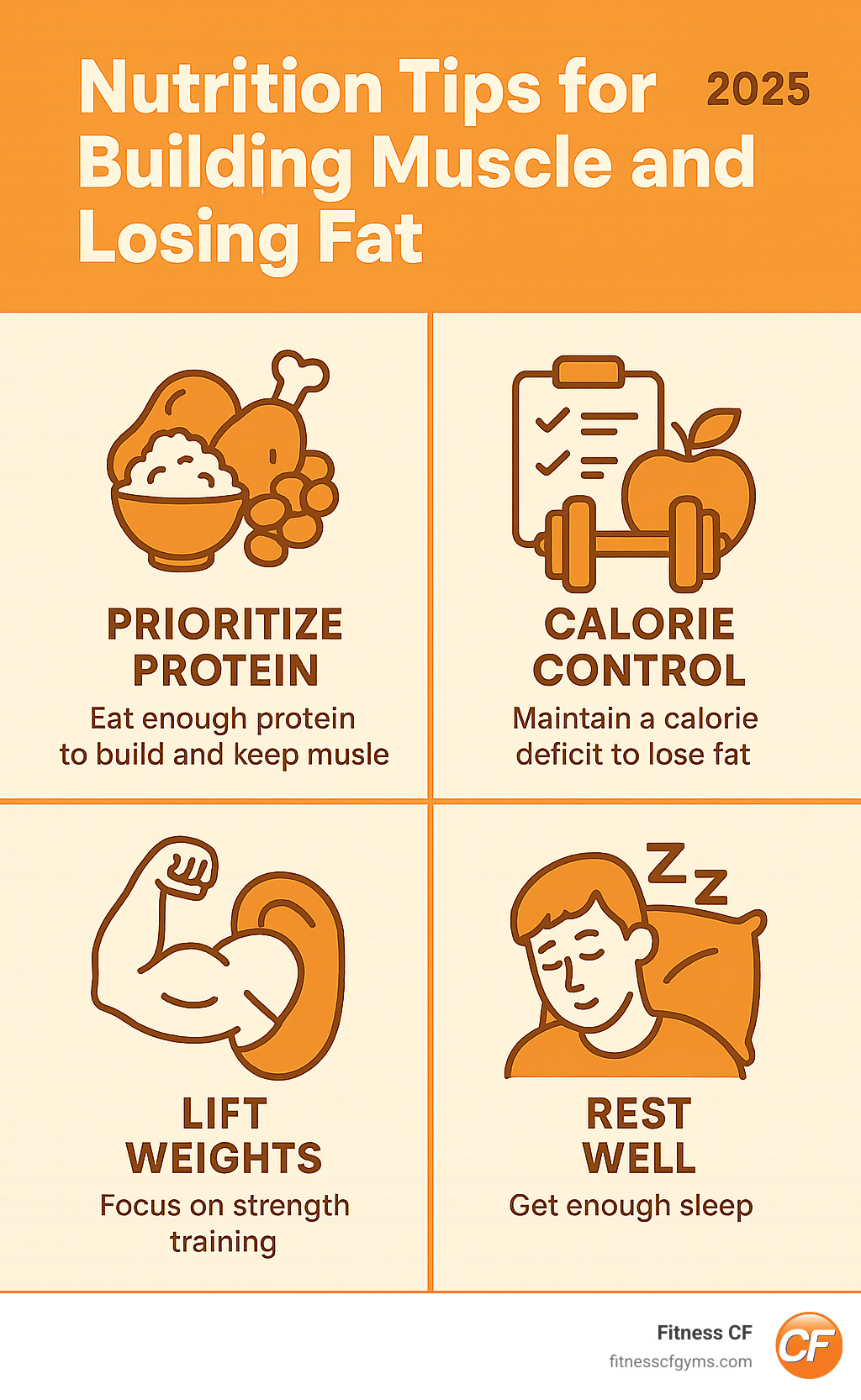
Building muscle while in a calorie deficit depends on factors like protein intake, workout intensity, and rest. Adequate protein supports muscle growth, even with fewer calories. Effective workouts and proper recovery are crucial to maximize muscle gain during this phase.
Building muscle while in a calorie deficit can be challenging but not impossible. Several factors influence your ability to gain muscle while cutting down on calories. Understanding these factors can help you tailor your approach and achieve the best results.Genetic Predisposition
Your genetics play a significant role in how your body responds to a calorie deficit. Some people naturally maintain muscle mass better than others, even when consuming fewer calories. If you’re genetically inclined to preserve muscle, you might find it easier to build and retain muscle during a deficit. However, if your genetic makeup leans towards losing muscle easily, it doesn’t mean you’re out of luck. You can still make progress by focusing on other factors like training and diet. Consider tracking your progress to understand how your body uniquely responds.Training Experience Level
Your experience level in training significantly impacts your muscle-building potential in a calorie deficit. Beginners often experience what’s known as “newbie gains,” where they can build muscle and lose fat simultaneously. If you’re new to weightlifting, you might see impressive results even on fewer calories. Conversely, experienced lifters might find it harder to gain muscle without adequate calorie intake. If you’re advanced in your training, focusing on maintaining strength and muscle mass could be more realistic. Adjusting your workout intensity and volume can help in managing muscle retention.Diet Quality And Composition
The quality and composition of your diet are crucial when aiming to build muscle in a calorie deficit. Consuming enough protein is essential, as it helps preserve muscle mass and supports recovery. Aim for protein-rich foods like lean meats, eggs, and legumes. Balancing your macronutrients and ensuring you’re getting enough essential fats and carbohydrates also supports muscle retention and energy levels. Tracking your food intake can help you optimize your diet for muscle gain, even with reduced calories. Are you paying attention to the types of food you consume? Small tweaks can make a significant difference in your muscle-building journey.Effective Strategies
Building muscle in a calorie deficit requires careful planning. Focus on high protein intake to support muscle growth. Strength training is key to maintaining muscle while losing fat.
Building muscle while in a calorie deficit can be challenging. It requires a strategic approach to ensure your body gets the nutrients it needs. By focusing on effective strategies, you can optimize your workout and nutrition plan. This helps in maximizing muscle gain while shedding excess fat. Below are key strategies to consider.Optimizing Protein Intake
Protein is crucial for muscle growth, especially in a calorie deficit. Ensure you’re consuming enough protein daily. Aim for about 1.6 to 2.2 grams per kilogram of body weight. Spread your protein intake across meals to maintain muscle protein synthesis. High-quality sources like lean meats, eggs, and dairy are ideal. Plant-based options like beans and tofu are also beneficial.Incorporating Progressive Overload
Progressive overload is vital for muscle growth. Gradually increase the weight or resistance in your workouts. This forces your muscles to adapt and grow stronger. Focus on compound exercises like squats, deadlifts, and bench presses. These engage multiple muscle groups simultaneously. Track your progress and adjust your workouts to keep challenging your muscles.Balancing Macronutrients
A balanced intake of macronutrients supports muscle growth. While protein is key, don’t neglect carbs and fats. Carbs provide energy for intense workouts, while fats support hormone production. Aim for a balanced diet that includes whole grains, healthy fats, and lean proteins. Adjust your ratios to fit your activity level and goals. This helps in maintaining energy levels and supporting recovery.
Credit: www.instagram.com
Common Misconceptions
When discussing muscle building in a calorie deficit, the conversation is often clouded with misconceptions. Many believe that building muscle while eating fewer calories is impossible. However, this belief is largely based on outdated or misleading information.
Myths About Calorie Deficit
One common myth is that you must consume excess calories to gain muscle. This isn’t entirely true. While caloric surplus can aid muscle growth, it’s not the only path.
Consider individuals who are overweight or obese; they often gain muscle while losing fat. Their bodies utilize stored energy for muscle repair and growth, even in a calorie deficit. So, it’s not about how much you eat, but what you eat.
Misleading Fitness Advice
Fitness advice often suggests avoiding calorie deficits altogether if you’re looking to build muscle. This is misleading. The key is maintaining a balance between protein intake and exercise.
Have you ever followed a diet that promised muscle gains but delivered none? This could be due to lacking protein or resistance training. Ensure your diet supports your goals with sufficient protein to aid muscle repair and growth.
Additionally, some trainers might push supplements aggressively. But real food, resistance training, and proper rest can often do the job just as well, if not better.
Have you questioned the advice you’re following? Always consider if it aligns with scientific evidence and your personal experiences. Your body is unique, and what works for others might not work for you.
Real-life Success Stories
Have you ever wondered if you can build muscle while in a calorie deficit? The concept seems contradictory at first glance, yet numerous individuals have successfully achieved this challenging feat. Real-life success stories provide compelling evidence that with the right strategies, building muscle in a calorie deficit is possible. Here, we delve into the inspiring journeys of athletes and examine specific case studies that highlight their tactics and results.
Athletes’ Experiences
Athletes often push the boundaries of what’s considered possible. Many have proven that muscle gain while shedding pounds isn’t a myth but a reality. Take the example of competitive bodybuilders who often enter a calorie deficit phase before competitions. Despite consuming fewer calories, they maintain their muscle mass through strategic training and nutrition plans.
One intriguing story is that of a professional swimmer who successfully built muscle while reducing calorie intake. By incorporating high-protein meals and focusing on strength training, they managed to enhance muscle definition without compromising their energy levels. This shows how meticulous planning and commitment to a balanced diet can lead to remarkable results.
Case Studies
Real-life case studies further illustrate how individuals can defy conventional wisdom and build muscle in a calorie deficit. A study involving amateur athletes demonstrated that maintaining a high protein intake, alongside resistance training, resulted in muscle growth despite a calorie deficit.
Another case involved a group of fitness enthusiasts who adopted a flexible dieting approach. They prioritized nutrient-rich foods and spaced their calorie intake strategically throughout the day. Over several months, they reported not only muscle growth but also improved overall body composition.
These stories pose an intriguing question: Could your current fitness and nutrition routine be optimized to achieve similar results? By learning from these examples and experimenting with your approach, you might find a path to achieving your fitness goals that aligns with a calorie deficit.
Expert Opinions
Building muscle in a calorie deficit is challenging but possible. Experts suggest focusing on high protein intake and resistance training. These strategies help preserve muscle mass while promoting fat loss.
Building muscle in a calorie deficit sparks debates among fitness experts. Some argue it’s possible with the right approach, while others stress the importance of a caloric surplus. In this section, we delve into opinions from nutritionists and fitness trainers to provide a clearer picture.Nutritionists’ Perspectives
Nutritionists often highlight the role of protein intake in muscle gain. They suggest maintaining high protein levels to support muscle synthesis. This can help offset the effects of a calorie deficit. Consuming enough protein can protect muscle mass. They recommend lean meats, eggs, and legumes. Protein-rich diets can aid muscle growth even when calories are reduced. Balancing macronutrients is key. Nutritionists emphasize the importance of vitamins and minerals. These nutrients support overall health and muscle repair.Fitness Trainers’ Insights
Fitness trainers share practical tips for muscle building. They often focus on strength training routines. Intense workouts can stimulate muscle growth despite calorie deficits. Trainers advise consistency in workout sessions. Progressively increasing weights can help muscles adapt and grow. Rest periods are crucial. Trainers stress the significance of recovery days. Adequate rest prevents burnout and supports muscle repair. Hydration is another focal point. Trainers remind clients to stay hydrated for optimal performance.
Credit: m.facebook.com
Frequently Asked Questions
Can You Gain Muscle In A Calorie Deficit?
Yes, gaining muscle while in a calorie deficit is possible. It requires a strategic approach involving strength training and high protein intake. Beginners or those returning to exercise might see better results. However, for optimal muscle growth, a slight calorie surplus is typically recommended.
What Is The Best Diet For Muscle Gain?
A diet high in protein is essential for muscle gain. Lean meats, fish, eggs, and plant-based proteins are excellent choices. Include complex carbohydrates and healthy fats for energy and recovery. Balance your calorie intake to support training while managing weight goals.
How Does Strength Training Affect Muscle Growth?
Strength training promotes muscle growth by creating micro-tears in muscle fibers. When these fibers repair, they become stronger and larger. Regular resistance training, using progressive overload, is key for continuous muscle development. Consistency, alongside adequate nutrition, enhances results.
Why Is Protein Important In A Deficit?
Protein is crucial in a calorie deficit because it helps preserve muscle mass. It provides the building blocks for muscle repair and growth. High protein intake can also enhance satiety, making it easier to stick to a reduced calorie diet.
Conclusion
Building muscle in a calorie deficit is challenging but possible. Focus on protein intake. Prioritize strength training. Track your progress regularly. Listen to your body. Adjust your routine as needed. Consistency is key for success. Stay patient and dedicated to your goals.
Small changes lead to big results over time. Remember, everyone’s body is different. Find what works best for you. Keep learning and evolving your approach. With effort, you can achieve muscle growth even with fewer calories. Stay motivated and persistent on your fitness journey.