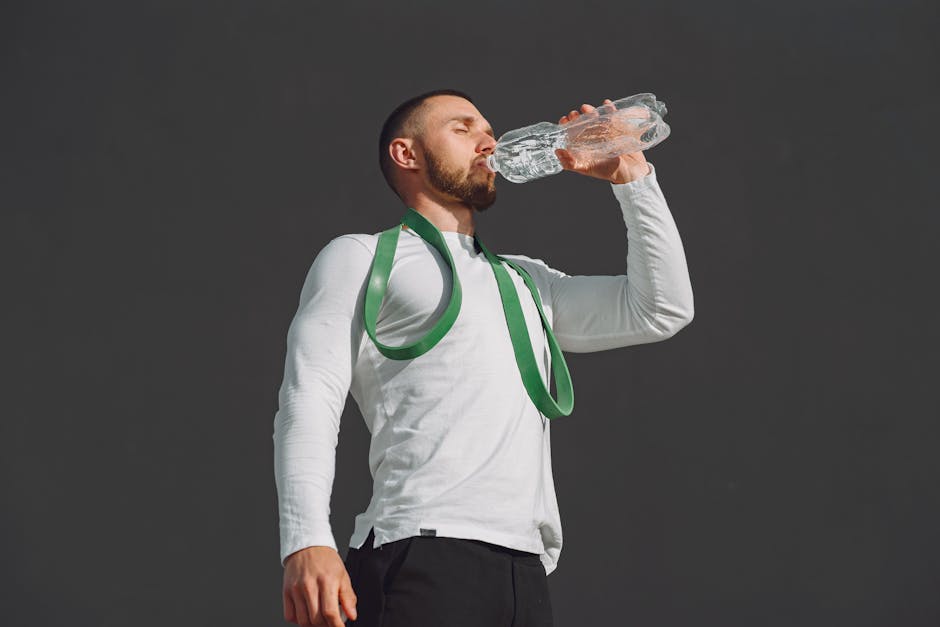
Imagine you’re in the middle of a crucial game. Your heart is racing, and you’re giving it your all.
But suddenly, you feel sluggish, your focus drifts, and your energy levels plummet. Ever wondered why that happens? Dehydration could be the hidden culprit sabotaging your performance. When you’re out there on the field or track, every drop of sweat counts, and losing more than you realize can seriously affect how well you play.
You’ll discover the surprising ways dehydration can impact your sports performance and learn simple strategies to keep it from holding you back. Stay hydrated and stay ahead—let’s dive into the details.

Credit: www.traceminerals.com
The Importance Of Hydration
Dehydration can significantly impact sports performance. It leads to reduced energy levels and poor concentration, affecting overall endurance. Athletes may experience muscle cramps and increased risk of injury, highlighting the need for proper hydration to maintain peak performance.
The Importance of Hydration Hydration plays a crucial role in sports performance. Athletes need enough water to function at their best. Water helps regulate body temperature. It transports nutrients to cells. It removes waste products. Proper hydration can improve endurance and strength.Understanding Body Water Balance
The body constantly loses water. Sweating, breathing, and digestion contribute to this loss. Balancing water intake and loss is vital. This ensures the body performs efficiently. Even slight dehydration can impair performance. Recognizing dehydration is important. Common signs include thirst and dry mouth. Fatigue and dizziness are other indicators. Dark urine can also signal dehydration. Athletes should watch for these signs.Benefits Of Staying Hydrated
Staying hydrated offers several benefits. It boosts energy levels. It supports healthy joints and muscles. Hydration aids in quick recovery after exercise. It enhances mental clarity and focus.Strategies For Effective Hydration
Athletes should drink fluids regularly. Water is the best choice. Sports drinks can help replenish electrolytes. Monitor fluid intake during activities. Drink more on hot days or during intense exercise. Keep a water bottle handy. Electrolytes are essential for hydration. They include sodium, potassium, and magnesium. These minerals help maintain fluid balance. They support muscle function and prevent cramps. Athletes can get electrolytes from foods or drinks.Signs Of Dehydration
Dehydration can lead to fatigue, muscle cramps, and decreased focus. These symptoms significantly hinder sports performance. Athletes may struggle to maintain endurance and speed, affecting overall game results.
Understanding the signs of dehydration is crucial for athletes. Dehydration can sneak up during intense physical activity, affecting performance and health. Recognizing early symptoms helps prevent more severe complications. This section explores the signs to watch out for during sports activities.Early Symptoms
Athletes may first notice thirst. Dry mouth is a common sign. Reduced sweat during exercise indicates dehydration. Fatigue and decreased energy often follow. Concentration might suffer, impacting decision-making. Lightheadedness or mild dizziness can occur. These symptoms may seem minor but signal early dehydration.Severe Indicators
As dehydration worsens, symptoms intensify. Rapid heartbeat is alarming. Breathing may become fast and shallow. Heat cramps are painful and disruptive. Nausea or vomiting can develop, affecting performance. Confusion and irritability may appear. Severe dehydration can lead to heat exhaustion. Immediate attention is needed to prevent health risks. Recognizing these indicators is vital for safety and success in sports.Physical Impacts On Athletes
Dehydration reduces an athlete’s endurance and strength. Muscles lose efficiency, causing quicker fatigue and performance drops. Reacting slower and concentrating less increases risk of errors.
Dehydration is a serious concern for athletes. It directly affects their physical performance. Even mild dehydration can lead to noticeable impacts on the body. Athletes need to understand these effects to maintain optimal performance levels. Hydration is crucial for maintaining endurance, muscle function, and preventing heat-related illnesses.Reduced Endurance
Dehydration leads to reduced endurance. The body’s ability to sustain activity decreases. Athletes may tire quickly during competitions. Water helps maintain energy levels and stamina. Lack of it slows down the body’s processes. This results in a drop in performance. Staying hydrated boosts endurance levels and enhances overall performance.Muscle Cramps
Muscle cramps are common with dehydration. They occur when muscles contract involuntarily. Lack of fluids can lead to painful cramps. This interrupts training sessions or competitions. Muscles need water for proper function. Hydration helps prevent cramps and supports muscle health. Athletes must drink enough fluids to avoid these cramps.Heat-related Illnesses
Heat-related illnesses are a risk during dehydration. The body struggles to regulate temperature. This leads to conditions like heat exhaustion or heat stroke. Sweating is less effective when dehydrated. This makes it harder to cool down. Proper hydration helps control body temperature. It reduces the risk of heat-related illnesses during physical activities. Athletes should monitor hydration levels closely to prevent these conditions.
Credit: www.instagram.com
Mental Effects Of Dehydration
Dehydration can lead to confusion and fatigue, affecting athletes’ focus and reaction time. Reduced mental clarity diminishes decision-making skills, impacting sports performance significantly.
Dehydration doesn’t just sap your energy; it can also take a serious toll on your mind. While athletes often focus on the physical effects of water loss, the mental impacts can be just as detrimental to performance. Picture this: you’re in the middle of a match, but suddenly you can’t think straight, your mood plummets, and your focus wavers. These are the hidden challenges dehydration can bring to the mental game.Cognitive Decline
When you’re dehydrated, your brain doesn’t function optimally. Simple tasks suddenly become difficult, and complex strategies seem impossible. You might notice that your reaction times are slower or that you’re making more mistakes than usual. A study showed that even mild dehydration can lead to decreased concentration and increased fatigue. Imagine missing a crucial pass or a vital calculation in the heat of competition. Staying hydrated is key to keeping your mind sharp and your performance on point.Mood Alterations
Dehydration can also mess with your mood. It can make you irritable, anxious, or even depressed. Think about the last time you snapped at a teammate or felt unusually stressed during a game. Was your water bottle empty? Mood swings can disrupt team dynamics and lower morale, affecting not just your performance but the entire team’s. Hydration isn’t just about quenching thirst; it’s about maintaining a balanced emotional state that keeps you and your team in sync. Have you ever noticed a shift in your mood during a game? Keeping track of your hydration could be the key to maintaining a stable mindset and ensuring that you remain a positive force on your team.Performance Metrics And Dehydration
Dehydration is a silent adversary for athletes, subtly undermining sports performance by affecting key metrics. As you push your limits, a lack of adequate hydration can significantly impair your abilities in speed, accuracy, and strength. Recognizing the connection between dehydration and these performance metrics is crucial for anyone serious about optimizing their athletic prowess.
Impact On Speed
When you’re dehydrated, your body struggles to maintain efficient blood flow, which is essential for muscle function. This can lead to slower reaction times and diminished speed. Imagine sprinting in a race and feeling sluggish despite your best efforts; it’s often not a lack of skill but dehydration holding you back. Staying hydrated ensures your muscles receive the oxygen they need to perform rapidly.
Influence On Accuracy
Dehydration doesn’t just affect your physical performance; it can cloud your mental clarity. Accurate performance in sports like archery or basketball requires sharp focus and precision. Ever missed an easy target or shot? It could be dehydration reducing your concentration and coordination. Hydration supports brain function, helping you make those critical, accurate moves.
Strength Reduction
Your muscles rely on hydration to maintain strength and endurance. Without adequate water, they can cramp and fatigue much faster. If you’ve ever felt weaker during a workout, dehydration could be the culprit. Hydrating well means your muscles can exert strength consistently without premature exhaustion. Are you giving your muscles the hydration they need to perform at their peak?

Credit: www.youtube.com
Hydration Strategies For Athletes
Athletes need proper hydration for peak performance. Dehydration can lead to fatigue and decreased coordination. Implementing effective hydration strategies is crucial for any athlete’s regimen.
Pre-exercise Hydration
Start hydrating hours before exercise. Drink 500-600 ml of water or sports drink two to three hours prior. This ensures your body is well-prepared for the physical challenge ahead.
During Exercise Hydration
While exercising, aim to drink 150-250 ml every 15-20 minutes. This helps maintain hydration levels. Sports drinks can replenish lost electrolytes and provide energy.
Post-exercise Rehydration
Rehydrate within two hours after exercise. Consume 450-675 ml for every 0.5 kg lost. This helps replenish fluids and supports muscle recovery.
Technology And Hydration Tracking
In sports, hydration plays a crucial role. Technology now helps athletes track their hydration levels. This ensures optimal performance and health. Let’s explore some tools that aid in hydration tracking.
Wearable Devices
Wearable devices offer real-time hydration data. They fit comfortably on your wrist or clip to your clothing. These gadgets monitor sweat rate and body temperature. Advanced models even measure electrolyte levels.
Such devices provide alerts for hydration needs. They help athletes maintain optimal fluid balance during activities. This technology supports informed hydration decisions, enhancing sports performance.
Hydration Apps
Hydration apps are accessible on smartphones. They track daily water intake and remind users to drink. Some apps sync with wearable devices for detailed insights.
These apps offer personalized hydration plans. They consider factors like activity level and climate. With user-friendly interfaces, they simplify hydration tracking. Athletes can easily monitor their hydration status and make necessary adjustments.
Case Studies And Research
Dehydration can lower energy and focus during sports activities. It reduces muscle strength and endurance, affecting overall performance. Proper hydration helps maintain peak athletic abilities.
Dehydration impacts sports performance significantly, as shown by various studies. It affects energy, endurance, and mental clarity. Understanding these effects through case studies helps athletes improve. Research provides insights into hydration’s role in athletic success. Examining professional and amateur athletes reveals dehydration’s wide-reaching consequences.Professional Athletes
Professional athletes often perform under intense conditions. Studies reveal dehydration leads to decreased performance. For example, research on marathon runners showed slower times. Dehydration causes muscle fatigue and reduces stamina. In football, players reported less focus and more errors. These findings highlight the importance of hydration strategies.Amateur Sports
Amateur athletes also face challenges due to dehydration. Studies on college players showed increased injury risk. Dehydration affected decision-making and reaction times. In youth sports, hydration impacts skill performance and enjoyment. Research indicates that even slight dehydration can hinder athletic progress. Understanding these effects helps coaches and athletes focus on proper hydration.The Role Of Electrolytes
Dehydration significantly impacts sports performance by reducing endurance and causing fatigue. Electrolytes help maintain fluid balance, crucial for muscle function and energy. Athletes need proper hydration to avoid cramps and decreased stamina during physical activities.
The role of electrolytes in sports performance is crucial. Electrolytes are minerals in your body fluids. They help manage water levels in your cells and tissues. During intense exercise, you lose electrolytes through sweat. Losing too many can lead to dehydration. This can affect your sports performance significantly.Importance In Hydration
Electrolytes like sodium and potassium maintain fluid balance. They help muscles function properly. Without enough electrolytes, muscles may cramp or feel weak. This can reduce your energy levels. Athletes need a good balance of electrolytes to stay hydrated. Proper hydration keeps you alert and focused. It also helps maintain endurance during sports activities.Sources Of Electrolytes
You can find electrolytes in many foods and drinks. Bananas and oranges are rich in potassium. Dairy products and leafy greens offer calcium. Salt provides sodium, which is vital for hydration. Sports drinks are also good sources. They replenish electrolytes lost during intense activities. Choosing the right sources can help maintain balance.Frequently Asked Questions
What Are Dehydration Symptoms In Athletes?
Dehydration in athletes can cause fatigue, dizziness, and decreased coordination. It may also lead to headaches and muscle cramps. Reduced endurance and increased perceived effort are common. Monitoring hydration is crucial for optimal performance.
How Does Dehydration Impact Endurance?
Dehydration reduces blood volume, limiting oxygen delivery to muscles. This results in decreased stamina and increased fatigue. Endurance athletes may experience slower recovery and impaired performance. Staying hydrated helps maintain blood flow and energy levels.
Can Dehydration Lead To Muscle Cramps?
Yes, dehydration can cause muscle cramps due to electrolyte imbalances. When dehydrated, the body struggles to regulate muscle contractions. This can lead to painful cramps and reduced athletic performance. Proper hydration and electrolyte balance are essential to prevent cramps.
How Does Dehydration Affect Mental Performance?
Dehydration negatively impacts mental performance by reducing focus and concentration. It can cause mood swings and impair decision-making. Cognitive functions like memory and attention may also decline. Staying hydrated is essential for maintaining mental sharpness during sports activities.
Conclusion
Dehydration can seriously impact sports performance. It leads to fatigue and slower reactions. Even slight dehydration affects focus and strength. This makes it tough for athletes to perform well. Staying hydrated is key. Drink water regularly during activities. Pay attention to your body’s signals.
Thirst and dry mouth are warning signs. Listen to them. Proper hydration supports energy levels and endurance. It also helps in recovery after exercise. Athletes need to prioritize drinking enough fluids. This will ensure peak performance on the field. Remember, water is crucial for athletic success.
Keep it simple, stay hydrated, and perform your best.