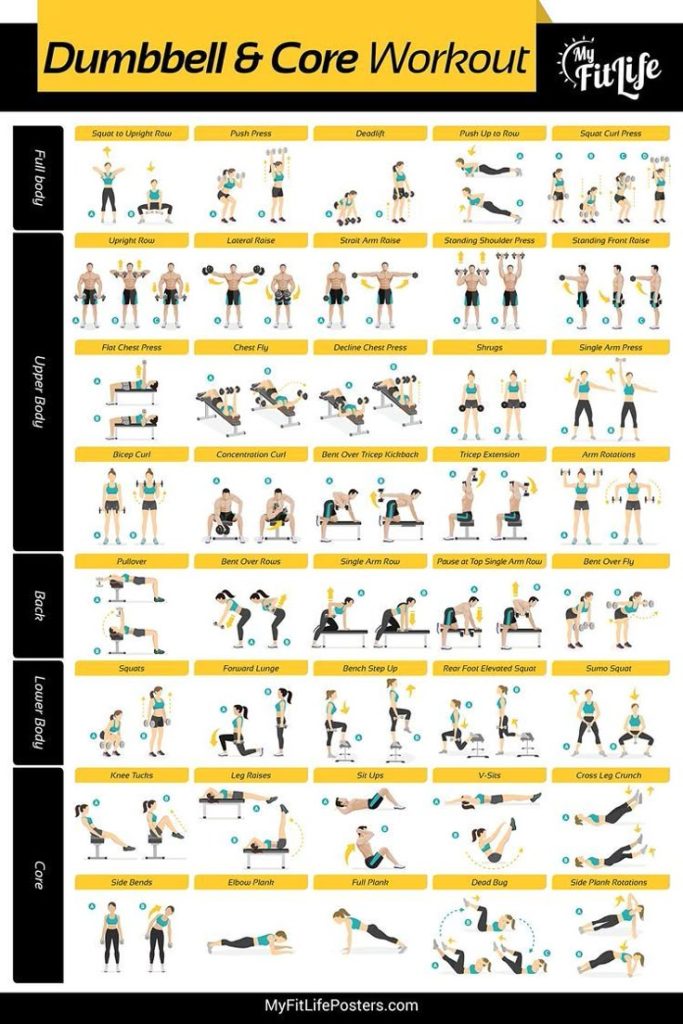
Are you ready to transform your gym routine and achieve the results you’ve always desired? Stepping into the gym can feel overwhelming with countless machines and workout options.
You might wonder, “Where do I even begin? ” But don’t worry, you’re not alone in this journey. Knowing exactly what workouts to do at the gym can be the game-changer you need. It’s time to uncover the secrets to effective gym workouts that can boost your confidence, elevate your fitness, and get you closer to your goals.
Stick with us, and by the end of this article, you’ll have a clear, tailored plan that will make every gym session count. Ready to discover your ultimate gym workout guide? Keep reading!

Credit: in.pinterest.com
Setting Fitness Goals
Choosing the right gym workouts can boost your fitness journey. Consider strength training for muscle growth and cardio for heart health. Mix exercises like squats, push-ups, and running for balanced fitness results.
Setting fitness goals is a crucial part of any workout journey. Before stepping into the gym, it’s essential to know what you want to achieve. Are you aiming to lose weight, build muscle, or enhance your endurance? These goals will guide your workout choices and help you stay motivated. Without clear objectives, it’s easy to lose focus and feel overwhelmed by the vast array of equipment and exercises.Understanding Your Motivation
Why do you want to get fit? Is it for health reasons, to boost your confidence, or simply for fun? Understanding your motivation can keep you on track. When the going gets tough, remembering why you started will help you push through those challenging days.Setting Smart Goals
The SMART framework can be a useful tool for setting fitness goals. Make them Specific, Measurable, Achievable, Relevant, and Time-bound. Instead of saying, “I want to get fit,” try “I want to run 5 kilometers in under 30 minutes within three months.” This gives you a clear target to work towards.Tracking Your Progress
How will you measure your success? Keeping a workout journal or using fitness apps can help you track progress. Seeing how far you’ve come can be a great motivator. Regularly reviewing your achievements can help you adjust your goals if needed.Flexibility In Your Goals
Life happens, and sometimes plans need to change. Be open to adjusting your goals as needed. Maybe you’ll find a new exercise you love or face a challenge that requires a change in direction. Flexibility ensures you stay on course without feeling discouraged.Celebrating Small Wins
Each step forward is a victory. Celebrate small achievements along the way. Did you lift heavier weights today or run longer than before? Recognizing these wins builds confidence and keeps the momentum going. Setting fitness goals isn’t just about the end result; it’s about the journey. What goal will you set today to start your path to a healthier you?Strength Training Basics
Strength training builds muscle and improves body strength. It is essential for fitness enthusiasts who want a toned physique. Understanding the basics helps in crafting effective workout routines. Let’s delve into some key concepts of strength training.
Compound Vs Isolation Exercises
Compound exercises work multiple muscle groups. They increase overall strength and coordination. Examples include squats, deadlifts, and bench presses. These exercises maximize efficiency in workouts.
Isolation exercises focus on one muscle group. They help in targeting specific areas. Bicep curls and leg extensions are examples. They are ideal for muscle definition and balance.
Free Weights Vs Machines
Free weights include dumbbells and barbells. They allow natural movement and improve stability. Using free weights engages more muscles. This leads to better overall strength.
Machines guide your movement. They are safer for beginners. Machines help in isolating muscles effectively. They offer controlled resistance for targeted training.
Effective Cardio Workouts
Gym cardio workouts like treadmill running, cycling, and rowing boost heart health. These exercises help burn calories and improve endurance. Mix them up for a balanced routine.
Effective cardio workouts boost heart health and burn calories. They improve endurance and help in weight management. Cardio workouts at the gym can vary widely. They can be tailored to different fitness levels and goals.High-intensity Interval Training
HIIT is a popular choice for many gym-goers. It involves short bursts of intense exercise followed by rest. This workout is efficient and burns calories fast. It boosts metabolism even after the workout. HIIT can be done on a treadmill, bike, or rower. A typical session lasts 20-30 minutes. It’s intense but effective.Steady-state Cardio Options
Steady-state cardio is consistent and less intense. It involves maintaining a steady pace for longer durations. This workout is ideal for beginners or those with joint issues. Walking, jogging, or cycling at a moderate pace are common examples. Sessions often last 45 minutes to an hour. It’s great for building endurance and burning fat.
Credit: cl.pinterest.com
Building A Balanced Routine
Creating a gym routine involves mixing cardio, strength, and flexibility exercises. Include treadmill runs, weightlifting, and yoga. This combination helps improve endurance, muscle strength, and relaxation.
Building a balanced routine at the gym is crucial for achieving your fitness goals. A well-rounded workout plan ensures you target all major muscle groups, promoting overall strength and preventing injuries. Whether you’re a beginner or a seasoned athlete, understanding how to distribute your efforts effectively can make all the difference.Upper Body Exercises
Upper body workouts are essential for building strength and definition in your arms, chest, and back. Incorporate exercises like bench presses, shoulder presses, and pull-ups to target different muscles. Mix free weights and machines to keep your routine exciting and effective. Consider alternating between heavy weights with fewer reps and lighter weights with more reps. This variation challenges your muscles differently, encouraging growth and endurance. How do you know which exercises are best for you? Experiment and find what feels right, ensuring you push yourself but not to the point of strain.Lower Body Workouts
Your lower body is the powerhouse of your physique. Squats, lunges, and deadlifts are foundational exercises that strengthen your legs and glutes. These movements not only build muscle but also improve balance and coordination. Think about the benefits of combining compound exercises with isolated ones, such as leg curls or calf raises. This approach ensures comprehensive development of your lower body. Have you noticed how a solid lower body routine enhances your daily activities? From climbing stairs to running, stronger legs make life easier and more enjoyable.Core Strengthening Moves
A strong core is the secret to stability and injury prevention. Planks, Russian twists, and bicycle crunches are excellent for engaging your abdominal muscles. Aim to incorporate a mix of static holds and dynamic movements to work your core effectively. Remember, a strong core supports every movement you make, both in the gym and in daily life. Why is core strength so crucial? It’s the foundation of your body, impacting posture, balance, and even your confidence. As you build this strength, you’ll notice improvements in other areas of your fitness routine.Incorporating Flexibility Training
Incorporate flexibility exercises like yoga and stretching into your gym routine. These activities enhance mobility and prevent injuries. Pair them with strength training for balanced fitness.
Flexibility training plays a crucial role in gym workouts. It helps improve your range of motion. It can prevent injuries and enhance performance. Incorporating flexibility exercises into your routine can boost overall fitness. You will feel more relaxed and agile. Flexibility training includes dynamic and static stretching. Both offer unique benefits for your body. Let’s explore these stretching techniques.Dynamic Stretching
Dynamic stretching involves active movements. These movements help warm up your muscles. They prepare your body for exercise. Dynamic stretches mimic the movements of your workout. This helps improve performance. You can try arm circles or leg swings. They increase blood flow to muscles. Dynamic stretches are best before workouts. They enhance flexibility and reduce the risk of injury. Always start with gentle movements. Gradually increase the range and speed.Static Stretching Techniques
Static stretching focuses on holding positions. You stretch a muscle group and hold for 15 to 30 seconds. This helps lengthen muscles and improve flexibility. Static stretching is ideal after workouts. It helps cool down your body. You can try stretches like the hamstring stretch or shoulder stretch. These techniques reduce muscle tightness. They improve relaxation and recovery. Ensure you breathe deeply while stretching. Avoid bouncing or sudden movements.Tracking Progress
Explore effective workouts like strength training, cardio exercises, and flexibility routines at the gym. Track your progress to stay motivated and achieve fitness goals efficiently. Mix different workouts for balanced results.
Tracking your progress in the gym is more than just a motivational tool; it’s a crucial part of reaching your fitness goals. Knowing how far you’ve come can keep you on the path to success. It helps you understand what works for you and what doesn’t, allowing you to tailor your workouts for maximum effectiveness.Using Fitness Apps
Fitness apps can be a game changer for tracking your workouts. They offer features that allow you to log your exercises, sets, and reps effortlessly. Imagine finishing a workout and immediately seeing your progress charted out on your phone. Many apps can sync with wearable devices, providing insights into your heart rate, calories burned, and even sleep quality. This data can reveal patterns you might not notice otherwise, helping you adjust your routine for better results. With so many options available, you can find an app that fits your specific needs and preferences.Keeping A Workout Journal
A workout journal is a simple yet powerful tool. Writing down your exercises, weights, and reps can help you spot trends and plateaus in your progress. It’s like having a personal history book of your fitness journey. The act of writing can also make your goals feel more tangible and real. Seeing your progress on paper can be incredibly rewarding and motivating. If you’ve ever felt stuck or unmotivated, flipping back through your journal might just give you the push you need. Both methods can transform your gym experience by providing clear evidence of your hard work and achievements. So, which method will you try first?Nutrition And Recovery
Achieving fitness goals requires more than just lifting weights or running on the treadmill. Nutrition and recovery play a crucial role in maximizing workout benefits. Proper nutrition fuels your body, while recovery allows muscles to heal and grow stronger. Balancing both aspects ensures consistent progress and reduces injury risks.
Pre And Post-workout Nutrition
What you eat before a workout can boost your performance. Carbohydrates provide energy, while proteins help maintain muscle. A banana with yogurt or a slice of whole-grain bread with peanut butter can be great pre-workout snacks.
After exercising, your body needs to refuel. Consuming proteins and carbs aids muscle recovery. A smoothie with protein powder and fruits or a turkey sandwich are good options. Hydration is also essential, so drink water before, during, and after workouts.
Importance Of Rest Days
Rest days are as important as workout days. They allow your muscles to recover and grow. Skipping rest can lead to fatigue and injuries. Listen to your body. Rest when you feel tired or sore.
Incorporate at least one or two rest days each week. During these days, engage in light activities like walking or stretching. This helps maintain flexibility and circulation without straining your muscles. Proper rest supports long-term fitness success.
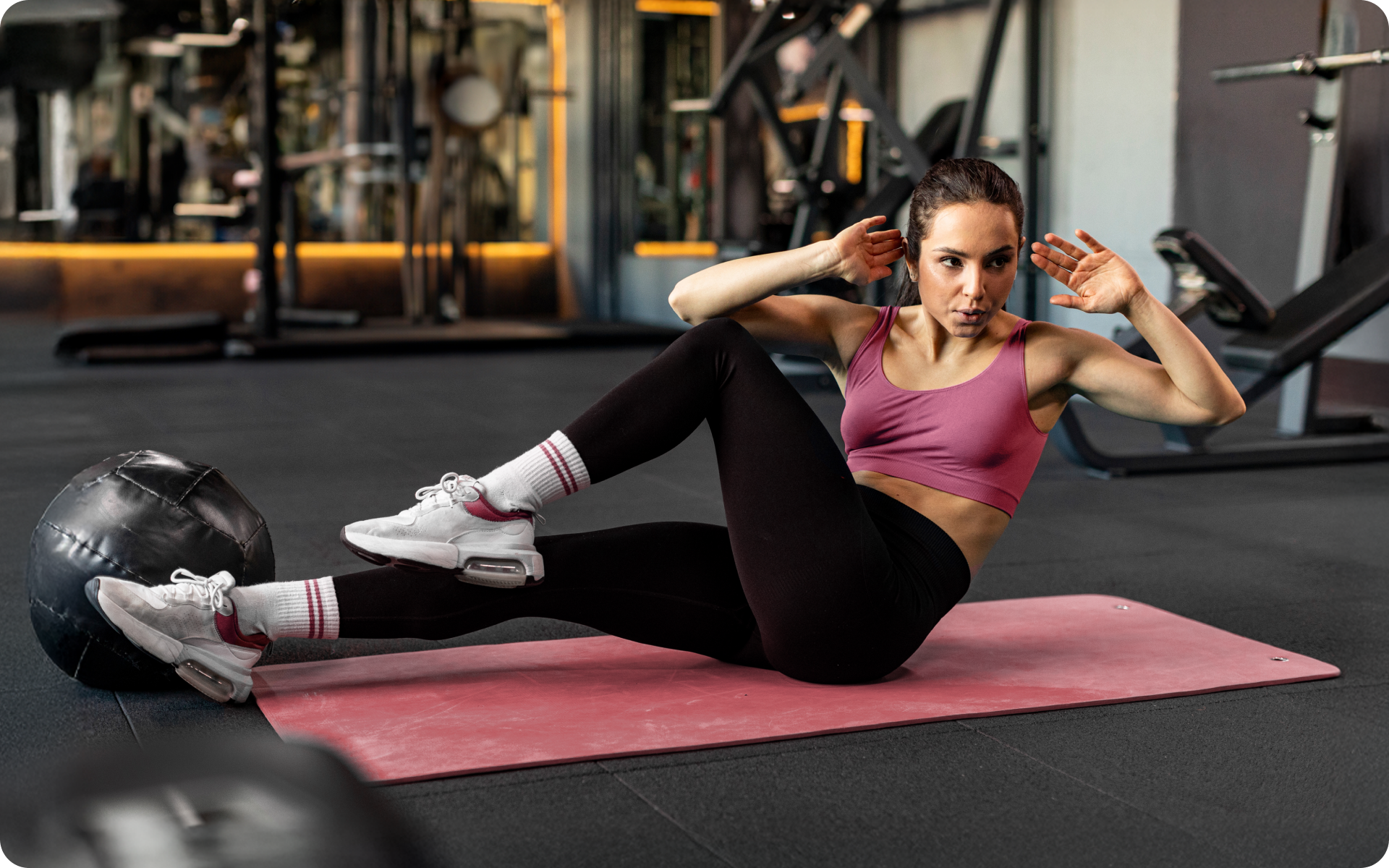
Credit: betterme.world
Avoiding Common Mistakes
Walking into a gym can be both exhilarating and daunting. With countless machines and weights at your disposal, it’s easy to get caught up in the excitement. However, even seasoned gym-goers can fall into common pitfalls that hinder progress. Avoiding these mistakes not only ensures safety but also maximizes your workout efficiency. Let’s dive into how you can sidestep these errors and make the most of your gym sessions.
Overtraining Risks
Pushing your body beyond its limits can seem like dedication, but it often leads to burnout or injury. Rest days aren’t just for relaxing; they’re crucial for muscle recovery and growth. Overtraining can lead to fatigue, decreased performance, and even chronic injuries.
Imagine feeling constantly tired despite working out regularly. That’s your body signaling it’s had enough. Listen to your body and give it the rest it deserves. Balance is key to sustainable progress.
Ignoring Proper Form
Proper form is the foundation of any workout. Without it, you risk injury and reduce the effectiveness of your exercises. It’s tempting to lift heavier weights or rush through reps, but doing so with poor form can be detrimental.
Consider this: lifting lighter weights with correct form can be more beneficial than struggling with heavier ones. Focus on quality over quantity. Pay attention to your posture and movements, ensuring each exercise is performed safely and effectively.
Don’t hesitate to ask for guidance. Many gyms offer trainers who can help correct your form. A few tweaks can make all the difference in your workout results.
Frequently Asked Questions
What Are The Best Gym Workouts For Beginners?
For beginners, start with basic exercises like squats, push-ups, and planks. These build strength and stability. Incorporate cardio exercises like cycling or treadmill walking to improve endurance. Gradually, add weight training to your routine. It’s essential to focus on proper form and consistency for the best results.
How Often Should I Work Out At The Gym?
Aim for at least three to four gym sessions per week. This frequency helps build strength and endurance without overwhelming your body. Balance your workouts with rest days to allow muscle recovery. Listen to your body and adjust your schedule as needed for optimal performance and health.
What Gym Workouts Help Lose Belly Fat?
To lose belly fat, combine cardio exercises like running or cycling with strength training. Focus on compound exercises like deadlifts, squats, and bench presses. These boost metabolism and burn calories. Consistency and a balanced diet are crucial for effective fat loss and achieving a toned physique.
How Can I Avoid Gym Workout Injuries?
To avoid injuries, start with a proper warm-up before workouts. Gradually increase intensity and weight. Focus on maintaining correct form during exercises. Use appropriate equipment and seek guidance from a trainer if unsure. Allow adequate rest and recovery to prevent strain and overuse injuries.
Conclusion
Choosing the right gym workouts boosts your fitness journey. Focus on exercises that match your goals. Mix cardio with strength training for balance. Listen to your body and rest when needed. Consistency is key; stay committed for best results. Explore different routines to keep things exciting.
Ask a trainer for guidance if unsure. Track your progress to stay motivated. Remember, every workout counts towards a healthier you. Keep pushing forward and enjoy the process. Fitness is a lifelong journey. Enjoy every step.