When you hit the gym, the goal is to get stronger and healthier, not to walk away with an injury. Yet, back injuries can happen, and they can be a real setback to your fitness journey.
You might have seen others wearing weight belts and wondered if they are the secret to avoiding back pain. Are these belts truly effective in preventing back injuries, or are they just another piece of gym gear hype? Imagine the peace of mind you could have while lifting, knowing you’re doing everything possible to protect your back.
We’re diving into the truth about weight belts and their role in safeguarding your spine. You’ll discover whether this popular gym accessory is a must-have for your workout routine or just an unnecessary addition to your gym bag. Stick with us, and you’ll be equipped with the knowledge to make informed decisions about your back health and fitness equipment.
Role Of Weight Belts
Weight belts play a crucial role in weightlifting. They are often seen as a protective measure. Their main function is to provide support during heavy lifts. Many lifters swear by their benefits. But do they truly prevent back injuries? Let’s explore the role of weight belts.
Purpose In Weightlifting
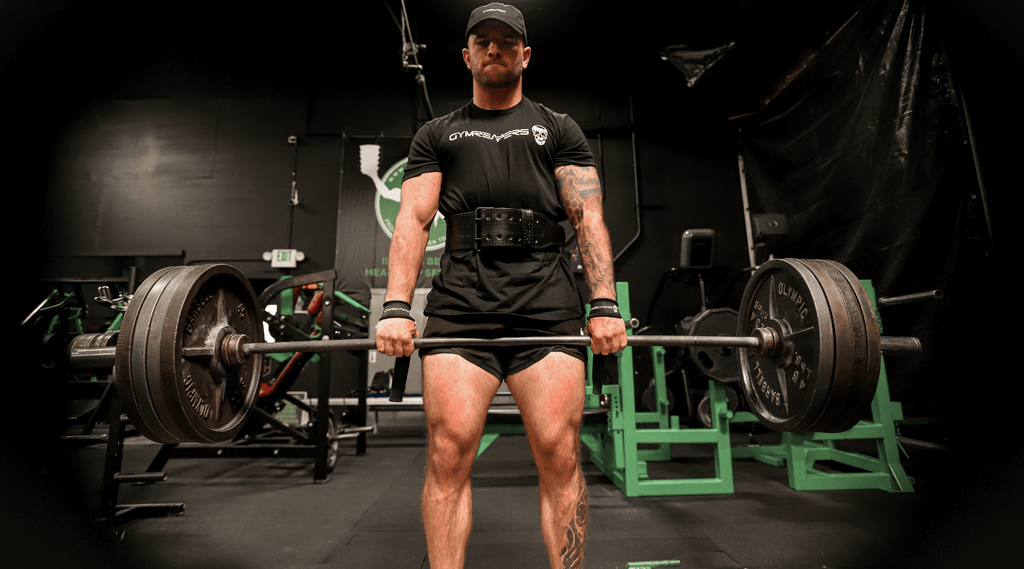
Weight belts are designed to stabilize the spine. They help create abdominal pressure, crucial during lifts. This pressure supports the lower back. It reduces the risk of injury. Belts are especially helpful in heavy lifts like squats or deadlifts. They assist in maintaining proper form. This is key to preventing strain on the back. Some athletes feel more confident with a belt. This confidence can enhance their performance.
Materials And Design
Weight belts come in various materials. Leather belts are common. They are durable and offer firm support. Nylon belts are lighter and more flexible. Belts vary in width and thickness. A wider belt offers more support. Thicker belts provide increased stability. The buckle design is also important. Double-pronged buckles offer secure fastening. Velcro closures allow for easy adjustments.

Credit: gunsmithfitness.com
Mechanics Of Back Support
The mechanics of back support are crucial when considering how to prevent injury during weightlifting. Weight belts are often used as a tool to support the back, but how effective are they? Understanding the underlying mechanics can help you make informed decisions about your safety and performance.
How Weight Belts Work
Weight belts function by increasing intra-abdominal pressure. This pressure acts like a cushion, reducing the load on your spine. When you’re lifting heavy, this added support can be a game-changer.
Think of it as giving your core a little extra help. By stabilizing your trunk, weight belts can enhance your ability to lift safely. However, relying solely on them might not be wise. Are you using your belt correctly to maximize benefits?
Impact On Spinal Alignment
Spinal alignment is critical in preventing back injuries. A weight belt can aid in maintaining proper alignment during lifts. This helps in distributing the load more evenly across your spine.
When your spine is aligned correctly, you reduce the risk of compressive forces causing damage. But are weight belts a substitute for good form? Absolutely not. They should complement a solid lifting technique, not replace it.
Are weight belts the ultimate solution for back support? Or should you focus more on strengthening your core? Balancing these aspects could be key in enhancing your lifting experience.
Scientific Research Insights
Weight belts are popular in gyms worldwide. People believe they prevent back injuries. But what does science say? Understanding the research can provide clarity. This section explores the findings from scientific studies.
Studies On Injury Prevention
Several studies have examined weight belts and back injury prevention. Some research shows belts help stabilize the spine. They increase abdominal pressure, offering support. This support can reduce stress on the back. Yet, not all studies agree. Some suggest belts give a false sense of security. This might lead to lifting heavier weights incorrectly. So, the answer isn’t clear-cut.
Data On Performance Enhancement
Weight belts also impact performance. Some data suggest belts help lift more weight. They may improve lifting technique too. Better technique can lead to fewer injuries. Yet, relying too much on belts isn’t ideal. Building core strength is crucial for long-term health. Studies point out that belts are tools, not solutions. They should complement training, not replace core work.

Credit: www.gymreapers.com
Benefits Of Using Weight Belts
Weight belts have long been a staple in the gym for those looking to lift heavy and protect their backs. But do they really help prevent injuries? Many fitness enthusiasts swear by them, citing a range of benefits that can enhance your lifting sessions. Let’s dive into some of these advantages and see how they could support your workout routine.
Increased Intra-abdominal Pressure
One of the primary benefits of using a weight belt is the increased intra-abdominal pressure it provides. This pressure acts like a natural brace for your spine, offering additional support and stability during heavy lifts. Imagine having a sturdy, built-in support system that helps keep your back aligned and reduces the risk of injury.
Try wearing a belt the next time you’re attempting a personal best in deadlifts or squats. You might notice an immediate difference in how secure and confident you feel. This added pressure doesn’t just protect; it can also enhance your overall performance by allowing you to focus on your technique rather than worrying about your back.
Improved Lifting Technique
Using a weight belt can also help improve your lifting technique. By giving you that extra bit of support, it encourages you to maintain proper form, especially during complex movements. Think of it as a guide that keeps you on track when fatigue sets in and your form starts to waver.
Next time you’re lifting, pay attention to your posture and alignment. The belt can serve as a reminder to engage your core and protect your lower back, making sure you lift with your legs and not your back. Have you ever noticed how seasoned lifters wear their belts? It’s not just for show; it’s a tool for precision and safety.
Are you considering adding a weight belt to your gym bag? Remember, while belts offer great benefits, they should be used wisely and not as a crutch for poor technique. Always prioritize learning proper lifting techniques first before relying on any equipment.
Limitations And Misconceptions
Weight belts are often seen as the ultimate solution to preventing back injuries during heavy lifting. However, they have their limitations and are surrounded by misconceptions. Understanding these can help you make informed decisions about their use.
False Sense Of Security
Wearing a weight belt can create a false sense of security. Many lifters believe they are invincible with a belt on, leading them to attempt heavier weights than they can handle. This can increase the risk of injury rather than prevent it.
Consider how you feel when you put on a seatbelt in a car. You might drive more aggressively because you feel safer. Similarly, relying solely on a weight belt can make you overlook proper form and technique, which are crucial for preventing injuries.
Dependency And Muscle Weakness
Over-reliance on weight belts can lead to dependency. When used excessively, your core muscles might not develop the strength they need. Your body’s natural stabilizing muscles can weaken over time, making you more prone to injuries when not wearing the belt.
Think about those who always use GPS for navigation. They become reliant on it and struggle to find their way without it. Likewise, if you constantly use a weight belt, you may struggle to lift without it, compromising your overall strength development.
Have you ever noticed how your body feels after a workout without a belt? It’s likely that your core muscles were more engaged, helping you build strength naturally. Is it time to reassess how often you rely on weight belts in your routine?
Alternative Back Injury Prevention
While weight belts are often seen as a safety measure during heavy lifting, they are not the only solution for preventing back injuries. Focusing on alternative methods can offer lasting benefits and a holistic approach to back health. Let’s explore some effective strategies that can enhance your overall strength and protect your back.
Strengthening Core Muscles
Building a strong core is crucial for back injury prevention. Your core muscles stabilize your spine and pelvis, providing support during physical activities. Incorporate exercises like planks, bridges, and leg raises into your routine. Consistency is key; aim for three days a week to see improvements.
When I first started focusing on my core, I noticed a significant decrease in the occasional back pain I experienced. Could strengthening your core be the answer to your back troubles?
Proper Lifting Techniques
Learning the right way to lift can dramatically reduce the risk of injury. Bend your knees and keep the object close to your body. Avoid twisting your torso; instead, pivot with your feet. This technique distributes weight evenly, relieving stress from your spine.
Consider your daily lifting habits. Are you mindful about how you lift, or do you rush through the motions? Making small changes in your technique can make a big difference in your back health.
Expert Opinions
Weight belts can offer support during heavy lifting, but experts debate their role in preventing back injuries. Proper technique and strength training are crucial, often more effective than relying solely on belts.
When it comes to understanding whether weight belts prevent back injuries, expert opinions vary significantly. The debate features insights from fitness trainers and medical professionals alike, each bringing a unique perspective. While some experts advocate for weight belts as essential gear for heavy lifting, others urge caution, emphasizing that proper technique and strength training might be more effective in preventing injuries.Views From Fitness Trainers
Many fitness trainers recommend weight belts for their clients, especially those lifting heavy loads. They often argue that weight belts can help stabilize the spine and reduce stress on the lower back during intense lifting sessions. However, trainers also stress that a weight belt is not a substitute for proper form and should not be relied upon as a crutch. Some trainers share personal anecdotes about clients who improved their lifting performance and reduced injury risk after incorporating weight belts into their routines. Yet, they emphasize the importance of using belts correctly and only when necessary.Medical Professionals’ Perspectives
Medical professionals, including physical therapists and chiropractors, often have a more cautious view on the use of weight belts. They argue that over-reliance on belts might weaken the core muscles, making individuals more susceptible to injury in the long run. Doctors often advise that building a strong core through targeted exercises can be more beneficial. They highlight that while belts can provide temporary support, they shouldn’t replace foundational strength training and good lifting techniques. The question remains: Should you use a weight belt, or focus more on building strength and technique? Understanding both sides of the debate can help you make an informed decision that suits your fitness goals and health needs.
Credit: www.gymreapers.com
Frequently Asked Questions
Do Weight Belts Really Prevent Back Injuries?
Weight belts can help prevent back injuries by stabilizing the spine during heavy lifts. They increase intra-abdominal pressure, providing support. However, relying solely on belts may lead to weaker core muscles over time. It’s essential to combine belt use with proper technique and core strengthening exercises for optimal back health.
When Should I Use A Weight Belt?
You should use a weight belt during heavy lifts or maximal efforts. This includes squats and deadlifts. Belts are most beneficial when lifting weights above 85% of your one-rep max. For lighter lifts, relying on core strength is advisable to build stability and prevent dependency on the belt.
Can Weight Belts Improve Lifting Performance?
Yes, weight belts can enhance lifting performance by increasing intra-abdominal pressure. This results in better spinal support. This increased support can lead to improved lifting efficiency and potentially higher lifting numbers. However, it’s important to use them correctly and not as a substitute for proper lifting techniques.
Are Weight Belts Necessary For Beginners?
Weight belts are not necessary for most beginners. Beginners should focus on learning proper form and building core strength. As they progress and start lifting heavier weights, they can consider using belts. It’s crucial to consult with a trainer to ensure correct use and avoid over-reliance on the belt.
Conclusion
Weight belts can help support your back during heavy lifting. They reduce strain and stabilize your spine. But they don’t guarantee injury prevention. Relying solely on a belt isn’t wise. Proper lifting techniques are crucial. Strengthening your core is essential too.
Use belts as an aid, not a crutch. Listen to your body and adjust your routines. Always prioritize safety over lifting heavier weights. Consult professionals for personalized advice. This ensures you make informed decisions. A balanced approach keeps your back safe and strong.
Stay mindful and lift smart.