
Have you ever wondered whether wholemeal bread could be the secret weapon in your weight loss arsenal? With so many diets and food options out there, it’s easy to feel overwhelmed.
You might be asking yourself: Is wholemeal bread good for weight loss or just another fad? Imagine finding a delicious staple that fits effortlessly into your lifestyle while helping you shed those extra pounds. Picture enjoying a slice of hearty bread without the guilt or fear of derailing your diet.
This could be your reality. By understanding the benefits and nutritional value of wholemeal bread, you can make informed choices that align with your weight loss goals. Stick with us as we uncover the truth and empower you to make the best decision for your health journey.

Credit: www.instagram.com
Wholemeal Bread Basics
Wholemeal bread often finds its way into the shopping carts of those aiming for a healthier lifestyle. But what makes it a popular choice for weight loss enthusiasts? Understanding the basics of wholemeal bread can help you make informed choices about its role in your diet.
What Is Wholemeal Bread?
Wholemeal bread is made from whole grains, keeping the bran, germ, and endosperm intact. This means it retains more nutrients compared to white bread. The grains undergo minimal processing, preserving essential fibers and vitamins. If you’ve ever wondered why wholemeal bread feels denser, it’s because of these wholesome grains packed into each slice.
Nutritional Profile
Wholemeal bread is rich in dietary fiber, which aids digestion and keeps you feeling fuller longer. This can be a boon for weight loss as it reduces the urge to snack frequently. Besides fiber, wholemeal bread provides vital nutrients like B vitamins, iron, and magnesium. These nutrients are crucial for maintaining energy levels and supporting metabolic functions.
- Fiber:Helps in controlling hunger and maintaining a healthy gut.
- B Vitamins:Essential for energy production and reducing fatigue.
- Iron:Supports your immune system and prevents anemia.
- Magnesium:Aids in muscle function and boosts metabolism.
Have you noticed a difference in your energy levels after switching to wholemeal bread? The nutritional benefits are not just theoretical—they can have real impacts on your daily life and weight loss journey.
Next time you’re at the grocery store, consider the nutritional advantages of wholemeal bread. Is it time to make a switch for better health?
Role In Weight Loss
Wholemeal bread often finds its way into the shopping cart of health-conscious individuals. But is it really your ally in the quest for weight loss? Understanding its role in weight loss can help you make informed decisions. Wholemeal bread can potentially support weight loss due to its nutritional profile, but how effective is it really? Let’s dive into the specifics.
Caloric Content
Wholemeal bread typically contains fewer calories than its white counterpart. This can be beneficial when you’re trying to manage your calorie intake. Each slice usually offers around 70-80 calories, allowing you to enjoy it without tipping the scale.
Have you considered swapping your regular toast for wholemeal? This simple change might save you a few calories daily. However, remember that moderation is key. Eating wholemeal bread in large quantities might negate its low-calorie advantage.
Fiber And Satiety
One of the standout features of wholemeal bread is its fiber content. A slice can pack up to 4 grams of fiber, promoting a feeling of fullness. This can help reduce the urge to snack between meals, aiding your weight loss journey.
Imagine this: you eat a hearty wholemeal sandwich, and feel satisfied longer. This could prevent those afternoon cravings for a sugary snack. Does your current diet leave you frequently hungry? Incorporating more fiber-rich options like wholemeal bread might be the solution.
The presence of fiber also supports digestive health, which plays an important role in weight management. A healthy gut might be the secret ingredient you need.
Health Benefits
Wholemeal bread supports weight loss by being high in fiber, helping you feel full longer. It contains fewer calories than white bread, making it a healthier option for those looking to manage their weight.
Wholemeal bread is not just a delicious alternative to white bread; it’s also packed with numerous health benefits that can support your weight loss journey. Rich in fiber, vitamins, and minerals, wholemeal bread offers more than just a filling meal—it provides essential nutrients that your body needs to function optimally. Understanding these health benefits can help you make informed choices about incorporating wholemeal bread into your diet.Digestive Health
Wholemeal bread is a fantastic source of dietary fiber, which plays a crucial role in maintaining digestive health. The high fiber content aids in regulating bowel movements and preventing constipation. This can lead to a more comfortable and efficient digestive process, which is essential when you’re trying to lose weight. Fiber also promotes a feeling of fullness, which can help you control your appetite and reduce overall calorie intake. Have you ever noticed how you feel less hungry after eating a slice of wholemeal bread compared to white bread? This is because fiber-rich foods take longer to digest, keeping you satisfied for longer periods.Blood Sugar Control
Managing blood sugar levels is vital for anyone looking to lose weight, and wholemeal bread can be a valuable ally in this regard. Unlike refined grains, wholemeal bread has a lower glycemic index, meaning it causes a slower and more gradual rise in blood sugar levels. This can help you avoid the spikes and crashes in energy that often lead to unhealthy snacking. Consistent blood sugar levels not only support weight loss but also enhance your overall well-being. By choosing wholemeal bread, you are making a conscious decision to stabilize your energy levels throughout the day. This can lead to better food choices and less temptation to reach for sugary snacks. Incorporating wholemeal bread into your diet can be a simple yet effective strategy for supporting your weight loss goals. Have you tried replacing white bread with wholemeal in your meals? The benefits extend beyond just the scale, contributing to a healthier and more balanced lifestyle.Comparing Bread Types
Choosing the right bread can impact weight loss. Different types offer unique benefits and nutritional profiles. Wholemeal bread stands out for its higher fiber content. It often has more nutrients compared to other breads. Let’s compare wholemeal bread with other popular options.
Wholemeal Vs White Bread
Wholemeal bread retains the bran and germ parts of the grain. This means it has more fiber, which aids digestion. White bread, on the other hand, is made from refined flour. It lacks fiber and essential nutrients. Wholemeal bread can help you feel full longer.
Eating wholemeal bread may reduce snacking. White bread can lead to quicker hunger. This difference can support weight loss efforts.
Wholemeal Vs Other Whole Grains
Wholemeal bread is just one option among whole grains. Quinoa, brown rice, and oats are other popular whole grains. These grains often have unique nutrients and benefits. Wholemeal bread is convenient and easily accessible.
Whole grains like quinoa offer protein and fiber. Brown rice provides complex carbohydrates. Wholemeal bread offers a balance of nutrients. It can be a practical choice for everyday meals.
- Wholemeal bread: High in fiber, convenient
- Quinoa: Rich in protein, versatile
- Brown rice: Good source of carbs
Incorporating Wholemeal Bread
Wholemeal bread can be a smart choice for weight loss. It’s packed with fiber, which helps you feel full longer. This can reduce the urge to snack between meals. Wholemeal bread also contains essential nutrients like vitamins and minerals. These nutrients are vital for overall health. Incorporating wholemeal bread into your diet can be simple and effective. Let’s explore some tips and ideas to make it work for you.
Meal Planning Tips
Plan your meals to include wholemeal bread in a balanced way. Start your day with a slice of wholemeal toast. Pair it with a poached egg or avocado for protein and healthy fats. For lunch, make a sandwich with lean turkey, spinach, and tomato. This combination provides a good mix of nutrients. For dinner, use wholemeal bread as a base for homemade pizza. Top with vegetables and a sprinkle of cheese. This keeps your meals diverse and nutritious.
Healthy Topping Ideas
Enhance wholemeal bread with healthy toppings. Try hummus and cucumber slices for a refreshing snack. Peanut butter and banana offer a sweet and satisfying option. Cottage cheese with sliced strawberries adds a touch of sweetness. For a savory choice, use mashed avocado with cherry tomatoes. Add a pinch of salt and pepper for flavor. These toppings keep your diet varied and enjoyable.
Credit: www.hollandandbarrett.com
Potential Drawbacks
Potential Drawbacks Wholemeal bread, while healthier than white, contains more calories than expected. Overeating can hinder weight loss goals. Some people may experience bloating or digestive discomfort due to its high fiber content.
Wholemeal bread often comes up in discussions about healthy eating and weight loss. While it has benefits, it’s important to be aware of potential drawbacks. Understanding these can help you make informed choices and ensure wholemeal bread fits well into your diet plan.Allergies And Sensitivities
If you have gluten sensitivity or celiac disease, wholemeal bread might not be your best choice. It contains gluten, which can cause discomfort and digestive issues. Even if you’re not diagnosed with these conditions, pay attention to how your body reacts. Some people experience bloating or other symptoms after eating wholemeal bread. Reading labels and consulting with a healthcare professional can help you navigate these concerns.Misleading Packaging
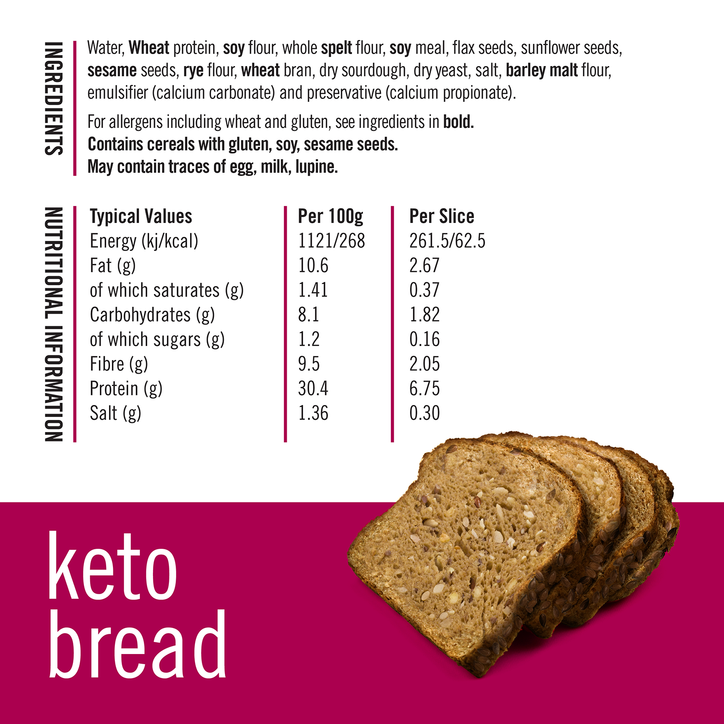
Not all wholemeal bread is created equal. Some products use misleading packaging, making them seem healthier than they are. The word “wholemeal” might appear prominently on the label, but the bread could still contain high levels of sugar or preservatives. Always check the ingredient list and nutritional information. Look for bread with whole grains listed as the first ingredient and minimal additives. Have you ever thought a product was healthy, only to find out it wasn’t? It’s a common experience, and being vigilant can prevent it. By staying informed, you can avoid falling for marketing tricks and choose bread that truly supports your weight loss goals.Expert Opinions
Wholemeal bread is often discussed in the context of weight loss. Many people wonder if it can help with shedding pounds. To shed light on this, we explore what experts say. Nutritionists and dietitians provide valuable insights. Their opinions can guide you in making informed choices.
Nutritionist Insights
Nutritionists emphasize the benefits of wholemeal bread. It is rich in fiber and essential nutrients. Fiber aids digestion and keeps you full longer. This can reduce overall calorie intake. Wholemeal bread also has a low glycemic index. This means it releases sugar slowly into the bloodstream. It helps maintain stable energy levels. Nutritionists often recommend it as part of a balanced diet.
Dietitian Recommendations
Dietitians often recommend wholemeal bread for weight loss. They highlight its nutrient density over white bread. Wholemeal bread contains more vitamins and minerals. This makes it a healthier choice. Dietitians suggest eating it in moderation. They advise pairing it with protein or healthy fats. This combination can enhance satiety and control hunger. Wholemeal bread fits well in a weight management plan.

Credit: m.facebook.com
Frequently Asked Questions
Is Wholemeal Bread Low In Calories?
Wholemeal bread is generally lower in calories compared to white bread. It contains more fiber, which helps you feel full longer. Choosing wholemeal bread can support weight loss by reducing calorie intake and curbing hunger. However, portion control is crucial for effective weight management.
Does Wholemeal Bread Contain More Fiber?
Yes, wholemeal bread is rich in dietary fiber compared to refined breads. This high fiber content aids digestion, promotes a feeling of fullness, and helps control appetite. Consuming fiber-rich foods like wholemeal bread can be beneficial for weight loss and overall digestive health.
Can Wholemeal Bread Help You Lose Belly Fat?
Wholemeal bread can aid in reducing belly fat when part of a balanced diet. Its high fiber content helps control hunger and improves metabolism. While it won’t target belly fat specifically, it supports overall weight loss, which can lead to reduced abdominal fat over time.
Is Wholemeal Bread Better Than White Bread For Weight Loss?
Wholemeal bread is better for weight loss due to its higher fiber content. It promotes satiety, reduces calorie intake, and stabilizes blood sugar levels. Unlike white bread, wholemeal bread provides essential nutrients that support a healthy diet, making it a preferable choice for weight management.
Conclusion
Wholemeal bread can help with weight loss. It provides essential nutrients. Its fiber content keeps you full longer. This reduces the urge to snack. Choosing wholemeal over white bread supports a balanced diet. But remember, moderation is key. Eating too much of any food can hinder weight goals.
Pair wholemeal bread with healthy foods. This boosts nutrition and aids in weight management. Always check labels for added sugars. Choose wisely for best results. With the right approach, wholemeal bread can be a healthy choice. Enjoy it as part of a varied diet.
Stay active for better outcomes.