Imagine this: You’re gearing up for a morning run or a weekend soccer match. The last thing you want is a sports injury sidelining you.
But did you know that there are simple steps you can take to protect yourself? Injuries can feel like an unwelcome guest, disrupting your routine and dampening your spirits. The good news? You have the power to keep them at bay.
In this guide, you’ll discover practical tips to prevent sports injuries and keep you active and healthy. Ready to learn how to stay in the game without the pain? Let’s dive in and give your body the care it deserves.
Common Causes Of Sports Injuries
Muscle strain, overuse, and improper technique often lead to sports injuries. Prevent them by warming up, using correct gear, and maintaining good form during activities. Regular breaks and hydration also help to keep injuries at bay.
Engaging in sports is a fantastic way to stay active, but it’s not without its risks. Understanding the common causes of sports injuries can help you take preventive measures. Often, injuries occur due to a combination of factors, and identifying these can be your first step toward safer play. Let’s delve into what often leads to these setbacks.Overtraining
Pushing your limits is commendable, but overtraining can lead to fatigue and increase the risk of injury. When muscles are overworked, they become less effective at supporting your body during activity. Consider alternating intense workouts with lighter sessions to give your body the recovery it needs.Poor Technique
Using incorrect form or technique can put undue stress on certain parts of your body. Think of a tennis player using improper grip or a runner with poor stride. These mistakes can lead to strains or sprains. Investing time in learning the proper techniques is not just for beginners; even seasoned athletes need to revisit fundamentals occasionally.Inadequate Warm-up
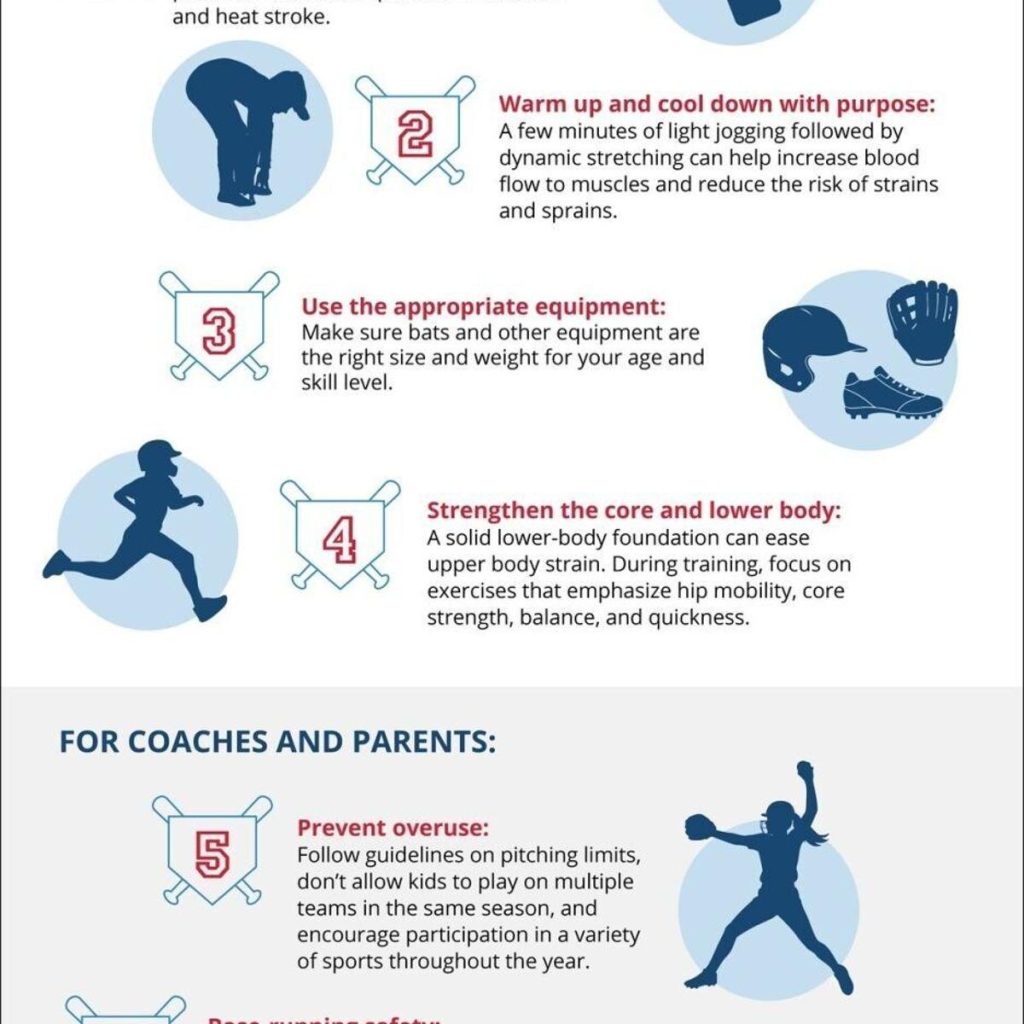
Jumping straight into exercise without warming up is like starting a car without oil. Your muscles need to be prepared for the strain ahead. A good warm-up increases blood flow and flexibility, reducing the likelihood of injury. A mix of dynamic stretches and light cardio can be a perfect start.Environmental Factors
Sometimes, it’s the environment that catches you off guard. Slippery surfaces, uneven terrain, or even extreme weather can increase the risk of injury. Awareness and preparation are key. Check your surroundings and adjust your activity accordingly.Using Unsuitable Equipment
Not all equipment is one-size-fits-all. Ill-fitting shoes, worn-out gear, or inappropriate protective equipment can lead to injuries. Regularly inspect your gear and ensure it’s fit for purpose. You might be surprised at how much this simple act can prevent mishaps. Think about it: how often do you find yourself rushing through a warm-up or ignoring that nagging pain? Taking the time to understand these causes can not only keep you in the game but also enhance your performance. Remember, prevention is better than cure. What steps will you take to ensure your next game is a safe one?
Credit: www.facebook.com
Warm-up And Stretching
Preventing sports injuries is crucial for athletes and enthusiasts alike. A key element in injury prevention is ensuring a thorough warm-up and incorporating effective stretching techniques. These practices prepare your body for the physical demands of sports, enhancing performance and reducing the risk of injury. But are you warming up the right way and stretching effectively?
Benefits Of A Proper Warm-up
A proper warm-up increases your heart rate gradually, boosting blood flow to muscles. This helps loosen joints and improve flexibility. Enhanced circulation ensures muscles receive adequate oxygen, making them more resilient against strains.
Warm-ups also prepare your mind. They signal your brain that it’s time for physical activity. This mental readiness can sharpen focus and improve reaction times during your sport.
Consider this: skipping a warm-up is like starting a car on a cold morning without letting the engine run for a bit. Would you treat your body the same way?
Effective Stretching Techniques
Stretching is more than just bending and reaching. It’s about technique and timing. Dynamic stretching is recommended before physical activity. It involves controlled movements that improve range of motion and increase muscle temperature.
Examples of dynamic stretches include leg swings and arm circles. These movements engage the muscles you’ll be using, preparing them for action.
After your activity, focus on static stretching. Hold stretches for 15-30 seconds to maintain flexibility and prevent stiffness. This post-activity stretching aids muscle recovery and relaxation.
Are you aware of the potential benefits of stretching beyond physical readiness? It can also improve your mood and reduce stress levels. Why not make it a habit?
Proper Equipment And Gear
Wearing proper equipment and gear significantly reduces the risk of sports injuries. Helmets, pads, and appropriate footwear offer essential protection. Ensuring gear fits well enhances safety and performance.
Proper equipment and gear play a crucial role in preventing sports injuries. Having the right gear not only enhances performance but also provides essential protection. Whether you’re playing soccer, basketball, or running, equipping yourself properly can significantly reduce the risk of injury. It is essential to understand the importance of quality equipment and how to maintain it effectively.Choosing The Right Gear
Selecting the appropriate gear requires attention to details such as fit and function. Ensure that your shoes offer proper support and match your sport. Protective gear like helmets or pads should fit snugly and be specific to your activity. Always check the material and durability of your equipment. Quality gear often lasts longer and provides better protection.Maintenance Of Equipment
Maintaining your equipment is vital for safety and performance. Regularly inspect your gear for wear and tear. Clean your equipment after use to prevent damage and prolong its life. Replace any worn or broken items promptly. Proper storage is also crucial; keep your gear in a dry, cool place to avoid damage. Regular maintenance ensures your equipment remains reliable and safe.Technique And Form
Technique and form are crucial elements in preventing sports injuries. The way you move and execute your athletic skills can significantly impact your health and performance. Whether you’re a seasoned athlete or a weekend warrior, understanding the importance of proper technique can save you from unnecessary pain and downtime. Let’s delve into why correct technique matters and how coaching can play a vital role in keeping you injury-free.
Importance Of Correct Technique
Mastering the correct technique is more than just enhancing performance—it’s about safeguarding your body. Poor form can lead to chronic issues, like tendonitis or stress fractures, by putting undue stress on muscles and joints. Consider how a golfer’s swing, if misaligned, can result in shoulder or back injuries.
Reflect on your own experiences: have you ever felt a twinge after a workout? It could be a sign of improper technique. Focusing on correct form ensures that every movement is efficient and reduces the risk of injuries. Are you consciously optimizing your technique during practice?
Role Of Coaching In Injury Prevention
Coaches are the unsung heroes in the world of sports injury prevention. Their expertise helps athletes refine their techniques, offering personalized insights that can make all the difference. A coach’s feedback can reveal small but critical adjustments, like altering your stance or grip.
Think about your last training session—did your coach highlight any tweaks in your form? Their guidance not only boosts your performance but also protects you from potential injuries. Investing time in quality coaching is a proactive step towards staying healthy and competitive.
Listening To Your Body
Pay attention to signals from your body to prevent sports injuries. Rest when feeling tired or sore. Gradually increase workout intensity, ensuring muscles adapt to new challenges safely.
Listening to your body is crucial in preventing sports injuries. Athletes often push their limits to achieve their best performance. Knowing when to stop can make a significant difference in staying injury-free. Your body sends signals that need attention. Ignoring these signs can lead to serious problems. By tuning in, you can avoid setbacks and stay active.Recognizing Signs Of Overexertion
Overexertion can sneak up on athletes. It often begins with fatigue. Muscles feel heavy and movements become sluggish. Breathing may become rapid and shallow. Sweat increases noticeably. These are all signs your body needs rest. Ignoring them can lead to more severe issues. Taking breaks and staying hydrated helps prevent overexertion.Understanding Pain Vs. Discomfort
Not all pain is the same. Discomfort can occur during intense workouts. It’s often mild and temporary. Pain is different and usually more intense. Pain signals potential injury. Listen closely to your body’s pain signals. If sharp or persistent, stop the activity. Consult a medical professional if pain persists. Knowing the difference can help in making safe choices.
Credit: www.facebook.com
Rest And Recovery
Rest and recovery are crucial for preventing sports injuries. They help muscles heal and reduce the risk of strain. Prioritize rest days and sleep to maintain peak performance and avoid overuse injuries.
Rest and recovery are crucial in preventing sports injuries. Rest allows the body to repair and strengthen itself. Recovery helps athletes maintain peak performance. Ignoring rest can lead to fatigue and increased injury risk. Prioritizing these aspects enhances long-term success and well-being.Importance Of Rest Days
Rest days are vital for physical and mental health. They reduce muscle fatigue and prevent overtraining. Rest days help muscles recover and grow stronger. They also lower stress levels and improve mood. Regular breaks enhance performance and longevity in sports.Effective Recovery Practices
Effective recovery requires a balanced approach. Hydration is key for muscle function. Drinking water helps flush out toxins. Nutrition plays a crucial role too. Consuming protein supports muscle repair. Stretching aids flexibility and reduces soreness. Sleep is another important factor. Quality rest allows the body to heal. Consider incorporating massage or foam rolling. These methods relieve tension and boost circulation.Nutrition And Hydration
Preventing sports injuries often begins with proper nutrition and hydration. These two elements are crucial for maintaining energy levels, supporting muscle recovery, and enhancing overall performance. Imagine gearing up for a game with the confidence that your body is fueled and ready to handle the physical demands ahead. How can you make this happen? Let’s delve into the importance of nutrition and hydration in injury prevention.
Role Of Nutrition In Injury Prevention
Your diet is the foundation of your athletic performance. Consuming a balanced mix of proteins, carbohydrates, and fats provides the energy and nutrients necessary for muscle repair and growth. Eating a variety of colorful fruits and vegetables ensures you receive essential vitamins and minerals that strengthen your immune system and bones.
Consider protein as your muscle’s best friend. It aids in repairing tissues and building new muscle fibers. Carbohydrates act as the main fuel source, especially during high-intensity activities. Healthy fats, found in avocados and nuts, maintain joint health and reduce inflammation. Are you eating enough of these nutrients to keep your body resilient?
Staying Hydrated During Activity
Hydration is often overlooked but plays a pivotal role in injury prevention. When you sweat, you lose vital fluids and electrolytes needed for optimal muscle function. Dehydration can lead to cramps, fatigue, and even dizziness, increasing the risk of injury.
Make a habit of drinking water regularly throughout the day, not just during activities. Sports drinks can be beneficial during prolonged exercise sessions, as they replenish electrolytes. How often do you find yourself thirsty during a workout? That’s a sign your body needs more fluids.
Maintaining hydration balance can be as simple as keeping a water bottle within arm’s reach during practices and games. A well-hydrated athlete is a focused and agile athlete, ready to tackle any challenge without the fear of injury. Are you ready to make hydration a priority?

Credit: www.wvnews.com
Preventative Exercises
Engage in regular stretching to enhance flexibility and reduce injury risk. Strength training builds muscle support for joints. Balance exercises improve coordination and stability, essential for preventing falls and strains during sports activities.
Preventing sports injuries is crucial for athletes of all levels. Engaging in preventative exercises can significantly reduce the risk of injuries. These exercises focus on strengthening muscles, increasing flexibility, and improving balance. Let’s explore some key exercises to keep you in top shape.Strength Training For Injury Prevention
Strength training builds resilient muscles and protects joints. Focus on exercises like squats and lunges. These target major muscle groups and improve stability. Incorporate resistance bands and weights for added intensity. Aim for two to three sessions weekly for best results. Gradually increase weights to avoid strain. Stronger muscles support better performance and reduce injury risk.Flexibility And Balance Exercises
Flexibility keeps muscles agile and prevents strains. Stretch major muscle groups daily. Include dynamic stretches before workouts and static stretches after. Yoga and Pilates enhance flexibility and balance. Balance exercises like standing on one leg improve coordination. Use a stability ball or balance board for added challenge. Consistent practice strengthens core muscles and enhances body awareness.Environment And Conditions
Ensure proper warm-up before activities to prepare muscles. Wear suitable gear for protection. Maintain a safe environment to reduce risks.
Understanding the environment and conditions where you play sports can significantly reduce your risk of injury. It’s not just about your skills or the equipment you use; the surroundings play a crucial role. Whether it’s the weather, the playing surface, or the location, being aware and prepared can keep you safe and enhance your performance.Adapting To Weather Conditions
Weather can be unpredictable, but your preparation doesn’t have to be. Always check the forecast before heading out. If it’s going to be hot, ensure you have plenty of water and light clothing. In cold conditions, layering is key. You need clothes that trap warmth but also allow freedom of movement. Remember, extreme weather can affect not just your comfort but also your performance and safety. Wet or rainy conditions demand extra caution. Slippery surfaces increase the likelihood of falls. Ensure your footwear has good grip and consider adjusting your playing style to reduce the risk of slipping.Safe Playing Environments
The surface you’re playing on should be suitable for the sport. Grass, turf, or a hard court each has its own set of challenges. Inspect the area for any hazards like holes or debris before starting. Lighting is crucial for visibility. Poor lighting can lead to missteps and collisions. If you’re playing outdoors, try to schedule activities during daylight or ensure the area is well-lit. Are the boundaries clearly marked? Knowing where the safe zones are can prevent unnecessary injuries. If you’re playing in a shared space, communicate with others to avoid accidents. By paying attention to these details, you can focus more on enjoying your game and less on the risks involved. How often do you consider the environment when preparing for sports? Maybe it’s time to make it a priority in your routine.Injury First Aid Basics
Sports injuries can happen in the blink of an eye, disrupting your routine and challenging your resolve. Knowing the basics of injury first aid can be your lifeline. Whether you’re an athlete or someone who enjoys occasional sports, a swift and informed response can make all the difference. Let’s dive into how you can effectively handle injuries and ensure you’re back on your feet in no time.
Immediate Response Techniques
Your first reaction to a sports injury is crucial. It’s about staying calm and assessing the situation. Start by stopping all activity; pushing through the pain can worsen the injury. Apply the RICE method: Rest, Ice, Compression, and Elevation. Rest the injured area immediately. Ice the area for 15-20 minutes to reduce swelling. Use a bandage for compression to prevent further swelling, and elevate the injury above heart level to minimize swelling.
Think about this: Would you know what to do if your friend suddenly sprained an ankle during a game? Having these techniques at the ready can make you the hero of the day.
When To Seek Professional Help
Not all injuries can be managed with first aid alone. If there’s severe pain, swelling that doesn’t reduce, or inability to move the injured area, it’s time to call in the experts. Trust your instincts; if something feels off, seek medical attention. Consider how you felt the last time you had a nagging pain that wouldn’t go away. It’s better to be safe than sorry.
Professional help ensures you’re not risking further damage and can provide peace of mind. Remember, taking the right steps early can shorten recovery time and get you back in the game sooner.
Frequently Asked Questions
How Can I Warm Up Before Sports?
Warming up before sports is crucial to prevent injuries. Start with light aerobic exercises like jogging to increase blood flow. Follow up with dynamic stretches that target the muscles you’ll use during your activity. This helps prepare your body, improves flexibility, and enhances overall performance.
What Are Common Sports Injuries?
Common sports injuries include sprains, strains, fractures, and dislocations. Sprains affect ligaments, while strains involve muscles or tendons. Fractures are breaks in bones, and dislocations occur when bones are forced out of their normal positions. Proper training and equipment can help reduce these risks significantly.
How Does Proper Technique Prevent Injuries?
Using proper technique ensures your body moves efficiently and safely. It reduces strain on muscles and joints, minimizing injury risk. Training with a professional can teach correct form, which enhances performance and prevents injuries. Regular practice of proper technique is crucial for long-term health and success in sports.
Why Is Rest Important For Athletes?
Rest is vital for muscle recovery and preventing overuse injuries. It allows the body to repair and strengthen itself after intense activity. Incorporating rest days into your routine helps maintain peak performance levels. Balance between training and rest is key to avoiding burnout and sustaining long-term athletic success.
Conclusion
Preventing sports injuries is essential for a healthy and active life. Warm up before every activity. Always use the right gear for your sport. Listen to your body. Rest when needed. Strengthen your muscles regularly. Stay hydrated to maintain energy levels.
Balance training with rest to avoid fatigue. Good technique reduces injury risk. Be mindful of your limits. Consistency in these practices protects your body. Enjoy sports safely and stay injury-free. Remember, prevention is always better than cure. Keep these tips in mind for a safer sports experience.