Imagine waking up to a world where a simple act like sitting or lying down could lead to a painful injury. Pressure injuries, often known as bedsores, are not just a minor inconvenience; they are a serious health concern that can drastically affect your quality of life.
If you’ve ever thought these injuries are a problem for someone else, think again. Preventing them is crucial, not just for those already at risk, but for anyone who values their health and well-being. Why should you care? Because understanding and preventing pressure injuries can be the difference between comfort and prolonged suffering.
This is not just about medical statistics; it’s about your life, your health, and your happiness. As you read on, you’ll discover why taking steps to prevent these injuries is essential, and how you can make a real difference in your life or the life of someone you care about. Dive in and learn how to protect yourself from an often-overlooked health threat that could impact you more than you realize.
Credit: www.rch.org.au
Impact Of Pressure Injuries
Pressure injuries can cause serious health problems. They affect people physically, emotionally, and financially. Understanding their impact is crucial for prevention and care.
Physical Consequences
Pressure injuries lead to severe pain and discomfort. They can result in infections and slow healing. Mobility becomes difficult, affecting daily activities. People may experience reduced quality of life.
Emotional And Psychological Effects
Experiencing pressure injuries can be emotionally draining. Patients often feel frustrated and anxious. Self-esteem may decrease due to visible wounds. Emotional support is vital for coping.
Economic Burden
Treating pressure injuries costs significant money. It involves medical care and prolonged hospitalization. Families often face financial strain. Prevention helps reduce these economic challenges.
Causes Of Pressure Injuries
Preventing pressure injuries is crucial due to the serious complications they can cause. Prolonged pressure restricts blood flow, leading to skin damage and possible infections. Early prevention strategies can significantly reduce risks and improve patient comfort and overall health outcomes.
Understanding the causes of pressure injuries is crucial in effectively preventing them. These injuries, often termed bedsores or pressure ulcers, typically occur when prolonged pressure is applied to the skin, especially over bony areas. In many cases, they can be prevented with proper care and attention to certain risk factors. Let’s delve into the primary causes that contribute to the development of pressure injuries.Prolonged Pressure
Prolonged pressure is the most common cause of pressure injuries. When the blood flow to the skin is restricted due to consistent pressure, it leads to tissue damage. Imagine sitting in one position for hours; your skin will start to feel uncomfortable or even numb. This is because the blood supply is cut off, and the tissue begins to die. Ensuring regular movement and repositioning can significantly reduce the risk.Shear And Friction
Shear and friction come into play when the skin rubs against a surface, like a bed or wheelchair. This can happen when you slide down in a chair or are dragged across a bed. It’s not just about the pressure; the skin layers can actually shift, causing damage. Avoid dragging movements and use lifting techniques or aids to reposition yourself or loved ones.Moisture And Skin Integrity
Excess moisture, whether from sweat, urine, or other sources, can weaken the skin’s natural defenses, making it more susceptible to pressure injuries. A damp environment can break down the skin, leading to sores. Maintaining dry and clean skin is essential. Regularly check for moisture and apply protective barriers to help keep the skin intact. Have you ever considered how these factors could affect someone you care for? By understanding these causes, you can take proactive steps to protect those at risk.Risk Factors
Preventing pressure injuries is vital for maintaining skin health and preventing infections. These injuries can lead to severe complications, especially in vulnerable individuals. Early prevention reduces healthcare costs and improves the quality of life.
Preventing pressure injuries is crucial for maintaining your health and well-being. Understanding the risk factors can help you take proactive measures to protect yourself or your loved ones. Pressure injuries can develop quickly, especially if you or someone you care for falls into one or more of these risk categories. Let’s explore some of the key risk factors that contribute to the development of pressure injuries.Immobility And Sedentary Lifestyle
When you spend extended periods in one position, whether lying in bed or sitting in a chair, your skin is at risk of breaking down. Immobility reduces blood flow to certain areas, making your skin vulnerable to pressure injuries. Consider how often you change your position daily. Simple actions like shifting your weight or standing up frequently can significantly reduce your risk. Have you ever noticed how stiff you feel after sitting for too long? This discomfort is a gentle reminder that movement is essential for maintaining healthy skin.Age And Health Conditions
As you age, your skin becomes thinner and less elastic, increasing the risk of pressure injuries. Additionally, certain health conditions, like diabetes or vascular diseases, can impair blood circulation, further exacerbating the risk. Are you aware of how these factors might be affecting someone you know? Elderly individuals or those with chronic illnesses require additional care and vigilance. It’s essential to consider how age and health conditions can affect your skin’s resilience and adapt your care routine accordingly.Nutritional Deficiencies
Your diet plays a vital role in skin health. Deficiencies in key nutrients like protein, vitamin C, and zinc can weaken your skin’s defenses, making it more susceptible to pressure injuries. Could your meals be lacking the essential nutrients your skin needs to stay strong? Incorporating a balanced diet rich in vitamins and minerals can bolster your skin’s ability to withstand pressure. Have you ever noticed the difference in your energy levels and skin health when you eat nutrient-rich foods? Nutrition is a powerful ally in preventing pressure injuries. Understanding these risk factors equips you with the knowledge to make informed decisions about your health care practices. Engage with these insights and see how they can transform your approach to preventing pressure injuries.Prevention Strategies
Preventing pressure injuries is crucial to maintaining skin health and overall well-being. These injuries can lead to severe complications and prolonged hospital stays. Implementing effective prevention strategies can save lives and reduce healthcare costs.
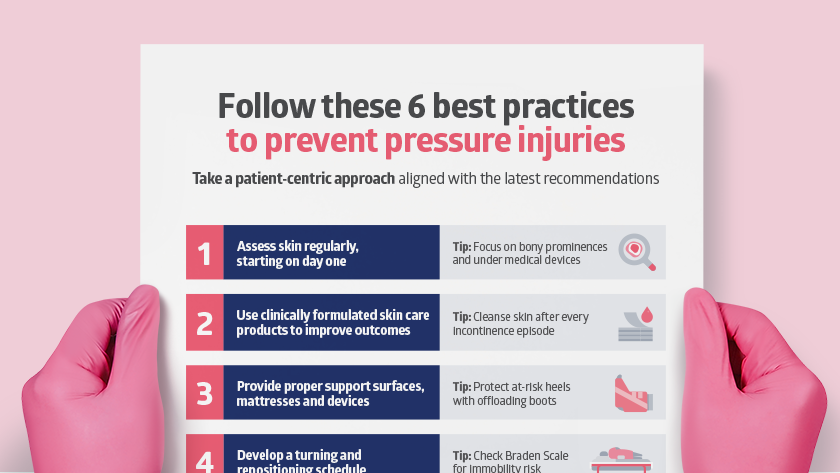
Pressure injuries pose serious health risks, especially for immobile individuals. Effective prevention strategies can greatly reduce these risks. These strategies not only enhance comfort but also improve quality of life. Below are crucial methods for preventing pressure injuries.Regular Position Changes
Frequent movement is key. Change positions every two hours. This reduces pressure on vulnerable areas. It enhances blood flow and prevents skin breakdown. For those in bed, elevate head slightly. It relieves pressure on the lower back.Skin Care And Monitoring
Keep skin clean and dry. Moisture increases skin fragility. Inspect skin daily for redness or sores. Early detection prevents serious injuries. Use moisturizers to maintain skin health. Avoid products with harsh chemicals. They can irritate sensitive skin.Use Of Supportive Devices
Supportive devices help distribute weight evenly. Use cushions and pads for support. They reduce pressure on bony areas. Special mattresses can also help. They adjust to body shape. This minimizes pressure points. Select devices suited to individual needs. Proper use improves comfort and safety.Role Of Healthcare Professionals
Preventing pressure injuries is vital to patient care, reducing pain and complications. Healthcare professionals play a key role in monitoring and educating patients, ensuring timely interventions and promoting healing. Their vigilance and proactive measures significantly lower the risk of these injuries, enhancing patient well-being.
The role of healthcare professionals in preventing pressure injuries is crucial. They hold the expertise and skills needed to safeguard patients’ health. Their actions can significantly reduce the risk of these painful and costly injuries. Healthcare professionals are the frontline defenders in this battle against pressure injuries.Education And Training
Healthcare professionals must undergo thorough education and training. This equips them with the knowledge to identify risks early. Training programs focus on the latest techniques in pressure injury prevention. Continuous education ensures they are updated with current practices. It fosters a proactive attitude toward patient care.Assessment And Early Intervention
Assessment is the cornerstone of preventing pressure injuries. Professionals must assess patients’ skin and mobility regularly. Early intervention can prevent injuries from developing. Identifying high-risk patients is essential. Professionals use tools and methods to spot potential issues early. Swift action can make a significant difference in outcomes.Collaborative Care Plans
Collaboration is key in managing patient care. Healthcare teams create detailed care plans for each patient. These plans involve multiple experts working together. Nurses, doctors, and therapists collaborate on strategies. The focus is on holistic care to prevent pressure injuries. Teamwork ensures comprehensive solutions are implemented efficiently.
Credit: www.facebook.com
Innovations In Prevention
Preventing pressure injuries is crucial for maintaining skin health and reducing hospital stays. Innovations in prevention minimize risks, improve patient comfort, and enhance recovery outcomes. Effective strategies include regular repositioning, skin assessments, and using specialized support surfaces.
Preventing pressure injuries is vital for enhancing patient care and improving life quality. Innovations in prevention are paving the way for safer and more effective methods to avoid these debilitating conditions. Whether through technological advances, new materials, or ongoing research, the landscape of pressure injury prevention is rapidly evolving. Let’s dive into the latest innovations that are making a difference in healthcare.Technological Advances
Technology is transforming the way we prevent pressure injuries. Smart beds equipped with sensors now monitor patient movements and skin conditions, alerting caregivers to potential risks. Imagine a bed that can adjust itself to redistribute pressure automatically! Wearable devices are another breakthrough. These gadgets continuously monitor pressure points and send real-time data to healthcare professionals. This proactive approach allows for immediate interventions, reducing the risk of injuries.New Materials And Devices
Innovation in materials is revolutionizing pressure injury prevention. Memory foam mattresses and cushions provide superior support and comfort, effectively reducing pressure on vulnerable areas. Antimicrobial fabrics are gaining popularity. These materials not only prevent pressure injuries but also minimize infection risks, offering a dual advantage for patients. Advanced pressure-relieving devices such as air-filled cushions are designed for ease of use. They adapt quickly to changes in posture, ensuring consistent protection against pressure injuries.Research And Development
Continuous research is driving the development of new strategies to tackle pressure injuries. Collaborative studies between scientists and healthcare providers are uncovering insights into skin health and pressure distribution. Clinical trials are testing innovative treatments and prevention methods. These trials often lead to the creation of new protocols that are quickly integrated into patient care. Are you aware of the studies exploring the genetic factors related to pressure injury susceptibility? These findings could lead to personalized prevention plans tailored to individual needs. By embracing these innovations, you can play a crucial role in preventing pressure injuries and enhancing patient care. Stay informed and consider how these advancements can be integrated into your practice.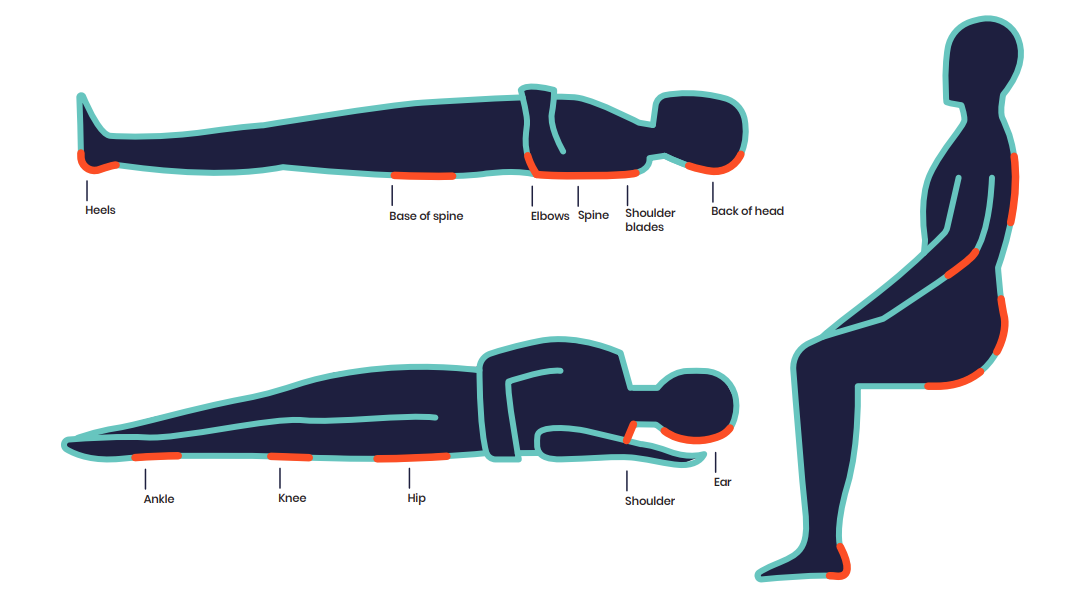
Credit: www.musculardystrophyuk.org
Frequently Asked Questions
What Are Pressure Injuries?
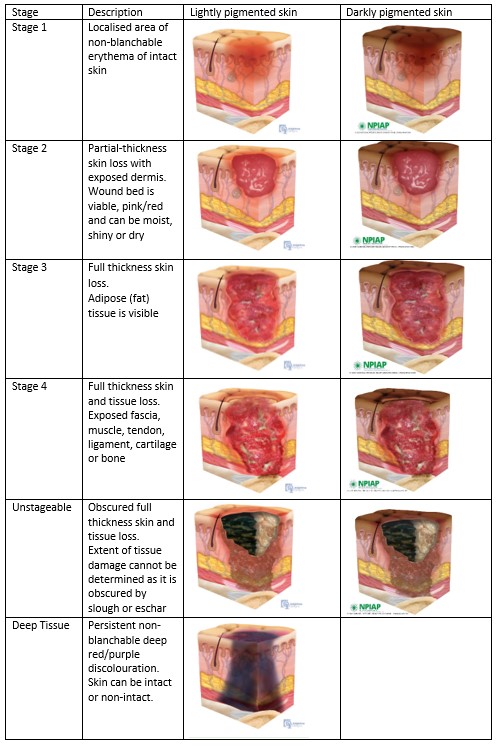
Pressure injuries are wounds caused by prolonged pressure on the skin. They often occur in areas with bony prominences, like heels and hips. It’s crucial to prevent them, as they can lead to severe infections and complications, especially in individuals with limited mobility or chronic health conditions.
How Do Pressure Injuries Develop?
Pressure injuries develop when blood flow is restricted due to constant pressure on the skin. This lack of circulation can damage tissues and lead to sores. Factors such as friction, shear, and moisture can exacerbate the situation, making prevention essential for those at risk.
Why Is Prevention Of Pressure Injuries Crucial?
Preventing pressure injuries is vital to avoid severe health complications. These injuries can lead to infections, prolonged hospital stays, and increased healthcare costs. Prevention strategies like regular repositioning, skin inspections, and using supportive surfaces are key to maintaining skin integrity.
Who Is At Risk For Pressure Injuries?
Individuals with limited mobility, such as bedridden patients or wheelchair users, are at high risk. Elderly individuals, those with chronic conditions, and those with poor nutrition are also vulnerable. Early intervention and proactive care can significantly reduce the risk of pressure injuries.
Conclusion
Preventing pressure injuries is vital for health and comfort. These injuries cause pain and serious complications. Simple steps can make a big difference. Regular movement and skin care help a lot. Being aware of signs and taking early action is crucial.
This not only improves quality of life but also reduces medical costs. Caregivers play a key role in prevention. They must stay informed and proactive. Everyone deserves to live without unnecessary pain. Prioritizing prevention ensures better health outcomes for all.
Let’s work together to keep our loved ones safe and comfortable.